Uttar Da Puttar (2026): Annu Kapoor’s comic gravity anchors a Vastu satire


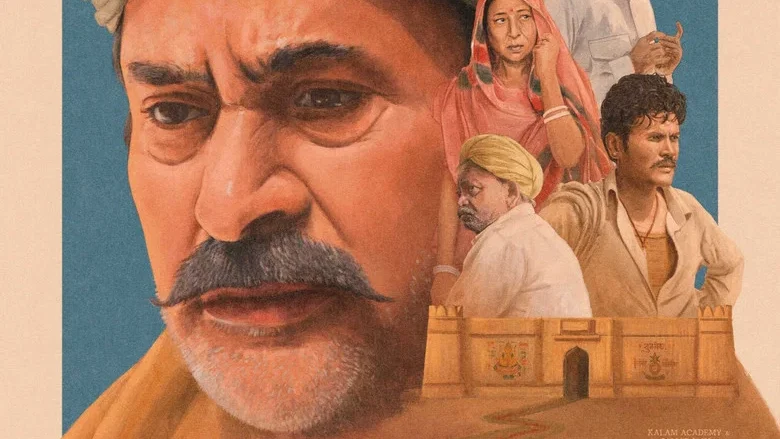
Annu Kapoor walks into frame as a professor whose beliefs are about to be tested by the universe’s most inconvenient sense of timing. The premise, destiny colliding with Vastu superstitions, is genuinely unusual, and Kapoor’s presence immediately signals that this won’t be a loud, desperate comedy.
He carries the film with the kind of lived-in authority that makes even a shaky premise feel credible. His comic timing has always been underrated, and here he gets room to play a character rather than a caricature, which is more than most Hindi comedies offer their senior actors these days.
Ravinder Siwach’s direction trusts the cast, sometimes too much
Siwach’s strongest instinct is casting. He has assembled Brijendra Kala, Pavan Malhotra, and Rukhsar Rehman, actors who can find humour in silence. The direction wisely lets the ensemble breathe instead of forcing physical gags.
The screenplay, however, doesn’t always earn that trust. The Vastu-and-destiny setup is fresh, but the payoffs feel thinner than the premise promises. A tighter second half would have turned this from a curio into a complete film.
The comedy works best when it stays satirical
This is not a slapstick film, and that’s its saving grace. The satire angle gives the humour a target, superstition, middle-class anxiety, the human need to blame furniture for our failures. When the film commits to that register, it lands.
But the tone wobbles when it reaches for broader laughs. The ensemble’s comic interplay, which should be the film’s engine, gets diluted by scenes that don’t commit fully to either satire or farce. The result is a comedy that’s consistently watchable but rarely sharp.
At 1 hour 43 minutes, the film is lean enough to avoid overstaying. Yet the brevity also means several promising threads, particularly around the supporting characters, never get the space they deserve.
Rukhsar Rehman and Brijendra Kala elevate the margins
Rehman brings a grounded warmth to Ginni, a role that could have been thankless in lesser hands. She balances Kapoor’s eccentric professor with a quiet, everyday sensibility that makes their scenes feel lived-in.
Kala, meanwhile, does what he does best, turning small moments into comic gold through sheer timing. Pavan Malhotra adds weight to the ensemble, and even with limited material, his presence signals a seriousness of intent from the casting team. Ishtiyak Khan and Jeeveshu Ahluwalia round out a cast that clearly understands the film’s satirical ambitions.
A flop at the box office, but not without an audience
Bollywood Hungama reported a first-week total of approximately 0.365 crore, with the film eventually landing at 0.396 crore, numbers that led to a “flop” verdict from trade trackers. That commercial reality is harsh, but it doesn’t erase the film’s merits.
TV9 Hindi’s 3.5/5 rating suggests critics found more to appreciate than the box office would indicate. The audience that does find this film, likely fans of Kapoor and viewers who enjoy social satire, will discover a small, sincere comedy that never pretends to be more than it is.
For those who appreciate Hindi cinema’s quieter comic voices, this one deserves a look. Hindi Comedy reviews on our site cover more films in this vein.
I found myself wishing the screenplay had matched the cast’s commitment, but the film’s core, a satire on destiny and superstition, remains genuinely distinctive. If you’re a Kapoor fan or enjoy ensemble-driven social comedies, this is worth a patient watch. For everyone else, it’s a mild, forgettable diversion best seen on a streaming platform rather than a theatrical outing.
Uttar Da Puttar is a well-intentioned satire that earns a 3/5, worth your time if you appreciate Annu Kapoor’s craft, but unlikely to change your mind about the genre.
For more on ensemble comedies that struggle with structure, see our take on Dhamaal 4 review.
If you prefer shorter, tauter experiments in Hindi, Qaid verdict offers a different kind of test.