Prahaar (2026): The Ujjwal Nikam Story (2026): Rajkummar Rao Carries a Courtroom Epic That Refuses to Breathe


A prosecutor walks into a room where the air has already been spent. That is the first image Avinash Arun Dhaware gives us, and it is also the film’s entire thesis compressed into a single entry.
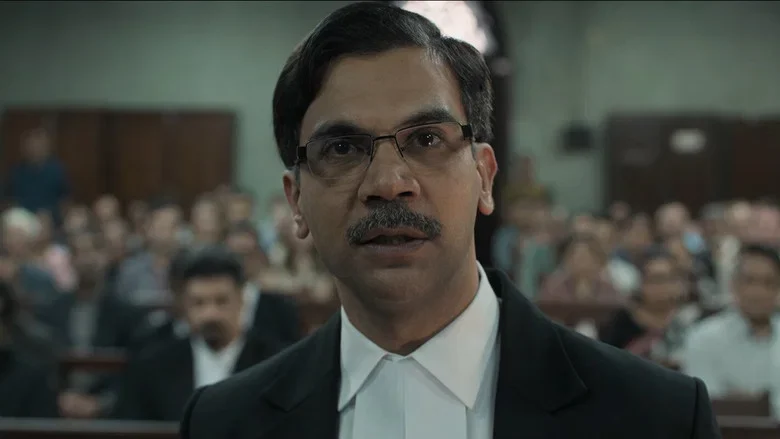
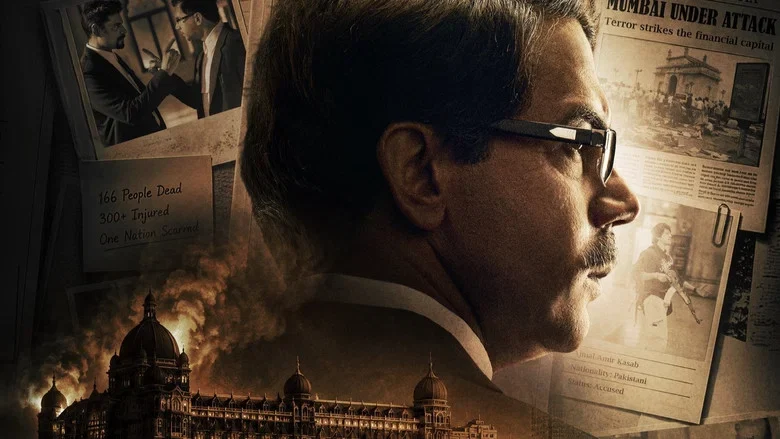
Rajkummar Rao plays Ujjwal Nikam not as a crusader but as a man who has learned to keep his hands still. The performance is the spine of Prahaar, and for long stretches it is the only thing holding the picture upright.
A Prosecutor’s Stillness Is The Film’s Only Reliable Weapon
What Rao does here is deceptively difficult. He refuses the obvious tics of the legal-drama lead, no table-slamming, no righteous monologues delivered to the gallery, no slow-burn fury building toward a closing argument.
Instead he builds Nikam from the shoulders down. A slight forward tilt when he is listening. A pen held at the same angle across three separate trials. A voice that never rises above a certain register even when the material begs him to.
It is a performance of accumulated pressure rather than released pressure, and it works because Rao understands that the audience will do the shouting for him. The restraint carries a strange kinship to the disciplined exhaustion Jaideep Ahlawat brought to Drishyam, where a man’s composure becomes the most threatening thing on screen.
The Antagonist Is A System, And The System Has No Face
Here is where the film makes its boldest structural bet. There is no single villain to pin the drama onto, no snarling mastermind, no theatrical adversary waiting in the witness box.
The opposition is diffuse: accused perpetrators, procedural obstruction, the sheer bureaucratic weight of prosecuting cases that have already been tried in the public imagination. Ahlawat’s presence generates real friction whenever he is on screen, but the screenplay treats him as pressure rather than as a person with a psychology.
That choice is intellectually honest and dramatically costly. A faceless antagonist means the film must generate tension from process alone, and process, filmed without invention, is just paperwork.
Where The Middle Section Loses Its Grip
The film spans the 1993 Bombay Blasts and the 2008 Mumbai attacks, and the ambition is visible in every transition. The problem is that ambition and structure are not the same thing.
Connecting multiple landmark trials into a single character arc requires the screenplay to find connective tissue that is emotional rather than chronological. Prahaar largely settles for chronology, and the result is a middle act that feels like a well-researched montage rather than a narrative.
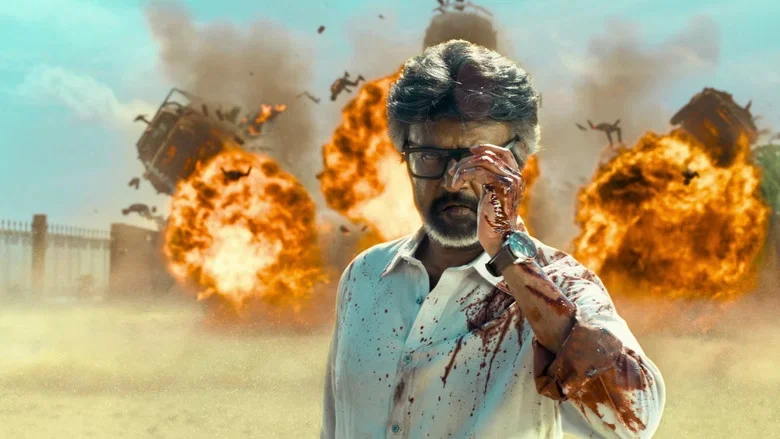
This is the same trap that swallowed the theatrical ambitions of Jailer 2, where a star’s presence was asked to compensate for a script that had stopped generating its own momentum.
Dhaware’s Camera Trusts Faces, And That Trust Is Earned
Avinash Arun Dhaware has a documented instinct for placing a camera close to a face and letting the face do the work. He does it here with a discipline that borders on austerity.
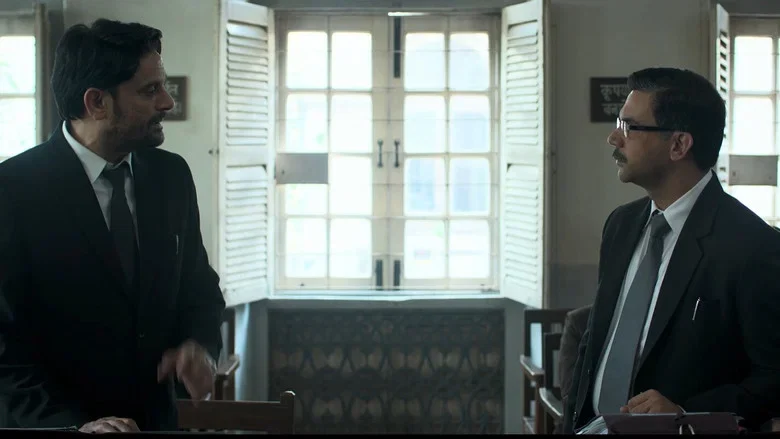
Courtroom scenes are staged in medium shots that hold long enough for the audience to read micro-expressions, a jaw tightening, a blink held a fraction too long, a glance toward a co-counsel that says more than any line of dialogue.
The score, unfortunately, does not share that discipline. It arrives early and often, telling us what the performances have already told us, and in the final act it becomes actively counterproductive.
The Supporting Ensemble Exists, And That Is Roughly The Problem
Wamiqa Gabbi is a genuine screen presence, but the film gives her almost nothing to do beyond occupying space in Nikam’s professional orbit. Her scenes are functional rather than formative.
Jaideep Ahlawat fares marginally better, largely because his physical stillness reads as menace even when the script gives him nothing to menace about. Sikandar Kher and Lalit Prabhakar appear, register, and recede without leaving a mark.
This is not a casting failure. It is a screenplay that has decided the prosecutor is the only character worth interiority, and the film is lonelier for it.
What The Film Gets Right About Public Duty
There is a genuine idea buried in Prahaar, and it surfaces most clearly in the quieter passages. The film understands that becoming the public face of a landmark prosecution is a form of self-erasure.
Nikam’s private life is compressed into fragments, a phone call taken in a corridor, a meal abandoned mid-bite, a look at a television screen that registers nothing. The cost of conviction is measured in these small deletions.
It is the kind of patient character study that has become more common across contemporary Hindi dramas, and it represents the film’s most defensible artistic choice.
Maddock Films Is Betting On Substance Over Spectacle
Dinesh Vijan’s Maddock Films has built its recent slate on mid-budget, concept-driven pictures, and Prahaar fits that template precisely. The studio is wagering that audiences will show up for a legal biography with no franchise scaffolding underneath it.
That is a meaningful commercial gamble in a market where the theatrical window increasingly rewards scale over subject matter. The advance-booking trajectory suggests curiosity rather than event-level demand.
Rajkummar Rao’s box-office leverage has always rested on critical goodwill more than opening-weekend muscle, and this film will not change that equation. It asks the audience to arrive already interested in the subject.
Whether that audience exists in sufficient numbers is the question Maddock will be answering over the next several weeks, and the answer will shape how many more films like this get made.
A Film About Justice That Forgets To Feel Like One
The final act resolves with the procedural clarity the material demands, and there is a certain satisfaction in watching a case close properly. But satisfaction is not the same as catharsis.
What lingers is not the verdict but the exhaustion, the sense of a man who has spent decades converting other people’s catastrophes into legal arguments. The film’s real subject may be the toll of that conversion.
For viewers drawn to the Hanuman Ansh model of sincere, belief-driven storytelling, there is a similar earnestness at work here, applied to secular institutions rather than divine ones.
Prahaar is a serious film that mistakes seriousness for depth. Rao gives it a pulse the screenplay cannot sustain, and Dhaware gives it a visual grammar the score keeps interrupting. It is worth seeing for the performance. It is worth arguing about for everything around it.