Gandhari (2026): Taapsee Pannu’s Fierce Yet Flawed Revenge Thriller


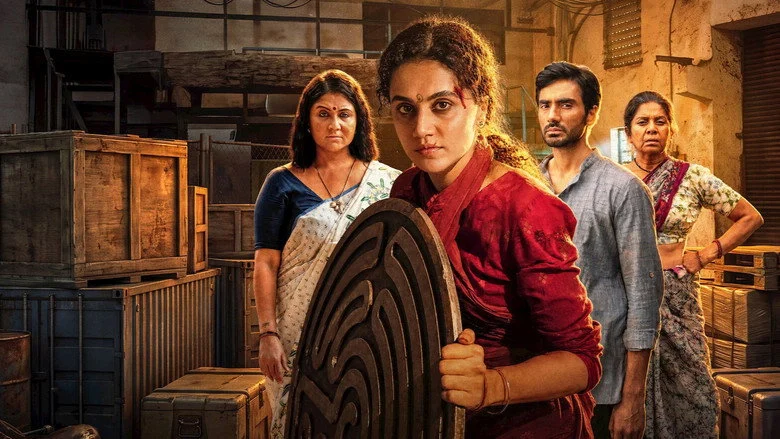
The abduction of young Mishty at Joypurra’s railway station happens in broad daylight, a sudden rupture that leaves her mother Bani sprawled on the platform, bleeding and temporarily blinded. What follows is a hunt through a child-trafficking network, but the film’s real currency is the rage of a woman who refuses to stay helpless even as the world around her turns to shadow.
Taapsee Pannu’s Physicality Anchors a Thin Script
Pannu is the engine that keeps Gandhari from stalling entirely. Her Bani carries both the trauma of the attack and the hardening resolve that follows, and the actor sells the transition from grief-stricken mother to vengeful force with credible physicality.
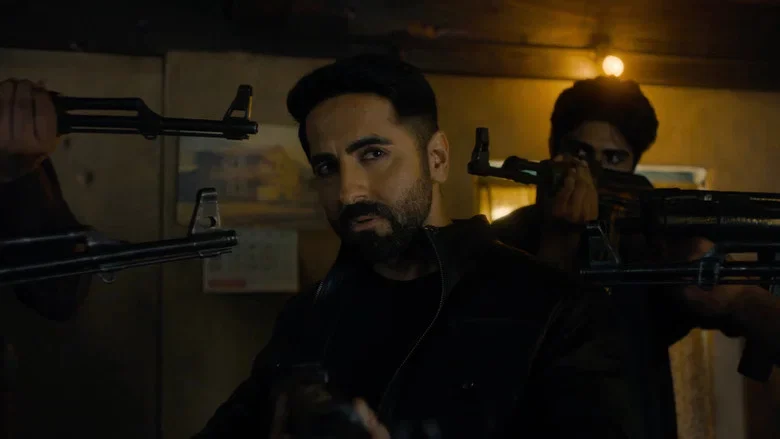
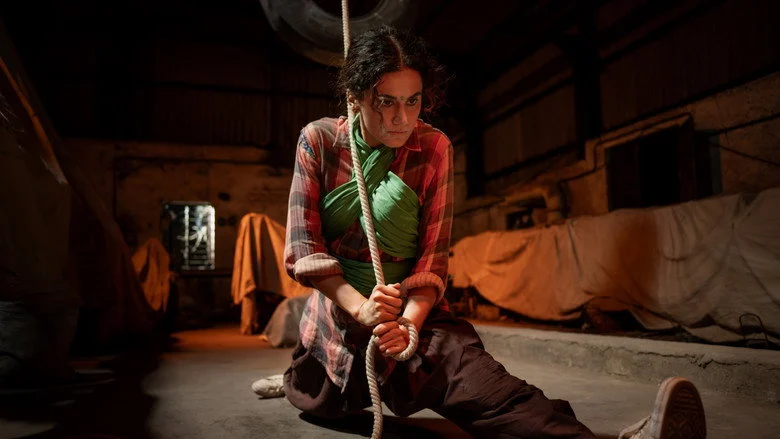
The third-act action stretch, where she moves through the trafficking ring’s lair, is the film’s most effective passage. It is here that Pannu’s commitment makes the implausible feel momentarily urgent, and it is this stretch that most reviewers singled out as the reason the film remains watchable.
Devashish Makhija’s Direction Loses Its Grip Midway
Makhija, who has shown a knack for gritty worlds in the past, keeps the setup focused on the mother’s pursuit and the trafficking premise. The fictional Bengali backdrop of Joypurra and the railway-station imagery give the film a distinct visual texture early on.
But the screenplay, credited to Kanika Dhillon, strains under excessive cinematic liberties. The middle investigation lacks the tension it needs, and the tone wobbles between raw grief and action-thriller mechanics without ever settling into a confident rhythm.
The Thriller Core: A Premise That Promises More Than It Delivers
The central hook is strong, a blind mother hunting the men who took her daughter. The vulnerability of the protagonist should generate constant suspense, and the kidnapping itself is staged with sharp, disorienting energy that establishes the stakes cleanly.
Yet the film leans on a rescue narrative rather than a procedural mystery, which means the investigation portions feel like filler between action beats. The pacing only tightens in the final act, when the violence escalates and Bani takes direct action.
That escalation, however, is where the writing cracks. The Hindu put it bluntly, calling the film one where “Taapsee Pannu hits a blind spot in this bland thriller.” The third act’s resolution takes liberties that dilute the impact, leaving confusion where catharsis should land.
For more perspectives on similar Hindi films, browse our Hindi Thriller reviews.
A Supporting Cast Left in the Shadows
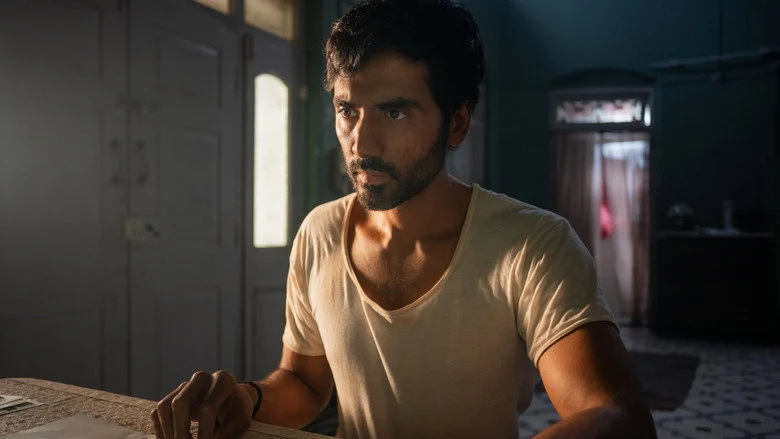
Ishwak Singh plays Gokul, the father caught in the search, but he functions more as part of the missing-child framework than as a developed character. His worry reads genuine, yet the script never gives him a defining moment beyond reacting to Bani’s spiral.
Mita Vashisht and Swastika Mukherjee are names that signal quality, but neither gets enough material to register. Prashant Narayanan, cast as the antagonist, suffers the most, critics noted that the villains lack presence and fear factor, which drains the confrontation of genuine menace.
The Verdict: Familiar Gaze, Fierce Lead
Cinema Express observed that “Taapsee Pannu’s thriller is too familiar for the gaze, ” and that critique cuts to the film’s core problem. Compared to a film like Kahaani, which built a similarly vulnerable yet determined female lead, Gandhari never sustains its tension or surprises its audience.
Bollywood Hungama was even less kind, calling it “a below average revenge drama.” The audience response mirrors this split, praise for Pannu and the high-intensity setup, complaints about predictable plotting and weak logic. I found myself nodding at both camps, though the final stretch did deliver more force than the sluggish middle suggested.
Should you watch it? If you are a Taapsee Pannu loyalist, the third act alone justifies a stream. If you need a tightly wound thriller that respects its own rules, this will frustrate you. Watch it on OTT, where its flaws feel less punishing than they would in a theatre.
Gandhari gets a 2.5 out of 5, a performance worth seeing, trapped inside a script that never matches her intensity.
For a sharper take on a similarly uneven lead performance, read Critique review.
Taapsee’s fierce turn also echoes the raw aggression found in Mirzapur verdict‘s violence.