Cocktail 2 (2026): Shahid Kapoor’s Emotional Honesty Battles Contrived Plot Mechanics


A decade-long marriage crumbles into farce when an old friend’s return becomes the spark for a “loyalty test” that spirals into chaos neither participant anticipated. Homi Adajania’s sequel constructs its emotional architecture around a single miscalculation, the moment Diya decides to weaponize suspicion against her husband Kunal, and watches it detonate across 149 minutes of escalating absurdity masquerading as contemporary romance.
The film gambles on a high-wire premise: that manufactured betrayal, when excavated, might reveal truths about a relationship worth salvaging. It’s a risky bet that occasionally pays dividends but more often exposes the fragility of its own logic.
Shahid Kapoor’s Stagnation Cuts Deeper Than the Plot Deserves
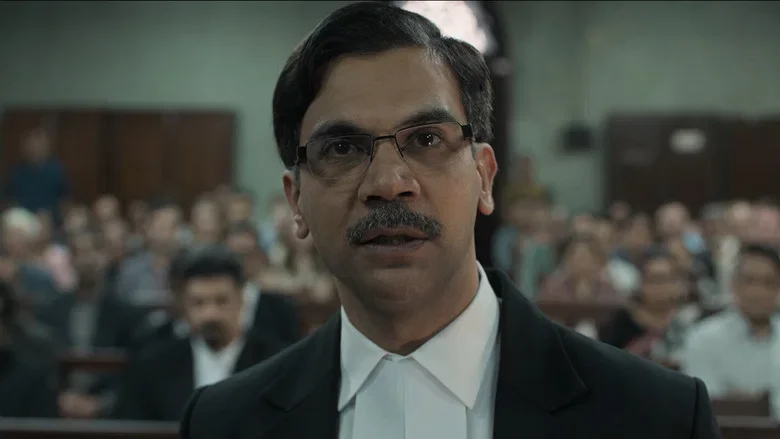
Shahid’s Kunal doesn’t swagger or perform; he atrophies quietly in the film’s opening act, his body language a study in marital numbness. The way he moves through domestic space, shoulders folded inward, eyes avoiding his wife’s gaze during supposedly intimate moments, registers more authentically than any monologue about emotional distance could. His raw delivery in the confrontation scene, where he discovers the full extent of Diya and Ally’s deception, carries genuine hurt that the screenplay hasn’t earned through logical progression.
This performance is the film’s greatest asset and its cruelest irony: watching a skilled actor navigate material that repeatedly undercuts his credibility.

Adajania’s Direction Maintains Tone While Pacing Fractures Fatally
The director demonstrates technical competence, maintaining consistent emotional temperature across conflicting scenes and extracting genuine humor from tension. His visual choices, particularly close-ups and warm lighting during intimate moments, emphasize vulnerability without sentimentality. Yet the middle section collapses under its own weight, stretching the misunderstanding beyond plausibility, and the climax resolves with such velocity that emotional scaffolding crumbles.
The screenplay’s linear structure, co-written by Luv Ranjan and Tarun Jain, plants the “loyalty test” sequence as its central pivot, a moment of dramatic irresponsibility that everything afterward must justify. It cannot.

The Loyalty Test Scene Exposes Romance’s Genre Mechanics Under Pressure
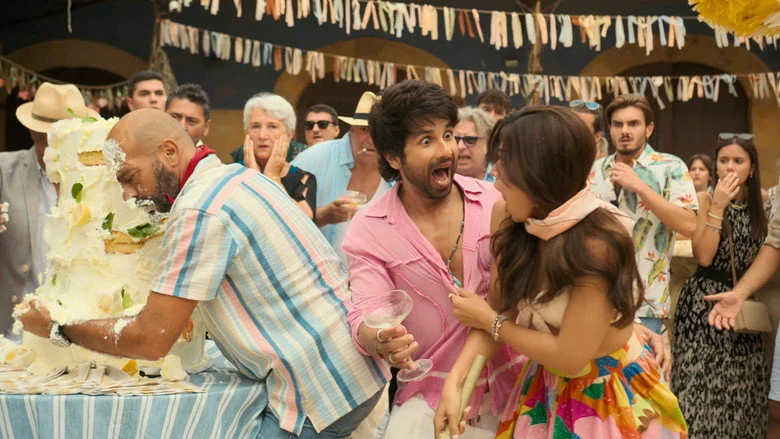
When Diya and Ally initiate their plan, the film attempts to blend comic miscalculation with relationship drama. What emerges instead is a sequence that prioritizes plot convenience over character logic. The audience watches three adults behave with the impulse control of teenagers, and the script offers no introspection sharp enough to contextualize this as deliberate folly. The humor lands occasionally, particularly in the escalating misunderstandings, but feels grafted onto conflict that should generate tension through consequence, not through contrived circumstance.
The final resolution scene theoretically pivots toward emotional growth and redefined modern relationships. In practice, it compresses months of necessary healing into a few minutes of dialogue reassurance. Diya’s line, “Modern relationships are hard, but we have to try”, sounds like thematic instruction rather than earned wisdom from characters who’ve done little internal work to justify their second chance.
Where the film succeeds is in its acknowledgment that contemporary coupledom operates without instruction manuals. Where it falters is in treating this insight as sufficient substitute for credible character behavior. The confrontation between husband and wife generates real tension because Shahid’s performance carries the scene, not because the plot has constructed legitimate dramatic stakes. This is a film sustained by acting against screenplay, not in concert with it.
Hindi romantic comedies and dramas continue to explore modern coupling with varying success, and this particular entry sits uncomfortably between ambition and execution across the landscape of contemporary relationship cinema.
Kriti Sanon and Rashmika Mandanna Navigate Underwritten Complexity
Kriti Sanon embodies Diya’s internal contradiction, the wife desperate enough to sabotage her own marriage to test its durability, with genuine emotional range in the plan and confrontation scenes. Her vulnerability in the final resolution carries more weight than the screenplay deserves to claim. Rashmika Mandanna, cast as Ally, performs subtle manipulation during the scheme’s execution, yet her character dissolves into convenient emotional availability whenever the narrative requires redemption. Both actors manage the material’s limitations, but neither can transcend its fundamental implausibility.
Amitabh Bachchan’s special appearance functions as tonal ballast, a gravitas-lending presence that signals the film’s thematic pretensions without demanding script space to justify them.
Box Office Performance Reflects Audience Skepticism Toward Flawed Premise
Opening with Rs 8 crore on its first day, according to the Sacnilk Report, the film accumulated Rs 25 crore across India in its first week, with a worldwide gross climbing to Rs 38 crore by the end of that span. Against a reported Rs 45-crore budget, these numbers signal modest market confidence in a narrative that critics and viewers alike identified as fundamentally compromised. The 6.2/10 rating from critical consensus (Sacnilk Report) aligns with BookMyShow’s 7.1/10 audience score and IMDb’s 6.4/10, a consistent middle zone that suggests competent execution of a premise audiences found increasingly difficult to accept as it unfolded.
Social media sentiment split 68% positive against 32% negative, with admirers praising the film’s willingness to address modern relationship fragility and detractors pointing to the slow-paced middle section as narrative dead weight.
Watch This If You’re Forgiving of Contrived Romance, Skip If You Demand Logic
Cocktail 2 works best viewed as a character study sustained by Shahid Kapoor’s quiet desperation rather than as a thriller built on the loyalty test’s escalating chaos. The film’s relatable theme of contemporary couples struggling without maps resonates; its execution of that theme through increasingly implausible scenario feels like a miscalculation that even strong performances cannot fully redeem. IMAX screenings offer enhanced visual and audio texture to emotional moments, but won’t salvage the fundamental structural compromises that undermine the narrative’s second half. I found myself respecting the ambition and frustrated by the carelessness with which it was pursued.
Cocktail 2 reaches for something honest about modern marriage but settles for contrivance when honesty became inconvenient, a 2.5 out of 5 film that mistakes actor commitment for dramatic coherence.
Homi Adajania’s prior work and similar romantic dramas exploring relationship vulnerability appear frequently across contemporary Hindi cinema reviews.
For similar examinations of relationship stress under manufactured pressure, Peddi offers comparable thematic terrain through different genre frameworks, exploring how external disruption reshapes domestic dynamics.
The film’s struggle between emotional authenticity and plot mechanics echoes patterns visible in Hai Jawani Toh Ishq Hona Hai, another entry wrestling with how romantic frameworks fracture when predictability overrides character logic.
Readers looking for more hindi drama reviews can explore them on Movies4u.