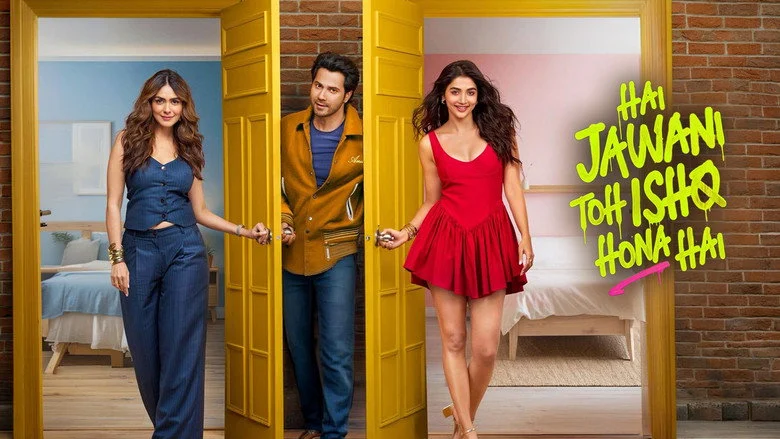
Hai Jawani Toh Ishq Hona Hai (2026): Dhawan’s Romantic Framework Fractures Under Predictable Plotting


Jass walks out of his five-year marriage, suffocated by Bani’s relentless climb up the corporate ladder while he starves for domestic stability. The camera follows him abroad into a new romance that promises everything his marriage couldn’t deliver, until shocking revelations detonate the entire emotional architecture. David Dhawan returns to his signature romantic-comedy terrain, but the execution splits between moments of genuine marital friction and plot machinery that groans under the weight of its own predictability.
Varun Dhawan’s Emotional Credibility in the Revelation Scene
Dhawan delivers his strongest work during the climactic revelation, where layers of self-deception crumble into genuine confrontation with love and loyalty. His portrayal of Jass’s emotional turmoil through the marital conflict carries weight, the actor inhabits the tension between desire for family and fear of irrelevance with visible restraint. Yet his comedic timing with Maniesh Paul, though sharp, occasionally overrides the gravity the narrative demands.
Dhawan’s Direction Pulls Against the Screenplay’s First-Half Collapse
The director’s romantic-comedy signature remains intact, his framing favors intimate moments and domestic comedy with practiced ease. However, the transition where Jass abandons his marriage lands abruptly, as if the screenplay rushed past its own emotional setup to reach plot momentum. The second half recovers considerably once the revelation scene anchors the narrative, but that structural stumble in Act One never fully disappears.
Romance and Drama Strain Against Formula
The film uses marital conflict as its emotional spine, and this choice offers genuine vulnerability. Bani’s career ambitions aren’t presented as selfish, Mrunal Thakur conveys her determination with credible conviction, making the couple’s incompatibility feel rooted in competing dreams rather than melodramatic spite. The romantic tropes are deployed effectively: absence breeds resentment, new attraction clouds judgment, and buried truths explode under pressure.
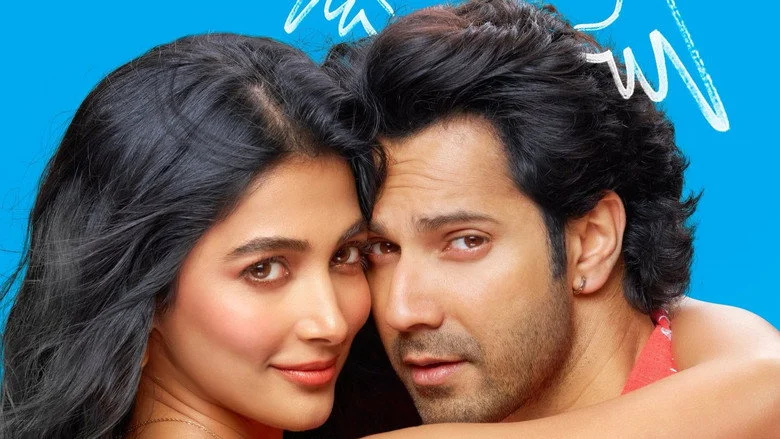
Pooja Hegde’s new romance character adds emotional complexity to Jass’s moral confusion, complicating the simple narrative of a man running from commitment. Yet the subplot itself follows predictable beats, the encounter abroad, the emotional entanglement, the convenient complications. Comedy integrates into the drama through supporting players rather than through structural wit; Maniesh Paul’s friendship scenes puncture tension without redefining it.
What distinguishes this film from Dhawan’s earlier work is its willingness to linger on marital deterioration as a primary emotion rather than a plot device. The revelation scene justifies this investment by forcing both characters to reckon with what commitment actually costs. But arriving at that moment requires wading through 90 minutes of familiar relationship beats that unfold with minimal surprise.
Explore more Hindi Romance reviews for deeper analysis of the genre’s current state.
Mrunal Thakur’s Career-Driven Bani Outpaces the Script’s Depth
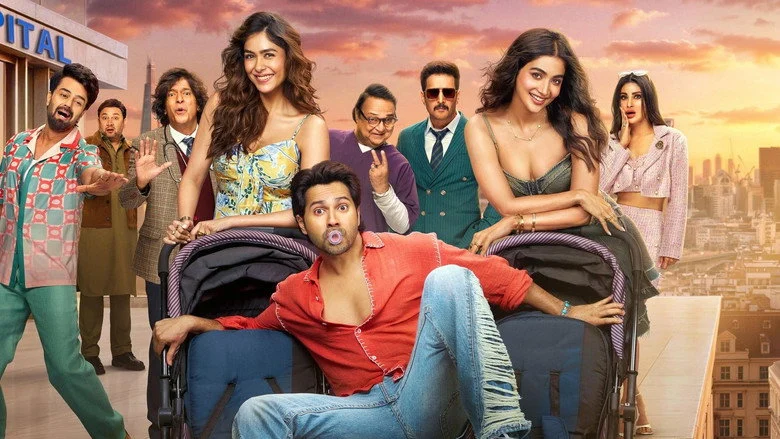
Thakur steals attention precisely because Bani refuses to be a villain, her ambition reads as legitimate, her frustration justified. Jimmy Shergill and Mouni Roy occupy supporting positions without meaningful development, existing more as plot furniture than characters. Chunky Pandey’s antagonist role suffers from limited screen time and motivations that never crystallize beyond vague authority-figure dynamics.
Marital Conflict Without Fresh Stakes or Originality
The central tension between family and career echoes through contemporary cinema without resolution or insight here. Audiences praise the emotional resonance of watching a marriage unravel, yet the premise itself offers nothing new, career-versus-family conflict has defined romantic cinema for decades. The film executes it competently but doesn’t interrogate or subvert the dynamic; it simply performs it with Dhawan’s technical assurance.
Viewers particularly criticize the abruptness of Jass’s departure and the predictability of the new romance subplot, two structural choices that feel obligatory rather than earned. The antagonist’s underdeveloped character compounds this sense of formula, Chunky Pandey’s father figure needed either deeper complexity or sharper comic relief, receiving neither.
This is a solidly crafted romantic drama that knows its genre conventions inside-out but lacks the originality to elevate those conventions. Dhawan’s direction carries the film through its weaker plotting, particularly once the revelation scene arrives to justify the marital deterioration that precedes it. For fans of Varun Dhawan’s romantic register and family audiences comfortable with familiar terrain, the film delivers. Those seeking character depth or narrative surprise should look elsewhere. Watch it in theaters if the premise appeals; the emotional beats land better on the big screen than they likely will on streaming platforms.
Like Bandar review, this film explores moral compromise beneath surface domesticity.
Hai Jawani Toh Ishq Hona Hai executes romantic-comedy craft with competence but sacrifices originality in the process, a middling return to familiar territory that earns a 2.5/5 for technical proficiency without thematic ambition.
Dhawan’s structural choices echo the character-driven restraint seen in Star Wars verdict that prioritize emotional clarity over novelty.