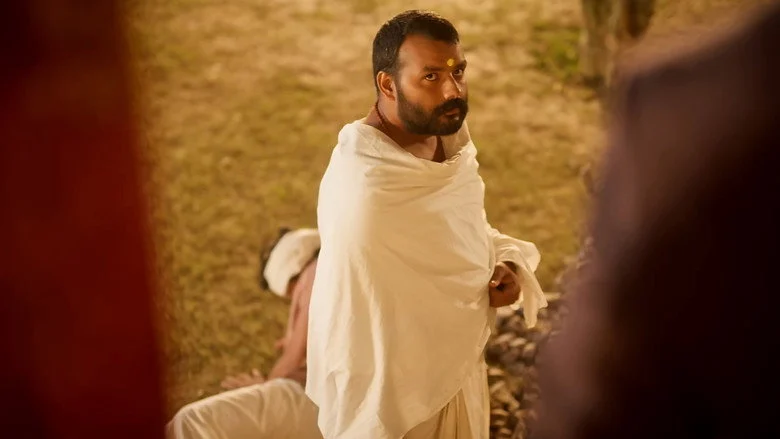

Poniiy (2026): Kunal Singh Sinks In A Shibesh Motilal Drama That Refuses To Exist


The lights dimmed on opening night for a film that, by the time the credits rolled, I was still struggling to locate. Poniiy arrives with a cast, a director, and a distributor’s promise, yet no discernible pulse.
What unfolds across Shibesh Motilal’s runtime is less a narrative than a series of beautifully lit vacancies, anchored by a lead performance that mistakes stillness for depth. It is a curious kind of nothing.
A Film That Confuses Withholding With Substance
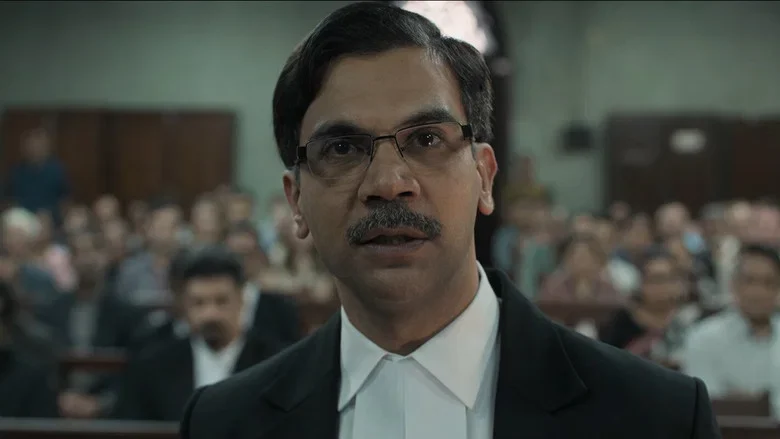
Kunal Singh occupies the center of frame with the physical discipline of a man who has been directed to do very little. His posture remains rigid, his voice stays at a single register, and his eyes rarely leave the middle distance.
There is a difference between a character who conceals and a screenplay that has nothing to conceal. Motilal’s direction leans hard on the former, hoping the audience will mistake opacity for intrigue.
Ananya Raava Basu fares marginally better, if only because her scenes require her to move through space rather than stand in it. She brings a flicker of warmth to exchanges that otherwise play like rehearsal-room exercises.
When A Director Mistakes Slowness For Gravitas
The film’s pacing suggests a filmmaker who has studied the wrong lessons from the slow-burn tradition. Scenes linger past their emotional expiration date, not to build tension but because no one has called cut.
Just as he demonstrated a tighter spatial discipline in Prahaar, the filmmaker here strips away decorative camera moves, but forgets to replace them with psychological friction. The result is airless rather than intimate.
The editing compounds the problem. Transitions arrive without rhythm, and the second act drifts through a series of encounters that neither escalate nor illuminate. By the time the climax arrives, it feels like an interruption rather than a culmination.
Supporting Players Adrift Without Dramatic Function
Raju Kher appears in a handful of scenes that require him to react rather than act. His character exists to absorb information, and Kher does so with the weary professionalism of a veteran who has done this before.
Garima Agarwal is similarly stranded, her screen time reduced to entrances and exits that carry no narrative weight. These are not performances; they are placeholders for performances that the script never wrote.
The ensemble around them, relatives, colleagues, strangers in corridors, functions as ambient noise. No single supporting figure earns a moment that lingers after the frame cuts.
The Stillness That Manufactures Nothing
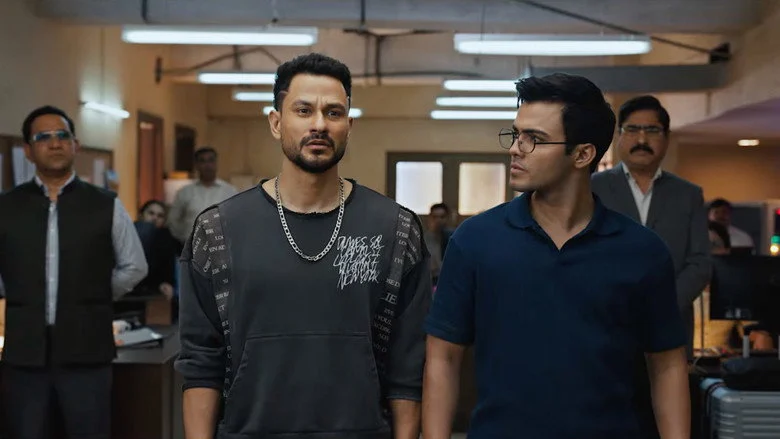
Cinematographically, the film favors medium shots that keep its leads at a polite distance. This is a choice that could suggest emotional reticence, but without a corresponding interior life, it simply reads as avoidance.
The score, when it appears, swells at predictable intervals and retreats when the dialogue resumes. It is functional in the way a hotel lobby is functional, present, unobtrusive, and utterly forgettable.
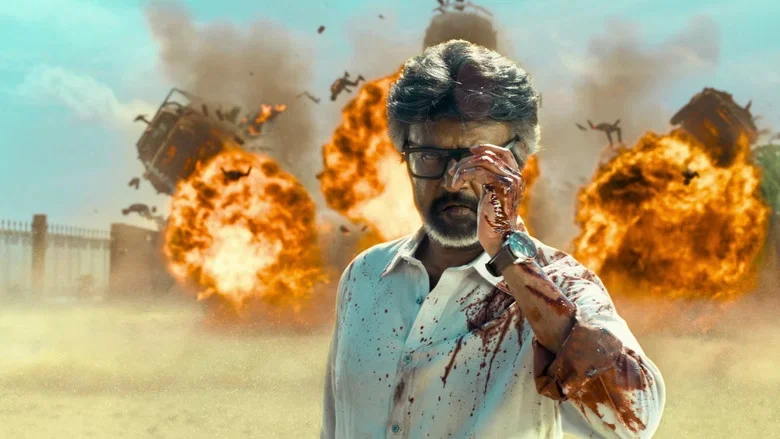
The restrained physical exhaustion Singh brings to his final scenes recalls the psychological weight of his turn in Jailer 2, but here the exhaustion feels less like character choice and more like an actor waiting for direction that never came.
A Story That Refuses To Declare Itself
By the midpoint, I was still uncertain what Poniiy was about, not in the productive, enigmatic sense, but in the way one is uncertain about a stranger’s occupation. The film withholds its premise as if it were a twist.
The thematic territory it gestures toward, duty, memory, the weight of unspoken things, echoes the concerns of Hanuman Ansh, but without the conviction that made that film’s devotional framework cohere.
Motilal seems to be reaching for a meditation on silence and obligation. What he delivers is a film that mistakes the absence of incident for the presence of meaning.
The Commercial Arithmetic Of An Unreadable Release
Poniiy enters a theatrical market that rewards clarity, of genre, of star persona, of emotional promise. This film offers none of those anchors, and its box-office prospects reflect that vacuum.
For its unnamed producers, the release represents a sunk cost in a crowded calendar. For Kunal Singh, it is a credit that will require careful framing in future press.
The broader ecosystem of contemporary hindi dramas has learned to balance ambition with accessibility. Poniiy has learned neither lesson, and the silence around its opening weekend speaks louder than any review.
The Verdict: A Film That Forgets To Arrive
There is a particular disappointment reserved for films that feel unfinished rather than flawed, works that suggest a vision was present at some stage but never made it to the screen. Poniiy belongs to that category.
Its final image lingers on a face that has spent two hours revealing nothing. The camera holds, the score fades, and the audience is left to wonder whether they missed something or whether there was ever anything to miss.
Motilal’s film does not fail because it takes risks. It fails because it takes no position at all. In a landscape that increasingly rewards conviction, Poniiy is a whisper in a room that needed a voice.