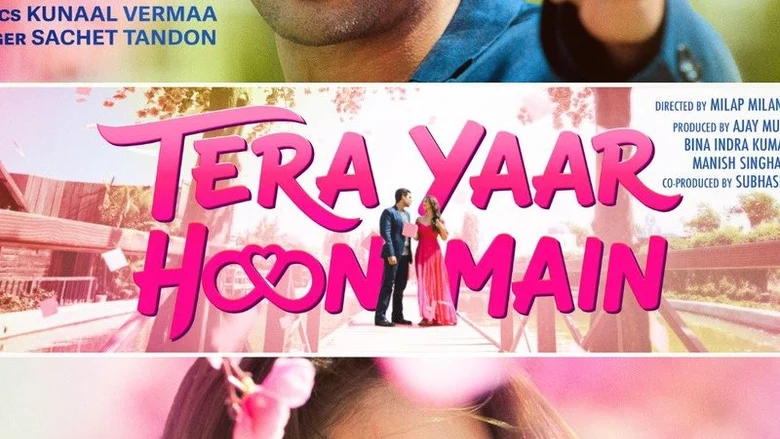
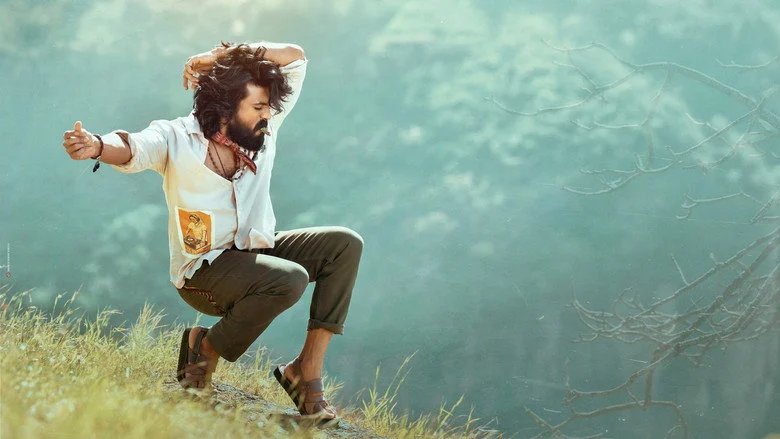
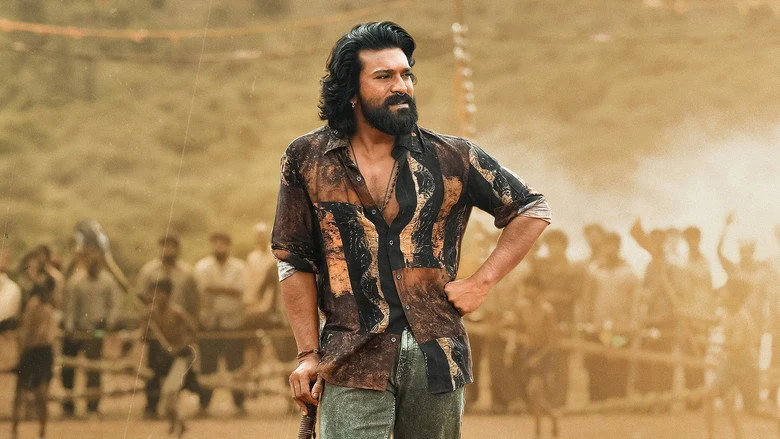
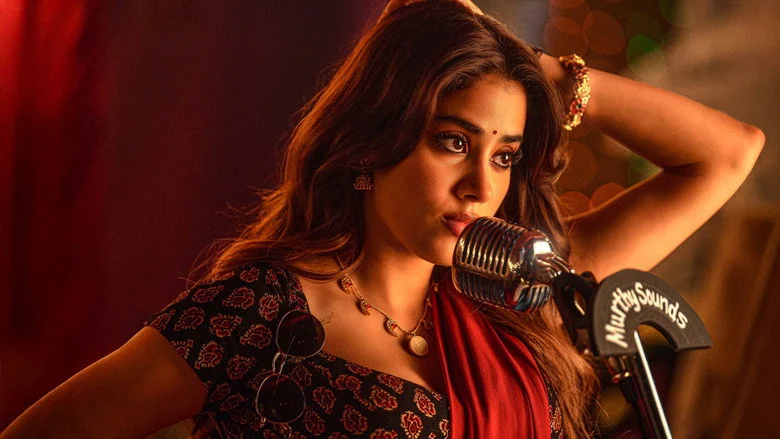
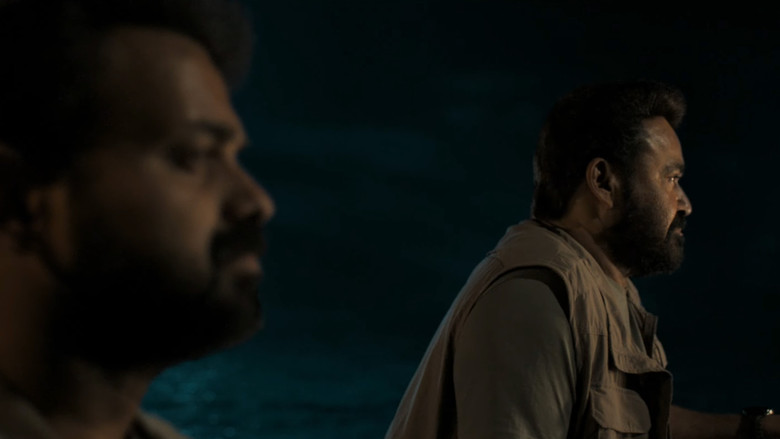
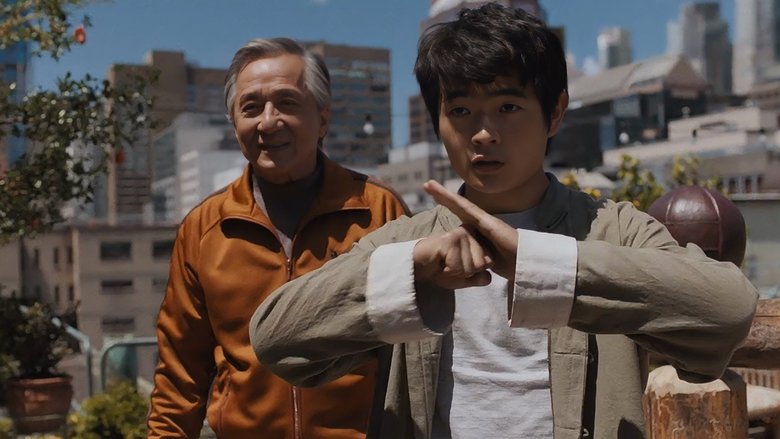
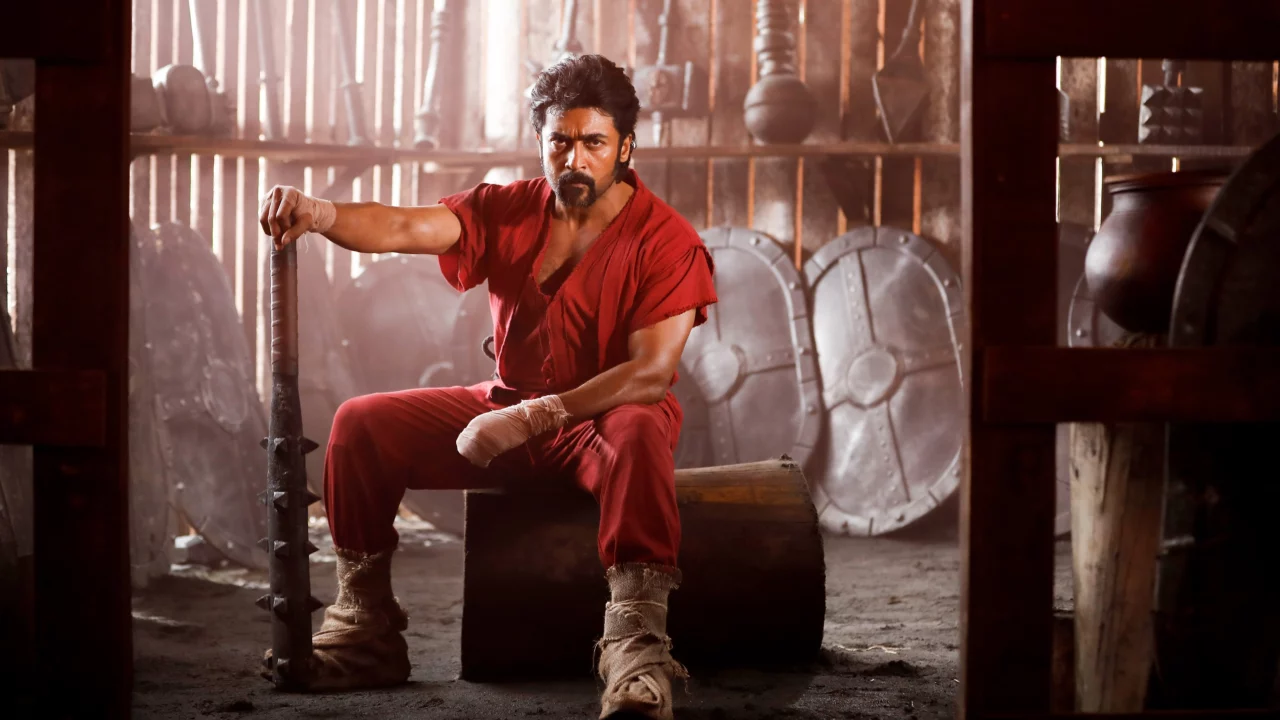
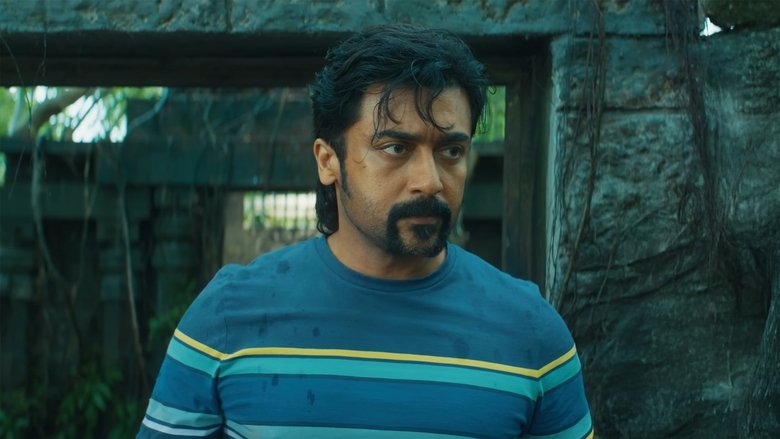
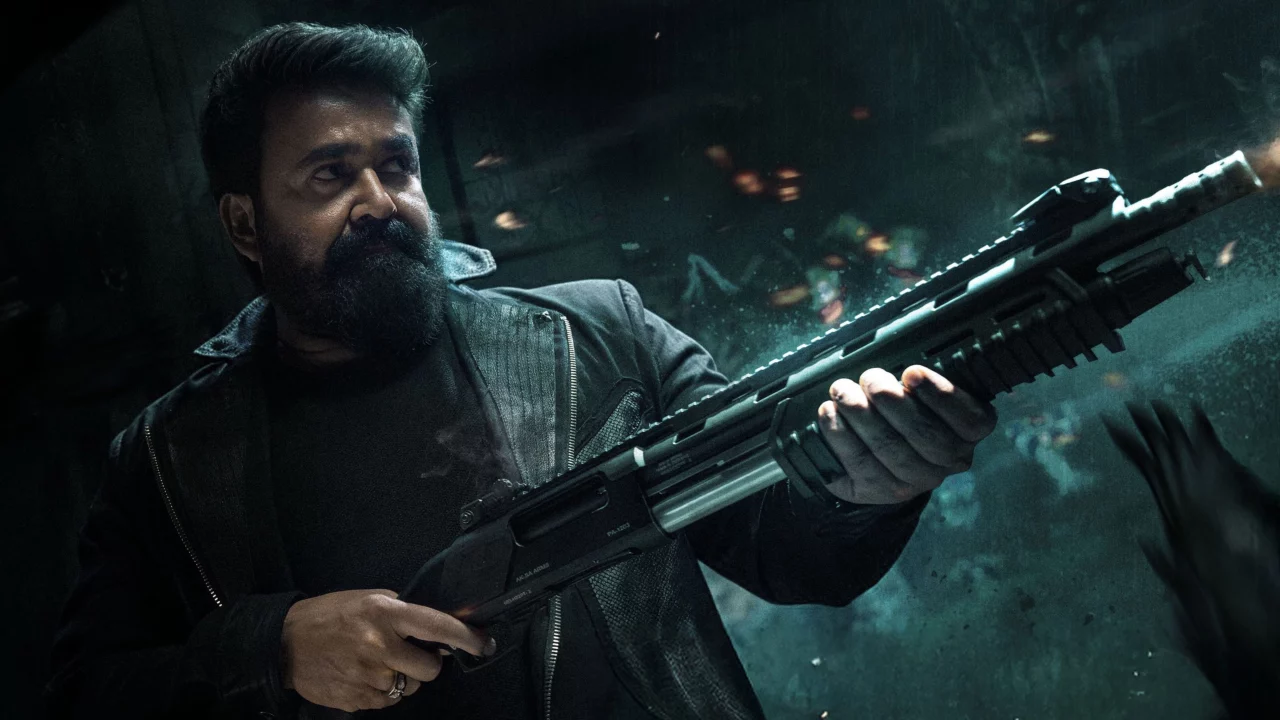
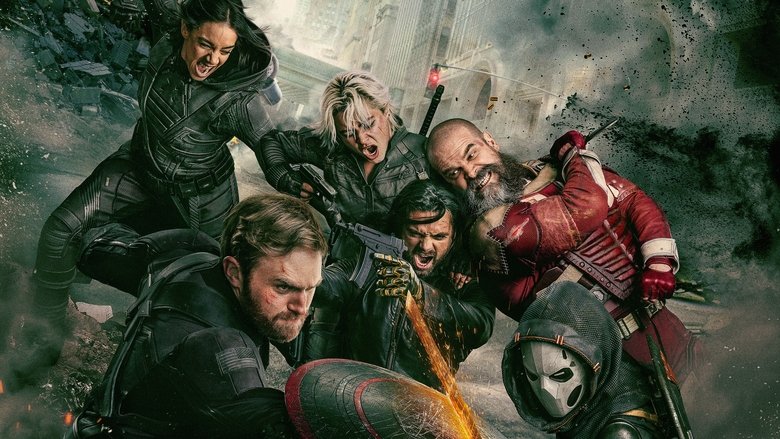
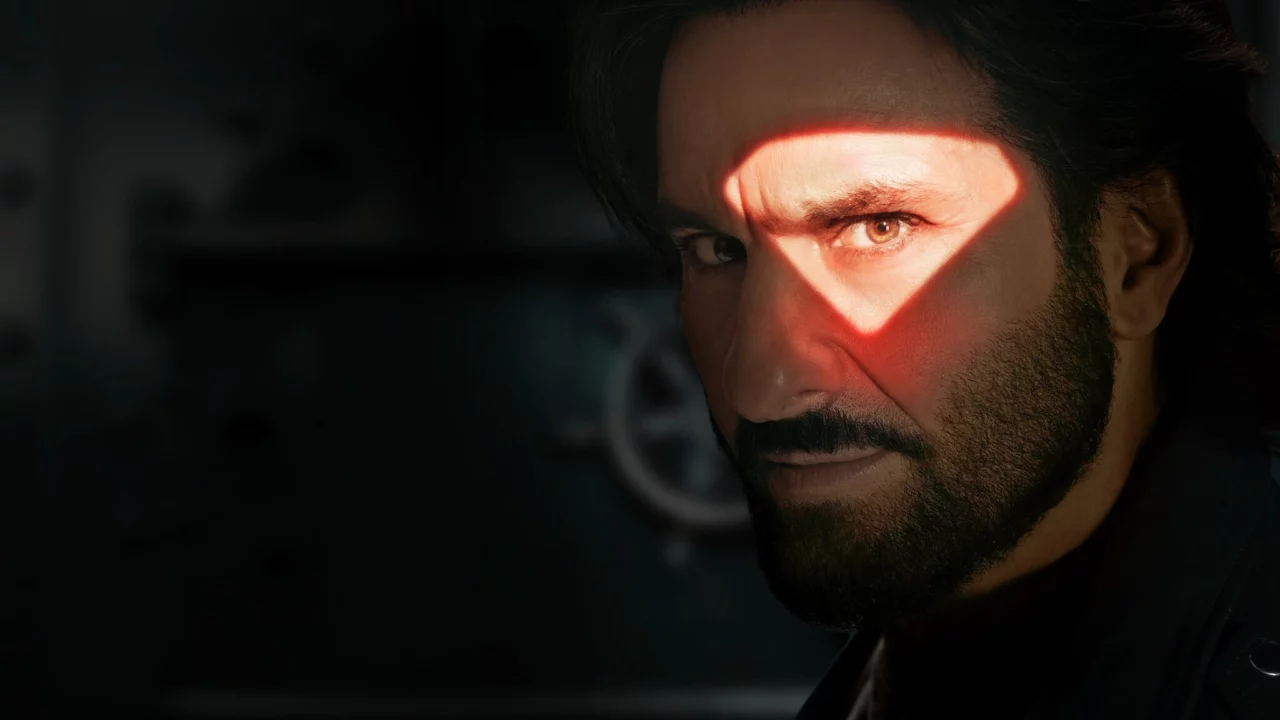
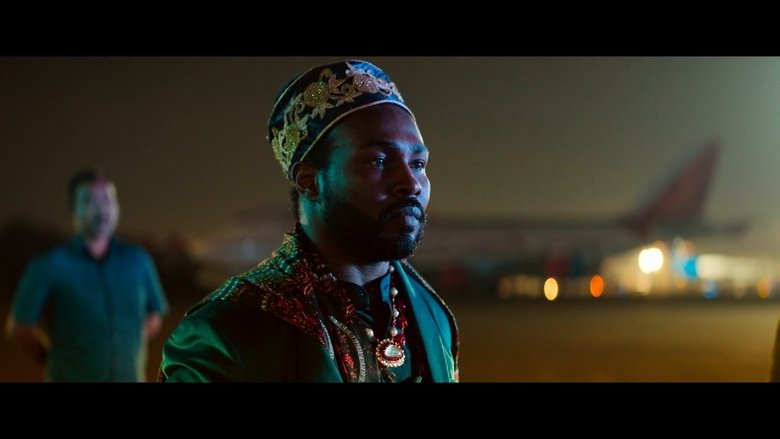
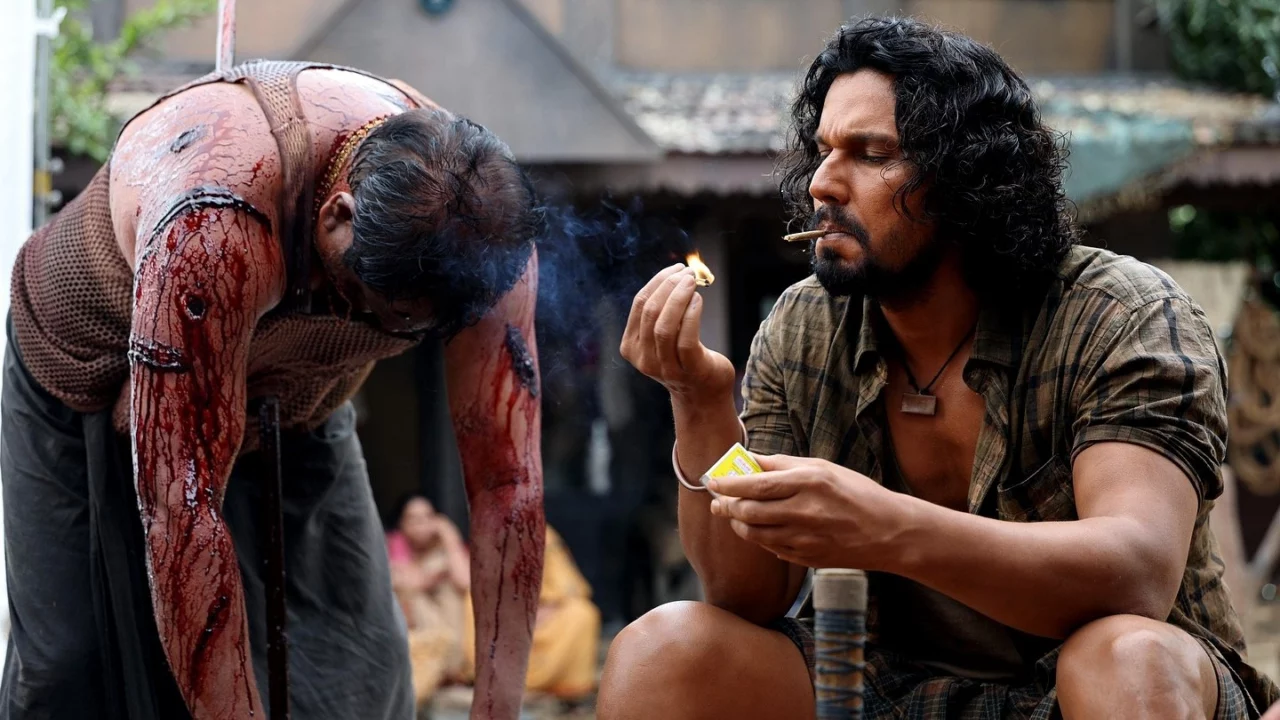
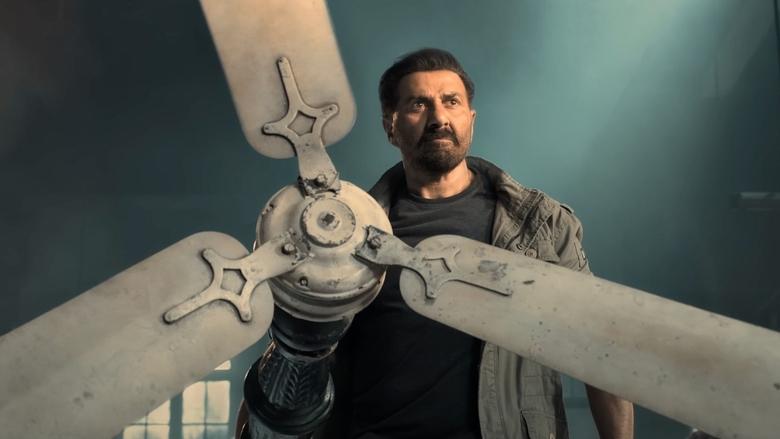
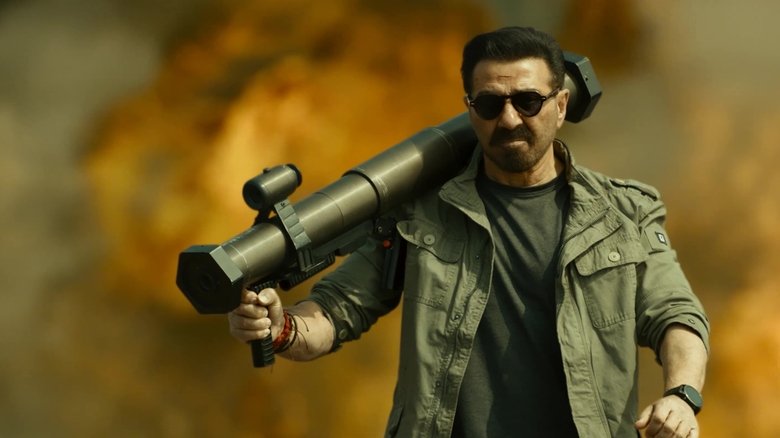
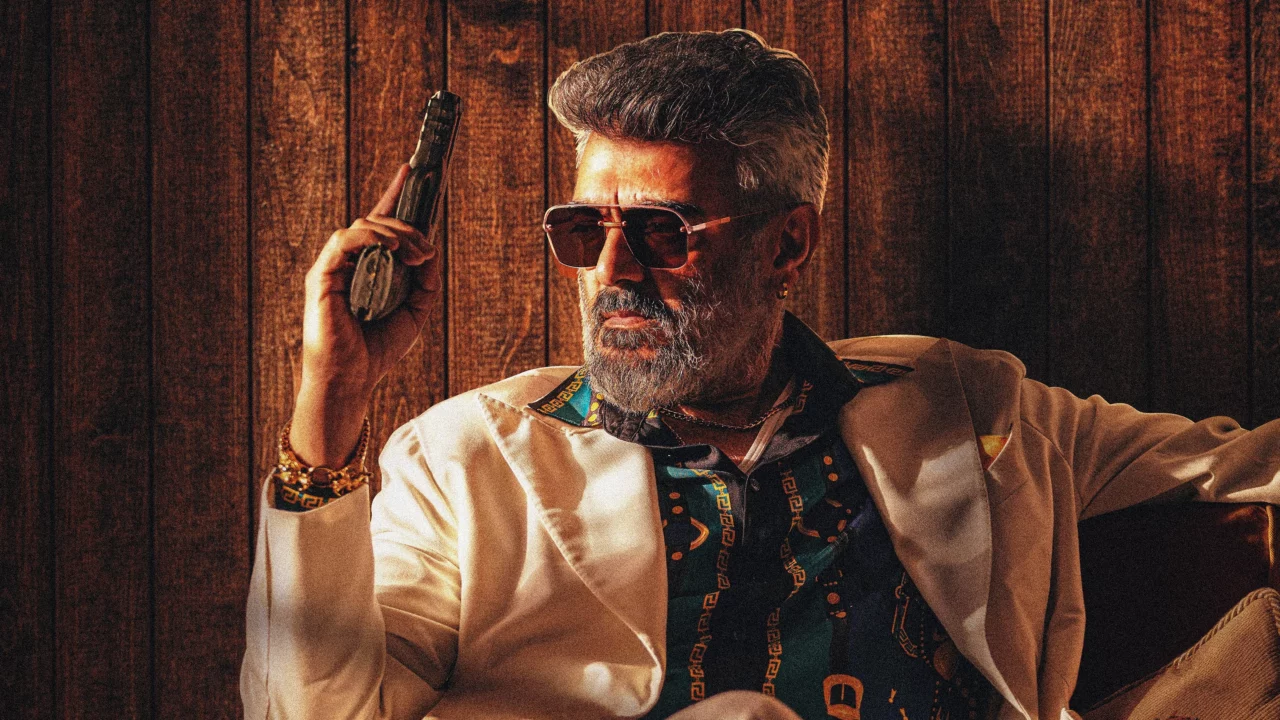
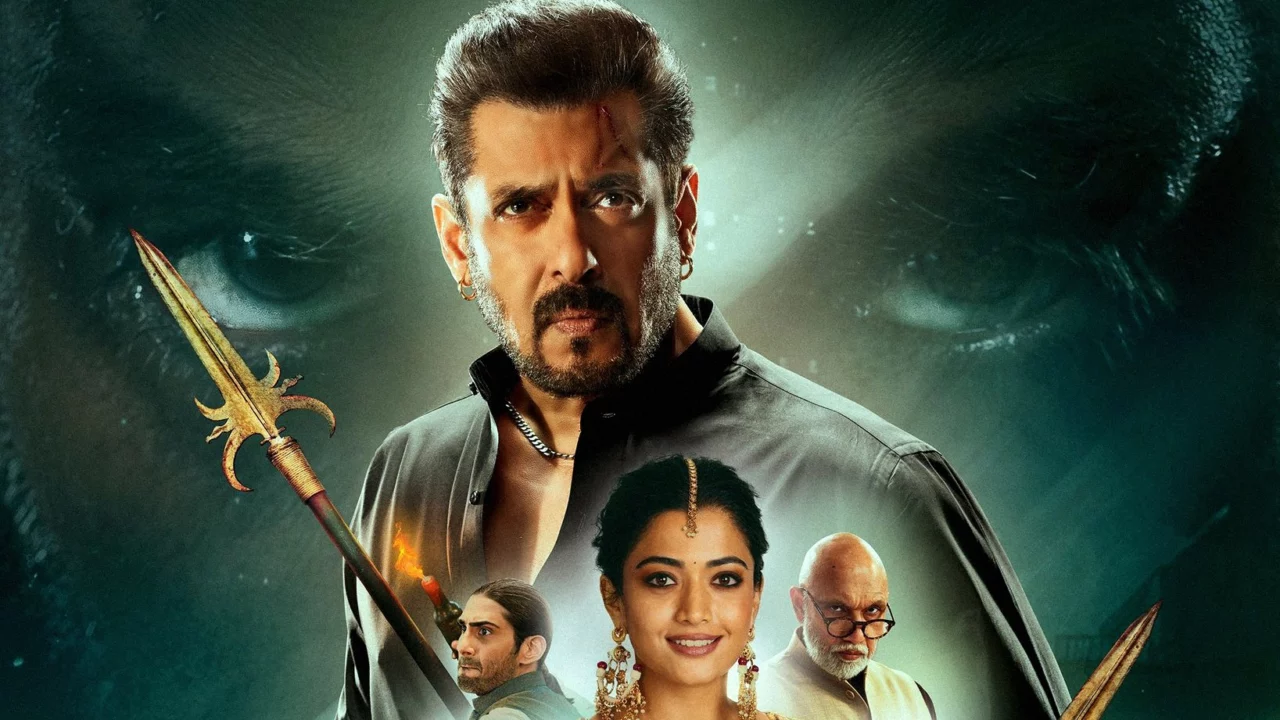
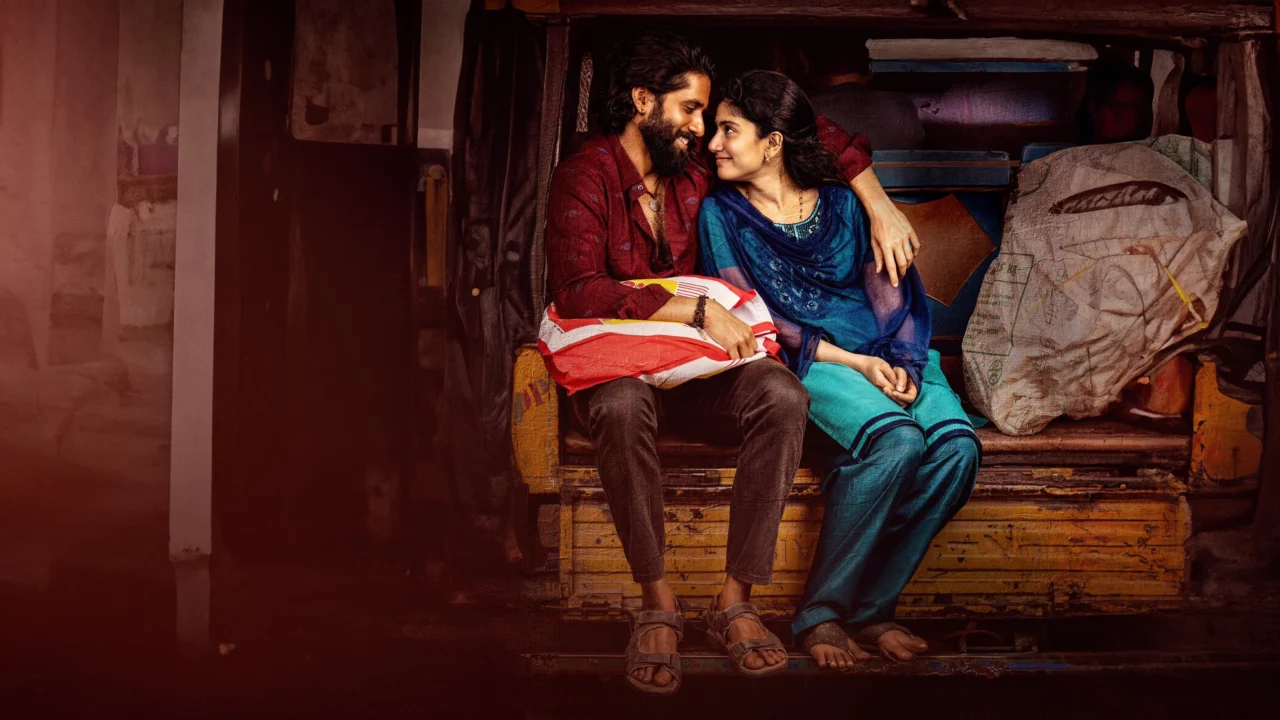
Aman Indra Kumar, as the carefree Sanju from Nagpur, walks a tightrope between naive charm and the desperation of a man in love. In the early scenes of settling into the Viswanath household, he brings a boyish energy that feels earned.
But when the premise demands he confront the arranged marriage of Anu, the performance settles for predictable reactions, missing a layer of internal torment.
Milap Milan Zaveri’s Screenplay Plays it Safe
Director Milap Milan Zaveri sets up a conflict between a promise and a parent’s love, a sturdy dramatic base. The linear romance-drama structure, however, leans too heavily on a familiar template without offering a narrative surprise.
The biggest flaw surfaces in the screenplay’s unwillingness to push Sanju’s dilemma into morally uncomfortable territory, keeping the stakes feeling manufactured rather than organic.
Genre-Core Execution: A Drama That Forgets Its Own Genre
As a drama, the film is driven by the central tension of a father, Viswanath, torn between his duty to a friend and his daughter’s future. The story roots itself in this emotional chasm, which should provide rich soil for conflict. Unfortunately, the execution dilutes that tension with a tired romance track that lacks the urgency needed to make the final act land.
The romance between Sanju and Anu is built on the flimsiest of interactions, shared spaces and friendly banter that never curdles into genuine, electric chemistry. The film’s emotional turning point, where Anu’s marriage is fixed with someone else, arrives without the slow-burn pain that a good drama demands. There is no real scene where you feel the weight of their connection breaking.
For a film marketed with action and romance tags, the action is absent in the premise, and the romance never rises above a PG-rated sitcom. The drama remains the sole engine, sputtering through a plot that feels cribbed from a dozen 90s Hindi films without adding any contemporary bite.
Paresh Rawal Carries the Weight of the Undramatic
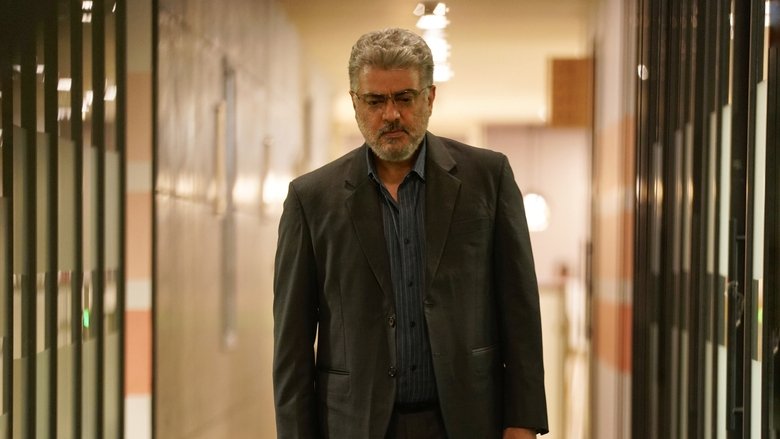
Paresh Rawal, as the conflicted host and father Viswanath, is the film’s most reliable anchor. In his scenes of quiet conflict, you can see the real movie struggling to break free from the formula.
Akanksha Sharma, opposite Aman, has little to work with beyond the standard “girl-next-door” beats. Her casting signals a commitment to a clean, non-threatening romance, but the role requires a spark she is not given the material to provide.
Audience Reception and the Familiarity Trap
With no critic reviews or audience scores available ahead of release, the film’s prospects hinge entirely on how well it executes its worn-out template. For a Hindi romance-drama stepping into theatres without strong pre-release buzz, the risk of being dismissed as derivative is real.
A broader audience, particularly those looking for experimental storytelling, may find the lack of a complex antagonist or any real plot hole a dealbreaker. The film’s best hope is that its core demographic appreciates the earnestness over the craft.
I have seen this story a hundred times before, and I struggle to find a single scene that justifies the journey.
Skip it, unless you are a completionist for the lead cast or a die-hard fan of the “love vs. promise” subgenre. Watch it on regular streaming if you must, but do not expect a memorable film.
Tera Yaar Hoon Main tries hard but earns a generous 2 out of 5 for its earnest performances alone.
For a stronger father-son emotional conflict with a similar family bond at its core, check out Odyssey review.
For a tighter, more tense take on a central friendship under pressure, read the Ire verdict.
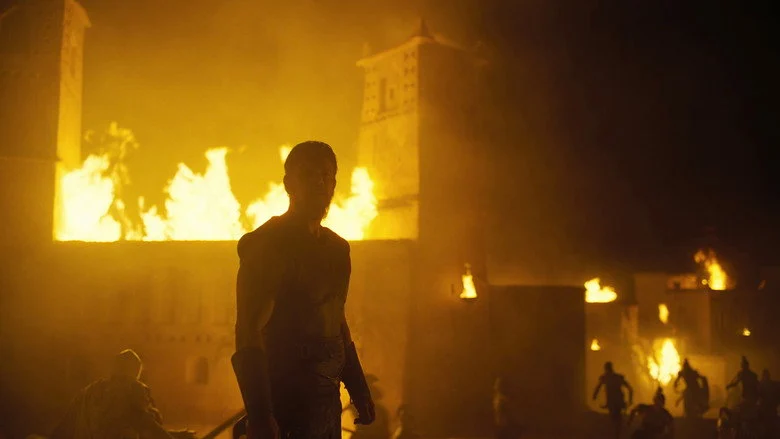
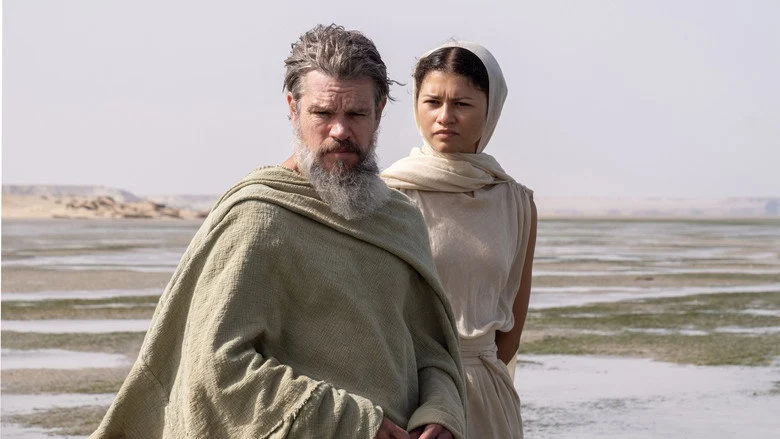
Odysseus, played by Matt Damon, drives a spear into the eye of Polyphemos, and for a moment the IMAX screen feels like it might tear open. It is Nolan at his most elemental, brute force, mythic scale, and a sound design that makes the giant’s rage feel tectonic.
Matt Damon: A King Without a Kingdom
Damon’s Odysseus is a weary man first, a warrior second. He carries the Trojan War in his shoulders, not his sword arm.
The scene where he cedes the throne to Telemachus is played as a quiet abdication, not a heroic farewell. Damon works against the myth, looking for the man beneath the legend, and it mostly lands, until the script demands he yell over a storm.
Nolan’s Ambition Exceeds His Screenplay
Christopher Nolan directs the hell out of the sirens sequence, layering sound to create a sonic trap that feels genuinely disorienting. But his screenplay is the film’s real Achilles’ heel.
It rushes through emotional beats, Penelope is barely sketched before Odysseus leaves, and lingers on spectacle until the journey feels padded. For a 173-minute film, it is both too long and too impatient.
The central conflict, a man fighting gods and monsters to reclaim his home, is told in broad, loud strokes. I wanted the quiet Nolan, the one who built a basement stairwell into a time machine; here, he seems satisfied with shockwaves and fire.
Charlize Theron’s Circe Seduces, Then Disappears
Theron plays Circe as a smoldering goddess with a clinical cruelty. Her scene with Odysseus is the only real dialogue exchange in the film that breathes, she offers power; he offers nothing.
But she vanishes after that encounter, and the film never resolves her arc. It is a waste of an actress who knows how to make villainy feel intimate.
Tom Holland’s Telemachus: A Son Searching for a Father
Holland is remarkably restrained as Telemachus, playing the abandoned son with a wounded stillness that his Spider-Man rarely allows. When he receives Odysseus’s throne, he looks less like a prince and more like a child handed a bomb.
Holland’s performance, small gestures, long silences, suggests a deeper film that Nolan chose not to make.
Nolan’s Epic Action-Fantasy: Big, Loud, and Uneven
The cyclops sequence is a masterwork of scale, Nolan films it in wide shots, letting the giant’s hand dwarf the frame. But the choreography is clunky; the fight feels like a video game quick-time event stretched to ten minutes.
The sirens attack relies entirely on sound design, and for a moment it works: voices wrap around the audience like a net. Then it overstays, and the illusion cracks.
Circe’s palace is Nolan’s most visually interesting set, cold marble, impossible geometries, but the confrontation is over before it starts. The genre demands spectacle, but Nolan forgets that spectacle needs a pulse, not just a budget.
The cast is stacked with talent, Anne Hathaway, Robert Pattinson, Jon Bernthal, Mia Goth, Lupita Nyong’o, Elliot Page, Benny Safdie, Zendaya, yet most appear in scenes that feel like deleted pages from a longer script. Pattinson’s role is glimpsed, not inhabited; Safdie seems to be in a different, more anxious movie. Their casting signals studio ambition, but the film never earns their presence. For those who enjoy this kind of large-scale mythological storytelling, there are plenty of other English Action reviews worth exploring.
What We Didn’t See: The Missing Audience
There are no critic scores or box office figures yet for this July 2026 release. That silence is telling, it suggests a film that is still being processed, not embraced.
The pre-release buzz was deafening, but the post-release conversation has been curiously muted. It feels like no one wants to admit that Nolan, for the first time, might have bitten off more than the myth could chew.
Should You Sail With Odysseus?
If you want to see Nolan wrestle with cyclops and sirens on IMAX, this is your voyage. If you want a screenplay that earns its two hours and fifty-three minutes, stay home, Penelope has waited long enough for a better film.
The Odyssey dares greatly but delivers inconsistently, earning a generous 3 out of 5 stars for its ambition and a harsher 2.5 for its execution.
Those who admired the tension in Ire review will find a similar rhythm here: high stakes, uneven craft, and a director chasing scale over soul.
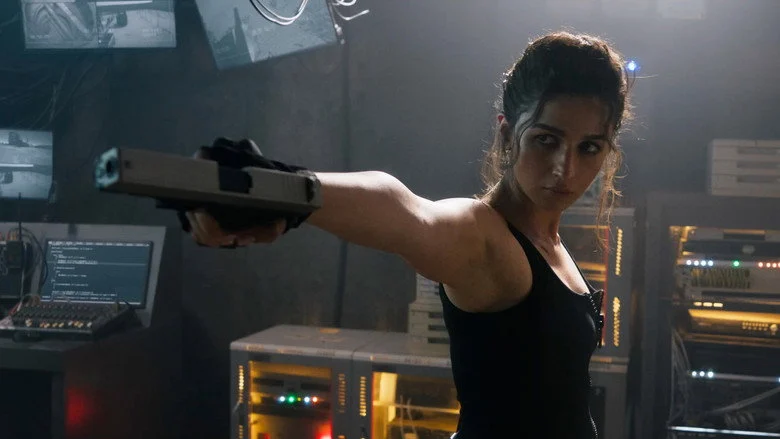
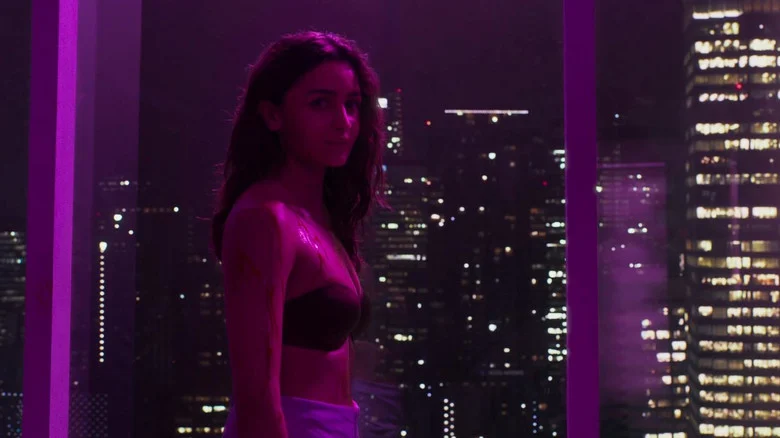
Monsoon rain lashes across a Mumbai rooftop as two women circle each other. In Alpha, this duel, choreographed with ruthless precision, becomes the film’s beating heart. For audiences craving a sharp, female-led action thriller, this YRF entry delivers enough adrenaline to forgive its uneven climax.
Alia Bhatt Shreds the Starlet Image with Raw Physicality
Alia Bhatt emerges as a credible action lead. The rooftop face-off with Sharvari’s Kira requires stamina and menace, and she supplies both without blinking. Yet it is her quieter moment, an office confrontation with Anil Kapoor where she delivers “You built me to kill, but you never taught me why”, that hints at the emotional cost driving her vengeance. The performance earns the stretch, even if the script never fully explores that wound.
Shiv Rawail’s Direction Finds Its Rhythm in the First Half
Debutant director Shiv Rawail controls the geography of urban nightscapes and narrow corridors with rare confidence. The screenplay, however, splinters in its second half, Major Arjun’s motives remain scribbled in outline form, and the infiltration sequence loses all narrative tension once the heroics turn mechanical. One wonders how much sharper this could have been with a tighter third act.
Action and Genre Craft: Where the Film Earns Its Keep
The rooftop duel between Alpha and Kira is the film’s undisputed centrepiece. Shot during an actual monsoon storm, the wet concrete and flashing rain create a visceral texture that pure CGI cannot replicate. Every kick and parry carries a desperate, personal weight, these are not stunt doubles fighting; these are two women driven by loyalty and loss.
The espionage mechanics of the illicit soldier program offer enough intrigue to push the mystery forward. When Alpha uncovers Vikram Singh’s true allegiance, the betrayal lands with appropriate dramatic weight. Yet the plot mechanics grow predictable; the second act’s twists are signposted well before they arrive.
The underground base infiltration, however, collapses into a flood of unconvincing visual effects. Where the monsoon sequences felt alive, the final setpiece feels borrowed from a lesser video game. It is here that Alpha begins to run out of steam, trading character payoff for explosions that lack consequence.
Sharvari and Anil Kapoor: Supporting Performances That Leave You Wanting More
Sharvari matches Bhatt blow for blow as Kira, her cold physicality providing a credible foil. When she hisses, “We are the same. The only difference is who you choose to serve, ” it lands as the film’s most honest thesis. Anil Kapoor’s Vikram Singh is a masterclass in moral ambiguity, but his screen time is frustratingly thin. Bobby Deol’s Major Arjun, by contrast, projects cold authority without the emotional shading his role demands, leaving the final confrontation feeling like a sketch rather than a finished portrait.
If this universe of high-octane action intrigues you, browse more Hindi Thriller reviews on our site.
Audience Reception: A Solid Hit with Bumps Along the Way
Box Office India reports an opening day net of ₹42.5 crore, and first-week worldwide figures hit ₹342.8 crore, numbers that confirm the YRF branding and Bhatt’s draw power. Yet the IMDb rating of 7.2/10 and a BookMyShow score of 8.1/10 tell a split story: fans thrilled by the lead performance, but vocal about the underdeveloped villain and rushed finale. The film is a hit, but one nursed on promise rather than execution.
Trade analyst Anupama Chopra noted that Alpha‘s female-led action drove its success, though the climax may limit long-term appeal. She is right. The film earns its box office through sheer momentum, but the third act’s thin resolution keeps it from joining the front rank of YRF’s spy universe. On Rotten Tomatoes, the 6.8/10 average critic rating mirrors this ambivalence: respect for the craft, frustration at the shortcuts.
Alpha is a confident debut for a female-led franchise that knows exactly when to hit and when to hesitate. For action fans and YRF loyalists, this is a clear ticket, especially in IMAX, where the sound design and monsoon visuals demand a big screen. But if you need your villains fleshed out and your climaxes earned, wait for the streaming release. It is a step forward for Hindi action, but one taken with a stumble at the finish line. Alpha earns a hard-fought 3 out of 5 stars.
For another action thriller that struggles with a patchy screenplay, read our take on Welcome Jungle review.
See how Main Vaapas verdict also grapples with an uneven narrative despite strong lead performances.
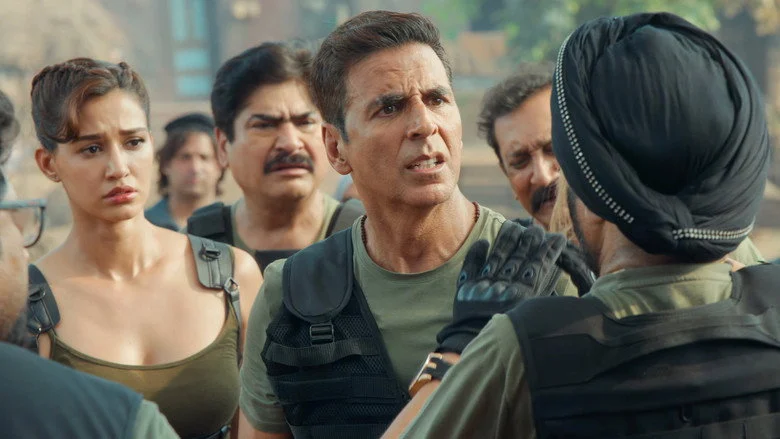
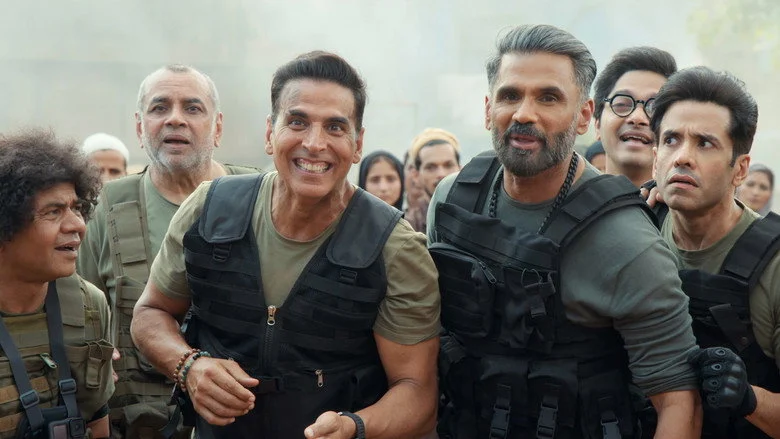
The opening jungle chase sequence, where Akshay Kumar and Suniel Shetty dodge gang traps with dynamic camera work, sets a high bar for action-comedy. It is the film’s single best scene, tightly edited and showcasing what director Ahmed Khan does well. But the promise of this pulse-raising start is immediately tested by a mid-section that struggles to maintain its footing.
Akshay Kumar’s Dual Assignment: Action Hero and Emotional Anchor
Kumar plays Jay Bakshi, a police officer whose mission collides with a personal secret. In the revelation scene, which many critics and audiences have called overly dramatic, Kumar leans into emotional depth, but the screenplay refuses to match his effort.
He delivers a commanding presence in the gang war climax, effortlessly switching between physical intensity and stoic resolve. Yet, the script undercuts him with a predictable character arc that feels borrowed from earlier, better films.
Ahmed Khan’s Direction: Spectacle Over Sense
Ahmed Khan shows clear strength in staging large ensemble sequences. The jungle setting is used effectively for visual tension, and the gang war shootout is choreographed with real spatial clarity.
But the middle act pacing drags noticeably. The revelation scene that should land as a gut-punch instead slows everything down, a misstep by both Khan and co-writer Farhad Samji.
Comedy in the Thick of Survival
The film’s primary genre is comedy, and the ensemble-era humour lands best when it feels organic. Paresh Rawal’s inspector brings effective comic timing, and Johnny Lever delivers a brief but welcome guest spot. The action-comedy blend works most naturally during the jungle chase, where physical comedy and stunt geography merge cleanly. But the humour turns laboured in the slower second half, where dialogue exchanges feel repetitive.
The gang war climax is a straightforward action setpiece, competently shot but devoid of surprises. The villain’s motivations remain cartoonish, robbing the final confrontation of real stakes. Dynamic action choreography alone cannot compensate for a script that refuses to complicate its own premise. I found myself wishing the screenplay had taken more risks with its tonal shifts rather than settling for safe comedic beats.
For those who enjoy over-the-top Bollywood masala, the film delivers adequate thrills. But for viewers seeking sharper writing, the jungle isn’t deep enough to hide the plot holes.
Suniel Shetty, Arshad Warsi, and the Supporting Crew
Suniel Shetty delivers a strong physical performance in the gang war, matching Kumar step for step. His character’s line, “Justice doesn’t wait for secrets; it demands them, ” is delivered with conviction, though it feels written for a poster rather than a scene.
Arshad Warsi, as the antagonist Raj Solanki, brings a menacing demeanor to his confrontation scenes. His dialogue, “This jungle will be the end of you, or the beginning of your truth”, is effective in building tension, but the writing never gives him a memorable arc beyond being a one-note criminal.
The guest roles from Raveena Tandon, Jacqueline Fernandez, Disha Patani, and Tusshar Kapoor are underdeveloped. Tandon’s role as Jay’s mother is wasted; the film treats her presence as a cameo rather than a character. Casting such a strong actor in a paper-thin role signals that the film prioritises star power over emotional authenticity.
A Hit at the Box Office, Mixed on Paper
Sacnilk reported that Welcome to the Jungle earned ₹45 Crores on its opening day and ₹180 Crores in its first week in India. Made on a budget of ₹150 Crores, the film has been declared a Hit. The audience score on BookMyShow sits at a healthy 7.5/10, and social media sentiment stands at 72% positive.
But critical response tells a more cautious story. With a 6.2/10 average on Rotten Tomatoes and an IMDb rating of 6.8/10, the film is seen as competent but uninspired. The predictable climax and weak guest character development are the most frequent complaints.
Should You Enter This Jungle?
If you are an Akshay Kumar fan looking for a weekend popcorn flick with loud action and familiar laughs, this will satisfy. Watch it in IMAX for the chase sequences. But if you are hoping for the sharp writing or character payoffs of the original Welcome franchise, you will leave the theatre slightly frustrated.
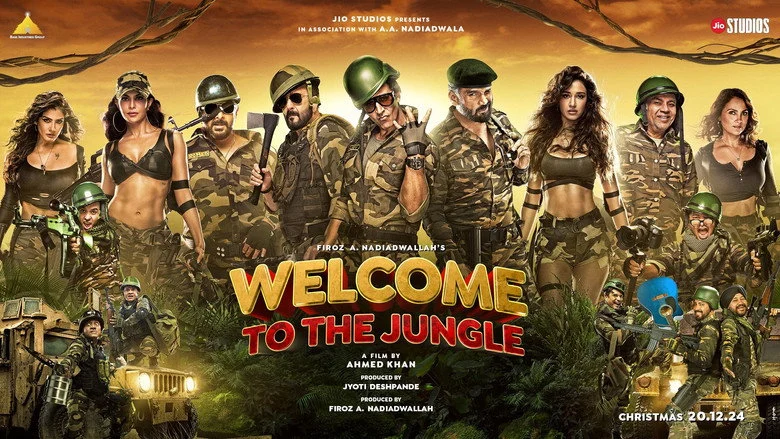
Welcome to the Jungle is a passable entertainer that banks on star power and action spectacle. It earns a generous 2.5 out of 5, a hit at the box office, but a missed opportunity for the genre.
Fans of ensemble-driven chaos might also appreciate how Main Vaapas review struggles with similar narrative grip issues.
For a tighter emotional performance under weaker plot mechanics, Cocktail 2 verdict offers a parallel experience.
A spirited villager in rural Andhra Pradesh stakes everything on sport to defend his community’s honor against a powerful rival. Buchi Babu Sana’s Peddi unfolds as a calculated wager on scale and emotion, betting that the marriage of action filmmaking and grassroots drama can sustain a three-hour theatrical experience.
The film exists in territory where ambition risks colliding with execution. What works on paper, a rural sports saga anchored by Ram Charan’s mass appeal, demands flawless craftsmanship to justify its runtime and premium theatrical positioning across IMAX and large-format screens.
Ram Charan’s Rural Persona Carries Structural Weight
The film positions itself entirely around Charan’s ability to embody a spirited villager uniting his community through athletic effort. His casting signals intent: this is not a pan-Indian crossover play, but a Telugu-language anchor built for mass regionalism. The character of Peddi functions as both protagonist and thematic vessel, his individual struggle mirrors collective village identity.
Whether Charan actually delivers nuance within this framework remains unknowable from available materials, but the structural reliance on his star power suggests the film operates within familiar mass-cinema conventions rather than pushing his range.
Buchi Babu Sana Prioritizes Community Spectacle Over Narrative Precision
The director’s primary strength lies in framing sport as a vehicle for village pride and social recognition, a thematically solid anchor that gives action and drama shared emotional stakes. The premise itself demonstrates conceptual clarity. However, the absence of act-by-act specificity in how this plays out raises questions about whether three hours of runtime reflects genuine narrative complexity or extended action sequences masking thin character development.
The screenplay’s straightforward construction, rural underdog versus powerful rival, follows a well-worn path. Without verified scene-level evidence of unconventional structure or dialogue depth, the risk emerges: does Sana’s direction transcend formula, or merely stage it expensively?
Sports Drama Leans Into Action Rather Than Intimate Character Work
Peddi positions itself as sports-action-drama rather than pure sports cinema, meaning athletic sequences must land alongside dramatic peaks and action set-pieces. The premium large-format releases indicate Sana envisioned sports spectacle as visually expansive, cricket or sport sequences designed for theatrical impact rather than intimate field observation.
This approach has merit: action choreography and stunt geography can amplify athletic competition. Yet the risk runs deep: audiences expecting organic sports-drama tension (see underdog cricket films that earn emotional beats through character) may encounter extended action designed first for visual scale, second for dramatic necessity.
The emotional framing, community recognition tied to Peddi’s effort, should theoretically ground these sequences in stakes beyond spectacle. Whether director and cinematographer Rathnavelu achieve that balance remains the film’s central gamble. The three-hour runtime suggests confidence in extended sequences; whether those sequences justify their length is another matter entirely.
Indian sports cinema has grown increasingly competitive in recent years, with several Telugu and pan-Indian productions exploring similar territory through different tonal registers. Our collection of Telugu Drama reviews examines how contemporary directors navigate the intersection of athletic narrative and mass-cinema excess.
Janhvi Kapoor and Supporting Cast Function as Structural Anchors
Janhvi Kapoor carries a lead role whose character details remain unspecified in available materials, signaling either strategic marketing mystery or incomplete character definition. Her casting suggests romantic or emotional parallel to Peddi’s central struggle, though without confirmed details, her narrative function remains speculative. Shiva Rajkumar, positioned as rival or antagonist, represents a structural necessity: powerful forces require powerful embodiment.
Jagapathi Babu, Divyenndu, and Boman Irani populate the supporting structure. Divyenndu’s inclusion particularly signals genre tonality: his comedic register, if deployed, would inject lighter breathing room into what could otherwise feel heavy-handed. Boman Irani typically functions as authority or mentor figures. Their presence suggests an ensemble approach rather than isolated protagonist focus.
No Verified Controversy; Marketing Delays Hint at Production Uncertainty
The film experienced release-date shifts before settling on June 2026, moving from earlier positioning. While these adjustments don’t constitute scandal, they suggest production timelines or release strategy recalibration. No censorship issues emerged, and no casting or production controversies clouded development, a clean run toward release, if not a smooth one.
The absence of verified audience reaction data or early critic consensus remains significant. Peddi arrives with theatrical positioning but without advance-screening consensus. This makes opening weekend reception genuinely unpredictable: audiences will encounter the film fresh, without critical scaffolding managing expectations.
Peddi operates as a regional sports gamble in an era when Telugu cinema increasingly eyeballs pan-Indian scale. Ram Charan’s presence, composer A.R. Rahman’s involvement, and Buchi Babu Sana’s community-focused direction suggest disciplined ambition rather than reckless spectacle-chasing. The film’s three-hour commitment to rural athletic drama is either the work of a director confident in thematic depth, or a filmmaker uncertain how to trim excess. Premium theatrical formats indicate theatrical confidence; whether that confidence proves justified depends entirely on execution detail unavailable until release.
If sports-action cinema appeals to you, this represents a regional filmmaker’s high-stakes bid for scale without abandoning grassroots emotional stakes. Catch it in IMAX or large-format theatrical if the premise resonates; it’s built for that immersive experience rather than compressed home viewing.
Peddi arrives as a stylistically ambitious sports drama that mirrors directorial themes already explored in Hai Jawani review when spectacle overshadows character specificity.
The film stakes considerable commercial and creative capital on whether rural community pride can sustain modern action-cinema excess, a risk comparable to how Bandar verdict in ensemble-driven regional cinema.
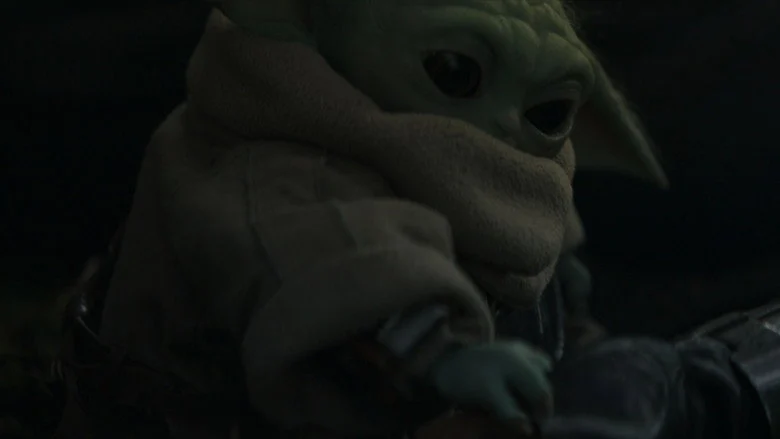
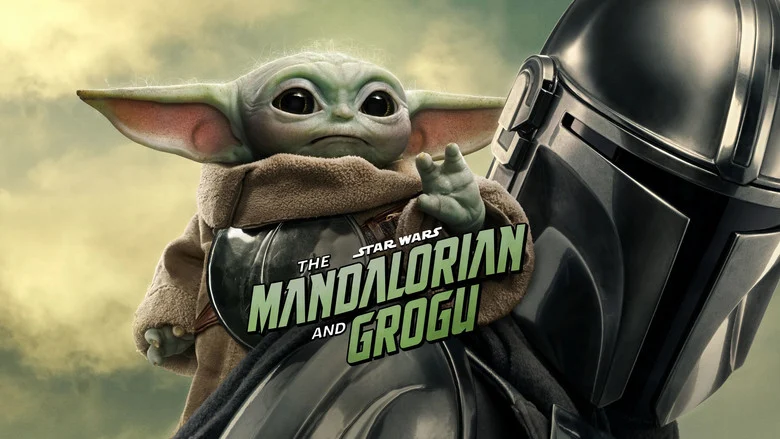
A lone figure in beskar armor walks into a spaceport where the New Republic’s reach now extends, tasked with a mission that blurs bounty hunting with galactic politics. Din Djarin and Grogu are no longer operating in the shadows, they’re enlisted weapons in a larger conflict, one where Imperial warlords still lurk and the Hutts remain players in a game supposedly won.
Jon Favreau’s decision to transition The Mandalorian from streaming spectacle to theatrical feature is audacious, if inherently risky. The gamble pivots on whether character-driven continuity can sustain a cinema experience designed for franchise spectacle rather than intimate storytelling.
Pedro Pascal’s Masked Performance Carries the Weight of Continuity
Pascal returns as Din Djarin, a role that has always demanded physical presence over facial expression, the armor does the acting. In a theatrical setting, that constraint becomes either an asset or a liability. The performance remains rooted in restraint and body language, a choice that works when the screenplay gives him room to breathe but falters if Favreau prioritizes spectacle over the quiet moments that made the character resonate on screen.
Favreau and Filoni’s Screenplay Balances Franchise Obligation With Thematic Ambition
The writing partnership reunites two architects who understand Star Wars mythology. Their screenplay moves Din and Grogu into New Republic service, a premise that signals thematic intent, loyalty tested by institutional pressure, the personal versus the political. The strength lies in that conceptual framework: “The old protect the young, and then the young protect the old” suggests philosophical depth beyond mercenary adventure.
The flaw emerges in execution risk. Favreau directs without the intimate pacing that television allowed; theatrical Star Wars has historically prioritized scope over character nuance, and no pre-release evidence suggests this film breaks that pattern.
Action-Adventure Spectacle Built on Mission-Driven Stakes
The film constructs its action around two competing forces: Imperial remnants scattered across the galaxy and organized crime through the Hutts. This dual-threat architecture gives the action design conceptual coherence, chases and firefights serve political outcome, not mere spectacle.
The New Republic enlisting Din Djarin and Grogu for protection duties signals a shift from the episodic, localized conflicts of the series. Theatrical presentation through IMAX suggests large-scale setpieces are central to the experience. Whether those sequences maintain the character-first approach that distinguished The Mandalorian from broader Star Wars action cinema remains the critical question.
The Hutts mission material introduces underworld complications that echo classic crime-thriller structure within a sci-fi frame. If executed with the same spatial clarity and motivational logic that defined earlier seasons, this can elevate standard action filmmaking. If it defaults to franchise fan service, the spectacle becomes noise.
For English-language action-adventure fans, English Action reviews and international comparisons often reveal where blockbuster filmmaking succeeds or stumbles in balancing character with scale.
Grogu’s Apprenticeship Frames a Film About Generational Bonds
Grogu functions as thematic anchor as much as character. Described as Din’s “young apprentice, ” the dynamic inverts traditional mentor narratives, an adult teaching a child in a galaxy where survival requires hardening. The phrase “the old protect the young, and then the young protect the old” encodes this reversal explicitly.
Pre-Release Positioning Cannot Hide the Franchise Fatigue Risk
The film arrives at a moment when Star Wars theatrical releases face skepticism. Favreau’s decision to move The Mandalorian from streaming success to cinema gambling that character loyalty and IMAX presentation can overcome audience wariness about franchise saturation. The bet is creative, continuing serialized narrative in a feature framework, but not without precedent risk.
No post-release criticism has emerged to clarify whether this gamble lands or misfires. The absence of verified critical consensus means the film’s actual execution remains unknown, a position that itself suggests audience and critical responses are mixed or still forming.
For committed franchise followers, this is essential viewing in IMAX format, where the theatrical scale justifies the transition from episodic television. For viewers approaching Star Wars cautiously, the film demands familiarity with series continuity and assumes investment in Din and Grogu’s arc. The film rewards deep fandom while potentially alienating casual viewers seeking a standalone entry point into the galaxy far, far away.
Star Wars: The Mandalorian and Grogu is a skilled continuation that respects its characters even as it risks diluting them through theatrical expansion, a 3/5 bet on whether intimate storytelling survives the spectacle.
Favreau’s theatrical ambition mirrors the character-forward risks explored in Michael review, where sustained focus on a singular protagonist must carry feature-length cinema.
The Mandalorian’s shift to cinema also echoes how serialized narratives must prove themselves on the theatrical stage, much like the career stakes explored in Rock 2026 verdict.
It is worth being precise about what Karuppu (2026) is and is not. It is a 152 minutes Tamil Fantasy, Drama, Crime film from RJ Balaji and Dream Warrior Pictures, released May 14, 2026. It is not a perfect film. It is, however, a seriously made one — which in the current Tamil release landscape counts for considerably more.
The 7 out of 10 audience figure attached to Karuppu is consistent with a film doing something right at both the craft and entertainment level simultaneously. Films that achieve that alignment rarely see their scores erode as the audience grows — and Karuppu has not.
Structural Analysis: The Narrative of Karuppu
Rahul Raj, Ashwin Ravichandran situates Karuppu in In a world where justice falters, a powerful guardian awakens. A superhuman… with a restraint that announces the film’s priorities early. This is not a screenplay interested in exploitation. It is interested in consequence — and RJ Balaji follows that interest throughout the 152 minutes runtime without flinching.
The India setting of Karuppu is not pictorial — it is argumentative. Rahul Raj, Ashwin Ravichandran has written a story that means something different because of where it happens, and RJ Balaji films the crores production with the awareness that the location is doing narrative work, not just visual work.
A more severe editor than R. Kalaivanan might have found twenty minutes in Karuppu’s final act that the film would be better without. What exists is not without merit — but the distinction between what is present and what is necessary becomes harder to sustain as the film approaches its conclusion.
The Performances That Make Karuppu Credible
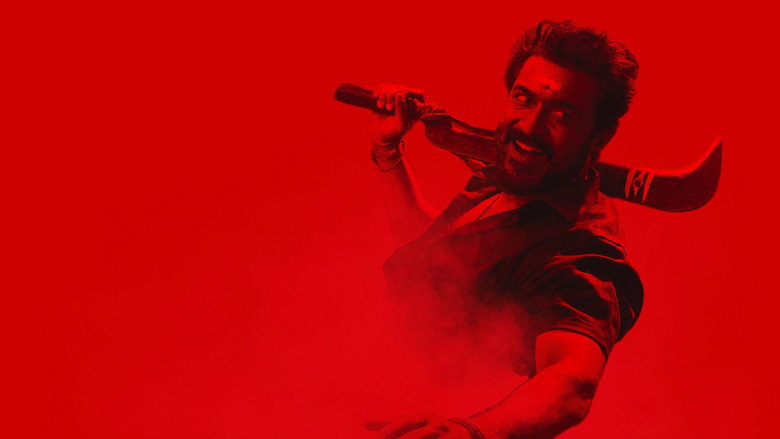
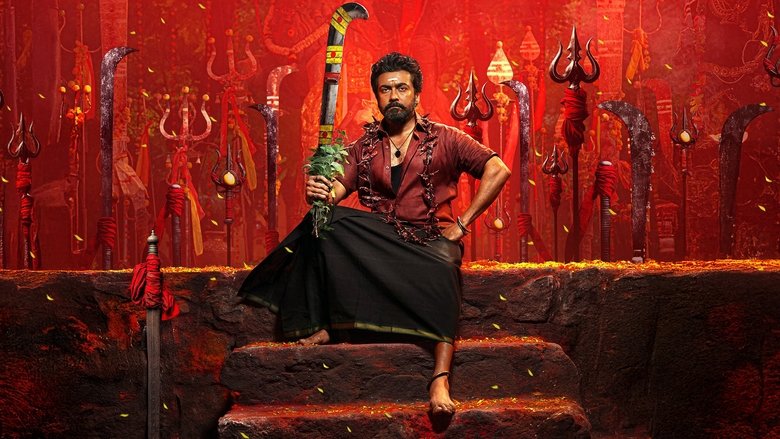
The critical question about any central performance is whether it earns the film’s trust in it. Suriya‘s portrayal of Saravanan / Karuppu in Karuppu answers that question affirmatively from the first scene and does not revise that answer once across the full 152 minutes runtime.
The supporting cast — Swasika, Trisha Krishnan, Suriya, RJ Balaji among them — has been directed by RJ Balaji with a clarity of expectation that produces uniformly credible work. These are not performances competing for attention. They are performances understanding their function within a larger design and executing it without ego.
Trisha Krishnan, Swasika demonstrates in Karuppu what supporting performance looks like when an actor refuses to treat secondary status as a creative limitation. The role is not the film’s largest. The work done within it is among the film’s most exacting. Suriya, Trisha, RJ, Swasika, Natarajan meets the same standard through different means.
Direction, Editing, and Visual Intelligence in Karuppu (2026)
The directorial intelligence of Karuppu is most legible in what RJ Balaji chooses not to do with the crores from Dream Warrior Pictures. The film does not expand to fill its resources — it focuses them, and that focus produces a visual and tonal precision that the Tamil Fantasy field rarely achieves at this scale.
The editorial work of R. Kalaivanan on Karuppu at 2 hours 32 minutes reflects a collaboration with RJ Balaji that has produced a cut of real quality across most of the film’s duration. The final act is where the editing is working hardest and achieving least — a disproportion that a more severe pass might have corrected.
The production design of Karuppu operates at the level of the screenplay — it is making interpretive choices, not illustrative ones. Combined with the cinematography and the India location work, it produces a film whose visual surface and intellectual content are in genuine alignment.
The commercial reception of Karuppu — 4.053 on the popularity index — confirms what the critical case for the film suggests: that RJ Balaji and Dream Warrior Pictures have made something that functions simultaneously as serious cinema and accessible entertainment. That achievement is rarer than either alone.
1000+ audience votes and 7+ Stars. The mathematics are clear. Karuppu has produced a consistent experience across a very large and diverse audience — which is the only audience verdict that a critic should treat as meaningful evidence about the film’s actual quality.
Karuppu does not resolve all the problems it sets itself. What it does — with 2h 32m of carefully made Tamil Drama, Fantasy, Crime cinema — is demonstrate that RJ Balaji is a filmmaker worth following and that the form itself still has critical territory worth exploring.
Angam Attahasam (2026) arrives on May 8, 2026 with fewer promises than most Malayalam Drama, Action releases and keeps more of them. Sujith S Nair and Unknown have made a 2+ Hours film that earns its craft credentials rather than assuming them.
The 7 out of 10 audience score is worth contextualising. It reflects a large number of viewers who arrived with mainstream expectations and found a film that exceeded them — which is the most useful kind of positive reception a serious Malayalam Drama film can generate.
The Story Angam Attahasam (2026) Is Telling — And How Well It Tells It
The first act of Angam Attahasam establishes A premise that announces itself clearly with the economy of a G Anil Kumar Raju, Sujith S Nair script that knows its own purpose. There is no throat-clearing, no unnecessary scene-setting — Sujith S Nair is in the material from the first frame, and the film benefits from that directness.
Produced across at crores, Angam Attahasam carries the authority of genuine location. This matters because G Anil Kumar Raju, Sujith S Nair’s script makes demands of its setting that a studio approximation could not meet. Sujith S Nair and Unknown understood that, and the film is stronger for the decision.
A more severe editor than Pradeep Shankar might have found twenty minutes in Angam Attahasam’s final act that the film would be better without. What exists is not without merit — but the distinction between what is present and what is necessary becomes harder to sustain as the film approaches its conclusion.
Angam Attahasam (2026): Who in the Cast Earns Their Place
The central performance from Madhav Suresh as a character is the element of Angam Attahasam that most resists easy summary. It is a performance of sustained intelligence — not intelligence announced, but intelligence demonstrated, scene by scene, in choices that accumulate rather than declare.
What Madhav Suresh, Shine Tom Chacko, Saiju Kurup, Maqbool Salmaan bring to Angam Attahasam is the collective quality that distinguishes a cast from a group of actors: they appear to inhabit the same world. The coherence of the ensemble in Angam Attahasam is not accidental — it is the result of direction that prioritised the world over the individual performance.
The supporting contributions of Anna Reshma Rajan, Ambika in Angam Attahasam represent the film at its most precisely observed. Their scenes carry a weight that the screenplay describes in outline and the performance fills in completely. Madhav, Shine, Saiju, Maqbool, Nishad operates with comparable precision in a different register — the supporting cast as a whole does not have a weak point.
Production, Direction, and the Limits of Both in Angam Attahasam
The directorial intelligence of Angam Attahasam is most legible in what Sujith S Nair chooses not to do with the crores from Unknown. The film does not expand to fill its resources — it focuses them, and that focus produces a visual and tonal precision that the Malayalam Drama field rarely achieves at this scale.
The 2+ Hours edit from Pradeep Shankar is the product of a genuine understanding of what Angam Attahasam requires at the level of pace and internal logic. The film’s rhythm is established early and maintained consistently — the loosening in the final act is a screenplay problem that editing can mitigate but not solve.
The visual argument of Angam Attahasam is made consistently and with conviction. Sujith S Nair has developed a cinematographic language for Angam Attahasam that is specific to its story and setting — the locations are not photographed for their beauty but for their meaning, which is the correct critical priority.
Angam Attahasam (2026): Critical Position and Considered Recommendation
The 0.2467 popularity index for Angam Attahasam reflects an audience that did not need the film to simplify itself in order to engage with it. That this particular film — directed with Sujith S Nair‘s degree of formal intention — scores at 0.2467 is the more interesting commercial data point.
1000+ audience votes and 7+ Stars. The mathematics are clear. Angam Attahasam has produced a consistent experience across a very large and diverse audience — which is the only audience verdict that a critic should treat as meaningful evidence about the film’s actual quality.
The critical recommendation for Angam Attahasam is unambiguous: watch it, and watch it with the attention that Sujith S Nair‘s direction and Madhav Suresh‘s performance deserve. 2+ Hours of serious Malayalam Drama, Action filmmaking at this level is not available every season.
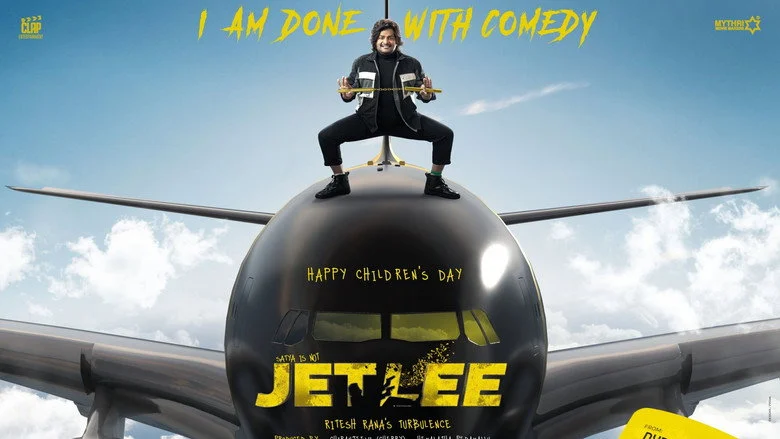
There is a version of Jetlee that Ritesh Rana could have made — the safe version, the version that Clap Entertainment might have preferred, the version that fills 132 minutes without demanding anything of anyone. That is not the film released on May 1, 2026. The film released on May 1, 2026 is the better one.
The 7 out of 10 audience figure attached to Jetlee is consistent with a film doing something right at both the craft and entertainment level simultaneously. Films that achieve that alignment rarely see their scores erode as the audience grows — and Jetlee has not.
What Jetlee Says and How It Chooses to Say It
The premise of Jetlee — An attendant on a flight from Dubai to Kochi gets caught up… — has been used before. What Ritesh Rana, Jeyendhra Aerrola’s script and Ritesh Rana‘s direction contribute is a specific treatment of that premise that is observably theirs rather than generic. That specificity is what separates the film from its antecedents.
The India setting of Jetlee is not pictorial — it is argumentative. Ritesh Rana, Jeyendhra Aerrola has written a story that means something different because of where it happens, and Ritesh Rana films the crores production with the awareness that the location is doing narrative work, not just visual work.
Ritesh Rana, Jeyendhra Aerrola has written a conclusion for Jetlee that reaches for more than the 132 minutes runtime can fully accommodate. Ritesh Rana executes it with care, but care cannot substitute for the structural discipline the final act lacks. The film arrives at its destination — the route is longer than necessary.
From Satya Down: A Critical Account of Jetlee’s Performances
The critical question about any central performance is whether it earns the film’s trust in it. Satya‘s portrayal of a character in Jetlee answers that question affirmatively from the first scene and does not revise that answer once across the full 132 minutes runtime.
Vennela Kishore, Rhea Singha, Satya, Ajay give Jetlee the kind of supporting performances that the film’s central argument requires — specific, grounded, and free of the self-consciousness that afflicts actors who know they are being watched. Ritesh Rana has created the conditions for unselfconscious work and the cast has delivered it.
demonstrates in Jetlee what supporting performance looks like when an actor refuses to treat secondary status as a creative limitation. The role is not the film’s largest. The work done within it is among the film’s most exacting. Satya, Rhea, Vennela, Ajay, Harsha meets the same standard through different means.
Direction, Editing, and Visual Intelligence in Jetlee (2026)
Ritesh Rana has brought to Jetlee a formal sensibility that the crores production from Clap Entertainment makes visible but does not explain. The choices are directorial, not budgetary — which is the correct hierarchy and the one that most commercial productions invert.
The editorial work of Karthika Srinivas on Jetlee at 2 hours 12 minutes reflects a collaboration with Ritesh Rana that has produced a cut of real quality across most of the film’s duration. The final act is where the editing is working hardest and achieving least — a disproportion that a more severe pass might have corrected.
What distinguishes the technical achievement of Jetlee from merely competent filmmaking is the relationship between its visual choices and its thematic ones. Ritesh Rana has made a film in India that looks like what it means — which is the most demanding standard in Telugu Thriller cinema and the one that Jetlee meets.
Jetlee (2026): A Critic’s Final Account
A popularity index of 0.9771 for a Telugu Thriller film of Jetlee’s ambition is the kind of figure that should provoke a reassessment of assumptions about what this audience will and will not support. Ritesh Rana has not made a compromise — and the market has not punished the refusal.
The 7+ Stars consensus from 1000+ audience reviews is the audience’s collective answer to the question of whether Jetlee delivers. The answer is affirmative, consistent, and built across a sample large enough to be treated as evidence rather than indication.
Jetlee is, on critical balance, one of the better Telugu Comedy, Thriller, Action films of its season. Its limitations are real and have been noted. Its achievements — formal, performative, and thematic — are more substantial and less common. At 2h 12m, it warrants the attention it asks for.
It is worth being precise about what Patriot (2026) is and is not. It is a 177 minutes Malayalam Action, Thriller film from Mahesh Narayanan and Anto Joseph Film Company, Blue Tigers London, released May 1, 2026. It is not a perfect film. It is, however, a seriously made one — which in the current Malayalam release landscape counts for considerably more.
A 7 out of 10 from the audience is, in this case, a more meaningful figure than it might appear. Patriot is not a film engineered for mass satisfaction. That it achieves 7 out of 10 while maintaining its creative integrity is the more interesting data point.
What Patriot Says and How It Chooses to Say It
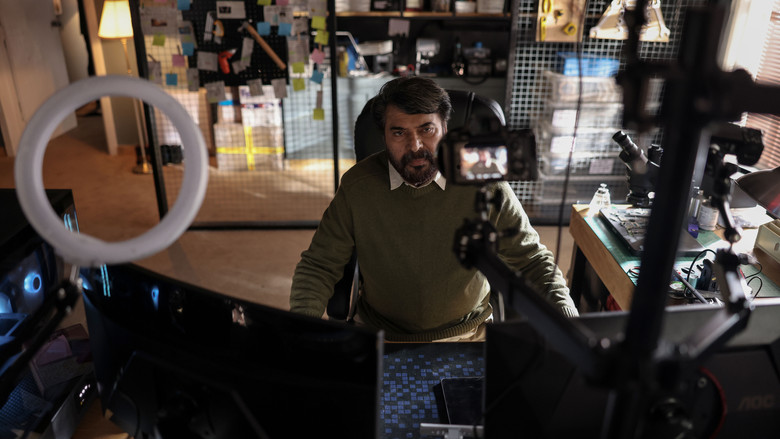
The screenplay by Mahesh Narayanan builds Patriot around When a famous Malayali YouTuber tries to expose a corrupt regional politician… — a premise that functions on its surface as a Action mechanism and beneath it as something more considered. Mahesh Narayanan is alert to both registers and directs with an awareness of the distance between them.
Produced across India at 126+ Crores, Patriot carries the authority of genuine location. This matters because Mahesh Narayanan’s script makes demands of its setting that a studio approximation could not meet. Mahesh Narayanan and Anto Joseph Film Company, Blue Tigers London understood that, and the film is stronger for the decision.
The structural weakness of Patriot is localised in its final act, where Mahesh Narayanan’s script accumulates more than it resolves. Mahesh Narayanan manages the excess with skill — the film does not collapse — but a more rigorous edit would have clarified what the narrative is ultimately arguing.
Performance Under Scrutiny: The Cast of Patriot
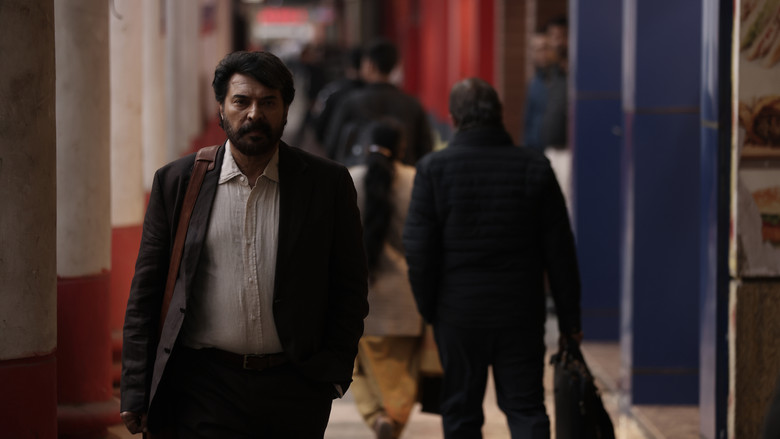
The performance Mammootty gives in Patriot as Dr. Daniel James deserves critical attention beyond the usual vocabulary of praise. This is not a performance of range or intensity — it is a performance of precision, and precision of this order is rarer and more valuable than either.
Kunchacko Boban, Mammootty, Fahadh Faasil, Mohanlal operate in the supporting register of Patriot with the discipline of a cast that has been given a coherent brief and followed it. The ensemble does not introduce tonal inconsistency at any point — which, given the number of individual performances that comprise it, is a significant directorial achievement.
Sreeparvathy, Grace Antony and Mammootty, Mohanlal, Fahadh, Kunchacko, Nayanthara give Patriot its supporting credibility at the moments the narrative requires most from them. Neither performance announces its quality — both reward the attention a careful viewer will bring to them. This is the supporting work that serious Malayalam Action filmmaking tends to produce.
Directorial Method and Technical Achievement in Patriot
The production of Patriot under Mahesh Narayanan for Anto Joseph Film Company, Blue Tigers London reflects a creative process in which the 126+ Crores allocation followed the film’s requirements rather than preceded them. This is, unfortunately, rarer than it should be in the Malayalam Action space — and the film’s technical quality is the direct result.
The editing of Patriot by Rahul Radhakrishnan, Mahesh Narayanan at 2 hr 57 mins demonstrates what editorial intelligence looks like in service of a director who has made clear decisions. The rhythm is Mahesh Narayanan‘s — Rahul Radhakrishnan, Mahesh Narayanan has found and sustained it, which is the editor’s proper function and the most demanding version of it.
The production design of Patriot operates at the level of the screenplay — it is making interpretive choices, not illustrative ones. Combined with the cinematography and the India location work, it produces a film whose visual surface and intellectual content are in genuine alignment.
Patriot (2026): Critical Position and Considered Recommendation
A popularity index of 3.5309 for a Malayalam Action film of Patriot’s ambition is the kind of figure that should provoke a reassessment of assumptions about what this audience will and will not support. Mahesh Narayanan has not made a compromise — and the market has not punished the refusal.
Across 1000+ logged responses, Patriot holds 7+ Stars — a figure that has not eroded as the audience has widened beyond the film’s initial constituency. This stability is the critical signal that matters: the film’s quality does not depend on who is watching it.
The final critical position on Patriot is this: it is a film made by people who cared about what they were making, and the evidence of that care is visible in the finished work. At 2h 57m of Malayalam Action, Thriller cinema, that is not a small claim. It is, in the current landscape, a significant one.
The Kannada Action, History, Crime film has a persistent problem with ambition outrunning execution. KD – The Devil (2026), directed by Prem for KVN Productions, is not that film. Released April 30, 2026 at 2+ Hours, it is disciplined where the genre is usually indulgent — and the difference is considerable.
A 7 out of 10 from the audience is, in this case, a more meaningful figure than it might appear. KD – The Devil is not a film engineered for mass satisfaction. That it achieves 7 out of 10 while maintaining its creative integrity is the more interesting data point.
The Story KD – The Devil (2026) Is Telling — And How Well It Tells It
The screenplay by Vijay Eshwar, Prem builds KD – The Devil around In the early 1970s, a petty criminal Kaali unwittingly involves himself with… — a premise that functions on its surface as a Action mechanism and beneath it as something more considered. Prem is alert to both registers and directs with an awareness of the distance between them.
Produced across India at crores, KD – The Devil carries the authority of genuine location. This matters because Vijay Eshwar, Prem’s script makes demands of its setting that a studio approximation could not meet. Prem and KVN Productions understood that, and the film is stronger for the decision.
The structural weakness of KD – The Devil is localised in its final act, where Vijay Eshwar, Prem’s script accumulates more than it resolves. Prem manages the excess with skill — the film does not collapse — but a more rigorous edit would have clarified what the narrative is ultimately arguing.
Acting in KD – The Devil (2026): What Holds and What Does Not
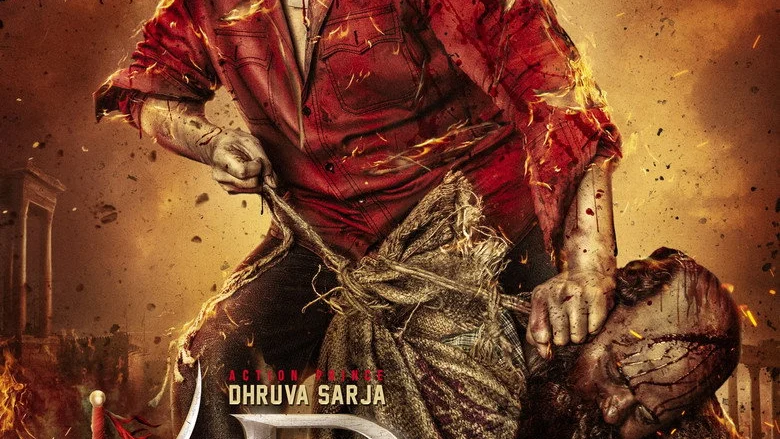
Dhruva Sarja brings to Kaalidasa in KD – The Devil a quality that the screenplay points toward but cannot guarantee: interiority. The character’s inner life is visible without being stated, communicated through an accumulation of small choices that a less disciplined actor would not have made and most audiences will not consciously notice.
The relationship between Dhruva Sarja‘s central performance and the ensemble of Shilpa Shetty Kundra, Dhruva Sarja, Reeshma Nanaiah, Sanjay Dutt in KD – The Devil is the relationship between a soloist and an orchestra that has learned not to overplay. The balance is Prem‘s achievement, and it holds across the full runtime of KD – The Devil.
The performances of Shilpa Shetty Kundra, Nora Fatehi and Dhruva, Shilpa, Sanjay, Reeshma, V. in KD – The Devil are built on the principle that supporting roles in a well-directed film do not exist in isolation from its larger design. Both actors appear to understand the design they are supporting — which is precisely what makes their contributions to KD – The Devil valuable.
The Craft Argument for KD – The Devil (2026)
The technical achievement of KD – The Devil begins with the relationship between Prem and the crores that KVN Productions committed to the production. That relationship — of filmmaker leading and resources following — is what gives KD – The Devil its coherence.
The editing of KD – The Devil by Sanketh Achar at 2+ Hours demonstrates what editorial intelligence looks like in service of a director who has made clear decisions. The rhythm is Prem‘s — Sanketh Achar has found and sustained it, which is the editor’s proper function and the most demanding version of it.
The technical coherence of KD – The Devil across its 2+ Hours runtime reflects a production in which every department received the same creative brief and interpreted it faithfully. The result is a film that does not read as assembled but as conceived — which is the standard all serious Kannada Action cinema should aspire to.
Reception, Evaluation, and Recommendation — KD – The Devil (2026)
The 0.8051 popularity index for KD – The Devil reflects an audience that did not need the film to simplify itself in order to engage with it. That this particular film — directed with Prem‘s degree of formal intention — scores at 0.8051 is the more interesting commercial data point.
The 7+ Stars from 1000+ audience reviews constitutes the clearest available evidence that KD – The Devil has succeeded on its own terms. Not the terms of the market, not the terms of the genre — the terms that Prem established for this film specifically.
KD – The Devil is, on critical balance, one of the better Kannada Crime, Action, History films of its season. Its limitations are real and have been noted. Its achievements — formal, performative, and thematic — are more substantial and less common. At 2+ Hours, it warrants the attention it asks for.
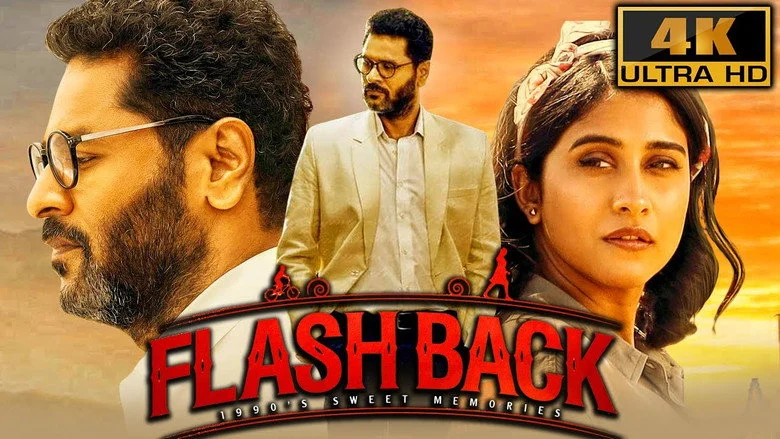
Flashback (2026) arrives on April 30, 2026 with fewer promises than most Tamil Comedy, Romance, Action releases and keeps more of them. Don Sandy and Abhishek Pictures have made a 109 minutes film that earns its craft credentials rather than assuming them.
A 7 out of 10 from the audience is, in this case, a more meaningful figure than it might appear. Flashback is not a film engineered for mass satisfaction. That it achieves 7 out of 10 while maintaining its creative integrity is the more interesting data point.
What Flashback Says and How It Chooses to Say It
Don Sandy has written Flashback around A premise that announces itself clearly with a structural clarity that Don Sandy honours rather than complicates. The result is a film whose intentions are legible throughout — which does not make it simple, but does make it honest.
The decision to film Flashback in India is not a production convenience — it is an argument. Don Sandy’s screenplay is written from the inside of a specific cultural context, and the crores that Abhishek Pictures committed ensures Don Sandy could honour that context rather than merely approximate it.
Flashback is a tighter film for roughly two thirds of its runtime than the final act allows. The looseness that enters in the closing sequences is a screenwriting problem more than a directorial one — Don Sandy has loaded the third act with material that competes rather than converges.
Flashback (2026): Who in the Cast Earns Their Place
Prabhu Deva‘s work as a character in Flashback is the kind of screen acting that critics tend to undervalue because it does not offer obvious handles. There is no moment of theatrical release, no scene that announces itself as the performance’s centre. The centre is everywhere, consistently.
The relationship between Prabhu Deva‘s central performance and the ensemble of Anasuya Bharadwaj, Regina Cassandra, Prabhu Deva, Ram Karthik in Flashback is the relationship between a soloist and an orchestra that has learned not to overplay. The balance is Don Sandy‘s achievement, and it holds across the full runtime of Flashback.
It would be a critical failure to assess Flashback without accounting for Anasuya Bharadwaj, Regina Cassandra, whose performance in the film’s middle section is its most emotionally complex passage. Prabhu, Regina, Anasuya, Ram, Aryan brings a different kind of complexity to their scenes — more structural than emotional — and Flashback needs both.
Critical Assessment of Flashback’s Filmmaking
The production of Flashback under Don Sandy for Abhishek Pictures reflects a creative process in which the crores allocation followed the film’s requirements rather than preceded them. This is, unfortunately, rarer than it should be in the Tamil Romance space — and the film’s technical quality is the direct result.
The editing of Flashback by San Lokesh at 1 hr 49 mins demonstrates what editorial intelligence looks like in service of a director who has made clear decisions. The rhythm is Don Sandy‘s — San Lokesh has found and sustained it, which is the editor’s proper function and the most demanding version of it.
The visual argument of Flashback is made consistently and with conviction. Don Sandy has developed a cinematographic language for Flashback that is specific to its story and setting — the India locations are not photographed for their beauty but for their meaning, which is the correct critical priority.
Final Critical Assessment — Flashback by Don Sandy
The commercial reception of Flashback — 4.548 on the popularity index — confirms what the critical case for the film suggests: that Don Sandy and Abhishek Pictures have made something that functions simultaneously as serious cinema and accessible entertainment. That achievement is rarer than either alone.
1000+ audience votes and 7+ Stars. The mathematics are clear. Flashback has produced a consistent experience across a very large and diverse audience — which is the only audience verdict that a critic should treat as meaningful evidence about the film’s actual quality.
Flashback merits a considered recommendation. Not an unqualified one — the third act has been addressed — but a considered one, based on 1h 49m of filmmaking that takes its audience seriously and Prabhu Deva‘s performance of the kind that makes a film worth revisiting.
The Telugu Drama, Action film has a persistent problem with ambition outrunning execution. Bad Boy Karthik (2026), directed by Ramesh for Sri Vaishnavi Films, is not that film. Released April 17, 2026 at 141 minutes, it is disciplined where the genre is usually indulgent — and the difference is considerable.
Bad Boy Karthik holds 7 out of 10 across platforms, which for a film of its formal ambition is a strong result. Audience scoring systems do not typically reward restraint — the fact that Bad Boy Karthik scores this well while exercising it suggests the film has genuine cross-audience appeal.
Story, Subtext, and Execution in Bad Boy Karthik (2026)
The premise of Bad Boy Karthik — A premise that announces itself clearly — has been used before. What Ramesh’s script and Ramesh‘s direction contribute is a specific treatment of that premise that is observably theirs rather than generic. That specificity is what separates the film from its antecedents.
Ramesh has rooted Bad Boy Karthik in with the understanding that geography is not neutral in Drama storytelling. The crores production from Sri Vaishnavi Films gives Ramesh access to the actual locations the script requires — and the film’s credibility depends on that access.
The structural weakness of Bad Boy Karthik is localised in its final act, where Ramesh’s script accumulates more than it resolves. Ramesh manages the excess with skill — the film does not collapse — but a more rigorous edit would have clarified what the narrative is ultimately arguing.
From Naga Shaurya Down: A Critical Account of Bad Boy Karthik’s Performances
What Naga Shaurya achieves as Karthik in Bad Boy Karthik is the suppression of performance itself. You do not watch them act — you watch Karthik exist. The distinction is the difference between craft and technique, and Naga Shaurya is operating at the former level throughout.
The supporting architecture of Bad Boy Karthik — inhabited by Samuthirakani, Vennela Kishore, Naga Shaurya, Vidhi Yadav — is the work of a director who casts against the assumption that supporting roles are less important than central ones. Ramesh has clearly not made that assumption, and the film’s credibility depends on the result.
The critical undervaluation of supporting performance is a persistent problem in reviews of films like Bad Boy Karthik. The work of Sridevi Vijayakumar, Vidhi Yadav and Naga, Vidhi, Samuthirakani, Vennela, Naresh in Bad Boy Karthik is a corrective to that habit — both deliver performances of a quality that the film’s overall standard requires and that the final result depends on.
Direction, Editing, and Visual Intelligence in Bad Boy Karthik (2026)
Ramesh directs Bad Boy Karthik from a position of creative authority that the crores production from Sri Vaishnavi Films reinforces rather than creates. The money is in service of a vision, not a substitute for one — a distinction that most Telugu Drama productions at this budget level fail to make.
The editorial work of Kotagiri Venkateswara Rao on Bad Boy Karthik at 2 hours 21 minutes reflects a collaboration with Ramesh that has produced a cut of real quality across most of the film’s duration. The final act is where the editing is working hardest and achieving least — a disproportion that a more severe pass might have corrected.
The visual argument of Bad Boy Karthik is made consistently and with conviction. Ramesh has developed a cinematographic language for Bad Boy Karthik that is specific to its story and setting — the locations are not photographed for their beauty but for their meaning, which is the correct critical priority.
Assessing Bad Boy Karthik: Where It Stands in the Telugu Drama Field
Bad Boy Karthik has accumulated a popularity score of 0.2747 — a figure that a critic should resist treating as either validation or irrelevance. The more useful observation is that a film of this formal ambition reaching 0.2747 suggests the Telugu Drama audience is more sophisticated than the market often assumes.
1000+ audience votes and 7+ Stars. The mathematics are clear. Bad Boy Karthik has produced a consistent experience across a very large and diverse audience — which is the only audience verdict that a critic should treat as meaningful evidence about the film’s actual quality.
Bad Boy Karthik is, on critical balance, one of the better Telugu Action, Drama films of its season. Its limitations are real and have been noted. Its achievements — formal, performative, and thematic — are more substantial and less common. At 2h 21m, it warrants the attention it asks for.
Critical fatigue with the Tamil Action form is understandable. What Manu Anand has made in Mr. X (2026) is the argument against that fatigue. Produced by Prince Pictures, Maverik Movies at 147 minutes and released April 17, 2026, it demonstrates what the genre looks like when a filmmaker treats it as a vehicle for something real.
A 7 out of 10 from the audience is, in this case, a more meaningful figure than it might appear. Mr. X is not a film engineered for mass satisfaction. That it achieves 7 out of 10 while maintaining its creative integrity is the more interesting data point.
Structural Analysis: The Narrative of Mr. X
Praveen K., Manu Anand situates Mr. X in A premise that announces itself clearly with a restraint that announces the film’s priorities early. This is not a screenplay interested in exploitation. It is interested in consequence — and Manu Anand follows that interest throughout the 147 minutes runtime without flinching.
Produced across India at crores, Mr. X carries the authority of genuine location. This matters because Praveen K., Manu Anand’s script makes demands of its setting that a studio approximation could not meet. Manu Anand and Prince Pictures, Maverik Movies understood that, and the film is stronger for the decision.
Mr. X is a tighter film for roughly two thirds of its runtime than the final act allows. The looseness that enters in the closing sequences is a screenwriting problem more than a directorial one — Praveen K., Manu Anand has loaded the third act with material that competes rather than converges.
Acting in Mr. X (2026): What Holds and What Does Not
Arya brings to Gautham in Mr. X a quality that the screenplay points toward but cannot guarantee: interiority. The character’s inner life is visible without being stated, communicated through an accumulation of small choices that a less disciplined actor would not have made and most audiences will not consciously notice.
The supporting cast — Manju Warrier, R. Sarathkumar, Gautham Ram Karthik, Arya among them — has been directed by Manu Anand with a clarity of expectation that produces uniformly credible work. These are not performances competing for attention. They are performances understanding their function within a larger design and executing it without ego.
The performances of Tara Amala Joseph, Manju Warrier and Arya, Gautham, Manju, R., Anagha in Mr. X are built on the principle that supporting roles in a well-directed film do not exist in isolation from its larger design. Both actors appear to understand the design they are supporting — which is precisely what makes their contributions to Mr. X valuable.
Production, Direction, and the Limits of Both in Mr. X
Manu Anand has made Mr. X as though the crores were a tool rather than a mandate. The Prince Pictures, Maverik Movies production funding appears to have been given with genuine creative latitude, and Manu Anand has used that latitude to make decisions that serve the film rather than the investment.
The 2 hr 27 mins edit from Prasanna GK is the product of a genuine understanding of what Mr. X requires at the level of pace and internal logic. The film’s rhythm is established early and maintained consistently — the loosening in the final act is a screenplay problem that editing can mitigate but not solve.
The visual argument of Mr. X is made consistently and with conviction. Manu Anand has developed a cinematographic language for Mr. X that is specific to its story and setting — the India locations are not photographed for their beauty but for their meaning, which is the correct critical priority.
Mr. X (2026): A Critic’s Final Account
A popularity index of 1.5438 for a Tamil Action film of Mr. X’s ambition is the kind of figure that should provoke a reassessment of assumptions about what this audience will and will not support. Manu Anand has not made a compromise — and the market has not punished the refusal.
The 7+ Stars from 1000+ audience reviews constitutes the clearest available evidence that Mr. X has succeeded on its own terms. Not the terms of the market, not the terms of the genre — the terms that Manu Anand established for this film specifically.
Mr. X is the kind of Tamil Thriller, Action film that reminds you why the form matters when it is practiced well. Manu Anand has made something that will hold up to repeated viewing and continued critical attention. At 2h 27m, the investment is justified. The recommendation stands.
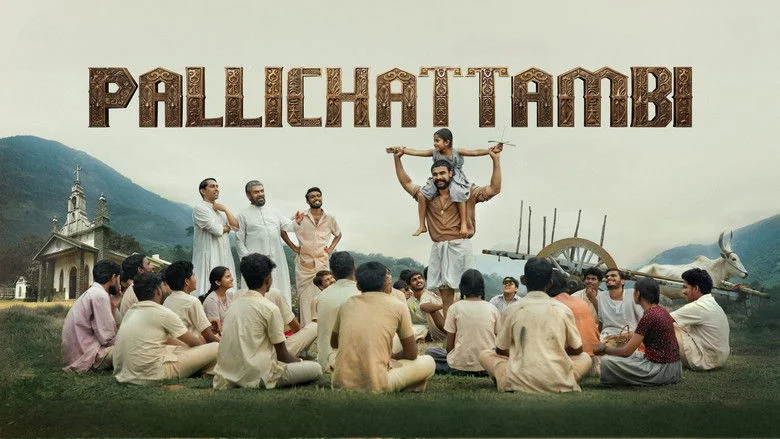
Pallichattambi (2026) arrives on April 15, 2026 with fewer promises than most Malayalam Drama, Action releases and keeps more of them. Dijo Jose Antony and Unknown have made a 130 minutes film that earns its craft credentials rather than assuming them.
The 7 out of 10 consensus deserves neither uncritical celebration nor dismissal. It reflects a film that has connected with a broad audience without condescending to one — a balance that most Malayalam Drama productions at this budget level fail to strike.
Narrative Discipline and Its Limits in Pallichattambi
Suresh Babu has given Dijo Jose Antony a script in Pallichattambi that opens on Chattambi, a scheming man in a small town, survives by staying ahead… and does not pretend the premise is more novel than it is. What the screenplay does instead is execute the familiar with enough craft and specificity to justify its existence — which is the more demanding achievement.
Produced across India at crores, Pallichattambi carries the authority of genuine location. This matters because Suresh Babu’s script makes demands of its setting that a studio approximation could not meet. Dijo Jose Antony and Unknown understood that, and the film is stronger for the decision.
The one place Pallichattambi loses critical confidence is precisely where most Malayalam Drama films lose it — the junction between the second act and the conclusion. Dijo Jose Antony and Suresh Babu are both working hard in that section. The evidence of the work, rather than its result, is occasionally visible.
Acting in Pallichattambi (2026): What Holds and What Does Not
Tovino Thomas‘s work as Chattambi in Pallichattambi is the kind of screen acting that critics tend to undervalue because it does not offer obvious handles. There is no moment of theatrical release, no scene that announces itself as the performance’s centre. The centre is everywhere, consistently.
The relationship between Tovino Thomas‘s central performance and the ensemble of Tovino Thomas, Kayadu Lohar, Sudheer Karamana, Vijayaraghavan in Pallichattambi is the relationship between a soloist and an orchestra that has learned not to overplay. The balance is Dijo Jose Antony‘s achievement, and it holds across the full runtime of Pallichattambi.
Kayadu Lohar, Devika Anoop and Tovino, Kayadu, Vijayaraghavan, Sudheer, T give Pallichattambi its supporting credibility at the moments the narrative requires most from them. Neither performance announces its quality — both reward the attention a careful viewer will bring to them. This is the supporting work that serious Malayalam Drama filmmaking tends to produce.
The Craft Argument for Pallichattambi (2026)
The production of Pallichattambi under Dijo Jose Antony for Unknown reflects a creative process in which the crores allocation followed the film’s requirements rather than preceded them. This is, unfortunately, rarer than it should be in the Malayalam Drama space — and the film’s technical quality is the direct result.
Editor Sreejith Sarang has assembled Pallichattambi at 2 hr 10 mins with an editorial intelligence that is most visible in the first half and most tested in the third act. The early editing establishes a rhythm of considerable sophistication — the later editing maintains it under greater structural pressure, with partial success.
The technical coherence of Pallichattambi across its 2h 10m runtime reflects a production in which every department received the same creative brief and interpreted it faithfully. The result is a film that does not read as assembled but as conceived — which is the standard all serious Malayalam Drama cinema should aspire to.
A popularity index of 2.0677 for a Malayalam Drama film of Pallichattambi’s ambition is the kind of figure that should provoke a reassessment of assumptions about what this audience will and will not support. Dijo Jose Antony has not made a compromise — and the market has not punished the refusal.
Across 1000+ logged responses, Pallichattambi holds 7+ Stars — a figure that has not eroded as the audience has widened beyond the film’s initial constituency. This stability is the critical signal that matters: the film’s quality does not depend on who is watching it.
Pallichattambi is the kind of Malayalam Drama, Action film that reminds you why the form matters when it is practiced well. Dijo Jose Antony has made something that will hold up to repeated viewing and continued critical attention. At 2h 10m, the investment is justified. The recommendation stands.
S.S. Rajamouli brings back his epic saga a decade later with a combined, polished version that merges both films. Prabhas plays dual roles as father and son, with Rana Daggubati, Anushka Shetty, Ramya Krishnan, and Sathyaraj rounding out the cast. This action drama clocks in at nearly four hours.
Released on October 31, 2025 in IMAX, 4DX, and Dolby Cinema, the film returns viewers to Mahishmati. Produced by Arka Media Works with music by M.M. Keeravani, this version features upgraded visuals and improved sound design.
The Story
Shivudu grows up in a tribal village, unaware of his royal blood. When he discovers his true identity, he must free his imprisoned mother and avenge his father’s death.
Through Kattappa’s narration, we learn about Amarendra Baahubali, a prince loved by his people but envied by his cousin Bhallaladeva. His love for Devasena, his banishment, and his murder by Kattappa form the heart of the story.
The second part shows Mahendra confronting Bhallaladeva to reclaim his throne. The film blends mythology with action but cuts roughly 80 minutes from the original runtime. Some romantic moments got trimmed, tightening the pace but losing texture.
Performances
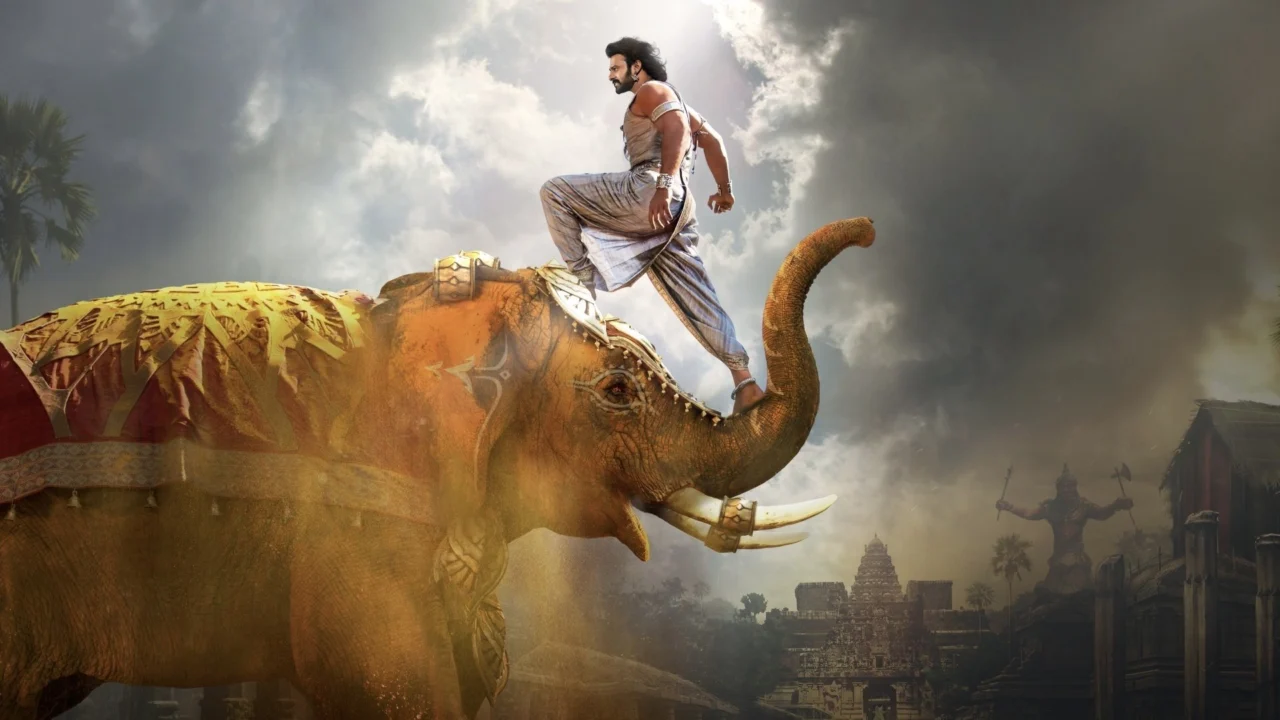
Prabhas commands attention in both roles, moving between youthful fire and mature authority. His presence holds everything together. Rana Daggubati makes Bhallaladeva genuinely threatening, balancing physical power with calculated cruelty.
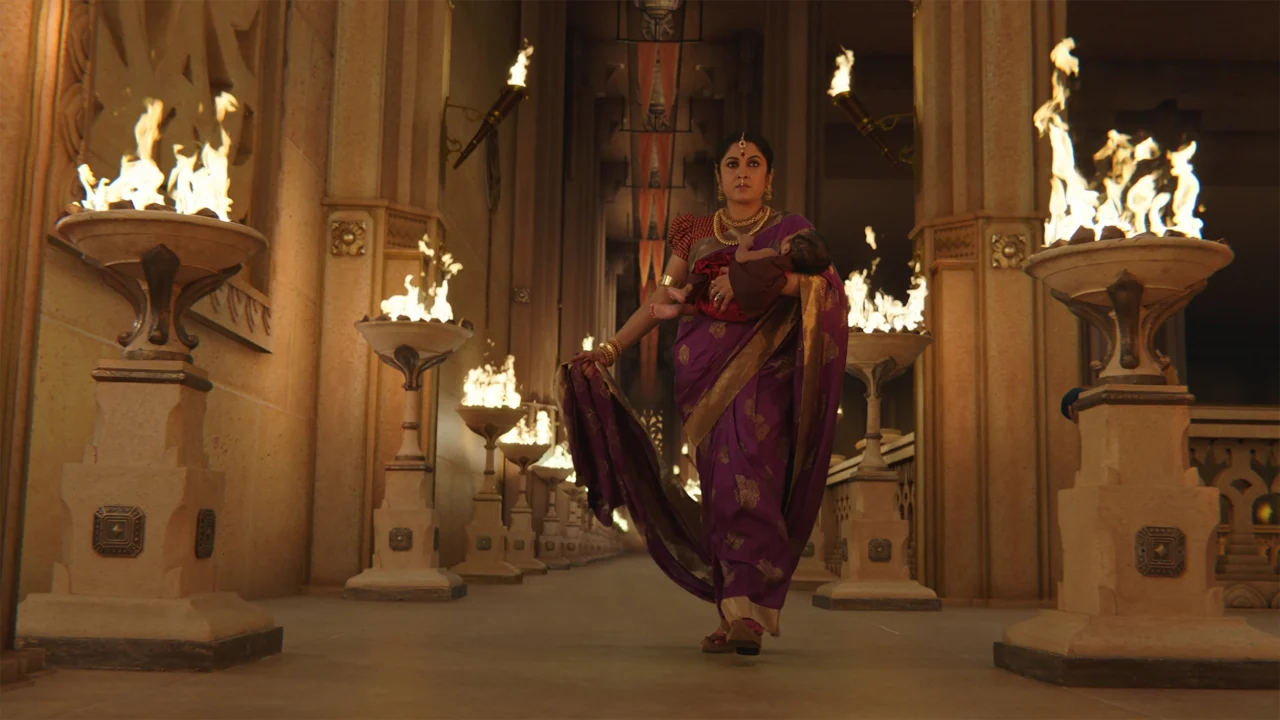
Anushka Shetty’s Devasena refuses to break despite decades of imprisonment. Ramya Krishnan’s Sivagami wields authority as the queen whose choices seal everyone’s fate.
Sathyaraj brings complexity to Kattappa, showing a warrior torn between duty and conscience. I appreciated how he conveys guilt and loyalty without overdoing either. His scenes with Prabhas carry real weight.
Tamannaah Bhatia barely registers in this cut. Nassar plays the scheming father figure effectively, though the character stays one-dimensional. The supporting cast adds color but several storylines feel rushed.
What Works
The action sequences still impress. Battle choreography mixes creativity with scale, from the opening waterfall climb to the final war. Everything feels built for theatrical viewing.
Keeravani’s remastered score enhances every scene. The Dolby Atmos mix makes battles feel immersive. Rajamouli hits his stride after intermission, letting the story breathe.
The core themes of loyalty and sacrifice land properly. Relationships between characters drive the drama. I felt invested in Amarendra’s tragedy and Mahendra’s quest for justice.
Watching this as one continuous film strengthens the mythological feel. The improved color grading makes Mahishmati more striking than before.
Where It Stumbles
Missing scenes hurt character development. Mahendra’s relationships with his adoptive mother and Avanthika get shortchanged. Plot points that need setup arrive without proper foundation.
Sivagami’s arc loses nuance in the edit. Her complex choices now seem simpler. Scenes establishing why people loved Amarendra are gone, weakening his eventual fall.
Some visual effects show their age, particularly during large-scale destruction. The first half rushes through material that needs more time to develop properly.
This version plays like a greatest hits collection. It delivers spectacle but sacrifices the breathing room that gave the originals their power. I missed the quieter moments that built up the world.
Reception
Critics gave the film a 79 out of 100 on Metacritic. Reviews acknowledged that trimming the story weakens some elements but praised the action and visuals. IMDB audiences rated it 8.7, mostly positive reactions from fans.
Some noted the condensed version loses emotional depth, especially in romantic subplots. Box office performance met expectations based on franchise popularity. Audiences enjoyed revisiting Mahishmati on the big screen.
The Verdict
This is pure spectacle that reminds you why Rajamouli changed Indian cinema. The edit trades emotional depth for pace, but the strengths stay intact. Action, scale, and performances all deliver.
Fans get a theatrical experience worth having. Newcomers get an accessible entry point, though the full versions offer richer character work and better pacing.
The Telugu action-crime film They Call Him OG stars Pawan Kalyan in the lead, directed by Sujeeth. Joining him are Emraan Hashmi making his Telugu debut, Priyanka Mohan, Arjun Das, Sriya Reddy, and Prakash Raj. Produced by D.V.V. Danayya, this gangster story jumps between two continents and different time periods.
Released in September 2025, the film created significant hype around its grand scale. Shot by Ravi K. Chandran and Manoj Paramahamsa, with Thaman S. composing the music, everything about it screams big-budget spectacle. The plot tries mixing mythology with Mumbai’s dark underworld.
The Plot Unfolds
The story follows two timelines. First, we meet Ojas Gambheera, who barely survives a brutal attack in Japan. Then we jump to 1970s Bombay, where OG befriends Satya Dada, a businessman trying to build something good for ordinary people.
After vanishing for ten years, OG comes back with one goal—take down the current crime boss Omi Bhau. What follows is a violent journey through betrayal and revenge. The core idea works, but I felt lost trying to follow all the jumping around.
Stunning Visuals Throughout
Sujeeth knows how to shoot his hero. Every frame makes Pawan Kalyan look larger than life. The action sequences don’t just show fights—they make them feel like art, with careful attention to every movement and pause.
The camera work captures everything from glowing Japanese streets to dusty Mumbai ports gorgeously. Both cinematographers bring such rich texture to each scene. The colors shift between timelines, helping me track where and when things happen.
Production designer A.S. Prakash builds settings that feel both real and dreamlike. The Japan portions look authentic down to small details. The old Bombay scenes transport you back decades, though all the blood starts feeling like too much after a while.
Pawan Kalyan Steals the Show
Pawan Kalyan gives what might be his strongest performance in years. He moves through scenes with natural power and that iconic swagger. Just watching him walk into frame creates excitement. I believed every moment of his rage and pain.
His fans will absolutely love this. The physical transformation alone shows how seriously he took this role. He balances the brutal violence with unexpected vulnerability. Even weak scenes improve just from his presence.
Emraan Hashmi brings real menace despite limited screen time. Priyanka Mohan tries her best but gets very little to work with. Sriya Reddy manages to shine in her brief appearances with quiet strength.
Sound and Music Work Well
Thaman S. delivers a thundering score that lifts every major moment. He mixes traditional instruments with electronic beats perfectly. The pounding drums during fights kept my heart racing.
The overall sound design makes everything feel immersive. Each gunshot and punch lands with weight. Dialogue stays clear even during chaotic sequences. The quiet moments between action provide relief without killing momentum.
Editor Navin Nooli struggles juggling so many timelines. Some cuts flow smoothly, others jolt you out of the story. The middle section drags noticeably, losing steam between the big action pieces.
What Really Works
The visual spectacle stands as the film’s biggest win. Sujeeth creates images that will stick with you long after leaving the theater. The way he frames Pawan Kalyan gives fans exactly what they crave.
Pawan Kalyan’s commitment elevates everything around him. His dedication shows in every scene. The production quality matches anything coming out of Hollywood, proving Telugu cinema can compete globally.
The detailed world-building impressed me too. The criminal networks feel believable across different locations and decades. The 1970s recreation particularly succeeds in capturing that era’s look and feel.
Where Things Fall Apart
The writing creates the biggest problems. What should be a simple revenge story becomes needlessly tangled. All the timeline hopping made me lose emotional connection with characters I should care about.
Nothing feels truly emotional. I watched OG seek revenge without understanding his pain deeply. The movie looks amazing but doesn’t touch your heart. Stakes never feel real beyond “bad guys must die.”
The violence goes overboard quickly. After the tenth brutal killing, numbness sets in rather than tension. I kept wishing for fewer but more meaningful violent moments. Restraint would have helped enormously.
Supporting characters get almost no development. Most exist just to move plot forward. Priyanka Mohan deserved better writing. Even the villains lack clear motivation, becoming obstacles rather than interesting adversaries.
Critical and Audience Response
News 18 rated it 3 out of 5 stars, praising Pawan Kalyan’s swagger while warning about the thin story. The Indian Express gave the same 3/5, acknowledging it entertains despite narrative weakness.
IMDB shows ratings between 6.9 and 7.4 out of 10, indicating mixed-to-positive feelings. Fans celebrate the mass appeal and star power. Critics consistently point out how the weak screenplay holds back a technically brilliant film.
Just for Movie Freaks gave it 2.75/5, calling it “technically superb but emotionally distant.” Most agree—better writing could have made this gorgeous film truly great instead of just pretty.
My Final Verdict
They Call Him OG offers stunning visuals wrapped around a commanding Pawan Kalyan performance. The technical achievements across photography, design, and music reach exceptional heights. Fans get their money’s worth in pure spectacle and star power.
But the story can’t match the visual ambition. Overcomplicated plotting kills emotional investment. Shallow characters prevent real connection. Too much violence numbs instead of shocking. I left admiring the craft while feeling nothing for the people.
Pawan Kalyan fans craving visual grandeur will enjoy this thoroughly. The big-screen experience shows off the incredible production work. Anyone wanting deeper emotional substance or coherent storytelling will walk away disappointed.
This film represents where Telugu cinema stands today—technically matching global standards while still learning screenplay basics. Ambitious presentation meets hollow storytelling. Beautiful images alone can’t fill an empty heart.
Rishab Shetty returns with a prequel that digs into the roots of the story we saw three years ago. Set in the forests of pre-colonial Karnataka, this film travels back nearly ten centuries. The cast includes Jayaram, Rukmini Vasanth, and Gulshan Devaiah, each bringing something valuable to this mythological drama.
The film explores how the divine presence of Panjurli Daiva became central to the lives of forest communities. Hombale Films clearly invested heavily in bringing this ancient world to life. I walked into the theater curious whether lightning could strike twice, and found myself engaged with what unfolded on screen.
Going Back to the Beginning
The story centers on people who view their forest as sacred ground where gods walk among them. Their beliefs shape every decision, every conflict, every relationship shown on screen. What struck me was how the film never mocks these traditions or treats them as backward superstitions.
The conflict emerges when outside forces threaten this way of life that’s existed for generations. I noticed the screenplay takes its time building this world before throwing us into the drama. Some might find this slow, but I felt it was necessary to understand what’s at stake when tensions rise.
Acting That Connects
Rishab Shetty throws himself completely into the role of Berme, particularly when the character channels divine energy. Watching him perform the ritual sequences, I understood why this man won a National Award. There’s a raw quality to his work here that can’t be faked or taught.
Rukmini Vasanth surprised me with how naturally she inhabited the world of royalty as Princess Kanakavathi. Jayaram brings years of experience to his portrayal of the king, making his presence felt without scenery-chewing. Gulshan Devaiah creates genuine menace as the antagonist, giving the story a human face to its conflicts.
The Technical Side Shines
The camera work captures these ancient forests with a richness that makes you want to visit Karnataka immediately. From sweeping landscape shots to close-ups during intense moments, the cinematography serves the story well. I particularly noticed how the visual team used natural light to create mood without artificial manipulation.
The visual effects impressed me because they enhanced rather than overwhelmed the narrative. Too many Indian films let VFX become the story itself, but here it supports what’s happening dramatically. The production design deserves credit for creating believable period details without making everything look overly polished.
Moments That Work
The second half picks up momentum considerably, delivering sequences that had the entire theater reacting audibly. I won’t spoil specifics, but the interval block justified my decision to watch this in a cinema rather than wait for streaming. Shetty clearly learned from feedback on the first film and addressed several concerns.
What I appreciated most was the respect shown toward tribal culture and religious practices. These aren’t treated as exotic curiosities but as lived reality for the characters. The background score by Ajaneesh Loknath elevates emotional moments without becoming manipulative. Several scenes stayed with me days after watching.
Where It Stumbles
The first half drags in places where tighter editing would have helped maintain interest. While establishing the world matters, I checked my watch a few times before things got moving. The film also sacrifices some emotional intimacy for visual scale, which made certain relationships feel underdeveloped to me.
Some plot threads don’t get the resolution they deserve, leaving me with questions that probably won’t be answered. The climax, though visually spectacular, didn’t hit me as hard emotionally as similar moments in the original film did. I wanted to feel more during that sequence than I actually felt.
Critical and Public Response
Review aggregator Rotten Tomatoes currently shows 82% approval from professional critics. India Today awarded it 4 out of 5 stars in their review. Audience scores on IMDb hover around 8.7, suggesting general viewers responded more enthusiastically than some critics did.
Social media reactions have been largely positive, with many praising the cultural representation and Shetty’s performance specifically. A few critics dismissed it as overrated, arguing the mythology angle doesn’t translate universally. The divide seems to fall along how much value you place on spectacle versus character-driven storytelling.
The John Wick universe expands with Ballerina, a thrilling spinoff that brings fresh energy to the beloved action franchise. Directed by Len Wiseman and starring Ana de Armas in the lead role, this 2025 release takes audiences on a revenge-fueled journey through the same stylized world of assassins.
The film features an impressive ensemble cast including Keanu Reeves reprising his iconic role as John Wick, alongside Ian McShane and Anjelica Huston. Set within the intricate underworld of the Continental Hotel, Ballerina serves as both a spinoff and spiritual successor to the John Wick films.
Ballerina Movie Actors
Actor
Character
Gabriel Byrne
The Chancellor
Sharon Duncan-Brewster
Nogi
Ana de Armas
Eve Macarro
Anjelica Huston
The Director
Lance Reddick
Charon
Catalina Sandino Moreno
Lena
Ian McShane
Winston
Norman Reedus
Daniel Pine
Keanu Reeves
John Wick
Robert Maaser
Dex
Plot and Storyline
The story centers around Eve Macarro, whose life is shattered when her father, a member of the Ruska Roma crime syndicate, is murdered. Trained in the deadly arts of assassination from a young age, Eve embarks on a relentless quest for revenge.
The screenplay weaves together multiple storylines, connecting Eve’s personal vendetta with larger conflicts within the assassin community. The film explores themes of family, loyalty, and the cost of violence while maintaining the breakneck pace audiences expect.
Cast Performance
Ana de Armas delivers a powerhouse performance as Eve Macarro, proving she can carry an action franchise with intensity and charisma. Her portrayal balances the character’s lethal skills with emotional depth, creating a protagonist who is both sympathetic and terrifying.
Keanu Reeves’ return as John Wick provides crucial continuity and gravitas to the film. Ian McShane reprises his role as Winston with characteristic wit, while Anjelica Huston returns as the Director, bringing depth to the Ruska Roma storyline.
Direction and Cinematography
Director Len Wiseman brings his experience with stylized action cinema to the John Wick universe. His direction maintains the franchise’s signature aesthetic while introducing his own visual flourishes and pacing.
The film’s action sequences are meticulously choreographed and shot with attention to detail that made the original films legendary. Wiseman creates visually stunning set pieces that showcase de Armas’ physicality while maintaining the franchise’s commitment to practical effects.
Critical Reception and Ratings
Ballerina received generally positive reviews from critics. On Rotten Tomatoes, 76% of 241 critics gave positive reviews, though this places it as the second-lowest score in the franchise.
However, the film performed significantly better with audiences, with Ballerina holding the record for the highest-rated Rotten Tomatoes audience score for the John Wick franchise. The film earned a 7.3 rating on IMDb, indicating solid audience appreciation.
Box Office Performance
The film earned $3.75 million from Thursday previews and debuted to $24.5 million, finishing second behind Lilo & Stitch. The film grossed $57 million worldwide, representing solid performance for a spinoff film.
The international box office showed particular strength, with audiences embracing Ana de Armas’ take on the assassin world. The performance indicates strong appetite for more stories in this universe.
What I Liked
I found Ballerina’s action sequences to be the film’s greatest strength, maintaining the franchise’s reputation for innovative choreography. Ana de Armas proves herself more than capable of anchoring an action franchise, bringing both physical prowess and emotional depth.
The integration of ballet elements into fight choreography creates unique and memorable action moments that feel fresh. I appreciated how the film successfully expands the mythology of the John Wick universe without feeling disconnected from the main series.
The production values remain high throughout, with excellent practical effects and set pieces that maintain the franchise’s visual standards. The return of key franchise players helps ground the new story effectively.
Areas for Improvement
While Ballerina delivers on action, I felt the revenge plot was somewhat formulaic. The story beats are predictable, and the film occasionally feels like it’s following a template rather than breaking new ground.
I noticed pacing issues that slow down momentum, particularly in the middle act where the film balances character development with action. Some quieter moments feel less confident than the action sequences.
The film’s runtime could have been tightened, with some subplot elements feeling underdeveloped. Certain elements feel like setup for future films rather than serving the current story.
Technical Excellence
The film’s sound design and musical score maintain high standards set by the franchise. The gunplay sounds visceral while hand-to-hand combat has appropriate weight and impact.
Costume design deserves special mention for incorporating both ballet elegance and practical action needs. The weapon design and choreography continue the franchise tradition of making violence feel both beautiful and deadly.
Final Verdict
From the World of John Wick: Ballerina succeeds as entertaining action cinema that expands the beloved franchise while introducing a compelling new protagonist. While it may not reach the heights of the best John Wick films, it offers spectacular action and strong performances.
Ana de Armas proves herself worthy of carrying the franchise forward, and the film opens interesting possibilities for future stories. The movie delivers what audiences expect – stylized violence, innovative choreography, and practical effects over CGI spectacle.
For action movie fans and John Wick lovers, Ballerina provides a worthy addition that maintains core appeal while successfully expanding scope. It’s a film that knows exactly what it wants to be and delivers with style and conviction.
HIT: The Third Case marks the continuation of director Sailesh Kolanu’s thriller franchise, bringing back the intensity that defined its predecessors. This 2025 Telugu-language action thriller serves as the third installment following HIT: The Second Case (2022), expanding the universe with a fresh narrative.
The movie features Nani in the lead role as Arjun Sarkaar, supported by Srinidhi Shetty, with appearances from Karthi and Adivi Sesh. Produced by Wall Poster Cinema and Unanimous Productions, the film brings together cinematographer Sanu John Varghese and music director Mickey J. Meyer.
HIT: The Third Case Movie Actors
Actor
Character
Srinidhi Shetty
Mrudula
Surya Srinivas
Ravi
Prateik Smita Patil
Alpha
Nani
Arjun Sarkaar
Samuthirakani
Arjun Sarkar’s father
Komalee Prasad
Varsha
Adil Pala
Zubair Ahmed Khan
Amit Sharma
Jaipur Killer
Chaitu Jonnalagadda
Diwakar
Rao Ramesh
Nageswara Rao
Plot and Storyline
The story takes a bold creative leap from its predecessors, transforming from a methodical thriller into a high-octane action spectacle. The Homicide Intervention Team (HIT) sends officer Arjun Sarkaar to find a group of killers and stop their murder spree.
The film takes audiences through a genre blend reminiscent of Kill Bill and John Wick, incorporating thriller elements with Indian romance. The plot reveals a darker, more violent approach compared to the franchise’s earlier entries, diving deep into themes of vengeance and justice.
Cast Performance
Nani delivers a career-defining performance as Arjun Sarkaar, showcasing range from detective work to intense physical confrontations. Critics praised Nani’s performance despite criticizing other story aspects. His transformation to this more aggressive character demonstrates his versatility as an actor.
Srinidhi Shetty provides strong support as the female lead, bringing emotional depth to her role. The supporting cast, including Rao Ramesh, Samuthirakani, and Komalee Prasad, each contribute meaningfully to the narrative.
Direction and Technical Aspects
Sailesh Kolanu’s direction represents both evolution and departure from his previous HIT franchise work. The film lacks the precision expected of a gripping thriller, instead playing out like a cross between Squid Game-style survival drama and typical mass-action film.
Sanu John Varghese’s cinematography captures both intimate character moments and large-scale action sequences with equal skill. The visual presentation was highly appealing with Mickey J. Meyer’s music during the final act providing a memorable experience.
What I Liked and What Could Be Better
What Works I found the film succeeds in creating a visceral, intense viewing experience that pushes Telugu cinema’s action boundaries. Nani’s performance shows him embracing full-fledged violence, creating scenes that are both shocking and compelling.
The visual presentation maintains high production values throughout, creating a cinematic experience that feels international in scope. The connection to the broader HIT universe provides satisfaction for franchise fans.
Areas for Improvement In my opinion, the film lacks emotional depth needed to justify its violence, failing to establish clear genre identity. The shift from methodical investigation to intense action may disappoint fans who loved the franchise’s original approach.
I noticed the film includes excessive slow-motion hero shots and relentless fight sequences that sometimes overshadow the psychological elements. The balance between character development and action spectacle needed better management.
Critical Reception and Ratings
Professional Reviews The film received mixed reviews from critics, with most acknowledging Nani’s committed performance while expressing concerns about the franchise direction. 123telugu.com rated the film 3.25/5, representing a generally positive but reserved response.
IMDb users rated the film 7.0/10, indicating audiences responded more positively than critics to the action-heavy approach. The rating suggests while it may not satisfy all expectations, it succeeds as entertaining action thriller.
Audience Response Public reception has been notably mixed, with action film fans praising the intensity and visual spectacle, while thriller fans expressed disappointment with the departure from investigative roots.
Box Office Performance
HIT: The Third Case achieved the franchise’s biggest opening with Rs 18 crore net in India, significantly outperforming HIT: The Second Case which managed only Rs 6.4 crore opening day. The film emerged as the fourth highest-grossing Telugu film of 2025.
The film moved toward the Rs 60 crore mark at domestic box office, with collections reaching approximately Rs 53.72 crore by day 5. The strong performance indicates audiences responded positively to the action-oriented approach.
Future Prospects
A sequel, HIT: The Fourth Case, has been announced, suggesting the franchise will continue despite mixed critical reception. The commercial success provides a strong foundation for future development.
The film’s impact on the HIT franchise appears significant, establishing a new template that balances investigation with high-octane action. This approach could influence how future installments are developed.
Final Verdict
HIT: The Third Case represents a bold evolution for the franchise. While it may not satisfy all expectations, it succeeds in creating a unique viewing experience that pushes Telugu action cinema boundaries.
Nani’s committed performance, combined with strong technical execution, creates a film that works as an intense action thriller. For viewers seeking intense action and visual spectacle, HIT: The Third Case delivers effectively.
I believe the film establishes a new direction that could prove sustainable if future installments better balance action with character development. The announcement of a fourth film suggests this approach will continue.
Rating: 3.5/5 Stars
The film succeeds as an action thriller while falling short of its potential as a psychological investigation. Worth watching for Nani’s performance and technical execution, but with tempered expectations for franchise purists.
Thug Life, the much-awaited 2025 Tamil gangster drama, brings together Kamal Haasan and Mani Ratnam after 38 years since their iconic Nayakan. Directed by Ratnam, who co-wrote with Haasan, this film features a stellar cast including Silambarasan, Trisha Krishnan, Ali Fazal, and Aishwarya Lekshmi.
Set in New Delhi’s underworld, the film carries the weight of massive expectations. With A.R. Rahman’s music and high production values from Raaj Kamal Films and Madras Talkies, this gangster action drama promised to recreate the magic of the legendary duo’s previous collaboration.
Thug Life Movie Actors
Actor
Character
Ashok Selvan
Jaikumar Royappa
Silambarasan
Amaran
Joju George
Kanjirapally Pathros
Nassar
Manikkam
Kamal Haasan
Rangaraya Sakthivel
Mahesh Manjrekar
Sadanand
Abhirami
Jeeva
Ali Fazal
Deepak Yadav
Sanjana Krishnamoorthy
Mangai
Trisha Krishnan
Indrani
Plot and Story
The story follows Rangaraaya Sakthivel (Kamal Haasan), a feared mafia kingpin who adopts Amaran after saving him during a gang war. Years later, when Sakthivel survives an assassination attempt, he suspects Amaran’s betrayal, leading to a conflict of loyalty and revenge.
While the basic premise shows promise, the plot lacks originality. The storyline relies heavily on familiar gangster movie tropes without bringing fresh perspectives to the genre.
Cast Performance
Kamal Haasan delivers a committed performance as the aging don, bringing his characteristic intensity to the role. However, even his legendary acting skills couldn’t fully elevate the weak material.
Silambarasan struggles with limited character development despite having a significant role. Trisha Krishnan and other female actors are unfortunately reduced to mere plot devices rather than fully realized characters.
Direction and Technical Aspects
Mani Ratnam’s direction shows his technical expertise in certain sequences, particularly in the first half. The cinematography and color palette effectively capture the gritty underworld atmosphere.
However, the film’s pacing becomes problematic in the latter half. A.R. Rahman’s score, while competent, doesn’t reach the heights of his previous collaborations with either filmmaker.
Reviews and Ratings
The film currently holds a 4.3/10 rating on IMDb, reflecting mixed-to-negative reception. Rotten Tomatoes critics noted that while the movie has emotions and action, the thin plot and poor execution make it less engaging.
Regional critics described it as A Fall from the Hill, criticizing its lack of originality. The Hollywood Reporter India mentioned that despite bold vision, the film remains emotionally distant from audiences.
What I Liked
I appreciated Kamal Haasan’s screen presence and his commitment to the character despite the script’s limitations. The production values are impressive, and certain action sequences showcase Ratnam’s visual storytelling skills effectively.
The authentic locations in Delhi add credibility to the underworld setting. I also found the cinematography decent in capturing the dark, gritty atmosphere that the story demanded.
What Could Be Better
The screenplay disappointed me the most – it felt unoriginal and relied too heavily on genre clichés. The character development, especially for women, was extremely poor and felt like a missed opportunity.
I noticed the pacing issues became more prominent in the second half, losing momentum when it should have intensified. The emotional depth that made Nayakan special is completely missing here, making the film feel hollow despite its technical competence.
Final Verdict
Thug Life represents a missed opportunity for what could have been a triumphant reunion. While it showcases moments of technical brilliance and features Haasan’s committed performance, it fails to deliver the emotional impact audiences expected.
The film serves as a reminder that nostalgia and star power alone cannot compensate for weak storytelling. For those expecting a return to the Nayakan form, this may prove disappointing, though fans of technical filmmaking might find some elements to appreciate.
Karate Kid: Legends marks a significant milestone in the beloved martial arts franchise, serving as the eighth entry that unites the original 1984 film with the 2010 remake starring Jackie Chan. Directed by Jonathan and written by Rob Lieber, this 2025 release brings together legendary actors Ralph Macchio (Daniel) and Jackie Chan (Mr.) alongside newcomer Ben, who plays the central character Li Fong.
The supporting cast includes Joshua Jackson, Sadie Stanley, and Ming-Na Wen, creating a diverse cast that spans different generations and martial arts traditions. With a PG-13 rating and a runtime of 94 minutes, the film attempts to blend franchise nostalgia with contemporary coming-of-age drama.
Karate Kid: Legends Movie Actors
Actor
Character
Sadie Stanley
Mia Lipani
Jackie Chan
Mr. Han
Ming-Na Wen
Li Fong’s Mother
Aramis Knight
Conor Day
Wyatt Oleff
Alan
David Robitaille
High School Kid
Shaunette Renée Wilson
Ms Morgan
Ben Wang
Li Fong
Ralph Macchio
Daniel LaRusso
Joshua Jackson
Victor Lipani
Plot and Storyline
The narrative centers around Li Fong (Ben Wang), a teenage kung fu prodigy living in Beijing who faces a family tragedy that forces him to relocate to New York City with his mother (Ming-Na Wen). This personal upheaval serves as the emotional foundation for the story, as Li struggles to adapt to his new environment while dealing with loss and cultural displacement.
When Li befriends someone in need of help, he finds himself entering a karate competition despite being trained in kung fu. The film’s central conflict arises when Li realizes that his kung fu skills alone aren’t sufficient for the challenge ahead.
The story explores themes of cultural integration, mentorship, and the fusion of different fighting styles. Li must learn to merge kung fu and karate techniques, creating a unique hybrid approach for the ultimate martial arts showdown.
Cast Performance
Ben Wang delivers a compelling performance as Li Fong, the new protagonist carrying the weight of the franchise’s legacy. Critics and audiences have praised Wang’s casting choice, with many noting that he proves just as capable as previous Karate Kid protagonists.
Jackie Chan returns to his role as Mr. Han with the wisdom and physicality that made his 2010 performance memorable. Despite being in his seventies, Chan continues to bring authenticity to his martial arts sequences while delivering the emotional depth required for his mentoring role.
Ralph Macchio’s return as Daniel LaRusso bridges the gap between the original trilogy and this new chapter. His presence provides continuity for longtime fans while his interactions with Chan’s character create fascinating dynamics between two different martial arts philosophies.
Direction and Cinematography
Jonathan Entwistle, making his directorial debut with this project, demonstrates a clear understanding of both the franchise’s legacy and modern filmmaking sensibilities. His direction successfully blends the nostalgic elements that fans expect with contemporary storytelling techniques that appeal to new audiences.
The New York locations are utilized effectively, providing an urban authenticity that distinguishes this entry from previous films. The city’s diverse neighborhoods serve as more than just backdrops, becoming integral to the story’s themes of cultural mixing and adaptation.
The action sequences deserve particular praise for their choreography and execution. The film successfully merges different martial arts styles visually, creating fight scenes that feel both respectful to traditional forms and exciting for modern audiences.
Critical Reception and Reviews
Professional critics have offered mixed reviews for Karate Kid: Legends, with the film receiving a 58% rating on Rotten Tomatoes from critics. However, this critical reception contrasts sharply with audience response, as the film earned a 91% audience score on the same platform and an A- grade from CinemaScore polling.
Roger Ebert’s review described the film as impressive and exasperating in its determination to squeeze every previous iteration of this story into one huge glimmering chunk of lore. Variety’s review took a more positive stance, calling it winningly old-fashioned and praising Ben Wang as captivating.
Critics generally praised the cast performances, particularly Wang’s debut and the chemistry between Chan and Macchio. The action sequences and martial arts choreography received positive mentions from most reviewers.
Box Office Performance
Karate Kid: Legends opened with $2.3 million in Thursday previews and was projected to earn between $25-30 million in its opening weekend. The film faced stiff competition from Disney’s Lilo & Stitch and Paramount’s Mission: Impossible, which limited its box office potential.
Despite the competitive landscape, the film has shown steady performance, grossing over $50 million globally within its first weeks. The domestic box office contributed approximately $24 million, while international markets added $26 million to the total.
What I Liked About the Film
The film’s greatest strength lies in its successful integration of beloved characters from different franchise versions. The meeting between Daniel LaRusso and Mr. Han creates genuinely touching moments that honor both characters’ journeys while advancing the new story.
I found Ben Wang’s performance particularly impressive as he anchors the film effectively, providing a worthy successor to previous protagonists. The cultural themes add depth beyond typical martial arts movie fare, exploring immigration and cultural adaptation in meaningful ways.
The action sequences benefit from modern choreography techniques while respecting traditional martial arts forms. I appreciated how the film avoids over-the-top approaches, instead focusing on technique, discipline, and martial arts philosophy.
Areas That Could Be Better
The film’s ambitious scope sometimes works against it, as the 94-minute runtime struggles to develop all characters and storylines adequately. Some supporting characters feel underdeveloped, and certain plot points could have benefited from additional screen time.
I noticed the pacing occasionally feels rushed, particularly in the middle act where Li must learn to integrate different fighting styles. This central transformation could have been given more time to develop naturally.
The film’s desire to appeal to both longtime fans and new audiences sometimes creates tonal inconsistencies. While the nostalgia elements work well, they occasionally clash with more contemporary storytelling approaches.
Technical Aspects
The film benefits from strong production values across most technical areas. Dominic Lewis’s musical score effectively blends traditional martial arts movie themes with contemporary elements, creating an audio landscape that supports both nostalgic and modern aspects.
The costume design appropriately reflects the cultural backgrounds of different characters while maintaining visual coherence. The production design successfully creates authentic-feeling environments in both Beijing and New York settings.
Final Verdict
Karate Kid: Legends ultimately succeeds as both a nostalgic trip for longtime fans and an introduction for new audiences. While it doesn’t achieve the iconic status of the original 1984 film, it provides solid entertainment with genuine heart and impressive martial arts sequences.
The film’s greatest achievement lies in its successful unification of different franchise elements without betraying the spirit of either previous version. Ben Wang proves himself a capable lead, while Jackie Chan and Ralph Macchio demonstrate that their characters remain compelling decades after their introduction.
Despite pacing issues and occasional tonal inconsistencies, I believe Karate Kid: Legends earns its place in the franchise through strong performances, meaningful themes, and well-executed action sequences. For fans of the franchise, it’s a must-see film that finally delivers the crossover event they’ve long hoped for.
Mission: Impossible – The Final Reckoning marks what may be the ultimate chapter in one of cinema’s most beloved action franchises. Directed by Christopher McQuarrie and starring Tom Cruise as the indomitable Ethan Hunt, this 2025 release brings together a stellar cast including Hayley Atwell, Ving Rhames, Simon Pegg, and Angela Bassett. The action-adventure thriller continues the high-octane tradition that has defined the Mission: Impossible series since 1996.
The film centers around Hunt and his Impossible Mission Force team as they work to prevent the Entity, a rogue AI, from unleashing catastrophic consequences. With the stakes higher than ever before, this installment promises to deliver the spectacular stunts and death-defying sequences that have become synonymous with Tom Cruise’s portrayal of the legendary IMF agent.
Mission: Impossible – The Final Reckoning Movie Actors
Actor
Character
Esai Morales
Gabriel
Simon Pegg
Benji Dunn
Janet McTeer
Walters
Henry Czerny
Kittridge
Nick Offerman
General Sidney
Pom Klementieff
Paris
Hayley Atwell
Grace
Ving Rhames
Luther Stickell
Tom Cruise
Ethan Hunt
Holt McCallany
Serling
Plot and Storyline
The Final Reckoning follows Ethan Hunt and his team as they continue their search for the terrifying AI known as the Entity. This dangerous artificial intelligence has infiltrated intelligence networks across the globe, putting world governments and Hunt’s past on a collision course.
The narrative builds upon the foundation laid in Dead Reckoning Part One, creating a cohesive two-part saga. Hunt must race against time to prevent the world as we know it from changing forever, armed with new allies and the means to shut the Entity down for good.
Cast Performance
Tom Cruise once again proves why Ethan Hunt remains one of cinema’s most compelling action heroes. At 62, Cruise continues to perform his own death-defying stunts with an intensity that defies age and logic. His portrayal maintains the character’s moral complexity while showcasing the physical toll of impossible missions.
Ving Rhames and Simon Pegg return as Luther Stickell and Benji Dunn, bringing their established chemistry to the forefront. Their performances provide both comic relief and emotional anchor points throughout the intense action sequences.
Hayley Atwell brings gravitas and complexity as a significant new addition to the cast. Her character serves as both ally and adds layers to the personal stakes of Hunt’s mission.
Direction and Cinematography
Christopher McQuarrie returns to direct his third Mission: Impossible film, demonstrating his mastery of the franchise’s unique blend of practical stunts and emotional storytelling. His direction maintains the breakneck pacing that fans expect while allowing for character moments that give weight to the action.
The cinematography captures the global scope of the mission, taking audiences from intimate character moments to breathtaking wide shots of death-defying stunts. McQuarrie’s collaboration with Tom Cruise continues to push boundaries with minimal reliance on CGI in favor of real locations.
Critical Reception and Ratings
Mission: Impossible , The Final Reckoning holds an 80% rating on Rotten Tomatoes with 251 reviews, placing it within the respectable range for franchise entries. IMDb users have rated the film 7.5 out of 10, indicating solid audience appreciation for the conclusion to Hunt’s story.
Critics describe the film as a sentimental sendoff for Ethan Hunt that accomplishes its mission with characteristic flair. However, some critics note pacing issues, calling it good but not great, with the film being nearly three hours in length.
Audience reception has been more positive, with fan scores reaching 92%, suggesting that while critics have reservations, general audiences find satisfaction in Hunt’s story conclusion.
What I Liked
I found the spectacular action sequences to be the film’s strongest element. Two extended action set-pieces absolutely stand out, providing jaw-dropping moments that justify the film’s existence. Tom Cruise’s commitment to practical stunts continues to set this franchise apart from other action series.
The emotional weight of potentially being Hunt’s final mission adds real gravitas to familiar elements. I appreciated how the film provides satisfying conclusions to character arcs that have been developing across multiple films, particularly for the core team members.
The AI-focused plot feels timely and relevant, addressing contemporary fears about artificial intelligence while maintaining the franchise’s focus on human teamwork.
What Could Be Better
I noticed that the film’s nearly three-hour runtime creates pacing issues that occasionally slow down momentum between action sequences. The complexity of the plot, while ambitious, sometimes becomes convoluted and requires significant exposition.
Some critics noted that the film feels less fun compared to previous entries, which is disappointing for a series known for pure entertainment. The balance between nostalgia and innovation sometimes tips too heavily toward familiar formula.
Technical Achievements
The production values maintain the high standards of previous Mission: Impossible films. The practical effects work, coordinated by Tom Cruise and the stunt team, continues to set industry standards for authentic action filmmaking.
The locations span multiple continents, providing visual variety appropriate for a global threat. The sound design and musical score support the action effectively, maintaining clarity during complex sequences.
Popular Reviews
Rotten Tomatoes critics consensus states that the film is gargantuan in action, runtime, and scope. While some critics called it clunky and bloated, others praised it as a globe-trotting triumph with some of the most jaw-dropping action you will ever witness.
Roger Ebert’s review noted that while the film delivers action, it’s less fun than previous entries. IMDb users and general audiences have been more forgiving, appreciating the closure and spectacle the film provides.
Final Verdict
Mission: Impossible – The Final Reckoning achieves its primary mission of providing a satisfying conclusion to Ethan Hunt’s story while delivering the spectacular action that fans expect. While it may not reach the heights of franchise peaks like Fallout, it succeeds as both entertainment and emotional payoff.
The film works best when focusing on relationships between core characters and the practical action sequences that have defined the series. It struggles with pacing and runtime, but ultimately delivers enough thrills to justify its existence as Hunt’s potential final mission.
For franchise fans, The Final Reckoning provides closure and spectacle in equal measure. While it may not convert newcomers, it serves as a love letter to longtime followers who have invested in Ethan Hunt’s impossible journey across nearly three decades.
Retro brings together director Karthik Subbaraj and superstar Suriya in their first collaboration. This romantic action thriller marks Suriya’s 44th film and was produced by Stone Bench Creations and 2D Entertainment. The film hit theaters on May 1, 2025, creating significant buzz in Indian cinema.
The story follows Paarivel Paari Kannan, an orphan raised by a gangster who faces betrayal and violence. The film features Pooja Hegde as the female lead, alongside Jayaram, Joju George, Nasser, and Prakash Raj. The technical team includes music by Santhosh Narayanan and cinematography by Shreyaas Krishna.
Retro Movie Actors
Actor
Character
Jayaram
‘Chaplin’ Lolly
Singampuli
Rukmini’s Father
Nassar
Rajavel Mirasu
Swasika
Sandhya
Vidhu
‘King’ Michael Mirasu
Prakash Raj
Dharmendran
Joju George
Thilagam
Sujith Sankar
Freddie Milton
Suriya
Jada Muni / Paarivel Kannan
Pooja Hegde
Rukmani
Plot and Storyline
The narrative follows a non-linear approach, segmenting the story across different phases of Paari’s life. The film attempts to merge a gritty gangster tale with a love story, though neither arc feels fully developed. The plot revolves around Paari’s internal conflict between his violent past and desire for peace.
The central premise involves a gangster trying to avoid violence after vowing to his wife. However, the film falters in balancing its emotional depth, never fully committing to exploring the conflict between love and violence.
Cast Performances
Suriya delivers what many consider a powerful comeback performance after a brief hiatus. He carries the film on his shoulders, shining in emotional moments and transitioning effortlessly into action sequences. His portrayal of Paari showcases both vulnerability and intensity.
Pooja Hegde receives praise for her career-best performance. She brings depth and authenticity to Rukmini, forming the emotional backbone with her chemistry with Suriya. The supporting cast, especially Joju George and Jayaram, provides solid backing to the narrative.
Direction and Technical Aspects
Karthik Subbaraj’s direction showcases his signature style, emphasizing visual flair and technical excellence. The film offers stylish action but lacks freshness in story execution. The director prioritizes style over substance, creating stunning visuals that don’t always serve the narrative.
The production values are solid and the film looks visually polished. The cinematography captures the retro aesthetic beautifully, with particular praise for night seashore sequences. The music by Santhosh Narayanan receives widespread acclaim, especially the Kannima song.
My Review Experience
I found the first half engaging with its focus on character development and romance. The emotional moments between Suriya and Pooja felt genuine and well-crafted. However, the second half disappointed me with its convoluted approach to action sequences.
The technical brilliance is undeniable – the mirror scenes and single-shot sequences are impressive. But I couldn’t shake the feeling that the film prioritizes spectacle over storytelling. The length becomes apparent, and I found myself checking the time during certain segments.
Critical Reception and Ratings
Retro holds a 6.9 rating on IMDb, indicating mixed reception from audiences. The film has generated polarizing reviews, with critics praising technical aspects while criticizing narrative execution. Some critics rated it 2/5, describing it as clumsy and confusing.
User reviews express frustration, with some calling it poorly directed. However, early reviews were highly positive, describing it as a thriller with top-notch performance. This disparity reflects the film’s uneven execution.
What Works
Suriya’s commanding performance stands out as the film’s biggest strength. The technical highlights including mirror scenes and the Kannima song are impressive. The production values and visual aesthetics create a polished viewing experience.
The background score enhances dramatic moments effectively. The art direction and action choreography show professional craftsmanship throughout.
What Could Be Better
The story lacks emotional depth despite attempts to merge genres. Pacing issues particularly affect the second half experience. The narrative structure becomes confusing and affects overall coherence.
I felt the film’s length could have been trimmed for better impact. Character development for supporting cast members needed more attention.
Box Office Performance
The film achieved the highest sale rate ever for a Tamil film in the year. Booking sites crashed due to high traffic, demonstrating massive anticipation. Netflix acquired streaming rights for a record price of ₹80 crore.
The film began streaming on Netflix from May 30, 2025, extending its global reach.
Final Verdict
Retro stands as a technically proficient film that showcases visual storytelling and Suriya’s acting prowess. While it creates moments of genuine impact and stunning sequences, it struggles with narrative coherence and pacing.
For Suriya fans and those who appreciate stylized filmmaking, it offers entertainment value despite flaws. However, viewers seeking tightly woven narratives might find themselves disappointed. The film represents both potential and pitfalls of contemporary Tamil cinema’s emphasis on style over substance.
L2: Empuraan stands as one of the most ambitious Malayalam cinema projects of 2025, serving as the sequel to the 2019 blockbuster Lucifer. Directed by Prithviraj Sukumaran, this socio-political action thriller brings back the legendary Mohanlal in his iconic role as Stephen Nedumpally, also known as Khureshi Abraam.
The film features an impressive ensemble cast including Tovino Thomas, Manju Warrier, Indrajith Sukumaran, and Saniya Iyappan. With backing from Aashirvad Cinemas and Lyca Productions, the film redefines Malayalam cinema with its grand scale and ambitious storytelling.
L2: Empuraan Movie Actors
Actor
Character
Manju Warrier
Priyadarshini Ramdas
Sukant Goel
Munna
Abhimanyu Singh
Balraj / Baba Bajrangi
Mohanlal
Stephen Nedumpally / Khureshi-Ab’raam
Jerome Flynn
Boris Oliver
Kishore
Karthik
Andrea Tivadar
Michele Menuhin
Prithviraj Sukumaran
Zayed Masood
Tovino Thomas
Jathin Ramdas
Indrajith Sukumaran
Govardhan
Plot and Storyline
Five years after becoming Chief Minister of Kerala, Jathin Ramdas aligns with communal forces led by Balraj ‘Baba’ Bajrangi. This triggers Stephen Nedumpally aka Khureshi Abraam to return with his companion Zayed Masood to save his home state and settle scores.
The story introduces us to the world of the Alpha lord Khureshi Abraam who controls the Gold Diamond nexus globally through his dual identity. The narrative builds upon the foundation laid by its predecessor, expanding the universe while introducing new conflicts and character arcs.
Cast Performance
Mohanlal’s return as Stephen Nedumpally has been one of the film’s major highlights. Critics recognized the film’s technical prowess and Mohanlal’s compelling performance, with the veteran actor delivering another powerhouse performance that showcases his range and screen presence.
Prithviraj Sukumaran takes on the dual role of director and actor, demonstrating his versatility in both capacities. His direction shows maturity in handling large-scale sequences while maintaining character-driven moments that keep audiences engaged.
Direction and Technical Excellence
Prithviraj Sukumaran’s direction demonstrates his growth as a filmmaker since the original Lucifer. This socio-political mass action thriller is executed with brilliant technicality giving an edge-of-the-seat experience throughout its runtime.
The film showcases impressive production values, with high-quality cinematography and sound design that enhance the viewing experience. The action sequences are choreographed with precision, while the dramatic moments are handled with sensitivity.
My Review and Analysis
I found L2: Empuraan to be a visually stunning experience that delivers on multiple fronts. The film’s technical execution is impressive, creating a grand cinematic spectacle that matches international standards. Mohanlal’s performance is, as expected, commanding and nuanced.
However, I noticed that the film’s lengthy runtime of around 3 hours sometimes affects the pacing. The story occasionally becomes convoluted, which might challenge casual viewers’ ability to follow the narrative flow.
Critics and Ratings
The film received a rating of 3.5/5 from critics, reflecting generally positive reception. Critics praised the film for its bold stance against communalism and willingness to tackle sensitive political topics.
Some critics noted that the writing lacked consistency, with certain symbolic elements feeling heavy-handed. While the film succeeds in many areas, it struggles with subtlety in its symbolic representation.
Box Office Performance
The film performed exceptionally well at the box office, particularly in Kerala. L2: Empuraan achieved a record start at Kerala Box Office as the highest opening ever for a Malayalam movie and also the highest grossing Malayalam movie ever.
The movie grossed Rs. 58 Cr+ in advance sales at the worldwide opening weekend box office. Day 1 advance sales alone reached Rs. 40 Cr+ in worldwide gross, indicating high audience interest and expectations.
What Works Well
The film excels in its technical execution, with impressive cinematography and production values that create a grand cinematic experience. Mohanlal’s powerful performance continues to be a major asset, bringing depth and authenticity to his complex character.
The action sequences are well-choreographed and engaging, while the emotional moments between characters provide necessary depth to the narrative. The film’s visual appeal and high production standards make it a worthy successor to Lucifer.
Areas for Improvement
The lengthy runtime and pacing issues have been consistent concerns raised by critics and audiences. The film could benefit from tighter editing to maintain engagement throughout its duration.
Character development for supporting roles could be enhanced to create a more balanced performance. The symbolic elements, while meaningful, sometimes feel heavy-handed and could be integrated more subtly into the narrative.
Final Verdict
L2: Empuraan succeeds as a grand cinematic spectacle that delivers on technical excellence and star power. While it may not entirely match the impact of its predecessor, it offers enough entertainment value and thematic relevance to satisfy fans.
For viewers who appreciate political thrillers with strong performances and high production values, L2: Empuraan provides a satisfying cinematic experience. The film represents a significant achievement in Malayalam cinema’s evolution toward larger-scale productions with pan-Indian appeal.
Marvel Studios’ latest offering, Thunderbolts, marks a significant departure from the traditional superhero formula. Directed by Jake Schreier, this action-adventure crime thriller brings together a fascinating cast featuring Florence, Sebastian, David, Wyatt, and more. The film represents Marvel’s bold attempt to explore the grittier side of their universe through characters who exist in gray areas.
Released in May 2025, Thunderbolts brings together unconventional antiheroes including Yelena Belova, Bucky Barnes, Red Guardian, John Walker, Ghost, and Taskmaster. Under Schreier’s direction, the film delivers a character-driven narrative that focuses on personal redemption rather than world-ending scenarios. The movie’s unique approach makes it one of the most intriguing entries in the MCU’s Phase 5.
Thunderbolts* Movie Actors
Actor
Character
Florence Pugh
Yelena Belova
David Harbour
Alexei Shostakov
Lewis Pullman
Robert Reynolds
Geraldine Viswanathan
Mel
Julia Louis-Dreyfus
Valentina Allegra de Fontaine
Wyatt Russell
John Walker
Olga Kurylenko
Antonia Dreykov
Hannah John-Kamen
Ava Starr
Wendell Pierce
Congressman Gary
Sebastian Stan
Bucky Barnes
Plot and Storyline
The story centers around disillusioned individuals who find themselves trapped in a deadly situation. After discovering they’ve been caught in a death trap, these seven unlikely allies must work together on a dangerous mission. The story explores themes of redemption, family, and change, asking whether people who have done terrible things can truly become heroes.
What sets Thunderbolts apart is its intimate focus on character development. The plot avoids cosmic-level threats, opting for a more grounded approach. The mission serves as both a physical challenge and emotional catalyst that forces characters to confront their dark pasts while discovering their heroic potential.
Cast Performance
Florence Pugh delivers a standout performance as Yelena Belova, bringing vulnerability and fierce determination to the role. Her portrayal captures the complexity of a character struggling with her assassin past while searching for meaning. Her chemistry with the cast, particularly Sebastian Stan, creates some of the film’s most compelling moments.
Sebastian Stan continues to excel as Bucky Barnes, bringing new layers to his decade-long character. His performance showcases the internal struggle of someone trying to atone for past actions. David Harbour brings trademark humor and heart to Red Guardian, balancing absurdity with genuine emotional moments.
Wyatt Russell’s John Walker remains one of Marvel’s most complex characters. Hannah John-Kamen and Olga Kurylenko provide excellent support, adding depth to characters who could have been one-dimensional. Julia Louis-Dreyfus impresses as Valentina, bringing comedic timing to morally complex situations.
Direction and Cinematography
Jake Schreier’s direction brings a distinctive visual style that sets Thunderbolts apart from other Marvel films. Coming from his work on Beef, Schreier applies his understanding of character-driven narratives. His approach prioritizes character moments over spectacle, creating space for the excellent cast to shine.
The cinematography captures both gritty realism and heightened superhero reality. Schreier creates visual compositions that emphasize character isolation and their gradual bonding. Action sequences are choreographed with clarity, avoiding chaotic editing that has plagued recent Marvel films.
Critical Reception and Ratings
Thunderbolts has received positive reviews from critics and audiences. The film holds a 7.5/10 rating on IMDb, indicating solid audience appreciation. Critics have particularly highlighted Florence Pugh’s performance and the film’s balance of humor with emotional depth.
GamesRadar awarded 3.5 stars, calling it a refreshing MCU offering that takes big swings. The review praised the film’s focus on character relationships over franchise building. NPR highlighted the film’s formula execution, with particular praise for Pugh’s terrific performance and coherent action sequences.
Roger Ebert’s site described it as an odd duck of a superhero flick that might help straighten out the MCU. This reflects the consensus that Thunderbolts succeeds by embracing its unique qualities rather than fitting established Marvel formulas.
What I Liked
I found the film’s commitment to character development to be its greatest strength. Unlike typical Marvel films that rush between action sequences, Thunderbolts makes relationships the heart of the story. The gradual building of trust between team members feels organic and earned.
The screenplay successfully balances individual character arcs with team dynamics. Each member gets meaningful development without losing narrative focus. I appreciated how the dialogue feels natural, avoiding Marvel’s typical quip-heavy approach for more authentic character interactions.
I was impressed by how action sequences serve the story rather than overwhelming it. Each set piece reveals character or advances relationships. The practical effects create real danger and consequence that makes stakes feel personal rather than abstract.
What Could Be Better
While Thunderbolts succeeds in many areas, the pacing occasionally feels uneven. Some character development segments feel rushed while others linger too long. A more balanced approach might have created a smoother experience.
The world-building elements sometimes feel disconnected from the larger MCU. While this isolation serves the intimate story, it occasionally makes the film feel isolated. Better integration might have enhanced rather than distracted from the central story.
Some supporting characters and plot elements could have used additional development. Certain story threads feel underexplored, leaving interesting ideas underdeveloped. A slightly longer runtime might have allowed fuller exploration.
Final Verdict
Thunderbolts represents a successful experiment in expanding Marvel’s emotional range. By focusing on character development and authentic relationships, the film creates a fresh and satisfying experience. The excellent cast, led by Florence Pugh, brings depth to characters who could have been simple archetypes.
Jake Schreier’s direction successfully translates character-driven sensibilities to the superhero genre. The film uses fantastic elements to explore human themes of redemption, belonging, and second chances. While some areas could be strengthened, its commitment to emotional authenticity makes it valuable.
For audiences seeking superhero entertainment with genuine heart, Thunderbolts delivers something different. The film proves there’s still room for innovation within Marvel’s formula and suggests exciting possibilities for future character-driven stories. It stands as both entertaining action and thoughtful exploration of finding family among fellow outcasts.
Jewel Thief: The Heist Begins marks Netflix’s bold entry into the heist thriller genre with a star-studded Bollywood production that premiered on April 25, 2025. Directed by Kookie Gulati and Robbie Grewal, this action-packed thriller brings together some of Bollywood’s finest talents in what promises to be a high-octane battle of wits.
The movie features an impressive cast led by Saif Ali Khan as Rehan Roy, a notorious jewel thief with a global reputation. Jaideep Ahlawat plays the menacing mafia boss Rajan Aulakh, while Kunal Kapoor takes on the role of determined police officer Vikram Patel. Nikita Dutta appears as Farah, Rehan’s love interest.
Jewel Thief – The Heist Begins Movie Actors
Actor
Character
Kunal Kapoor
Vikram Patel
Peter Muxka Manuel
Prince Gamunu
Saif Ali Khan
Rehan Roy
Sumit Gulati
Chunky
Gagan Arora
Avi Roy
Ayaz Khan
Manish Ashar
Nikita Dutta
Farrah
Dorendra Singh Loitongbam
Anees Moosa
Jaideep Ahlawat
Rajan Aulakh
Kulbhushan Kharbanda
Jayant Roy
Plot and Storyline
Jewel Thief centers around Rehan Roy, an infamous jewel thief operating across continents. The story begins in Budapest, where Rehan finds himself under constant surveillance by Indian Secret Service agents. His life takes a dangerous turn when calculating mafia boss Rajan Aulakh approaches him with a deadly proposition.
Rajan has his sights set on the legendary African Red Sun diamond, worth approximately 500 crores, scheduled for display in Mumbai. When convincing Rehan proves difficult, Rajan resorts to blackmail, using Rehan’s father as leverage to ensure compliance.
What starts as a carefully planned diamond heist spirals into a dangerous game of double-crosses and shifting loyalties. The African Red Sun becomes more than just a target – it transforms into the catalyst for a deadly battle where survival is the ultimate prize.
Cast Performance
Saif Ali Khan brings his characteristic charm and screen presence to the role of master thief Rehan Roy. Khan balances the suave confidence of a world-class criminal with the vulnerability of a son protecting his family. While his screen presence remains strong, the script’s limitations prevent him from fully showcasing his range.
Jaideep Ahlawat, known for his compelling performances, takes on the antagonist role with his signature intensity. His portrayal of the calculating mafia boss showcases his acting prowess, though I felt the character needed deeper exploration to truly utilize Ahlawat’s talents.
Kunal Kapoor as Officer Vikram Patel delivers a competent performance as the determined cop. However, his character often falls into familiar movie cop stereotypes, limiting Kapoor’s ability to create a more memorable impression.
Direction and Technical Quality
The collaborative direction by Kookie Gulati and Robbie Grewal shows both ambition and inconsistency. The film aims for a stylish, international aesthetic drawing from Hollywood and European heist thrillers. The cinematography captures various international locations effectively, with Budapest serving as an authentic backdrop.
The action sequences and heist planning scenes maintain decent tension, though the execution varies throughout. I noticed significant pacing issues that affect the overall viewing experience – some sequences build tension well while others feel rushed.
The technical aspects, including sound design and editing, aim for an immersive experience but show mixed results in maintaining narrative coherence and viewer engagement.
Critical Reception and Ratings
Jewel Thief has received predominantly negative reviews from critics. Hindustan Times awarded the film 1 out of 5 stars, while The Indian Express also gave it 1 out of 5 stars. Rediff provided a slightly better 2.5 out of 5 stars rating.
On IMDb, the film holds a 4.1 out of 10 rating, reflecting mixed-to-negative audience reception. Rotten Tomatoes reviews describe the film as bland and uninspired, suggesting it fails to deliver the smart experience the genre demands.
Critics consistently point to problems with script originality, pacing, and character development as major shortcomings.
What Works
The film’s primary strength lies in its casting choices, particularly pairing Saif Ali Khan and Jaideep Ahlawat. The international setting and production values show ambition in creating a globally appealing thriller. The concept of stealing the legendary African Red Sun diamond provides solid foundation material.
The Netflix release strategy positions it well for global reach and accessibility to streaming audiences.
What Doesn’t Work
The most significant issue is the script and execution. Critics consistently highlight problems with originality and character development. The film relies too heavily on familiar heist thriller tropes without bringing fresh perspectives.
The direction shows inconsistencies that affect viewer engagement. The balance between action, character development, and plot progression needed better calibration for a more engaging experience.
I felt the talented cast wasn’t utilized effectively. While Khan and Ahlawat bring their best efforts, the material doesn’t provide sufficient depth for truly memorable characters.
My Verdict
Jewel Thief: The Heist Begins represents a missed opportunity in the heist thriller genre. Despite assembling talented actors and securing international production values, the film fails to deliver the engaging experience audiences expect.
The collaboration between Saif Ali Khan and Jaideep Ahlawat should have been the foundation for a more successful venture. While the movie may appeal to viewers seeking light entertainment, it falls short of becoming memorable.
For those seeking a well-crafted heist thriller, this film may prove disappointing despite its star power. I’d recommend exploring other options in the genre, though fans of the cast might still find value in watching their favorite actors work within the script’s constraints.
The film reminds us that successful filmmaking requires more than star power and high production values – it demands solid storytelling and effective use of all creative elements working together.
Jaat, the action-packed thriller that hit theaters on April 10, 2025, brings together Bollywood’s action king Sunny Deol and talented Telugu director Gopichand Malineni. This collaboration features an impressive cast including Randeep Hooda, Regina Cassandra, and Viineet Kumar Singh.
The film marks Malineni’s Hindi directorial debut after his success in Telugu cinema. Following Gadar 2’s massive success, Deol returns to the hard-hitting action roles that made him famous.
Jaat Movie Actors
Actor
Character
Upendra Limaye
Ramya Krishnan
Vasundhara
Regina Cassandra
Bharathi
Sunny Deol
Jaat
Saiyami Kher
SI Vijaya Lakshmi
Vineet Kumar Singh
Somulu
Vinay Varma
SP Vivek Kumar
Randeep Hooda
Ranatunga
Zarina Wahab
Jagapati Babu
Satyamurthi C.B.I.
Plot and Storyline
Set in 2009 Sri Lanka, Jaat tells the story of Tunga Rana (Randeep Hooda), a poor laborer who becomes a feared crime boss after finding gold left by the disbanded Jaffna Tiger Force. He terrorizes coastal villages with his brother Somulu (Viineet Kumar Singh).
Enter a mysterious stranger (Sunny Deol) who demands an apology and brings chaos to Rana’s criminal empire. The story follows the classic lone warrior theme where actions speak louder than words.
Cast Performance
Sunny Deol delivers a powerful performance that reminds us why he’s called the action king. His screen presence is commanding, and he relies more on physicality than dialogue. I found his intensity perfectly suited for this role.
Randeep Hooda shines as the main villain Tunga Rana. His transformation from desperate laborer to ruthless crime boss is believable and terrifying. Hooda creates a villain you love to hate.
Regina Cassandra plays Rana’s wife with complexity, showing the fear and internal conflict of someone trapped in a criminal world. Viineet Kumar Singh provides solid support as the loyal brother.
Direction and Technical Aspects
Gopichand Malineni brings his Telugu mass entertainment style to Hindi cinema effectively. His direction focuses on visual storytelling and keeps the energy high throughout. The pacing works well for action lovers.
The film uses coastal village settings beautifully, creating an atmosphere of lawlessness. The cinematography emphasizes realistic lighting and earthy tones that ground the action.
Action Sequences
The action choreography is the film’s biggest strength. Teams including Anal Arasu, Peter Hein, Naga Venkat, and Ram-Lakshman have created fight sequences that are truly spectacular. Each fight feels raw and impactful.
The sound design during action scenes deserves special mention. Every punch and gunshot has weight, making you feel the intensity of each moment.
Critical Reception and Reviews
The film received mixed reviews from critics but found favor with action movie lovers. Rotten Tomatoes shows 45% positive from critics, while IMDb users rated it 6.2/10.
Bollywood Hungama gave it 3.5/5 stars, calling it an explosive entertainer with mass moments. I agree that the film delivers exactly what it promises.
What I Liked
Outstanding Action The fight sequences are choreographed brilliantly. I was impressed by how brutal yet graceful they looked. Sunny Deol’s physical performance is outstanding for his age.
Randeep Hooda’s Villain Hooda creates a genuinely scary antagonist. His psychological depth makes the eventual showdown more meaningful than typical hero-villain fights.
Production Quality Despite being a commercial entertainer, the film maintains high standards. The locations, cinematography, and technical work all support the story well.
What Could Be Better
Predictable Story The mysterious stranger seeking justice plot has been done many times before. I wished for more fresh elements to make it stand out.
Supporting Characters While main characters are well-developed, supporting cast feels underused. More depth in secondary characters would have helped.
Pacing in Drama Scenes Action sequences are perfect, but dramatic moments sometimes drag. Tighter editing in non-action scenes would improve the flow.
Box Office and OTT Release
Jaat performed moderately at the box office, meeting expectations for its budget. The film found success in traditional Sunny Deol markets and overseas Indian audiences.
Netflix acquired streaming rights, and the film started streaming from June 5, 2025. The OTT release gave it broader reach internationally.
Final Verdict
Jaat succeeds as a hardcore action entertainer for Sunny Deol fans. While it doesn’t break new ground story-wise, it executes its formula with skill and commitment. I enjoyed the action sequences and Hooda’s villainous performance.
For action movie lovers and Deol fans, this film provides solid entertainment. However, those seeking complex storytelling might find it lacking. The collaboration between Deol and Malineni works well enough for potential future projects.
My Rating: 3/5 Stars – A competent action film that delivers thrills while staying within safe boundaries.
Good Bad Ugly stands as one of 2025’s most talked-about Tamil action thrillers, bringing together superstar Ajith Kumar and director Adhik Ravichandran. This action-crime drama, produced by Mythri Movie Makers with a massive budget of ₹270-300 crores, represents one of the biggest Tamil productions of the year.
The film features an impressive cast including Trisha Krishnan, Arjun Das, Jackie Shroff, Prasanna, Prabhu, Sunil, Yogi Babu, and Priya Prakash Varrier. Released on April 10, 2025, the film marks director Adhik Ravichandran’s ambitious attempt to create a stylized gangster saga.
Good Bad Ugly Movie Actors
Actor
Character
Priya Prakash Varrier
Nithya
Simran
Priya
Karthikeya Dev
Vihaan
Prabhu
Jayaprakash
Trisha Krishnan
Ramya
Ajith Kumar
AK ‘Red Dragon’
Jackie Shroff
Babel
Arjun Das
Johnny / Jammy
Sunil Varma
‘Baby’ Tyson
Prasanna
Jaeger
Plot and Storyline
The story revolves around AK (Ajith Kumar), a powerful gangster who surrenders to police hoping his wife and son can live peacefully. After 17 years in prison, he discovers his son has been falsely accused of serious crimes. This forces the reformed don to return to his violent ways to protect his family.
The screenplay attempts to balance family emotions with high-octane action. However, critics noted that the emotional weight doesn’t always match the film’s ambitious scope. The second half reportedly loses momentum, with pacing issues preventing the story from reaching its full potential.
Cast Performance and Character Development
Ajith Kumar delivers what many consider a career-defining performance, embodying AK with his signature style. His portrayal spans different time periods, showcasing both the ruthless gangster and reformed father with equal conviction. I found his commitment to the role impressive, serving as a comprehensive showcase of his acting range.
Trisha Krishnan returns after several years, bringing depth to her role as AK’s wife. Her performance adds emotional grounding, though I felt her character could have been given more substantial screen time. The chemistry between the lead pair works well within the dramatic framework.
The supporting cast shines with Arjun Das particularly standing out in his antagonistic role. Jackie Shroff brings veteran presence though his role appears more like an extended cameo. Yogi Babu’s comic relief provides necessary breathing space, though the comedy doesn’t always blend seamlessly.
Direction and Technical Aspects
Director Adhik Ravichandran creates a mass entertainer that celebrates Ajith Kumar’s screen presence. The film functions as a complete showreel of AK’s career, which works as both strength and weakness depending on expectations. Ravichandran focuses heavily on style over substance.
The cinematography by Abinandhan Ramanujam receives widespread praise for its visual splendor. Every frame is painted with vivid, jaw-dropping beauty, particularly during action sequences. The camera work effectively captures both gritty underworld atmosphere and intimate family moments.
GV Prakash Kumar’s music provides adequate support though it doesn’t reach memorable heights expected from a big-budget Ajith film. The background score works well during action but lacks emotional resonance for family scenes.
Critical Reception and Ratings
The film received decidedly mixed reviews from critics and audiences. On IMDb, Good Bad Ugly holds a rating of 5.7/10, though some sources report varying scores. BookMyShow users have been more generous, rating it 8.4-8.8/10 with over 100,000 votes.
Professional critics were particularly harsh. Greatandhra.com gave it just 2.25/5 stars, describing it as Good for fans, Bad for Audience. 123Telugu.com awarded 2.75/5, noting the film struggles with weak plot and lack of emotional weight.
The disparity between audience and critical scores indicates the film succeeds in delivering what Ajith fans expect while failing to convince critics seeking substantial storytelling.
Box Office Performance
Despite mixed reviews, Good Bad Ugly achieved significant commercial success. The film crossed ₹150 crore worldwide within four days, becoming the highest-grossing Tamil film of 2025. However, with its massive budget, it achieved only 42% budget recovery, making it a financial disappointment.
The film’s run concluded below ₹250 crore mark worldwide, falling short of commercial expectations. The majority of collections came from Tamil Nadu, while the Telugu market concluded quickly, indicating limited appeal beyond core fanbase.
What Works and What Doesn’t
Strengths
Ajith Kumar’s committed performance across different character phases
Visually stunning cinematography creating immersive gangster world
High production values evident in every frame
Action sequences delivering mass entertainment
Strong supporting cast complementing lead performance
Areas for Improvement
Weak plot structure relying too heavily on star power
Pacing issues, particularly in second half
Limited character development beyond protagonist
Emotional scenes lack depth for audience investment
Runtime needs tighter editing
Music doesn’t reach memorable heights
My Review Experience
I went into Good Bad Ugly with high expectations given the massive budget and star cast. The film works best as Ajith Kumar showcase rather than comprehensive thriller. While I appreciated the visual spectacle and production values, the weak storyline left me wanting more substance.
The first half maintains engagement with stylish presentation and Ajith’s screen presence. However, I noticed the second half drags considerably with repetitive sequences that don’t advance the plot meaningfully. The emotional family scenes needed stronger writing to create genuine impact.
For Ajith Kumar fans, this delivers exactly what they expect – mass entertainment with high production values. For general audiences seeking substantial storytelling, it may disappoint. I’d recommend it primarily for fans who enjoy star-driven entertainment over narrative depth.
Final Verdict
Good Bad Ugly represents both possibilities and limitations of star-driven Tamil cinema. While it succeeds as celebration of Ajith Kumar’s screen presence, it falls short of creating lasting impact beyond immediate fan appeal.
The film works when viewed as entertainer designed for Ajith’s fanbase rather than comprehensive gangster thriller. The mixed critical reception alongside decent box office suggests it achieves its primary objective of entertaining fans while missing opportunity for broader cinematic impact.
Rating: 2.5/5 – Good for fans, average for general audiences.
Sikandar, the latest action drama, brings Salman Khan back to the big screen in another high-octane thriller. Directed by A.R. Murugadoss and produced by Sajid Nadiadwala, this film reunites the successful Kick duo after nearly a decade. The movie features Rashmika Mandanna as the female lead, with Kajal, Prateik, and Sharman in supporting roles.
Released on March 30, 2025, during Eid festivities, Sikandar belongs to the action-drama-thriller genre. With Pritam composing the music and a runtime of 140 minutes, the film tackles themes of corruption and social justice. However, its execution has sparked debate among critics and audiences.
Sikandar Movie Actors
Actor
Character
Neha Iyer
Monica
Sathyaraj
Minister Rakesh Pradhan
Prateik Smita Patil
Arjun Pradhan
Kishore
Inspector Prakash
Nawab Shah
Virat Bakshi
Salman Khan
Sanjay Rajkot “Sikandar”
Rashmika Mandanna
Saisri Rajkot
Sharman Joshi
Amar
Jatin Sarna
De Niro
Kajal Agarwal
Vaidehi
Plot and Story
The film follows a fiery young man who challenges a powerful corruption network gripping the nation. Salman Khan’s character fights for common people’s rights in a society plagued by injustice. The story attempts to blend revenge, social justice, and personal vendetta into one narrative.
The plot suffers from predictability and relies on formulaic approaches seen in countless Bollywood action films. The movie struggles to decide whether it wants to be a revenge thriller or a socially conscious drama. This confusion results in a disjointed viewing experience that fails to engage audiences effectively.
Cast Performance
Salman Khan’s performance has been the major talking point among critics and fans. While he maintains his signature screen presence, many feel he appears to be going through the motions. His dialogue delivery and action sequences feel repetitive and lack the innovation that made his earlier films memorable.
Rashmika Mandanna brings fresh energy to the film and her chemistry with Salman Khan works in certain scenes. However, her character lacks proper development and depth. The supporting cast delivers competent performances but feels underwritten and serves merely as plot devices.
Direction and Technical Aspects
A.R. Murugadoss brings his signature style but the execution falls short of expectations. The direction shows glimpses of brilliance in action sequences but suffers from inconsistent pacing. The 140-minute runtime feels stretched with unnecessary sequences hampering narrative flow.
The cinematography captures the scale audiences expect from a Salman Khan film. However, visual spectacle cannot compensate for weak storyline and character development. Pritam’s music, particularly Zohra Jabeen and Bam Bam Bhole, has gained popularity but doesn’t integrate seamlessly into the narrative.
Reviews and Ratings
Sikandar received predominantly negative reviews from critics across major platforms. Rotten Tomatoes gave it a dismal 7% approval rating based on 14 critic reviews. IMDb users rated the film 3.8/10, indicating widespread disappointment among general audiences.
Bollywood Hungama awarded 2.5/5 stars, highlighting performance issues and narrative problems. Critics described the film as boring and preachy and criticized its inability to decide on genre identity. Many reviews called it one of Salman Khan’s weakest films in recent years.
Box Office Collection
Despite negative reviews, Sikandar achieved significant opening numbers due to Salman Khan’s star power and Eid release timing. The film collected approximately ₹158.9 crores worldwide with overseas earnings of $6.316 million.
However, collections showed a declining trend after the initial weekend. Negative word-of-mouth and poor reviews impacted its long-term theatrical run. The film had a shorter lifespan in cinemas compared to other Salman Khan starrers.
What I Liked and Disliked
As someone who has watched numerous Salman Khan films, I found very little to appreciate in Sikandar. The music by Pritam, particularly Zohra Jabeen, stands out as one of the few positives. The production values meet big-budget expectations with elaborate sets and decent action sequences.
I was disappointed by the weak screenplay that suffers from poor character development and predictable plot progression. The film’s inability to balance commercial entertainment with social messaging creates a confused narrative. Salman Khan’s performance, while maintaining his screen presence, offers nothing new or innovative.
The direction lacks the sharpness A.R. Murugadoss is known for, and the 140-minute runtime feels much longer due to pacing issues. I found myself checking the time multiple times during the screening.
OTT Release
Following its theatrical run, Sikandar began streaming on Netflix from May 25, 2025. The film achieved notable streaming numbers during initial weeks, reaching #1 spot in nine countries during its debut week. However, it dropped to #9 in Netflix’s weekly global list, indicating initial interest but poor long-term engagement.
Final Verdict
Sikandar represents a missed opportunity in Bollywood cinema. Despite bringing together talented individuals, the final product disappoints on multiple fronts. The film serves as a reminder that star power alone cannot compensate for weak storytelling and poor execution.
For die-hard Salman Khan fans, the film might offer some entertainment value. However, for general audiences seeking quality cinema, Sikandar falls significantly short of expectations. The movie stands as proof that strong screenwriting and coherent vision remain essential, regardless of star cast or budget.
Chhaava, the 2025 historical epic directed by Laxman Utekar, stands as one of Bollywood’s most ambitious projects this year. The film stars Vicky Kaushal as Chhatrapati Sambhaji Maharaj, alongside Rashmika Mandanna, Akshaye Khanna, Ashutosh Rana, and Divya Dutta. This period drama explores the life of Sambhaji Maharaj, the brave son of the legendary Chhatrapati Shivaji Maharaj.
Produced by Dinesh Vijan under Maddock Films, the movie features music by A.R. Rahman. The film combines stellar performances with grand production values to create a compelling historical narrative. With a budget of ₹130 crore, it has become a massive commercial success, earning over ₹783 crore globally.
Chhaava Movie Actors
Actor
Character
Rajiv Kachroo
Mujtaba
Ashutosh Rana
Sarlashkar Hambirrao Mohite
Pradeep Ram Singh Rawat
Yesaji Kank
Vicky Kaushal
Chhatrapati Sambhaji Maharaj
Divya Dutta
Rajmata Soyarabai Bhosale
Neil Bhoopalam
Shehzada Akbar
Santosh Juvekar
Rayaji
Akshaye Khanna
Aurangzeb
Rashmika Mandanna
Yesubai Bhonsale
Vineet Kumar Singh
Chandogamatya Kavi Kalash
Plot and Story
The story begins after Chhatrapati Shivaji Maharaj’s death in 1680. Sambhaji must protect the Maratha empire from Mughal emperor Aurangzeb’s relentless attacks. The film shows the political games and military strategies of this difficult period in Indian history.
The narrative captures Sambhaji’s struggle as he balances his duties as a ruler with his desire for justice. The screenplay details the ongoing conflict between the young Maratha king and the powerful Mughal empire, showcasing guerrilla warfare tactics and medieval politics.
Cast Performances
Vicky Kaushal as Sambhaji Maharaj
Vicky Kaushal delivers what I consider his career-best performance. His physical transformation and intense portrayal of the Maratha king has earned widespread praise. Kaushal successfully shows both the warrior’s fierce determination and his vulnerable moments.
Akshaye Khanna as Aurangzeb
Akshaye Khanna’s portrayal of Aurangzeb is simply outstanding. His commanding screen presence makes every scene memorable. I found his interpretation of the complex ruler both intimidating and nuanced, creating a formidable antagonist.
Rashmika Mandanna’s Role
Rashmika Mandanna’s performance has received mixed reactions. While she brings charm to her role, I felt her acting lacked the dramatic depth needed for such an intense historical drama. Her scenes sometimes felt disconnected from the film’s overall serious tone.
Supporting Cast
The supporting cast including Ashutosh Rana and Divya Dutta delivers solid performances. Their collective effort helps create an authentic period atmosphere that enhances the main story.
Direction and Visuals
Laxman Utekar’s direction shows his growth as a filmmaker. His vision is evident in every frame, from battle sequences to intimate character moments. The cinematography captures both the grandeur of the Maratha empire and the brutality of medieval warfare.
The visual treatment of battle scenes is particularly impressive. However, some portions suffer from excessive darkness that makes action sequences hard to follow. The sound design, while impactful during battles, can be overwhelming in quieter moments.
Music and Background Score
A.R. Rahman’s music adds another layer of grandeur to the film. The background score enhances key emotional scenes effectively. Rahman incorporates traditional Marathi and classical Indian musical elements to create authentic period sound.
The music serves as both storytelling device and emotional amplifier. Traditional instruments and folk melodies help establish the cultural authenticity throughout the film.
Box Office Success
Chhaava has emerged as a massive hit, earning between ₹783-807 crore globally. It became the highest-grossing Indian film of 2025 and the highest-grossing Hindi film of the year. The sustained performance over several weeks shows strong audience connection.
The success comes from Vicky Kaushal’s star power, universal appeal of historical content, and strong word-of-mouth recommendations. The film performed well in both domestic and international markets.
Critical Reception
Professional critics gave mixed reviews, with many praising performances and production values. Bollywood Hungama rated it 4.0/5, calling it a gripping historical spectacle. IMDb shows a 7.3/10 rating, indicating solid audience approval.
Critics consistently praised Vicky Kaushal’s transformation and Akshaye Khanna’s powerful performance. Technical aspects including cinematography and music received widespread appreciation. However, the film drew criticism for historical inaccuracies and creative liberties.
What I Liked
The film’s greatest strength is Vicky Kaushal’s committed performance. His emotional depth brings authenticity that elevates the entire movie. Akshaye Khanna’s menacing yet nuanced Aurangzeb provides perfect antagonist energy.
Production values are consistently impressive with elaborate sets and authentic costumes. A.R. Rahman’s music adds emotional weight to key moments. The film makes historical events accessible without oversimplifying complex politics.
Areas for Improvement
Rashmika Mandanna’s performance feels disconnected from the film’s intense tone. Her presence sometimes breaks the immersive historical experience. The film takes too many liberties with historical facts, which historians have criticized.
Technical issues include overly dark cinematography in some sequences. The sound design can be overwhelming, affecting dialogue clarity. These problems prevent the film from achieving complete technical excellence.
Final Verdict
Chhaava stands as a significant achievement in Indian historical cinema. Despite its flaws, the film’s strengths far outweigh its weaknesses. Vicky Kaushal’s powerhouse performance and impressive production values create an engaging experience.
The movie succeeds as entertainment while honoring Sambhaji Maharaj’s legacy. For fans of historical dramas and strong performances, Chhaava delivers on most fronts. Its commercial success proves it found its intended audience.
I would recommend Chhaava for anyone interested in Maratha history through commercial cinema. While not perfect, it remains one of 2025’s most significant Bollywood releases.
Daaku Maharaaj stands as one of 2025’s most discussed Telugu action dramas, marking Balakrishna’s 109th film as a leading actor. Directed by Bobby Kolli and produced by multiple production houses, this high-energy entertainer brings together stellar performances and intense action. The film features Bobby Deol making his Telugu debut, alongside Pragya, Shraddha, and other notable actors.
Originally announced as NBK 109 in June 2023, the movie generated buzz for its ambitious storytelling and unique cast combination. With Bobby Deol entering Telugu cinema and collaborating with veteran Balakrishna, expectations ran high for this Sankranthi release.
Daaku Maharaaj Movie Actors
Actor
Character
Bobby Deol
Balwant Singh Thakur
Vedha Agarwal
Vaishnavi
Shraddha Srinath
Nandini
Pragya Jaiswal
Kaveri
Chandini Chowdary
Shivani
Makrand Deshpande
Govind Gujjar
Nandamuri Balakrishna
“Nanaji” Seetharam / Daaku Maharaj
Sachin Khedekar
Krishna Murthy
Ravi Kishan
Trimurthulu Naidu
Urvashi Rautela
Janaki
Plot and Storyline
The story follows a daring robber striving for survival while establishing his territory amid conflicts with powerful enemies. He battles to become a king without a kingdom, transforming from a self-serving outlaw into an unlikely hero. When dangerous forces threaten a young girl, this man with a criminal past steps up to protect her and the entire community.
The narrative centers on defending a rural community from murderous drug-traffickers. Bobby Kolli crafted a story balancing commercial entertainment with character development, featuring intense action and emotional depth that builds to an unexpected interval sequence.
Cast Performance
Nandamuri Balakrishna delivers another commanding performance, showcasing his trademark intensity and screen presence. His portrayal demonstrates his ability to embody both the ruthless criminal and protective hero with equal conviction. I found his physicality in action sequences particularly impressive, creating several memorable moments.
Bobby Deol makes a remarkable Telugu debut, bringing his distinctive presence as the antagonist. His adaptation to Telugu cinema while maintaining his unique style has been well-received. The conflict between his character and Balakrishna’s creates compelling drama throughout.
Pragya Jaiswal and Shraddha Srinath provide strong support, contributing more than typical romantic interests. Their characters add emotional depth to the story, while the supporting cast including Sachin Khedekar and Makarand Deshpande enhance the film’s overall impact.
Direction and Technical Aspects
Bobby Kolli’s direction shows his understanding of commercial cinema while bringing fresh perspectives to familiar themes. His handling of action choreography and character development caters to both mass entertainment and narrative depth. The large ensemble cast management demonstrates his growing maturity as a filmmaker.
The cinematography captures action intensity while maintaining visual appeal throughout rural and urban settings. Sound design and background music complement the narrative effectively, enhancing both action sequences and emotional moments with solid production values.
Critical Reception and Ratings
The Times of India gave 3.5/5 stars, noting that Daaku Maharaaj is a high-octane entertainer that thrives on Balakrishna’s performance. The film received mixed to positive reviews, with critics praising lead performances and action sequences while noting screenplay execution areas for improvement.
IMDb users rated the film 5.9/10, indicating moderate reception among general audiences. Early reviews highlighted it as a feast for Nandamuri family fans with an exciting interval bang that thrills viewers. The reception among Balakrishna’s fan base has been notably positive.
Box Office Performance
The film opened with a strong 25.35 crores but witnessed sharp decline, failing to fully benefit from Sankranthi holidays. Despite weekend jumps, it couldn’t maintain weekday momentum. Industry analysts suggest the film needs 160 crores worldwide to be considered a hit.
Commercial performance reflects current Telugu cinema trends where strong openings don’t always translate to sustained success. Competition during Sankranthi season affected business, though it found its audience among action enthusiasts.
What Works Well
The film’s greatest strength lies in Balakrishna’s powerful performance and commanding screen presence. His action sequences and emotional moments create the core appeal. Bobby Deol’s Telugu debut adds novelty, providing worthy opposition as the antagonist.
Action choreography stands out, particularly the widely praised interval sequence. Technical aspects including cinematography and sound design effectively support the narrative’s intensity with competent supporting performances.
Areas for Improvement
I noticed the screenplay’s pacing occasionally falters, particularly in the second half where sequences feel stretched. Character development for supporting roles could have been more substantial for stronger emotional connections.
The film’s reliance on familiar tropes, while effective for target audiences, might limit broader appeal. Some dialogue sequences needed more nuance to add depth to character interactions.
Music and Visual Appeal
The soundtrack complements the action-drama genre effectively, though it lacks standout musical numbers beyond the viewing experience. Background score enhances action and emotional moments appropriately.
Visual effects and production design create authentic atmosphere supporting rural and urban settings. The film maintains consistent visual appeal with high production values expected from multiple production house collaboration.
Final Verdict
Daaku Maharaaj serves as solid entertainment for action enthusiasts and Balakrishna fans. The film delivers on its high-octane action promise while providing adequate emotional depth. Bobby Deol’s debut adds project value with overall production meeting commercial standards.
While not groundbreaking in storytelling innovation, the movie fulfills its mass entertainer role. Performance strengths, action choreography, and technical execution outweigh screenplay pacing and character development shortcomings.
The film began streaming on Netflix from February 21, 2025 in Telugu and dubbed versions, making it accessible beyond theatrical releases. For audiences seeking commercial entertainment with strong performances and well-executed action, Daaku Maharaaj delivers a satisfying experience justifying both theatrical and streaming value.
Thandel, the 2025 Telugu romantic drama, brings together Naga and Sai Pallavi for their second collaboration after the successful Love Story. Directed by Chandoo, this film combines love, patriotism, and survival drama in a unique way. The movie tells the story of Indian fishermen who accidentally crossed into Pakistani waters, turning a simple fishing trip into a tale of human strength and love.
Released on February 7, 2025, Thandel falls under action, adventure, and romance genres. The film features music by Devi Sri Prasad, cinematography by Shamdat Sainudeen, and is produced under the Geetha Arts banner. With its story based on real events and the proven chemistry between its lead actors, Thandel has created significant buzz in Telugu cinema and aims for a pan-Indian release.
Thandel Movie Actors
Actor
Character
Prakash Belawadi
Mahesh Achanta
Kalpalatha
Karunakaran
Naga Chaitanya Akkineni
Raju
Parvateesam
Sundip Ved
Sai Pallavi
Satya
Divya Pillai
Chandra
Babloo Prithiveeraj
Plot and Storyline
The story revolves around Raju (Naga Chaitanya), a fisherman from Srikakulam, who is deeply in love with Satya (Sai Pallavi). The film shows their beautiful romance while building the coastal setting that forms the story’s foundation. Satya worries about the dangers of Raju’s profession and asks him to find safer work.
However, Raju’s dedication to fishing leads him to ignore her concerns. The story takes a dramatic turn when Raju goes on what seems like a routine fishing trip but accidentally drifts into Pakistani waters, where he gets arrested. This changes the film from a simple love story into a gripping survival drama with patriotic elements that tests their love.
Cast Performance
Naga Chaitanya as Raju
Naga Chaitanya delivers what I consider one of his finest performances as Thandel Raju. After facing some career challenges with previous films, this role gives him the perfect chance to show his acting skills. His transformation into a fisherman feels genuine, with great attention to body language, dialect, and the rough authenticity needed for the role.
I was particularly impressed by his emotional depth in showing a man torn between love and duty. His performance in the intense scenes, especially those in Pakistani custody, shows his growth as an actor.
Sai Pallavi as Satya
Sai Pallavi once again proves why she’s one of the most talented actresses in Indian cinema today. Her portrayal of Satya brings both strength and vulnerability to the character. I found her emotional range, especially in scenes dealing with separation and worry, to be deeply moving.
Her dance sequences are visual treats that showcase her exceptional skills while staying important to the story. The chemistry between Naga Chaitanya and Sai Pallavi remains one of the film’s strongest points.
Direction and Technical Aspects
Chandoo Mondeti’s Direction
Director Chandoo Mondeti has created a film that tries to balance multiple genres while keeping the story coherent. His focus on emotional truth over commercial tricks has mixed results but shows his understanding of character development.
However, I noticed that the second half suffers from pacing issues. The challenge of balancing romance with survival drama and patriotic themes creates some problems that stop the film from reaching its full potential.
Cinematography and Music
Shamdat Sainudeen’s cinematography beautifully captures coastal life and a fisherman’s harsh realities. The visuals effectively contrast the sea’s beauty with its dangers, creating a perfect backdrop for the story.
Devi Sri Prasad’s music stands out as one of the film’s strongest elements. The soundtrack blends romantic songs with patriotic themes, creating an emotional journey that enhances the storytelling.
Critical Reception and Reviews
The film has received mixed to positive reviews from critics. Most praise the lead performances and technical aspects while critiquing some story choices. Critics agree that while Thandel works as an emotional love story, it struggles to fully achieve its goals due to second-half pacing issues.
IMDb Rating shows 6.6/10, indicating generally positive audience reception. Popular review sites have rated the film between 3-3.5 out of 5 stars, with most highlighting the emotional content and performances while noting story inconsistencies.
Box Office Performance
Thandel has shown strong commercial success, grossing over ₹100 crores worldwide and becoming the fifth highest-grossing Telugu film of 2025. The film’s success reflects positive audience response to its emotional content and star power.
The movie performed particularly well in overseas markets, with international viewers appreciating the universal themes of love and sacrifice.
What I Liked
Genuine Performances
The film’s biggest strength lies in the real performances by its lead actors. Both stars have deeply invested in their characters, creating believable portrayals that form the story’s heart.
Emotional Connect
I was moved by how the movie creates an emotional bond with audiences through its portrayal of love, separation, and hope. The genuine emotions throughout the film leave a lasting impact.
Technical Quality
The cinematography, music, and production values show high standards that improve the storytelling experience. The coastal life visuals and musical score both add significantly to the film’s appeal.
Real-Life Connection
The fact that true events inspire the story adds authenticity that lifts it beyond typical romantic dramas. This reality connection makes the struggles more meaningful.
What Could Be Better
Second Half Issues
I found pacing problems in the film’s second half, where the story loses some initial energy. Better editing could have fixed these concerns.
Genre Balance
While the film tries to blend romance, action, and patriotism, the balance could be more refined. Some patriotic elements feel forced rather than naturally woven into the love story.
Supporting Characters
The supporting cast, while adequate, could have been given more depth to create a richer story environment around the central romance.
Public Response
The public has responded largely positively to Thandel, with audiences connecting particularly with the emotional aspects. Social media reactions highlight the film’s ability to create genuine emotions, with many praising the lead actors’ chemistry.
The movie has found success among family audiences and romantic drama fans who appreciate emotional storytelling over commercial elements. Many viewers have reported watching it multiple times, showing its lasting emotional appeal.
Final Verdict
Thandel succeeds primarily on its emotional core and committed lead performances. While it may not achieve perfection in story structure, it delivers a genuinely moving experience that connects with audiences emotionally.
The film reminds us of authentic storytelling’s power in creating meaningful cinema. Despite its flaws, Thandel offers enough emotional rewards to justify watching, especially for those who enjoy character-driven romantic dramas with social relevance.
For Naga Chaitanya, this represents a successful comeback, while Sai Pallavi continues to prove her reliability as a performer. Together, they create a cinematic experience that touches the heart despite being imperfect.
I recommend Thandel for viewers who enjoy emotionally rich romantic dramas and can overlook some story issues for genuine performances and heartfelt storytelling. The film’s commercial success shows it has successfully connected with its audience and delivered an engaging love story based on real-life inspiration.
Vidaamuyarchi, released in February 2025, marks Ajith Kumar’s 62nd film and stands as one of the most talked-about Tamil action thrillers of the year. Directed by Magizh Thirumeni, this movie brings together a stellar cast including Ajith Kumar in the lead role, alongside Trisha Krishnan, Arjun Sarja, and Regina Cassandra.
The film represents a significant collaboration between some of Tamil cinema’s most respected talents, with music composed by Anirudh Ravichander, cinematography by Om Prakash, and editing by N.B. Srikanth. What makes this project particularly noteworthy is its international production scale, with principal photography conducted primarily in Azerbaijan and additional scenes shot in Thailand.
Vidaamuyarchi Movie Actors
Actor
Character
Aarav Kizar
Michael
Ajith Kumar
Arjun
Ravi Raghavendra
Dr. Manohar Chandrasekar
Trisha Krishnan
Kayal
Arjun Sarja
Rakshith
Ramya Subramanian
Anu
Sandhya Janak
Kayal’s Mother
Nikhil Nair
Nikhil
Jeeva Ravi
Kayal’s Father
Regina Cassandra
Deepika
Plot and Storyline
The narrative revolves around a married couple’s road trip that takes a sinister turn when the wife mysteriously disappears. The story follows the husband’s desperate search to find his missing spouse while facing obstacles created by an unknown antagonist.
However, the execution of this simple premise becomes the film’s major weakness. The storyline suffers from predictability, with many plot twists becoming apparent well before their revelation. Critics have noted that the film’s attempts to add complexity through backstories feel forced and unnecessary.
Cast Performance
Ajith Kumar delivers a committed performance as the desperate husband searching for his missing wife. Despite the film’s narrative shortcomings, Ajith’s screen presence and dedication to the role remain commendable. His portrayal showcases the character’s transformation from a charming individual to someone who has grown bitter over time.
Trisha Krishnan, playing the missing wife, has limited screen time due to the plot’s nature, but makes her presence felt effectively. Arjun Sarja brings his veteran experience to the film, though his role appears underutilized. The supporting cast, while competent, suffers from underdeveloped characters.
Direction and Technical Aspects
Director Magizh Thirumeni attempts to focus on content over commercial elements, but his execution falls short of creating the gripping thriller experience. The pacing issues are evident throughout the film, with several sequences dragging without adding substantial value.
Om Prakash’s cinematography stands out as one of the film’s strongest technical aspects. The international locations, particularly the Azerbaijan sequences, are captured beautifully, providing visually appealing backdrops. However, the stunning visuals cannot compensate for the narrative weaknesses.
My Take on the Film
Having watched Vidaamuyarchi, I found myself appreciating Ajith’s dedication to the role while being disappointed by the overall execution. The film had all the ingredients for a successful thriller – a compelling premise, international locations, and talented cast. Yet, I couldn’t shake the feeling that opportunities were missed at every turn.
I was particularly let down by the predictable plot developments. As someone who enjoys well-crafted thrillers, I found myself anticipating most of the twists well before they occurred. The film’s attempt to create tension through unnecessary subplots felt forced rather than organic to the story.
Critical Reception and Reviews
The film has received mixed to negative reviews from professional critics across various platforms. IMDb rates the film at 6.2/10, indicating below-average reception among viewers. Critics consistently point out the film’s failure to create thrilling moments that would justify its genre classification.
Reviews highlight that the film lacks thrilling moments but the biggest letdown is that it fails to celebrate the aura of Thala Ajith. High on Films describes it as a visually appealing remake yet emotionally hollow film. Public reactions have been polarized, with Ajith’s fanbase appreciating his performance while acknowledging the shortcomings.
Box Office Performance
Vidaamuyarchi has shown decent box office performance, with collections nearing ₹100 crore and emerging as the highest-grossing Tamil film of 2025. The film’s India net collection stands at ₹80.35 crore, with worldwide collection reaching ₹135.65 crore.
The box office numbers suggest that despite mixed critical reception, Ajith’s star power and fan following have contributed significantly to the film’s commercial success. The international shooting locations and high production values likely contributed to higher production costs.
What Works
Ajith Kumar’s Performance – Despite script limitations, Ajith delivers a committed performance that keeps the audience engaged. His screen presence and emotional portrayal provide the film’s emotional core.
Visual Appeal – The cinematography and international locations create a visually stunning experience. The Azerbaijan sequences particularly stand out for their scenic beauty and production value.
Technical Production Values – The overall technical aspects, including sound design and visual effects in action sequences, meet contemporary cinema standards.
What Doesn’t Work
Predictable Storyline – The basic plot lacks originality and becomes predictable early in the film. The thriller elements fail to create genuine suspense or surprise.
Pacing Issues – Several sequences drag unnecessarily, making the film feel longer than it should. The lack of tight editing affects the overall viewing experience.
Character Development – Supporting characters, including the antagonist, lack depth and development, reducing their impact on the narrative.
Final Verdict
Vidaamuyarchi represents a missed opportunity in Tamil cinema’s thriller genre. While it benefits from Ajith Kumar’s star power, international production values, and decent technical execution, it suffers from fundamental storytelling weaknesses.
The film works primarily as a star vehicle for Ajith Kumar fans who will appreciate seeing their favorite actor in a dedicated performance. For general audiences seeking a well-crafted thriller experience, the film falls short of expectations.
The film began streaming on OTT platforms from March 3, 2025, in Tamil and dubbed versions of Hindi, Telugu, Kannada, and Malayalam languages. For Tamil cinema fans, Vidaamuyarchi serves as a reminder that strong star power needs to be supported by equally strong storytelling.
The film ultimately stands as a decent one-time watch for Ajith fans and those interested in international production values in Tamil cinema, but it doesn’t reach the heights that its premise promised.