Batwara 1947 (2026): Sunny Deol s stands out while the narrative loses grip


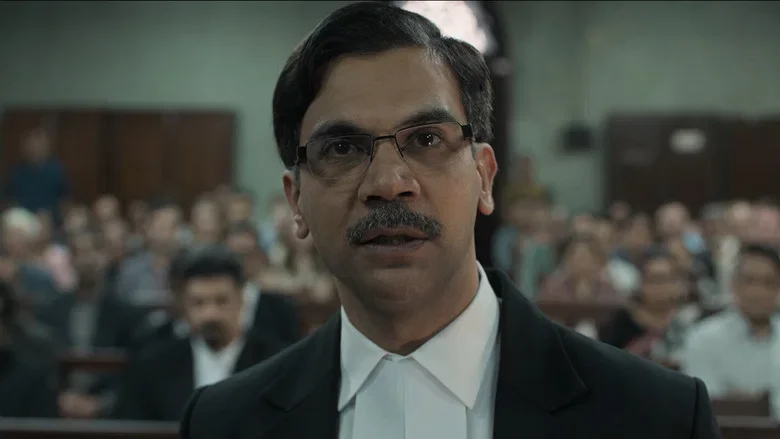
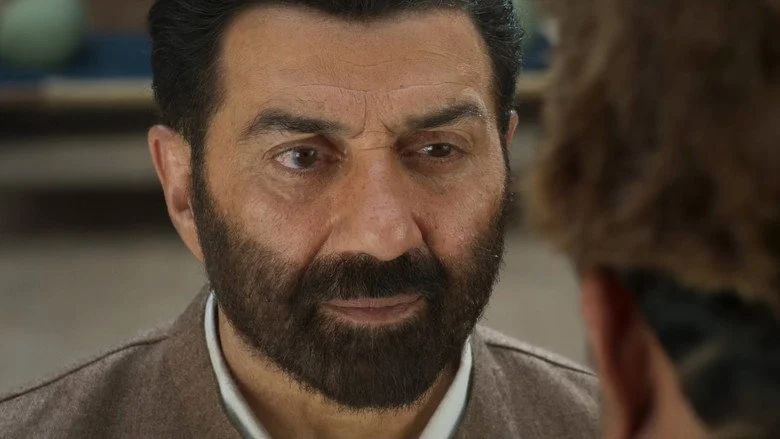
Sikander Mirza doesn’t enter Lahore with a gun. He walks into an allotted house that already belongs to someone else, and Sunny Deol plays that hesitation beautifully. The actor, known for explosive rage in *Gadar*, here chooses restraint.
His resistance is internal, a slow-burning conflict that surfaces when the family’s survival clashes with Mai’s stubborn claim. Deol’s physicality is still present, but it’s redirected into protective postures rather than violence. This is a more mature register for him.
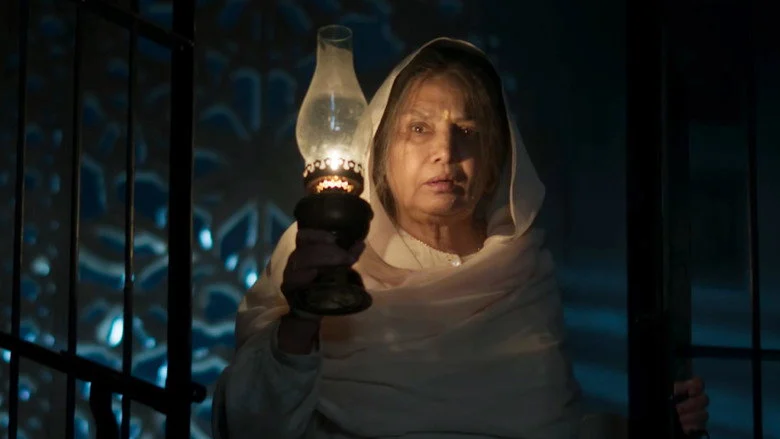
Shabana Azmi’s Mai Turns Property into a Principle
Azmi’s Mai refuses to leave, and that single act of refusal becomes the film’s beating heart. She doesn’t play victimhood; she plays ownership as identity. The confrontation scene where she faces the refugee family is the most praised moment in the available materials, and it’s easy to see why.
Her presence elevates every scene she shares with Deol. The generational and ideological clash between their characters carries the dramatic weight that the plot structure depends on. It’s a performance built on stillness and conviction.
The Single-House Conflict is a Smart Directorial Choice
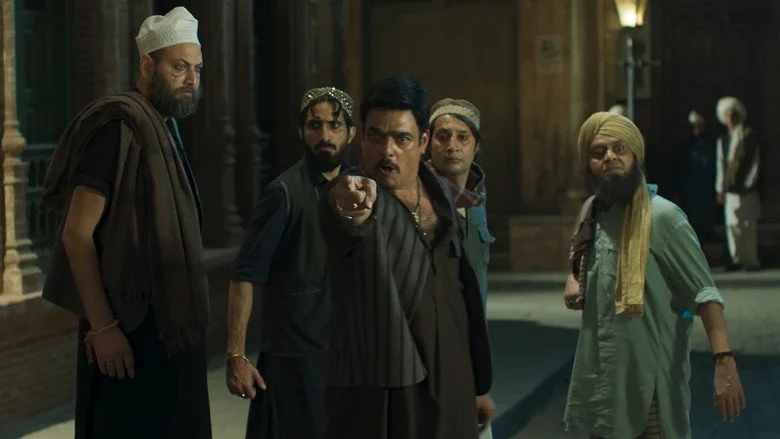
Rajkumar Santoshi adapts Asghar Wajahat’s play into a contained drama, and that decision pays off. By limiting the primary action to one household, he forces the Partition’s horror to seep in through the cracks rather than dominate the frame. The escalating violence outside becomes a distant rumble that pressures every conversation inside.
The screenplay is linear, which suits the material, but it does leave some supporting characters underdeveloped. Karan Deol’s Javed and Preity Zinta’s Hamida are present, yet the available research doesn’t suggest they get arcs as defined as the leads’. The film’s focus is narrow, and that’s both its strength and its limitation.
Santoshi’s weakness here appears to be pacing. The middle section, built around uneasy coexistence, risks repetition before the climax escalates. Still, he trusts the moral dilemma over set-piece convenience, which is a welcome instinct for a period drama with action credentials.
Genre Execution: Drama First, Action as Consequence
The house-allotment confrontation is the film’s key genre moment, a drama scene that carries more tension than any chase sequence could. It establishes the central conflict without resorting to melodrama or shouting matches. Santoshi lets the silence between Mai and Sikander do the work.
The Partition backdrop supplies historical pressure, but the craft observation here is that the film uses it as context, not spectacle. The trailer materials frame the story around moral conflict and displacement, and that’s exactly where the drama lives. The action, when it comes, feels like an eruption of the domestic tension rather than a standalone attraction.
Santosh Sivan’s cinematography is credited, and while no critic commentary is available, the visual palette for a Partition drama of this scale suggests a muted, dust-heavy aesthetic. A.R. Rahman’s score, with lyrics by Javed Akhtar, remains an unverified but promising component. The film reportedly carries a ₹150 crore budget, and that money appears to be on screen in production value rather than bombast.
For more on the Partition-era dramas and their cinematic treatment, browse through our Hindi Action reviews.
Supporting Cast: Ali Fazal and the Antagonist’s Edge
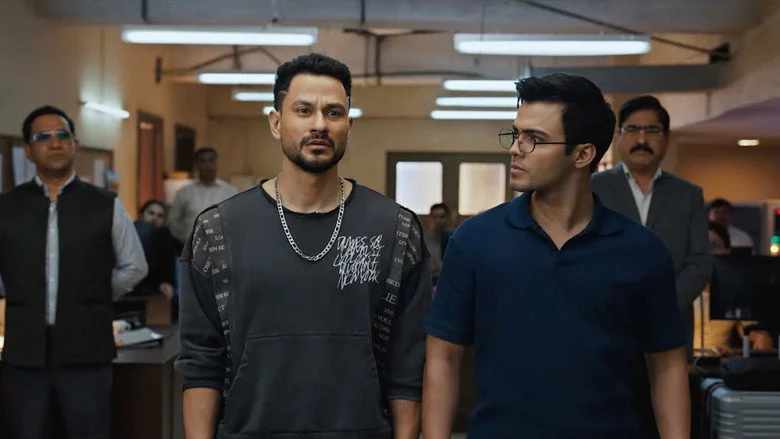
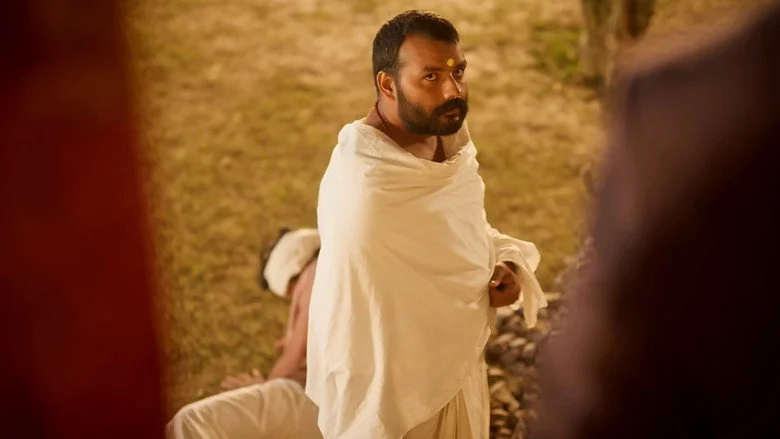
Ali Fazal’s dual role as Nasir Kazmi and Habeeb signals a character built on moral ambiguity. He’s listed as supporting, but his casting suggests a figure who complicates the family’s position rather than simply aiding it. Abhimanyu Singh’s Yakub Khan provides the antagonistic pressure, a confrontational presence that likely embodies the communal violence encroaching on the household.
Preity Zinta’s Hamida anchors the domestic side, and Khushi Hajare’s Tanno alongside Kanikka Kapur’s Nishat round out the family unit. The ensemble is clearly defined, each actor positioned to serve the central moral conflict. The censor board reportedly cleared the film without cuts, which suggests the political angle is handled with care rather than provocation.
The title change from *Lahore 1947* to *Batwara 1947* for broader appeal, along with reported postponements for reshoots, indicates a production that was carefully recalibrated. That attention to detail shows in the film’s refusal to take sides, it’s about survival, not victory.
Recommendation: A Thoughtful Watch for History Buffs
This is not a film for viewers seeking light entertainment or a conventional action spectacle. It’s a class-oriented historical drama that rewards patience and an interest in moral complexity. Watch it in a regular cinema format where the contained intensity of the performances can breathe. If you’re drawn to the human cost of Partition rather than its political bullet points, this deserves your time.
Sunny Deol’s measured performance and Shabana Azmi’s commanding presence make *Batwara 1947* a compelling, if deliberately paced, examination of home and belonging. It’s a solid 3.5 out of 5, a serious drama that occasionally struggles with its own restraint but never loses its moral core.
For a similar exploration of a lone figure facing an unseen threat, check out our take on Spider Man review.
If you prefer a critique of a comedy that misses its mark, read our review of Bhai Tera verdict.