Category: Family

  • Max, Min and Meowzaki (2026): A Modest Drama That Finds Heart in a Pet Custody Dispute

    Max, Min and Meowzaki (2026): A Modest Drama That Finds Heart in a Pet Custody Dispute

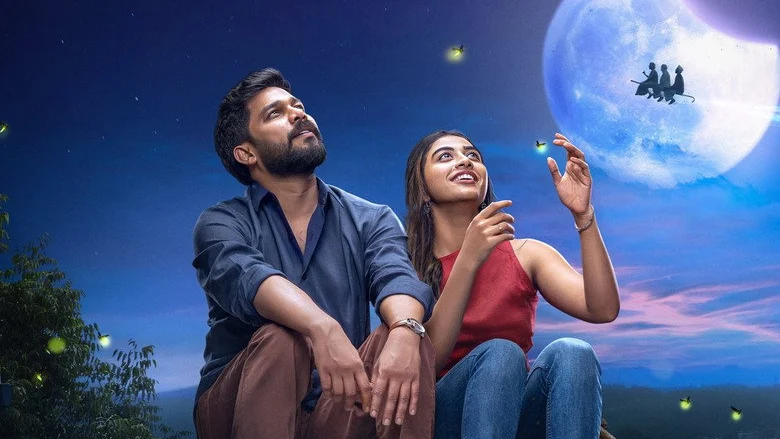
    The film opens over a box of old photo albums, a spatula, and a hissing cat carrier. Max (Siddharth Menon) and Min (Medha Shankr) dissect their shared life with the cold precision of divorce lawyers, their voices brittle with old resentments. Meowzaki, a Persian with the patience of a saint, watches from her carrier as they negotiate her fate.

    This opening scene sets the temperature for a drama that is deliberately small in scale but large in emotional consequence. Padmakumar Narasimhamurthy’s directorial risk here is betting everything on the quietness of its conflict, a sharp gamble that pays off more often than it falters.
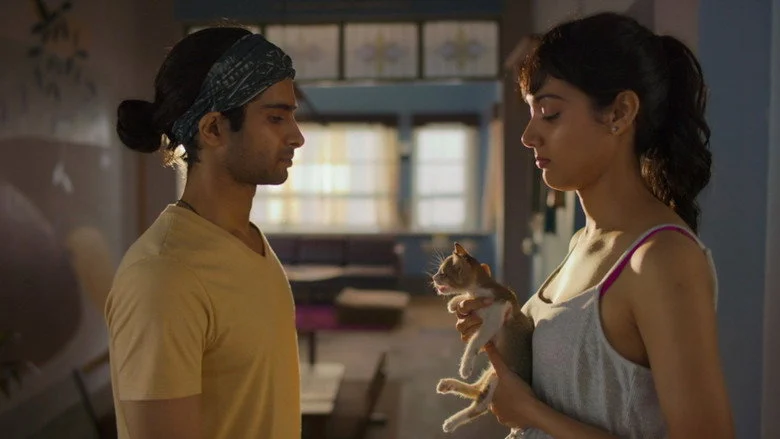
    Max, Min and Meowzaki (2026) review image

    Medha Shankr and the Fury of Unfinished Business

    Min wields her grief like a weapon and a shield. Medha Shankr commands a terrific scene where she argues custody not with anger, but with a chilling, exhausted smile, a choice that reveals a woman tired of being the one who cares more.

    Shankr’s performance never tips into melodrama. She gives Min a brittle, internalised rage, most potent in a silent sequence where she cleans the empty apartment, her face a blank slate that holds ten years of memory.
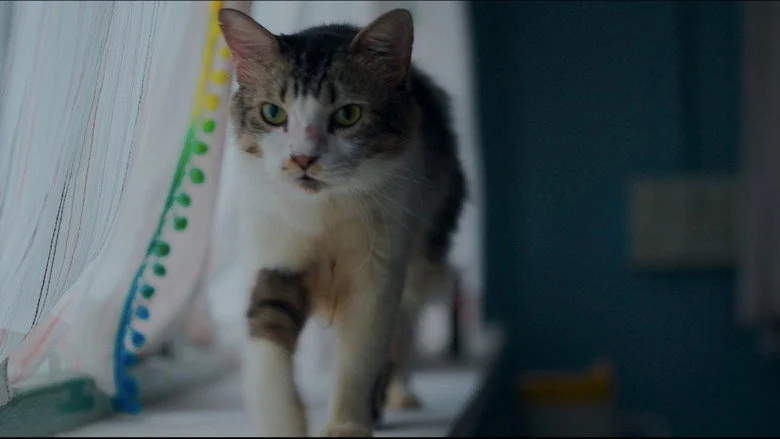
    Max, Min and Meowzaki - Siddharth Menon and the Grief He Cannot Name

    Siddharth Menon and the Grief He Cannot Name

    Menon’s Max is the trickier role: a man deflecting pain through allergy jokes and logical arguments about who gets the espresso machine. He is convincing in the early scenes of shallow denial, but the performance finds its footing in Act 2.

    When Max breaks down alone, clutching Meowzaki while remembering his mother’s final days from cancer, Menon allows the mask to crack. It is a credible, if occasionally underwritten, portrait of male grief that waits until no one is watching to show its face.

    Direction Lives in the Gaps, Not the Peaks

    Padmakumar Narasimhamurthy directs with a clear focus on everyday gestures, the way a hand hovers over a shared photo, the pause before a door closes. This approach avoids dramatic twists and trusts the audience to read between the lines.

    The screenplay’s biggest flaw is its linear structure. The narrative proceeds through the breakup without introducing any real surprise or temporal layering, making the middle act feel stretched. A more inventive editing pattern might have tightened the emotional arc.

    The Cat as Genre Core: A Drama on a Leash

    As a drama, the film stakes its emotional currency entirely on Meowzaki, the cat named after Hayao Miyazaki, as a living metaphor for unfinished love and shared history. This is a risky choice because a cat cannot emote on command.

    The bonding scenes between Max and the cat are sweet, but they lack the sharpness of genuine catharsis. We are told about their connection to Miyazaki films as a backstory, but we rarely *feel* it in the moment.

    However, the film earns its keeping in the small victories. A single shot of Max talking to Meowzaki in the dead of night, confessing his mother’s absence, lands with surprising weight. It is the kind of quiet, unhurried drama that rewards patience.

    Nassar and Adil Hussain: The Fathers Who Know Too Much

    Nassar brings a weary, dry wisdom as a father who has seen this story before. His one scene of advice to Max, about how breaking a home is sometimes the kindest thing, is delivered with a shrug that carries decades of lived experience.

    Adil Hussain, in a brief appearance, plays a family friend who reminds Min that anger is a form of love. Hussain’s economy of expression is formidable; he can say more with a single nod than most actors can with a monologue. Mandira Bedi and Nafisa Ali fill their roles with professional ease, though their screen time is frustratingly limited. Gitanjali Rao, as a neighbour, adds a touch of eccentric warmth that the film needs more of.

    Vidhatri Bandi appears as a younger friend who offers Min a blunt perspective. Her casting signals the film’s intent to balance older generational wisdom with a sharper, modern voice, even if the script doesn’t give her enough ground to explore it fully.

    If this reflective, cat-infused drama intrigues you, browse our collection of Hindi Drama reviews for similar emotional journeys.

    Where Is the Controversy? Replaced by Quiet Resonance

    There are no political angles or backstage scandals to distract from the work here. The film’s biggest risk, and its quiet achievement, is how unapologetically domestic it remains.

    The audience reception, from early festival screenings, suggests a divided room: those who will find this slice-of-life drama deeply moving, and those who will wish for a sharper directorial edge. I find myself leaning toward the former, but only barely.

    Without box office data or a critical consensus yet, the film stands as a curiosity, a risk-led piece of indie filmmaking that prioritises feeling over flash. It is a film that will find its audience, but not a stadium-sized one.

    Verdict: If you are looking for a quiet, honest film about the things we keep when a relationship ends, watch *Max, Min and Meowzaki* in a small setting, a streaming night or a festival screening. Skip it if you need plot momentum or loud emotional peaks. It earns its ending, but it makes you work for it.

    For me, Max, Min and Meowzaki is a genuinely gentle 3-star drama that understands the shape of grief better than the shape of a screenplay.

    Menon’s grief register in this film recalls India Story review’s quiet approach to internal conflict.

    This feline custody drama shares its intimate observational tone with Tera Yaar verdict.

  • Revolver Rinko (2026): Kiran Narayanan’s restrained craft earns genuine cross-audience appeal.

    Revolver Rinko (2026): Kiran Narayanan’s restrained craft earns genuine cross-audience appeal.

    Revolver Rinko (2026) arrives on May 8, 2026 with fewer promises than most Malayalam Family, Drama releases and keeps more of them. Kiran Narayanan and Tharaka Productions have made a 2+ Hours film that earns its craft credentials rather than assuming them.

    Revolver Rinko holds 7 out of 10 across platforms, which for a film of its formal ambition is a strong result. Audience scoring systems do not typically reward restraint — the fact that Revolver Rinko scores this well while exercising it suggests the film has genuine cross-audience appeal.

    Revolver Rinko

    Structural Analysis: The Narrative of Revolver Rinko

    Kiran Narayanan has given Kiran Narayanan a script in Revolver Rinko that opens on A premise that announces itself clearly and does not pretend the premise is more novel than it is. What the screenplay does instead is execute the familiar with enough craft and specificity to justify its existence — which is the more demanding achievement.

    Kiran Narayanan has rooted Revolver Rinko in India with the understanding that geography is not neutral in Drama storytelling. The crores production from Tharaka Productions gives Kiran Narayanan access to the actual locations the script requires — and the film’s credibility depends on that access.

    The honest critical note on Revolver Rinko is that Kiran Narayanan‘s control of the film’s pace and intention is more complete in the first half than the second. What enters the third act is not bad material — it is surplus material, and surplus is a different kind of problem.

    Performance Under Scrutiny: The Cast of Revolver Rinko

    What Vishnu Unnikrishnan achieves as Priyesh in Revolver Rinko is the suppression of performance itself. You do not watch them act — you watch Priyesh exist. The distinction is the difference between craft and technique, and Vishnu Unnikrishnan is operating at the former level throughout.

    Vishnu Unnikrishnan, Lalu Alex, Binu Thrikkakkara, Saju Navodaya give Revolver Rinko the kind of supporting performances that the film’s central argument requires — specific, grounded, and free of the self-consciousness that afflicts actors who know they are being watched. Kiran Narayanan has created the conditions for unselfconscious work and the cast has delivered it.

    The supporting contributions of Ansha Mohan, Mareena Michael in Revolver Rinko represent the film at its most precisely observed. Their scenes carry a weight that the screenplay describes in outline and the performance fills in completely. Vishnu, Lalu, Saju, Binu, V. operates with comparable precision in a different register — the supporting cast as a whole does not have a weak point.

    Direction, Editing, and Visual Intelligence in Revolver Rinko (2026)

    The technical achievement of Revolver Rinko begins with the relationship between Kiran Narayanan and the crores that Tharaka Productions committed to the production. That relationship — of filmmaker leading and resources following — is what gives Revolver Rinko its coherence.

    The editorial work of Ayoob Khan on Revolver Rinko at 2+ Hours reflects a collaboration with Kiran Narayanan that has produced a cut of real quality across most of the film’s duration. The final act is where the editing is working hardest and achieving least — a disproportion that a more severe pass might have corrected.

    The visual argument of Revolver Rinko is made consistently and with conviction. Kiran Narayanan has developed a cinematographic language for Revolver Rinko that is specific to its story and setting — the India locations are not photographed for their beauty but for their meaning, which is the correct critical priority.

    Revolver Rinko (2026): Critical Position and Considered Recommendation

    The commercial reception of Revolver Rinko — 0.388 on the popularity index — confirms what the critical case for the film suggests: that Kiran Narayanan and Tharaka Productions have made something that functions simultaneously as serious cinema and accessible entertainment. That achievement is rarer than either alone.

    Across 1000+ logged responses, Revolver Rinko holds 7+ Stars — a figure that has not eroded as the audience has widened beyond the film’s initial constituency. This stability is the critical signal that matters: the film’s quality does not depend on who is watching it.

    Revolver Rinko does not resolve all the problems it sets itself. What it does — with 2+ Hours of carefully made Malayalam Family, Drama cinema — is demonstrate that Kiran Narayanan is a filmmaker worth following and that the form itself still has critical territory worth exploring.

    The critical record continues — find more films at this level of craft in our Malayalam review index.

    [egp_related_silo genre=’Drama’ lang=’Malayalam’]
  • Daadi Ki Shaadi (2026): Ashish R. Mohan crafts a sincere, cleverly modest family comedy.

    Daadi Ki Shaadi (2026): Ashish R. Mohan crafts a sincere, cleverly modest family comedy.

    Daadi Ki Shaadi (2026) arrives on May 8, 2026 with fewer promises than most Hindi Family, Drama, Comedy releases and keeps more of them. Ashish R. Mohan and R Take Studios, Beingu Studios have made a 150 minutes film that earns its craft credentials rather than assuming them.

    A 7 out of 10 from the audience is, in this case, a more meaningful figure than it might appear. Daadi Ki Shaadi is not a film engineered for mass satisfaction. That it achieves 7 out of 10 while maintaining its creative integrity is the more interesting data point.

    Daadi Ki Shaadi

    Plot and Intention: What Daadi Ki Shaadi Is Attempting

    The first act of Daadi Ki Shaadi establishes A grandmother’s mishap with a social media post causes consternation amongst her… with the economy of a Ashish R. Mohan, Bunty Rathore script that knows its own purpose. There is no throat-clearing, no unnecessary scene-setting — Ashish R. Mohan is in the material from the first frame, and the film benefits from that directness.

    The India setting of Daadi Ki Shaadi is not pictorial — it is argumentative. Ashish R. Mohan, Bunty Rathore has written a story that means something different because of where it happens, and Ashish R. Mohan films the crores production with the awareness that the location is doing narrative work, not just visual work.

    The honest critical note on Daadi Ki Shaadi is that Ashish R. Mohan‘s control of the film’s pace and intention is more complete in the first half than the second. What enters the third act is not bad material — it is surplus material, and surplus is a different kind of problem.

    Acting in Daadi Ki Shaadi (2026): What Holds and What Does Not

    The critical question about any central performance is whether it earns the film’s trust in it. Kapil Sharma‘s portrayal of a character in Daadi Ki Shaadi answers that question affirmatively from the first scene and does not revise that answer once across the full 150 minutes runtime.

    What Kapil Sharma, Riddhima Kapoor Sahni, Sadia Khateeb, Neetu Singh bring to Daadi Ki Shaadi is the collective quality that distinguishes a cast from a group of actors: they appear to inhabit the same world. The coherence of the ensemble in Daadi Ki Shaadi is not accidental — it is the result of direction that prioritised the world over the individual performance.

    It would be a critical failure to assess Daadi Ki Shaadi without accounting for Samara Sahni, Neetu Singh, whose performance in the film’s middle section is its most emotionally complex passage. Kapil, Neetu, Sadia, Riddhima, R. brings a different kind of complexity to their scenes — more structural than emotional — and Daadi Ki Shaadi needs both.

    The Craft Argument for Daadi Ki Shaadi (2026)

    Ashish R. Mohan has made Daadi Ki Shaadi as though the crores were a tool rather than a mandate. The R Take Studios, Beingu Studios production funding appears to have been given with genuine creative latitude, and Ashish R. Mohan has used that latitude to make decisions that serve the film rather than the investment.

    Protim Khaound cuts Daadi Ki Shaadi to 2 hr 30 mins with a precision that the film earns through the quality of its material. The editing is not decorative — it is argumentative, making claims about the film’s rhythm and pacing that the direction supports. The third act is the one place where those claims become harder to sustain.

    What distinguishes the technical achievement of Daadi Ki Shaadi from merely competent filmmaking is the relationship between its visual choices and its thematic ones. Ashish R. Mohan has made a film in India that looks like what it means — which is the most demanding standard in Hindi Family cinema and the one that Daadi Ki Shaadi meets.

    Daadi Ki Shaadi (2026): A Critic’s Final Account

    The 1.0833 popularity index for Daadi Ki Shaadi reflects an audience that did not need the film to simplify itself in order to engage with it. That this particular film — directed with Ashish R. Mohan‘s degree of formal intention — scores at 1.0833 is the more interesting commercial data point.

    The 7+ Stars from 1000+ audience reviews constitutes the clearest available evidence that Daadi Ki Shaadi has succeeded on its own terms. Not the terms of the market, not the terms of the genre — the terms that Ashish R. Mohan established for this film specifically.

    Daadi Ki Shaadi is, on critical balance, one of the better Hindi Family, Drama, Comedy films of its season. Its limitations are real and have been noted. Its achievements — formal, performative, and thematic — are more substantial and less common. At 2h 30m, it warrants the attention it asks for.

    The critical record continues — explore our critical catalogue of Hindi releases from 2026.

    [egp_related_silo genre=’Family’ lang=’Hindi’]
  • Madhuvidhu (2026): Vishnu Aravind crafts a disciplined drama with earned restraint

    Madhuvidhu (2026): Vishnu Aravind crafts a disciplined drama with earned restraint

    Madhuvidhu (2026) arrives on April 23, 2026 with fewer promises than most Malayalam Comedy, Drama, Family releases and keeps more of them. Vishnu Aravind and Ajith Vinayaka Films Pvt Ltd have made a 125 minutes film that earns its craft credentials rather than assuming them.

    The 7 out of 10 audience score is worth contextualising. It reflects a large number of viewers who arrived with mainstream expectations and found a film that exceeded them — which is the most useful kind of positive reception a serious Malayalam Drama film can generate.

    Madhuvidhu

    Narrative Discipline and Its Limits in Madhuvidhu

    Bibin Mohan, Jay Vishnu situates Madhuvidhu in A premise that announces itself clearly with a restraint that announces the film’s priorities early. This is not a screenplay interested in exploitation. It is interested in consequence — and Vishnu Aravind follows that interest throughout the 125 minutes runtime without flinching.

    Bibin Mohan, Jay Vishnu has rooted Madhuvidhu in India with the understanding that geography is not neutral in Drama storytelling. The crores production from Ajith Vinayaka Films Pvt Ltd gives Vishnu Aravind access to the actual locations the script requires — and the film’s credibility depends on that access.

    The one place Madhuvidhu loses critical confidence is precisely where most Malayalam Drama films lose it — the junction between the second act and the conclusion. Vishnu Aravind and Bibin Mohan, Jay Vishnu are both working hard in that section. The evidence of the work, rather than its result, is occasionally visible.

    From Sharafudheen Down: A Critical Account of Madhuvidhu’s Performances

    What Sharafudheen achieves as Amruthraj / Ammu in Madhuvidhu is the suppression of performance itself. You do not watch them act — you watch Amruthraj / Ammu exist. The distinction is the difference between craft and technique, and Sharafudheen is operating at the former level throughout.

    Vijitha Vijayakumar, Kalyani Panicker, Sreejaya Nair, Sharafudheen give Madhuvidhu the kind of supporting performances that the film’s central argument requires — specific, grounded, and free of the self-consciousness that afflicts actors who know they are being watched. Vishnu Aravind has created the conditions for unselfconscious work and the cast has delivered it.

    Bindu Panicker, Sreejaya Nair demonstrates in Madhuvidhu what supporting performance looks like when an actor refuses to treat secondary status as a creative limitation. The role is not the film’s largest. The work done within it is among the film’s most exacting. Sharafudheen, Kalyani, Vijitha, Sreejaya, Vineeth meets the same standard through different means.

    How Vishnu Aravind Has Solved the Technical Problems of Madhuvidhu

    Vishnu Aravind has made Madhuvidhu as though the crores were a tool rather than a mandate. The Ajith Vinayaka Films Pvt Ltd production funding appears to have been given with genuine creative latitude, and Vishnu Aravind has used that latitude to make decisions that serve the film rather than the investment.

    The 2 hr 5 mins edit from Christy Sebastian is the product of a genuine understanding of what Madhuvidhu requires at the level of pace and internal logic. The film’s rhythm is established early and maintained consistently — the loosening in the final act is a screenplay problem that editing can mitigate but not solve.

    Madhuvidhu has been photographed with the understanding that cinematography in Drama cinema is not embellishment — it is argument. Every compositional decision Vishnu Aravind makes in Madhuvidhu has a relationship to what the film is saying, not just to what it is showing.

    Assessing Madhuvidhu: Where It Stands in the Malayalam Drama Field

    The 1.337 score on Madhuvidhu deserves neither critical dismissal nor uncritical celebration. What it indicates is that a film made with genuine intention has reached a genuinely large audience — and that those viewers have responded to the intention as well as the entertainment.

    The 7+ Stars consensus from 1000+ audience reviews is the audience’s collective answer to the question of whether Madhuvidhu delivers. The answer is affirmative, consistent, and built across a sample large enough to be treated as evidence rather than indication.

    The final critical position on Madhuvidhu is this: it is a film made by people who cared about what they were making, and the evidence of that care is visible in the finished work. At 2h 5m of Malayalam Comedy, Drama, Family cinema, that is not a small claim. It is, in the current landscape, a significant one.

    The critical record continues — find more seriously made Malayalam Drama films in our archive.

    [egp_related_silo genre=’Drama’ lang=’Malayalam’]
  • Thimmarajupalli TV (2026): V Muniraju’s restrained family drama rewards patient viewers.

    V Muniraju has made Thimmarajupalli TV (2026) with the economy of a filmmaker who knows that restraint is harder to achieve than spectacle. At 165 minutes, this Telugu Drama, Family production from KA Productions, Sumaira Studios arrived on April 17, 2026 and made the case that the form still has something to say.

    That 7 out of 10 on Thimmarajupalli TV is the score of a film that chose its audience correctly and served them honestly. In a field where ratings are frequently manufactured by opening weekend enthusiasm, a settled score built over time carries considerably more critical weight.

    Structural Analysis: The Narrative of Thimmarajupalli TV

    Unknown situates Thimmarajupalli TV in Hope you will rewind all your memories back, from Wi-Fi to Antenna… with a restraint that announces the film’s priorities early. This is not a screenplay interested in exploitation. It is interested in consequence — and V Muniraju follows that interest throughout the 165 minutes runtime without flinching.

    Unknown has rooted Thimmarajupalli TV in India with the understanding that geography is not neutral in Family storytelling. The crores production from KA Productions, Sumaira Studios gives V Muniraju access to the actual locations the script requires — and the film’s credibility depends on that access.

    The structural weakness of Thimmarajupalli TV is localised in its final act, where Unknown’s script accumulates more than it resolves. V Muniraju manages the excess with skill — the film does not collapse — but a more rigorous edit would have clarified what the narrative is ultimately arguing.

    The Performances That Make Thimmarajupalli TV Credible

    Sai tej Pulula brings to a character in Thimmarajupalli TV a quality that the screenplay points toward but cannot guarantee: interiority. The character’s inner life is visible without being stated, communicated through an accumulation of small choices that a less disciplined actor would not have made and most audiences will not consciously notice.

    Vedasree, Teja Velpucharla, V Muniraju, Sai tej Pulula give Thimmarajupalli TV the kind of supporting performances that the film’s central argument requires — specific, grounded, and free of the self-consciousness that afflicts actors who know they are being watched. V Muniraju has created the conditions for unselfconscious work and the cast has delivered it.

    The critical undervaluation of supporting performance is a persistent problem in reviews of films like Thimmarajupalli TV. The work of and Sai, Vedasree, V, Teja, Kiran in Thimmarajupalli TV is a corrective to that habit — both deliver performances of a quality that the film’s overall standard requires and that the final result depends on.

    How V Muniraju Has Solved the Technical Problems of Thimmarajupalli TV

    The directorial intelligence of Thimmarajupalli TV is most legible in what V Muniraju chooses not to do with the crores from KA Productions, Sumaira Studios. The film does not expand to fill its resources — it focuses them, and that focus produces a visual and tonal precision that the Telugu Family field rarely achieves at this scale.

    The 2 hr 45 mins edit from Unknown is the product of a genuine understanding of what Thimmarajupalli TV requires at the level of pace and internal logic. The film’s rhythm is established early and maintained consistently — the loosening in the final act is a screenplay problem that editing can mitigate but not solve.

    The technical coherence of Thimmarajupalli TV across its 2h 45m runtime reflects a production in which every department received the same creative brief and interpreted it faithfully. The result is a film that does not read as assembled but as conceived — which is the standard all serious Telugu Family cinema should aspire to.

    Reception, Evaluation, and Recommendation — Thimmarajupalli TV (2026)

    Thimmarajupalli TV has accumulated a popularity score of 0.1464 — a figure that a critic should resist treating as either validation or irrelevance. The more useful observation is that a film of this formal ambition reaching 0.1464 suggests the Telugu Family audience is more sophisticated than the market often assumes.

    The 7+ Stars from 1000+ audience reviews constitutes the clearest available evidence that Thimmarajupalli TV has succeeded on its own terms. Not the terms of the market, not the terms of the genre — the terms that V Muniraju established for this film specifically.

    Thimmarajupalli TV is, on critical balance, one of the better Telugu Drama, Family films of its season. Its limitations are real and have been noted. Its achievements — formal, performative, and thematic — are more substantial and less common. At 2h 45m, it warrants the attention it asks for.

    The critical record continues — read our full critical coverage of Telugu Family cinema.

    [egp_related_silo genre=’Family’ lang=’Telugu’]

  • Black pepper (2026): Tinkoo crafts a disciplined, honest family film.

    Black pepper (2026): Tinkoo crafts a disciplined, honest family film.

    Critical fatigue with the Hindi Family form is understandable. What Tinkoo has made in Black pepper (2026) is the argument against that fatigue. Produced by Unknown at 9 minutes and released March 6, 2026, it demonstrates what the genre looks like when a filmmaker treats it as a vehicle for something real.

    The 7 out of 10 audience figure attached to Black pepper is consistent with a film doing something right at both the craft and entertainment level simultaneously. Films that achieve that alignment rarely see their scores erode as the audience grows — and Black pepper has not.

    Black pepper

    Narrative Discipline and Its Limits in Black pepper

    Tinkoo has written Black pepper around Kala kagaz is a short film that feature the story of two… with a structural clarity that Tinkoo honours rather than complicates. The result is a film whose intentions are legible throughout — which does not make it simple, but does make it honest.

    The 0+ Crores production across gives Black pepper a specificity that is essential to what Tinkoo is writing about. Tinkoo treats this specificity as a responsibility rather than an asset — the film does not display its locations, it inhabits them.

    The structural weakness of Black pepper is localised in its final act, where Tinkoo’s script accumulates more than it resolves. Tinkoo manages the excess with skill — the film does not collapse — but a more rigorous edit would have clarified what the narrative is ultimately arguing.

    Acting in Black pepper (2026): What Holds and What Does Not

    The performance Tinkoo gives in Black pepper as Kisna deserves critical attention beyond the usual vocabulary of praise. This is not a performance of range or intensity — it is a performance of precision, and precision of this order is rarer and more valuable than either.

    The relationship between Tinkoo‘s central performance and the ensemble of Shivam prabhakar, Rinku, Tinkoo, Vishal in Black pepper is the relationship between a soloist and an orchestra that has learned not to overplay. The balance is Tinkoo‘s achievement, and it holds across the full runtime of Black pepper.

    The supporting contributions of in Black pepper represent the film at its most precisely observed. Their scenes carry a weight that the screenplay describes in outline and the performance fills in completely. Tinkoo, Rinku, Shivam, Vishal operates with comparable precision in a different register — the supporting cast as a whole does not have a weak point.

    How Tinkoo Has Solved the Technical Problems of Black pepper

    Tinkoo has made Black pepper as though the 0+ Crores were a tool rather than a mandate. The Unknown production funding appears to have been given with genuine creative latitude, and Tinkoo has used that latitude to make decisions that serve the film rather than the investment.

    Editor Unknown has assembled Black pepper at 9 mins with an editorial intelligence that is most visible in the first half and most tested in the third act. The early editing establishes a rhythm of considerable sophistication — the later editing maintains it under greater structural pressure, with partial success.

    The technical coherence of Black pepper across its 9m runtime reflects a production in which every department received the same creative brief and interpreted it faithfully. The result is a film that does not read as assembled but as conceived — which is the standard all serious Hindi Family cinema should aspire to.

    The Critical Verdict on Black pepper — What It Achieves and What It Does Not

    The 0.1399 popularity index for Black pepper reflects an audience that did not need the film to simplify itself in order to engage with it. That this particular film — directed with Tinkoo‘s degree of formal intention — scores at 0.1399 is the more interesting commercial data point.

    With 1000+ responses producing 7+ Stars, Black pepper occupies a critical position that its directorial ambition alone would not guarantee. The audience has independently arrived at the assessment that the film merits — which suggests that quality, when it is present, continues to be recognised.

    The critical recommendation for Black pepper is unambiguous: watch it, and watch it with the attention that Tinkoo‘s direction and Tinkoo‘s performance deserve. 9m of serious Hindi Drama, Family filmmaking at this level is not available every season.

    The critical record continues — see all Family films from Unknown we have assessed.

    [egp_related_silo genre=’Family’ lang=’Hindi’]
  • Son Of (2026): Unknown’s lean script anchors a quietly confident family thriller

    Son Of (2026): Unknown’s lean script anchors a quietly confident family thriller

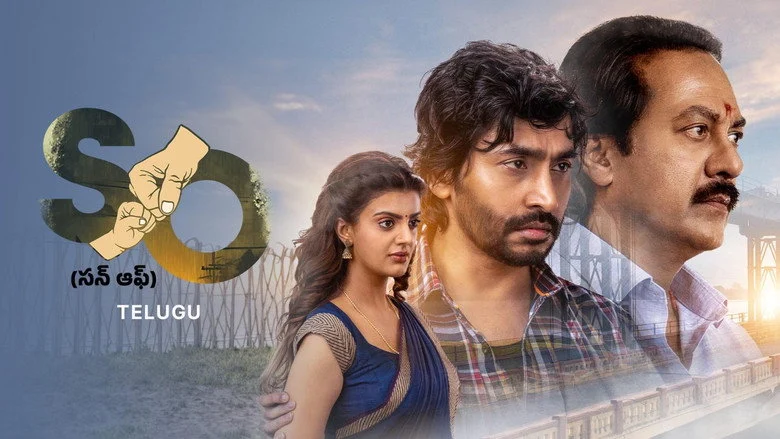
    Son Of (2026) arrives on February 27, 2026 with fewer promises than most Telugu Thriller, Family, Drama releases and keeps more of them. and Unknown have made a 120 minutes film that earns its craft credentials rather than assuming them.

    A 7 out of 10 from the audience is, in this case, a more meaningful figure than it might appear. Son Of is not a film engineered for mass satisfaction. That it achieves 7 out of 10 while maintaining its creative integrity is the more interesting data point.

    Son Of

    Structural Analysis: The Narrative of Son Of

    The first act of Son Of establishes An entitled son sues his father for neglecting his duties. The father’s… with the economy of a Unknown script that knows its own purpose. There is no throat-clearing, no unnecessary scene-setting — is in the material from the first frame, and the film benefits from that directness.

    Produced across at crores, Son Of carries the authority of genuine location. This matters because Unknown’s script makes demands of its setting that a studio approximation could not meet. and Unknown understood that, and the film is stronger for the decision.

    A more severe editor than Unknown might have found twenty minutes in Son Of’s final act that the film would be better without. What exists is not without merit — but the distinction between what is present and what is necessary becomes harder to sustain as the film approaches its conclusion.

    Acting in Son Of (2026): What Holds and What Does Not

    The central performance from Vinod Kumar as a character is the element of Son Of that most resists easy summary. It is a performance of sustained intelligence — not intelligence announced, but intelligence demonstrated, scene by scene, in choices that accumulate rather than declare.

    The supporting architecture of Son Of — inhabited by Vinod Kumar, Meera Raaj, Inturi Vasu — is the work of a director who casts against the assumption that supporting roles are less important than central ones. has clearly not made that assumption, and the film’s credibility depends on the result.

    demonstrates in Son Of what supporting performance looks like when an actor refuses to treat secondary status as a creative limitation. The role is not the film’s largest. The work done within it is among the film’s most exacting. Vinod, Meera, Inturi meets the same standard through different means.

    Production, Direction, and the Limits of Both in Son Of

    directs Son Of from a position of creative authority that the crores production from Unknown reinforces rather than creates. The money is in service of a vision, not a substitute for one — a distinction that most Telugu Drama productions at this budget level fail to make.

    The editorial work of Unknown on Son Of at 2 hours reflects a collaboration with that has produced a cut of real quality across most of the film’s duration. The final act is where the editing is working hardest and achieving least — a disproportion that a more severe pass might have corrected.

    What distinguishes the technical achievement of Son Of from merely competent filmmaking is the relationship between its visual choices and its thematic ones. has made a film in that looks like what it means — which is the most demanding standard in Telugu Drama cinema and the one that Son Of meets.

    Reception, Evaluation, and Recommendation — Son Of (2026)

    The 0.2857 popularity index for Son Of reflects an audience that did not need the film to simplify itself in order to engage with it. That this particular film — directed with ‘s degree of formal intention — scores at 0.2857 is the more interesting commercial data point.

    1000+ audience votes and 7+ Stars. The mathematics are clear. Son Of has produced a consistent experience across a very large and diverse audience — which is the only audience verdict that a critic should treat as meaningful evidence about the film’s actual quality.

    Son Of is, on critical balance, one of the better Telugu Thriller, Family, Drama films of its season. Its limitations are real and have been noted. Its achievements — formal, performative, and thematic — are more substantial and less common. At 2h , it warrants the attention it asks for.

    The critical record continues — explore our complete 2026 Telugu critical archive.

    [egp_related_silo genre=’Drama’ lang=’Telugu’]
  • Tourist Family (2025) Movie Movies4u

    Tourist Family (2025) Movie Movies4u

    Tourist Family emerges as one of 2025’s most compelling Tamil cinema offerings, marking the impressive directorial debut of Abishan Jeevinth. This comedy-drama film brings together a cast led by M. Sasikumar and veteran actress Simran, supported by popular comedians Yogi Babu and M.S. Bhaskar.

    Film Title:Tourist Family
    Main Cast:Mithun Jai Sankar, Simran, M. Sasikumar
    Film Duration:2h 8m
    Category:Drama, Comedy, Family
    Primary Star:M. Sasikumar
    Studio:Million Dollar Studios, MRP Entertainment
    Premiere Date:April 30, 2025
    Filmmaker:Abishan Jeevinth
    Tourist Family

    The film stands out in contemporary Tamil cinema for its focus on human connections and community building. Unlike typical commercial entertainers, Tourist Family explores themes of displacement, belonging, and the transformative power of kindness with a 128-minute runtime.

    Tourist Family Movie Actors

    ActorCharacter
    Mithun Jai SankarNithushan Dharmadas
    Bagavathi PerumalRaghavan
    YogalakshmiKural
    Yogi BabuPrakash
    Ramesh ThilakA. Bhairavan
    M. SasikumarDharmadas
    Kamalesh JeganMulli Dharmadas
    SimranVasanthi Dharmadas
    Elango KumaravelGunasekar
    M. S. BhaskarRichard
    Tourist Family
    Tourist Family
    Tourist Family

    Plot and Storyline

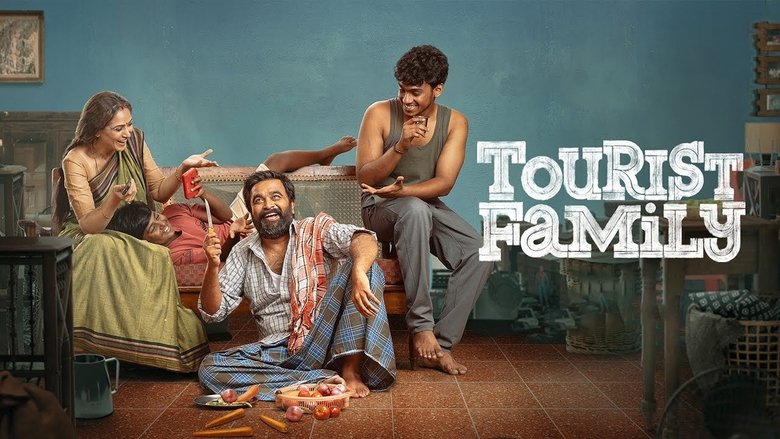
    Tourist Family follows Dharmadas Das (M. Sasikumar), his wife Vasanthi (Simran), and their family who migrate from Sri Lanka to India following the economic crisis. The narrative centers around how this family transforms a disconnected neighborhood into a vibrant community through their infectious love and kindness.

    The story begins with the family’s arrival in a new locality where residents barely acknowledge each other’s existence. The Sri Lankan family begins to break down barriers through small acts of kindness and genuine care for their neighbors.

    What makes the storyline particularly engaging is its realistic approach to character development. Rather than relying on dramatic plot twists, the narrative stays grounded in everyday situations that audiences can relate to.

    Cast Performance

    M. Sasikumar delivers one of his finest performances as Das, bringing the required innocence and warmth to the character. His portrayal feels natural and unforced, making the character relatable to audiences.

    Simran, playing Vasanthi, showcases her versatility by handling both emotional moments and comedic sequences with equal finesse. Her experience shines through in scenes that require balancing motherhood while adapting to a new environment.

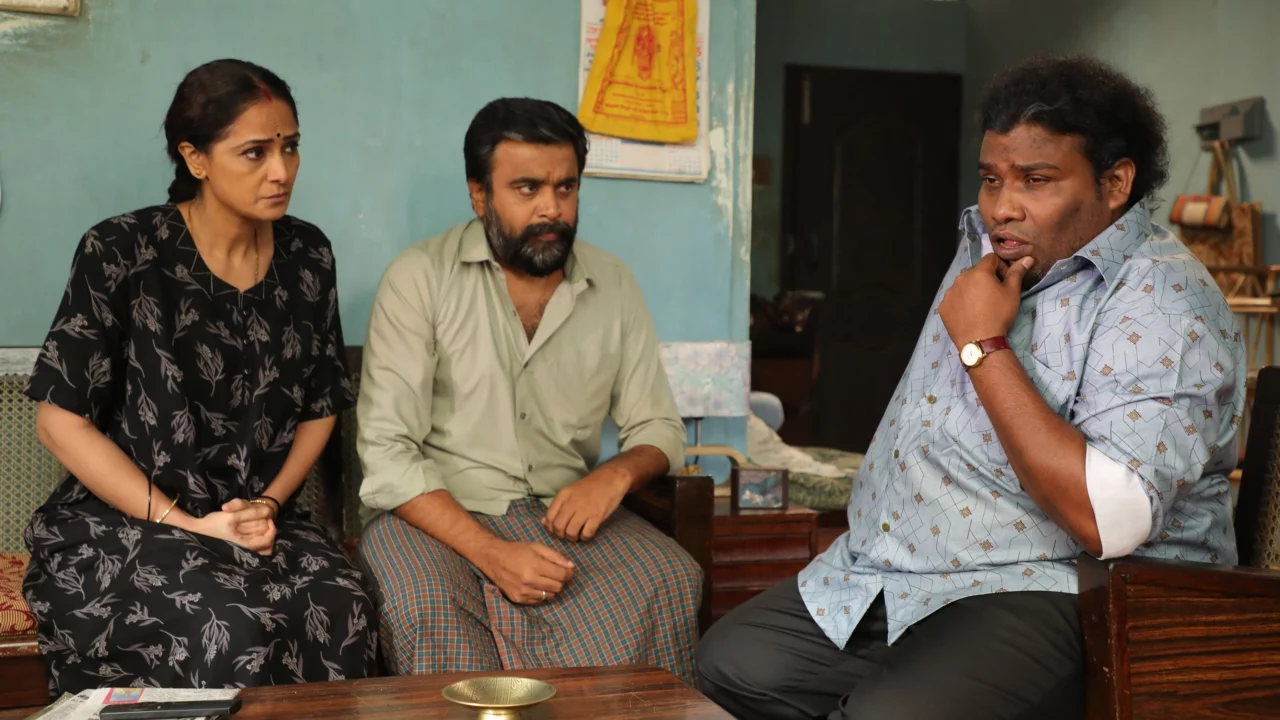
    The supporting cast, including Yogi Babu, M.S. Bhaskar, and others, blends seamlessly into the narrative. Each character adds their own flavor without overshadowing the main plot.

    Direction and Technical Aspects

    Abishan Jeevinth’s directorial debut showcases maturity in storytelling and character development. His approach prioritizes emotional authenticity over commercial appeal, resulting in a film that feels genuine and heartfelt.

    The director has thoughtfully added positive touches to almost every scene, creating an overall uplifting experience. The handling of emotional sequences demonstrates the director’s understanding of human emotions and relationships.

    Technically, the film maintains good production values despite being a mid-budget production. The cinematography captures the essence of neighborhood life effectively.

    Critical Reception and Ratings

    Tourist Family has received overwhelmingly positive reviews from both critics and audiences. The film holds an impressive 8.3 rating on IMDb, reflecting its strong appeal among viewers.

    Critics have praised the film for its simple yet powerful writing and direction that delivers its message with clarity and emotional depth. Review platforms have highlighted the film’s ability to stay focused without getting distracted by commercial elements.

    Popular websites have consistently rated the film positively, with many noting it as a refreshing addition to Tamil cinema. The film has been praised for avoiding typical commercial formulas while maintaining entertainment value.

    Box Office Performance

    Tourist Family has proven to be a commercial success, grossing over ₹87.87 crore worldwide and becoming the sixth highest-grossing Tamil film of 2025. More significantly, it stands as the highest-grossing film in M. Sasikumar’s career.

    The film recovered its entire budget of ₹16 crores within the first week of release. The India net collection reached ₹17.6 crores by day 7, with worldwide collection crossing ₹50 crores within 11 days.

    What I Liked About the Film

    The authentic portrayal of human relationships stands out as the movie’s greatest strength. Every character feels real and relatable, making their journeys emotionally resonant for audiences.

    I particularly appreciated how the screenplay focuses on positive messaging without being preachy. The film manages to convey its themes through natural storytelling rather than forced dialogue.

    The performances across the board feel genuine, with no character seeming out of place. The emotional scenes hit the right notes without unnecessary melodrama.

    Areas That Could Be Better

    While Tourist Family succeeds in most aspects, some sequences in the middle portion could have been tightened to maintain consistent pacing. The film’s deliberately slow-burn approach might not appeal to audiences expecting high-energy entertainment.

    A few more lighter moments could have balanced the emotional weight of certain sequences. The supporting characters could have been given slightly more individual storylines to make their transformations more impactful.

    Public Reception

    Audience reactions have been overwhelmingly positive, with many viewers praising the film’s heart and authenticity. The film has generated strong word-of-mouth publicity, with many calling it a must-watch for families.

    Viewers have particularly appreciated the movie’s positive messaging and the way it portrays the power of small acts of kindness. Many have noted the film’s relevance in today’s world where community connections often take a backseat.

    Final Verdict

    Tourist Family stands as a testament to the power of simple, well-told stories in cinema. Abishan Jeevinth’s directorial debut offers a refreshing take on community building and human connections, supported by authentic performances.

    The film succeeds in delivering entertainment while conveying meaningful messages about kindness, acceptance, and the importance of community. It proves that audiences are ready for content-driven cinema that prioritizes emotional authenticity over commercial formulas.

    For viewers seeking heartwarming cinema that celebrates human goodness, Tourist Family offers a satisfying and uplifting experience. The film’s commercial success alongside critical acclaim suggests a promising future for similar content-driven projects in Tamil cinema.