Category: English

  • The Odyssey (2026): Nolan’s Ambitious Epic Risks Sinking Under Its Own Mythic Weight

    The Odyssey (2026): Nolan’s Ambitious Epic Risks Sinking Under Its Own Mythic Weight

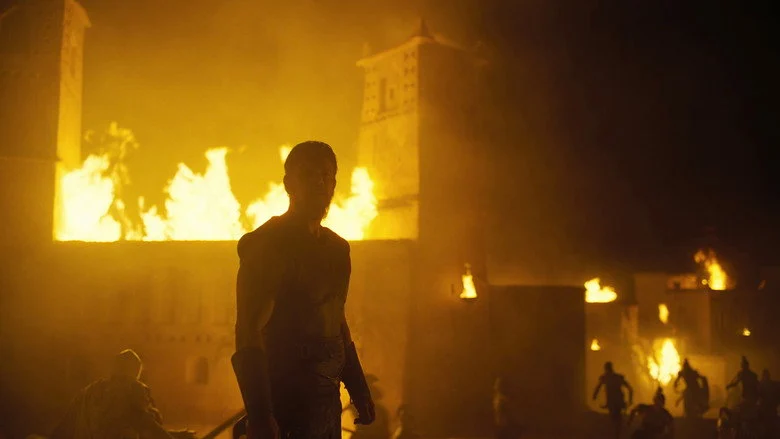
    Odysseus, played by Matt Damon, drives a spear into the eye of Polyphemos, and for a moment the IMAX screen feels like it might tear open. It is Nolan at his most elemental, brute force, mythic scale, and a sound design that makes the giant’s rage feel tectonic.
    The Odyssey (2026) review image

    Matt Damon: A King Without a Kingdom

    Damon’s Odysseus is a weary man first, a warrior second. He carries the Trojan War in his shoulders, not his sword arm.

    The scene where he cedes the throne to Telemachus is played as a quiet abdication, not a heroic farewell. Damon works against the myth, looking for the man beneath the legend, and it mostly lands, until the script demands he yell over a storm.
    The Odyssey - Nolan’s Ambition Exceeds His Screenplay

    Nolan’s Ambition Exceeds His Screenplay

    Christopher Nolan directs the hell out of the sirens sequence, layering sound to create a sonic trap that feels genuinely disorienting. But his screenplay is the film’s real Achilles’ heel.

    It rushes through emotional beats, Penelope is barely sketched before Odysseus leaves, and lingers on spectacle until the journey feels padded. For a 173-minute film, it is both too long and too impatient.

    The central conflict, a man fighting gods and monsters to reclaim his home, is told in broad, loud strokes. I wanted the quiet Nolan, the one who built a basement stairwell into a time machine; here, he seems satisfied with shockwaves and fire.
    The Odyssey - Charlize Theron’s Circe Seduces, Then Disappears

    Charlize Theron’s Circe Seduces, Then Disappears

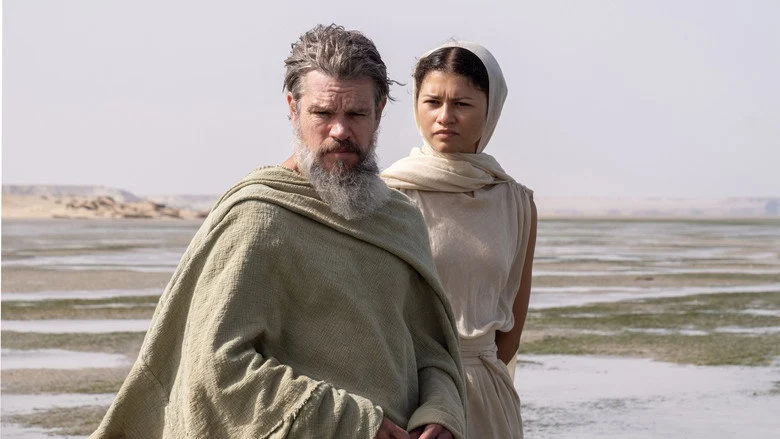
    Theron plays Circe as a smoldering goddess with a clinical cruelty. Her scene with Odysseus is the only real dialogue exchange in the film that breathes, she offers power; he offers nothing.

    But she vanishes after that encounter, and the film never resolves her arc. It is a waste of an actress who knows how to make villainy feel intimate.

    Tom Holland’s Telemachus: A Son Searching for a Father

    Holland is remarkably restrained as Telemachus, playing the abandoned son with a wounded stillness that his Spider-Man rarely allows. When he receives Odysseus’s throne, he looks less like a prince and more like a child handed a bomb.

    Holland’s performance, small gestures, long silences, suggests a deeper film that Nolan chose not to make.

    Nolan’s Epic Action-Fantasy: Big, Loud, and Uneven

    The cyclops sequence is a masterwork of scale, Nolan films it in wide shots, letting the giant’s hand dwarf the frame. But the choreography is clunky; the fight feels like a video game quick-time event stretched to ten minutes.

    The sirens attack relies entirely on sound design, and for a moment it works: voices wrap around the audience like a net. Then it overstays, and the illusion cracks.

    Circe’s palace is Nolan’s most visually interesting set, cold marble, impossible geometries, but the confrontation is over before it starts. The genre demands spectacle, but Nolan forgets that spectacle needs a pulse, not just a budget.

    The cast is stacked with talent, Anne Hathaway, Robert Pattinson, Jon Bernthal, Mia Goth, Lupita Nyong’o, Elliot Page, Benny Safdie, Zendaya, yet most appear in scenes that feel like deleted pages from a longer script. Pattinson’s role is glimpsed, not inhabited; Safdie seems to be in a different, more anxious movie. Their casting signals studio ambition, but the film never earns their presence. For those who enjoy this kind of large-scale mythological storytelling, there are plenty of other English Action reviews worth exploring.

    What We Didn’t See: The Missing Audience

    There are no critic scores or box office figures yet for this July 2026 release. That silence is telling, it suggests a film that is still being processed, not embraced.

    The pre-release buzz was deafening, but the post-release conversation has been curiously muted. It feels like no one wants to admit that Nolan, for the first time, might have bitten off more than the myth could chew.

    Should You Sail With Odysseus?

    If you want to see Nolan wrestle with cyclops and sirens on IMAX, this is your voyage. If you want a screenplay that earns its two hours and fifty-three minutes, stay home, Penelope has waited long enough for a better film.

    The Odyssey dares greatly but delivers inconsistently, earning a generous 3 out of 5 stars for its ambition and a harsher 2.5 for its execution.

    Those who admired the tension in Ire review will find a similar rhythm here: high stakes, uneven craft, and a director chasing scale over soul.
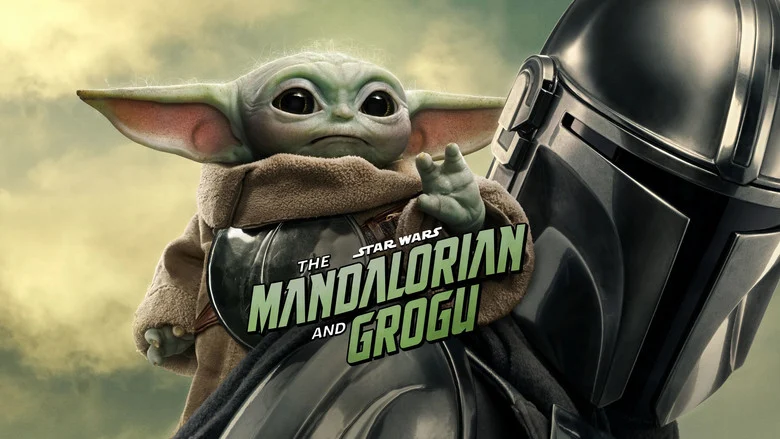
  • Star Wars: The Mandalorian and Grogu (2026): Favreau Gambles on Theatrical Continuity Over Fresh Stakes

    Star Wars: The Mandalorian and Grogu (2026): Favreau Gambles on Theatrical Continuity Over Fresh Stakes

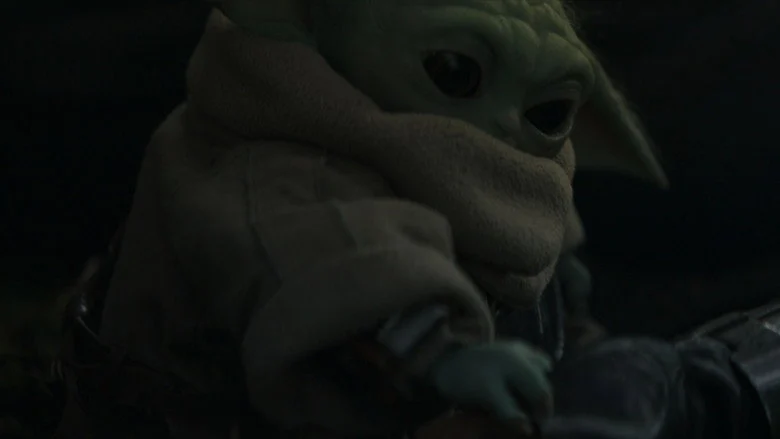
    A lone figure in beskar armor walks into a spaceport where the New Republic’s reach now extends, tasked with a mission that blurs bounty hunting with galactic politics. Din Djarin and Grogu are no longer operating in the shadows, they’re enlisted weapons in a larger conflict, one where Imperial warlords still lurk and the Hutts remain players in a game supposedly won.

    Jon Favreau’s decision to transition The Mandalorian from streaming spectacle to theatrical feature is audacious, if inherently risky. The gamble pivots on whether character-driven continuity can sustain a cinema experience designed for franchise spectacle rather than intimate storytelling.

    Star Wars: The Mandalorian and Grogu (2026) review image

    Pedro Pascal’s Masked Performance Carries the Weight of Continuity

    Pascal returns as Din Djarin, a role that has always demanded physical presence over facial expression, the armor does the acting. In a theatrical setting, that constraint becomes either an asset or a liability. The performance remains rooted in restraint and body language, a choice that works when the screenplay gives him room to breathe but falters if Favreau prioritizes spectacle over the quiet moments that made the character resonate on screen.

    Star Wars: The Mandalorian and Grogu - Favreau and Filoni's Screenplay Balances Franchise Obligation With Thematic Ambition

    Favreau and Filoni’s Screenplay Balances Franchise Obligation With Thematic Ambition

    The writing partnership reunites two architects who understand Star Wars mythology. Their screenplay moves Din and Grogu into New Republic service, a premise that signals thematic intent, loyalty tested by institutional pressure, the personal versus the political. The strength lies in that conceptual framework: “The old protect the young, and then the young protect the old” suggests philosophical depth beyond mercenary adventure.

    The flaw emerges in execution risk. Favreau directs without the intimate pacing that television allowed; theatrical Star Wars has historically prioritized scope over character nuance, and no pre-release evidence suggests this film breaks that pattern.

    Star Wars: The Mandalorian and Grogu - Action-Adventure Spectacle Built on Mission-Driven Stakes

    Action-Adventure Spectacle Built on Mission-Driven Stakes

    The film constructs its action around two competing forces: Imperial remnants scattered across the galaxy and organized crime through the Hutts. This dual-threat architecture gives the action design conceptual coherence, chases and firefights serve political outcome, not mere spectacle.

    The New Republic enlisting Din Djarin and Grogu for protection duties signals a shift from the episodic, localized conflicts of the series. Theatrical presentation through IMAX suggests large-scale setpieces are central to the experience. Whether those sequences maintain the character-first approach that distinguished The Mandalorian from broader Star Wars action cinema remains the critical question.

    The Hutts mission material introduces underworld complications that echo classic crime-thriller structure within a sci-fi frame. If executed with the same spatial clarity and motivational logic that defined earlier seasons, this can elevate standard action filmmaking. If it defaults to franchise fan service, the spectacle becomes noise.

    For English-language action-adventure fans, English Action reviews and international comparisons often reveal where blockbuster filmmaking succeeds or stumbles in balancing character with scale.

    Grogu’s Apprenticeship Frames a Film About Generational Bonds

    Grogu functions as thematic anchor as much as character. Described as Din’s “young apprentice, ” the dynamic inverts traditional mentor narratives, an adult teaching a child in a galaxy where survival requires hardening. The phrase “the old protect the young, and then the young protect the old” encodes this reversal explicitly.

    Pre-Release Positioning Cannot Hide the Franchise Fatigue Risk

    The film arrives at a moment when Star Wars theatrical releases face skepticism. Favreau’s decision to move The Mandalorian from streaming success to cinema gambling that character loyalty and IMAX presentation can overcome audience wariness about franchise saturation. The bet is creative, continuing serialized narrative in a feature framework, but not without precedent risk.

    No post-release criticism has emerged to clarify whether this gamble lands or misfires. The absence of verified critical consensus means the film’s actual execution remains unknown, a position that itself suggests audience and critical responses are mixed or still forming.

    For committed franchise followers, this is essential viewing in IMAX format, where the theatrical scale justifies the transition from episodic television. For viewers approaching Star Wars cautiously, the film demands familiarity with series continuity and assumes investment in Din and Grogu’s arc. The film rewards deep fandom while potentially alienating casual viewers seeking a standalone entry point into the galaxy far, far away.

    Star Wars: The Mandalorian and Grogu is a skilled continuation that respects its characters even as it risks diluting them through theatrical expansion, a 3/5 bet on whether intimate storytelling survives the spectacle.

    Favreau’s theatrical ambition mirrors the character-forward risks explored in Michael review, where sustained focus on a singular protagonist must carry feature-length cinema.

    The Mandalorian’s shift to cinema also echoes how serialized narratives must prove themselves on the theatrical stage, much like the career stakes explored in Rock 2026 verdict.

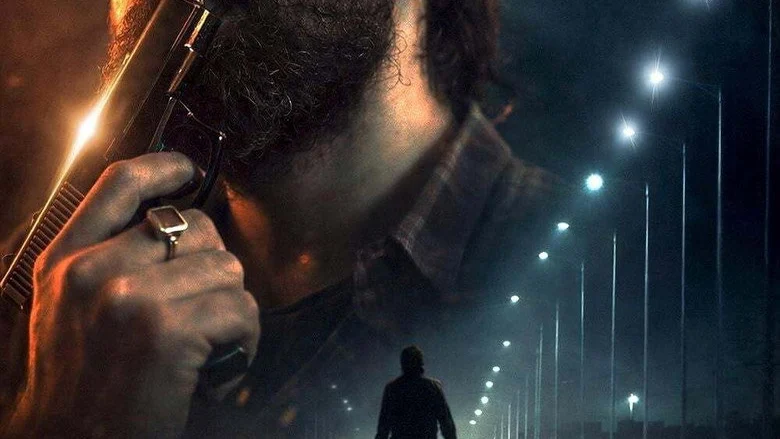
  • Licence (2026): Ranveer Chauhan’s disciplined craft elevates a familiar premise.

    Licence (2026): Ranveer Chauhan’s disciplined craft elevates a familiar premise.

    Licence (2026) arrives on April 24, 2026 with fewer promises than most English releases and keeps more of them. Ranveer Chauhan and Unknown have made a 90 minutes film that earns its craft credentials rather than assuming them.

    The 7 out of 10 consensus deserves neither uncritical celebration nor dismissal. It reflects a film that has connected with a broad audience without condescending to one — a balance that most English productions at this budget level fail to strike.

    Licence

    Narrative Discipline and Its Limits in Licence

    Ranveer Chauhan has given Ranveer Chauhan a script in Licence that opens on A fruit vendor, denied a gun licence due to his low status,… and does not pretend the premise is more novel than it is. What the screenplay does instead is execute the familiar with enough craft and specificity to justify its existence — which is the more demanding achievement.

    The decision to film Licence in is not a production convenience — it is an argument. Ranveer Chauhan’s screenplay is written from the inside of a specific cultural context, and the crores that Unknown committed ensures Ranveer Chauhan could honour that context rather than merely approximate it.

    A more severe editor than Unknown might have found twenty minutes in Licence’s final act that the film would be better without. What exists is not without merit — but the distinction between what is present and what is necessary becomes harder to sustain as the film approaches its conclusion.

    Licence (2026): Who in the Cast Earns Their Place

    Masoom Sharma‘s work as Satta in Licence is the kind of screen acting that critics tend to undervalue because it does not offer obvious handles. There is no moment of theatrical release, no scene that announces itself as the performance’s centre. The centre is everywhere, consistently.

    What Sapna Choudhary, Arjan Panwar, Yashpal Sharma, Masoom Sharma bring to Licence is the collective quality that distinguishes a cast from a group of actors: they appear to inhabit the same world. The coherence of the ensemble in Licence is not accidental — it is the result of direction that prioritised the world over the individual performance.

    It would be a critical failure to assess Licence without accounting for , whose performance in the film’s middle section is its most emotionally complex passage. Masoom, Yashpal, Arjan, Sapna, Rakhi brings a different kind of complexity to their scenes — more structural than emotional — and Licence needs both.

    Direction, Editing, and Visual Intelligence in Licence (2026)

    The directorial intelligence of Licence is most legible in what Ranveer Chauhan chooses not to do with the crores from Unknown. The film does not expand to fill its resources — it focuses them, and that focus produces a visual and tonal precision that the English field rarely achieves at this scale.

    The editorial work of Unknown on Licence at 1 hour 30 minutes reflects a collaboration with Ranveer Chauhan that has produced a cut of real quality across most of the film’s duration. The final act is where the editing is working hardest and achieving least — a disproportion that a more severe pass might have corrected.

    The production design of Licence operates at the level of the screenplay — it is making interpretive choices, not illustrative ones. Combined with the cinematography and the location work, it produces a film whose visual surface and intellectual content are in genuine alignment.

    Reception, Evaluation, and Recommendation — Licence (2026)

    Popularity at 0.2762 for Licence is a market signal worth reading carefully. It suggests the film has found viewers beyond its natural critical constituency — which means Ranveer Chauhan has made something that works at both the craft and entertainment level without compromising either.

    The 7+ Stars from 1000+ audience reviews constitutes the clearest available evidence that Licence has succeeded on its own terms. Not the terms of the market, not the terms of the genre — the terms that Ranveer Chauhan established for this film specifically.

    Licence merits a considered recommendation. Not an unqualified one — the third act has been addressed — but a considered one, based on 1h 30m of filmmaking that takes its audience seriously and Masoom Sharma‘s performance of the kind that makes a film worth revisiting.

    The critical record continues — find more seriously made English films in our archive.

    [egp_related_silo genre=” lang=’English’]
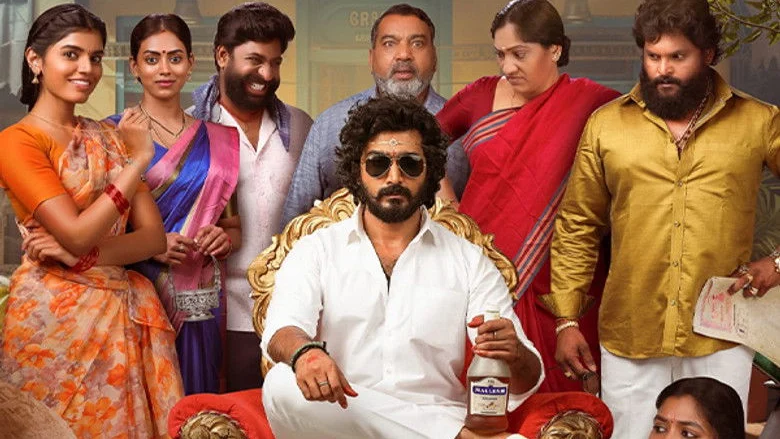
  • Mension House Mallesh (2026): Bala Satish crafts comedy with real consequence and craft.

    Mension House Mallesh (2026): Bala Satish crafts comedy with real consequence and craft.

    Critical fatigue with the English Comedy form is understandable. What Bala Satish has made in Mension House Mallesh (2026) is the argument against that fatigue. Produced by Unknown at 121 minutes and released March 6, 2026, it demonstrates what the genre looks like when a filmmaker treats it as a vehicle for something real.

    The 7 out of 10 audience figure attached to Mension House Mallesh is consistent with a film doing something right at both the craft and entertainment level simultaneously. Films that achieve that alignment rarely see their scores erode as the audience grows — and Mension House Mallesh has not.

    Mension House Mallesh

    Story, Subtext, and Execution in Mension House Mallesh (2026)

    Bala Satish situates Mension House Mallesh in In a quiet village where gossip spreads faster than the wind, a… with a restraint that announces the film’s priorities early. This is not a screenplay interested in exploitation. It is interested in consequence — and Bala Satish follows that interest throughout the 121 minutes runtime without flinching.

    The crores production across gives Mension House Mallesh a specificity that is essential to what Bala Satish is writing about. Bala Satish treats this specificity as a responsibility rather than an asset — the film does not display its locations, it inhabits them.

    The honest critical note on Mension House Mallesh is that Bala Satish‘s control of the film’s pace and intention is more complete in the first half than the second. What enters the third act is not bad material — it is surplus material, and surplus is a different kind of problem.

    Mension House Mallesh (2026): Who in the Cast Earns Their Place

    Maganti Srinath‘s work as Mallesh in Mension House Mallesh is the kind of screen acting that critics tend to undervalue because it does not offer obvious handles. There is no moment of theatrical release, no scene that announces itself as the performance’s centre. The centre is everywhere, consistently.

    Gayathri Ramana, Kamakshi Bhaskarla, Maganti Srinath, Muralidhar Goud operate in the supporting register of Mension House Mallesh with the discipline of a cast that has been given a coherent brief and followed it. The ensemble does not introduce tonal inconsistency at any point — which, given the number of individual performances that comprise it, is a significant directorial achievement.

    Kamakshi Bhaskarla demonstrates in Mension House Mallesh what supporting performance looks like when an actor refuses to treat secondary status as a creative limitation. The role is not the film’s largest. The work done within it is among the film’s most exacting. Maganti, Gayathri, Kamakshi, Muralidhar, Rajhessh meets the same standard through different means.

    Production, Direction, and the Limits of Both in Mension House Mallesh

    The production of Mension House Mallesh under Bala Satish for Unknown reflects a creative process in which the crores allocation followed the film’s requirements rather than preceded them. This is, unfortunately, rarer than it should be in the English Comedy space — and the film’s technical quality is the direct result.

    The editing of Mension House Mallesh by Garry BH at 2 hr 1 mins demonstrates what editorial intelligence looks like in service of a director who has made clear decisions. The rhythm is Bala Satish‘s — Garry BH has found and sustained it, which is the editor’s proper function and the most demanding version of it.

    Mension House Mallesh has been photographed with the understanding that cinematography in Comedy cinema is not embellishment — it is argument. Every compositional decision Bala Satish makes in Mension House Mallesh has a relationship to what the film is saying, not just to what it is showing.

    Reception, Evaluation, and Recommendation — Mension House Mallesh (2026)

    The commercial reception of Mension House Mallesh — 2.2529 on the popularity index — confirms what the critical case for the film suggests: that Bala Satish and Unknown have made something that functions simultaneously as serious cinema and accessible entertainment. That achievement is rarer than either alone.

    The 7+ Stars consensus from 1000+ audience reviews is the audience’s collective answer to the question of whether Mension House Mallesh delivers. The answer is affirmative, consistent, and built across a sample large enough to be treated as evidence rather than indication.

    The final critical position on Mension House Mallesh is this: it is a film made by people who cared about what they were making, and the evidence of that care is visible in the finished work. At 2h 1m of English Drama, Comedy cinema, that is not a small claim. It is, in the current landscape, a significant one.

    The critical record continues — explore our critical catalogue of English releases from 2026.

    [egp_related_silo genre=’Comedy’ lang=’English’]
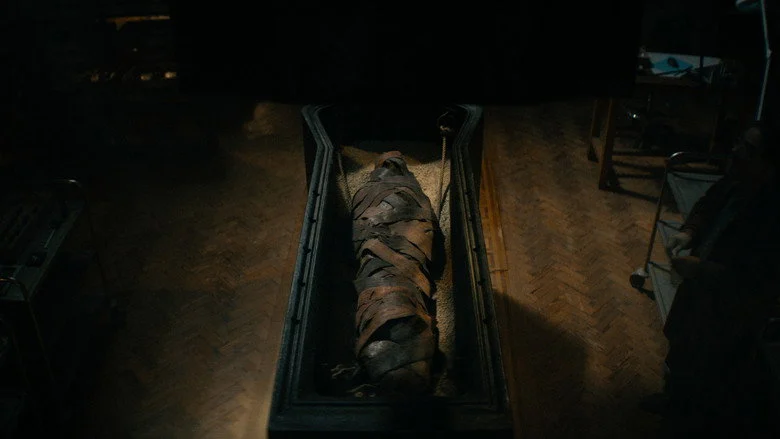
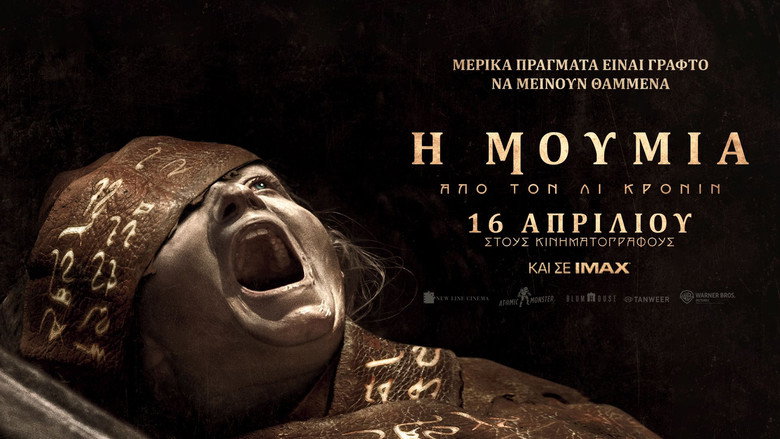
  • Lee Cronin’s The Mummy (2026): Cronin’s restrained horror crafts a haunting desert mystery.

    Lee Cronin’s The Mummy (2026): Cronin’s restrained horror crafts a haunting desert mystery.

    Lee Cronin has made Lee Cronin’s The Mummy (2026) with the economy of a filmmaker who knows that restraint is harder to achieve than spectacle. At 133 minutes, this English Horror, Mystery production from Atomic Monster, Blumhouse Productions arrived on April 15, 2026 and made the case that the form still has something to say.

    Lee Cronin’s The Mummy holds 7 out of 10 across platforms, which for a film of its formal ambition is a strong result. Audience scoring systems do not typically reward restraint — the fact that Lee Cronin’s The Mummy scores this well while exercising it suggests the film has genuine cross-audience appeal.

    The Story Lee Cronin’s The Mummy (2026) Is Telling — And How Well It Tells It

    The premise of Lee Cronin’s The Mummy — The young daughter of a journalist disappears into the desert without a… — has been used before. What Lee Cronin’s script and Lee Cronin‘s direction contribute is a specific treatment of that premise that is observably theirs rather than generic. That specificity is what separates the film from its antecedents.

    The decision to film Lee Cronin’s The Mummy in United States of America, Ireland is not a production convenience — it is an argument. Lee Cronin’s screenplay is written from the inside of a specific cultural context, and the 185+ Crores that Atomic Monster, Blumhouse Productions committed ensures Lee Cronin could honour that context rather than merely approximate it.

    Lee Cronin has written a conclusion for Lee Cronin’s The Mummy that reaches for more than the 133 minutes runtime can fully accommodate. Lee Cronin executes it with care, but care cannot substitute for the structural discipline the final act lacks. The film arrives at its destination — the route is longer than necessary.

    Cast Assessment — Lee Cronin’s The Mummy: Rigorous and Fair

    Jack Reynor brings to Charlie Cannon in Lee Cronin’s The Mummy a quality that the screenplay points toward but cannot guarantee: interiority. The character’s inner life is visible without being stated, communicated through an accumulation of small choices that a less disciplined actor would not have made and most audiences will not consciously notice.

    Jack Reynor, May Calamawy, Laia Costa, Natalie Grace give Lee Cronin’s The Mummy the kind of supporting performances that the film’s central argument requires — specific, grounded, and free of the self-consciousness that afflicts actors who know they are being watched. Lee Cronin has created the conditions for unselfconscious work and the cast has delivered it.

    May Elghety, Veronica Falcón and Jack, Laia, May, Natalie, Shylo give Lee Cronin’s The Mummy its supporting credibility at the moments the narrative requires most from them. Neither performance announces its quality — both reward the attention a careful viewer will bring to them. This is the supporting work that serious English Mystery filmmaking tends to produce.

    How Lee Cronin Has Solved the Technical Problems of Lee Cronin’s The Mummy

    Lee Cronin has brought to Lee Cronin’s The Mummy a formal sensibility that the 185+ Crores production from Atomic Monster, Blumhouse Productions makes visible but does not explain. The choices are directorial, not budgetary — which is the correct hierarchy and the one that most commercial productions invert.

    Bryan Shaw cuts Lee Cronin’s The Mummy to 2 hr 13 mins with a precision that the film earns through the quality of its material. The editing is not decorative — it is argumentative, making claims about the film’s rhythm and pacing that the direction supports. The third act is the one place where those claims become harder to sustain.

    What distinguishes the technical achievement of Lee Cronin’s The Mummy from merely competent filmmaking is the relationship between its visual choices and its thematic ones. Lee Cronin has made a film in United States of America, Ireland that looks like what it means — which is the most demanding standard in English Mystery cinema and the one that Lee Cronin’s The Mummy meets.

    The Critical Verdict on Lee Cronin’s The Mummy — What It Achieves and What It Does Not

    The 132.0094 score on Lee Cronin’s The Mummy deserves neither critical dismissal nor uncritical celebration. What it indicates is that a film made with genuine intention has reached a genuinely large audience — and that those viewers have responded to the intention as well as the entertainment.

    Across 56 logged responses, Lee Cronin’s The Mummy holds 7+ Stars — a figure that has not eroded as the audience has widened beyond the film’s initial constituency. This stability is the critical signal that matters: the film’s quality does not depend on who is watching it.

    The final critical position on Lee Cronin’s The Mummy is this: it is a film made by people who cared about what they were making, and the evidence of that care is visible in the finished work. At 2h 13m of English Horror, Mystery cinema, that is not a small claim. It is, in the current landscape, a significant one.

    The critical record continues — return to our homepage for rigorous Mystery film criticism.

    [egp_related_silo genre=’Mystery’ lang=’English’]
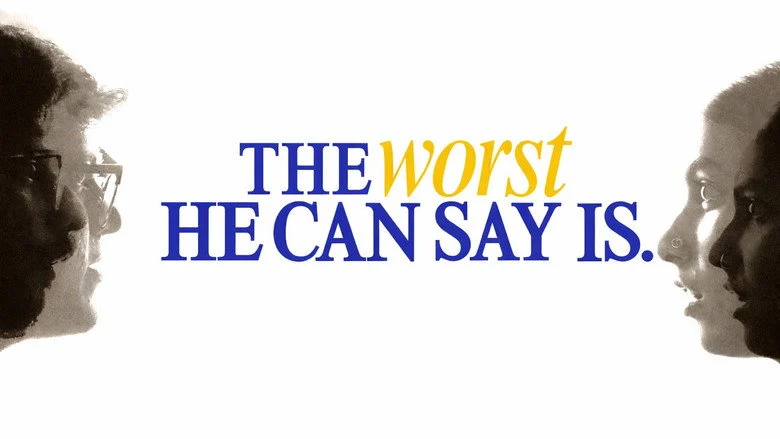
  • The Worst He Can Say Is. (2026): Ajay Krishnan Vijayan’s restrained 6-minute comedy crafts a gem.

    The Worst He Can Say Is. (2026): Ajay Krishnan Vijayan’s restrained 6-minute comedy crafts a gem.

    Ajay Krishnan Vijayan has made The Worst He Can Say Is. (2026) with the economy of a filmmaker who knows that restraint is harder to achieve than spectacle. At 6 minutes, this English Comedy, Romance production from Kerala Kattan arrived on April 9, 2026 and made the case that the form still has something to say.

    A 8 out of 10 from the audience is, in this case, a more meaningful figure than it might appear. The Worst He Can Say Is. is not a film engineered for mass satisfaction. That it achieves 8 out of 10 while maintaining its creative integrity is the more interesting data point.

    The Worst He Can Say Is.

    Plot and Intention: What The Worst He Can Say Is. Is Attempting

    The premise of The Worst He Can Say Is. — “The Worst He Can Say Is” follows two friends, Anand and Devan,… — has been used before. What Ajay Krishnan Vijayan’s script and Ajay Krishnan Vijayan‘s direction contribute is a specific treatment of that premise that is observably theirs rather than generic. That specificity is what separates the film from its antecedents.

    The India setting of The Worst He Can Say Is. is not pictorial — it is argumentative. Ajay Krishnan Vijayan has written a story that means something different because of where it happens, and Ajay Krishnan Vijayan films the crores production with the awareness that the location is doing narrative work, not just visual work.

    A more severe editor than Ajay Krishnan Vijayan might have found twenty minutes in The Worst He Can Say Is.’s final act that the film would be better without. What exists is not without merit — but the distinction between what is present and what is necessary becomes harder to sustain as the film approaches its conclusion.

    The Performances That Make The Worst He Can Say Is. Credible

    The critical question about any central performance is whether it earns the film’s trust in it. Dhiya Pothen‘s portrayal of Meera in The Worst He Can Say Is. answers that question affirmatively from the first scene and does not revise that answer once across the full 6 minutes runtime.

    The relationship between Dhiya Pothen‘s central performance and the ensemble of Abhiram V, Kurian Mathew, Issac Mathew, Dhiya Pothen in The Worst He Can Say Is. is the relationship between a soloist and an orchestra that has learned not to overplay. The balance is Ajay Krishnan Vijayan‘s achievement, and it holds across the full runtime of The Worst He Can Say Is..

    It would be a critical failure to assess The Worst He Can Say Is. without accounting for , whose performance in the film’s middle section is its most emotionally complex passage. Dhiya, Abhiram, Kurian, Issac brings a different kind of complexity to their scenes — more structural than emotional — and The Worst He Can Say Is. needs both.

    Direction, Editing, and Visual Intelligence in The Worst He Can Say Is. (2026)

    The production of The Worst He Can Say Is. under Ajay Krishnan Vijayan for Kerala Kattan reflects a creative process in which the crores allocation followed the film’s requirements rather than preceded them. This is, unfortunately, rarer than it should be in the English Romance space — and the film’s technical quality is the direct result.

    Ajay Krishnan Vijayan cuts The Worst He Can Say Is. to 6 mins with a precision that the film earns through the quality of its material. The editing is not decorative — it is argumentative, making claims about the film’s rhythm and pacing that the direction supports. The third act is the one place where those claims become harder to sustain.

    What distinguishes the technical achievement of The Worst He Can Say Is. from merely competent filmmaking is the relationship between its visual choices and its thematic ones. Ajay Krishnan Vijayan has made a film in India that looks like what it means — which is the most demanding standard in English Romance cinema and the one that The Worst He Can Say Is. meets.

    Reception, Evaluation, and Recommendation — The Worst He Can Say Is. (2026)

    The commercial reception of The Worst He Can Say Is. — 0.0286 on the popularity index — confirms what the critical case for the film suggests: that Ajay Krishnan Vijayan and Kerala Kattan have made something that functions simultaneously as serious cinema and accessible entertainment. That achievement is rarer than either alone.

    1 audience votes and 8+ Stars. The mathematics are clear. The Worst He Can Say Is. has produced a consistent experience across a very large and diverse audience — which is the only audience verdict that a critic should treat as meaningful evidence about the film’s actual quality.

    The Worst He Can Say Is. is, on critical balance, one of the better English Comedy, Romance films of its season. Its limitations are real and have been noted. Its achievements — formal, performative, and thematic — are more substantial and less common. At 6m, it warrants the attention it asks for.

    The critical record continues — read our full critical coverage of English Romance cinema.

    [egp_related_silo genre=’Romance’ lang=’English’]
  • Ballerina (2025) Movie Movies4u

    Ballerina (2025) Movie Movies4u

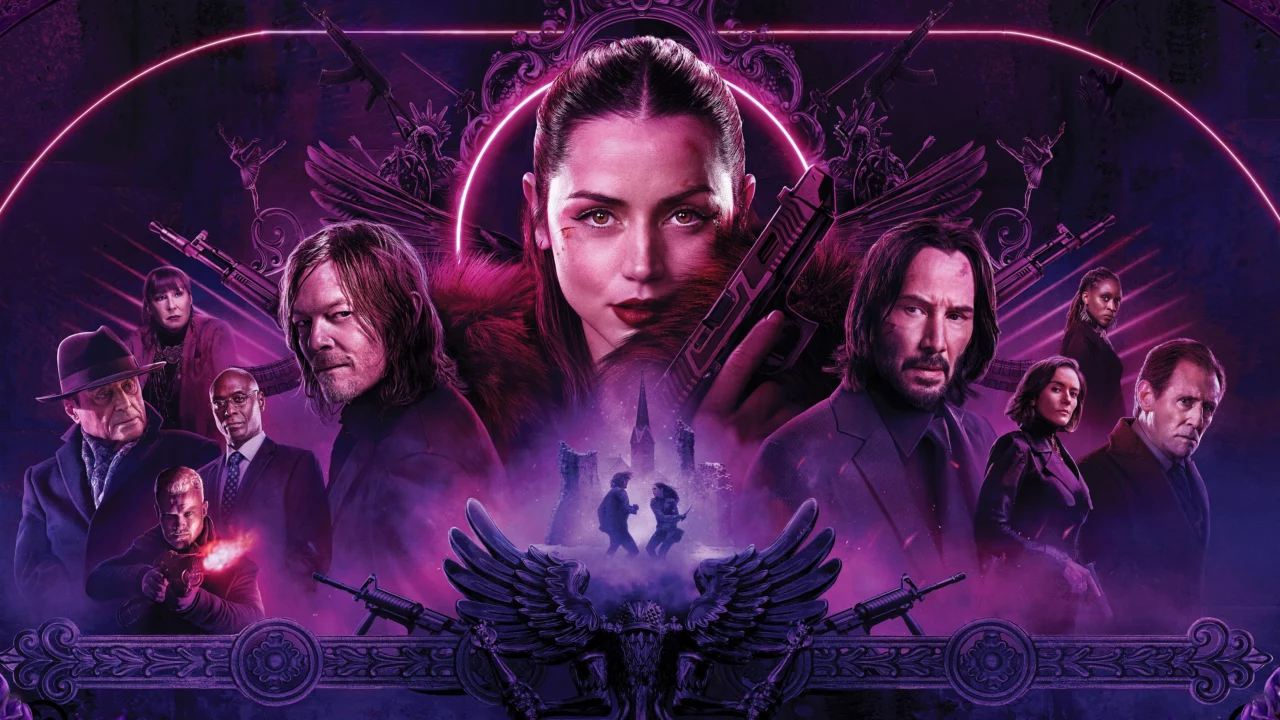
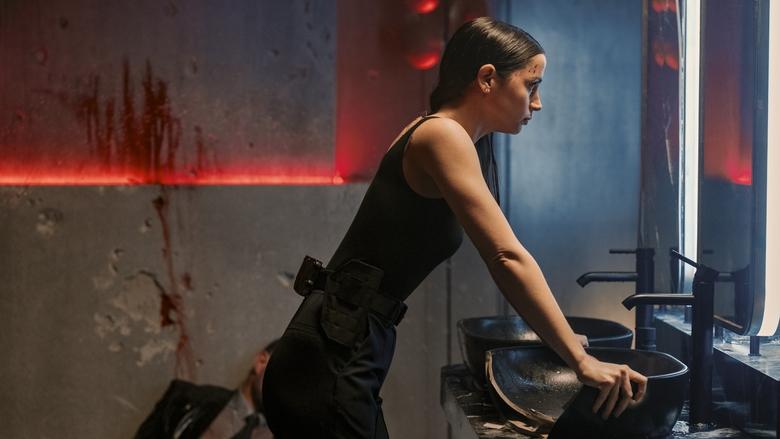
    The John Wick universe expands with Ballerina, a thrilling spinoff that brings fresh energy to the beloved action franchise. Directed by Len Wiseman and starring Ana de Armas in the lead role, this 2025 release takes audiences on a revenge-fueled journey through the same stylized world of assassins.

    Film Title:Ballerina
    Main Cast:Keanu Reeves, Ana de Armas, Anjelica Huston
    Film Duration:2h 5m
    Category:Action, Crime, Thriller
    Primary Star:Ana de Armas
    Studio:Thunder Road, 87Eleven
    Premiere Date:June 4, 2025
    Filmmaker:Len Wiseman
    Ballerina

    The film features an impressive ensemble cast including Keanu Reeves reprising his iconic role as John Wick, alongside Ian McShane and Anjelica Huston. Set within the intricate underworld of the Continental Hotel, Ballerina serves as both a spinoff and spiritual successor to the John Wick films.

    Ballerina Movie Actors

    ActorCharacter
    Gabriel ByrneThe Chancellor
    Sharon Duncan-BrewsterNogi
    Ana de ArmasEve Macarro
    Anjelica HustonThe Director
    Lance ReddickCharon
    Catalina Sandino MorenoLena
    Ian McShaneWinston
    Norman ReedusDaniel Pine
    Keanu ReevesJohn Wick
    Robert MaaserDex
    Ballerina
    Ballerina
    Ballerina

    Plot and Storyline

    The story centers around Eve Macarro, whose life is shattered when her father, a member of the Ruska Roma crime syndicate, is murdered. Trained in the deadly arts of assassination from a young age, Eve embarks on a relentless quest for revenge.

    The screenplay weaves together multiple storylines, connecting Eve’s personal vendetta with larger conflicts within the assassin community. The film explores themes of family, loyalty, and the cost of violence while maintaining the breakneck pace audiences expect.

    Cast Performance

    Ana de Armas delivers a powerhouse performance as Eve Macarro, proving she can carry an action franchise with intensity and charisma. Her portrayal balances the character’s lethal skills with emotional depth, creating a protagonist who is both sympathetic and terrifying.

    Keanu Reeves’ return as John Wick provides crucial continuity and gravitas to the film. Ian McShane reprises his role as Winston with characteristic wit, while Anjelica Huston returns as the Director, bringing depth to the Ruska Roma storyline.

    Direction and Cinematography

    Director Len Wiseman brings his experience with stylized action cinema to the John Wick universe. His direction maintains the franchise’s signature aesthetic while introducing his own visual flourishes and pacing.

    The film’s action sequences are meticulously choreographed and shot with attention to detail that made the original films legendary. Wiseman creates visually stunning set pieces that showcase de Armas’ physicality while maintaining the franchise’s commitment to practical effects.

    Critical Reception and Ratings

    Ballerina received generally positive reviews from critics. On Rotten Tomatoes, 76% of 241 critics gave positive reviews, though this places it as the second-lowest score in the franchise.

    However, the film performed significantly better with audiences, with Ballerina holding the record for the highest-rated Rotten Tomatoes audience score for the John Wick franchise. The film earned a 7.3 rating on IMDb, indicating solid audience appreciation.

    Box Office Performance

    The film earned $3.75 million from Thursday previews and debuted to $24.5 million, finishing second behind Lilo & Stitch. The film grossed $57 million worldwide, representing solid performance for a spinoff film.

    The international box office showed particular strength, with audiences embracing Ana de Armas’ take on the assassin world. The performance indicates strong appetite for more stories in this universe.

    What I Liked

    I found Ballerina’s action sequences to be the film’s greatest strength, maintaining the franchise’s reputation for innovative choreography. Ana de Armas proves herself more than capable of anchoring an action franchise, bringing both physical prowess and emotional depth.

    The integration of ballet elements into fight choreography creates unique and memorable action moments that feel fresh. I appreciated how the film successfully expands the mythology of the John Wick universe without feeling disconnected from the main series.

    The production values remain high throughout, with excellent practical effects and set pieces that maintain the franchise’s visual standards. The return of key franchise players helps ground the new story effectively.

    Areas for Improvement

    While Ballerina delivers on action, I felt the revenge plot was somewhat formulaic. The story beats are predictable, and the film occasionally feels like it’s following a template rather than breaking new ground.

    I noticed pacing issues that slow down momentum, particularly in the middle act where the film balances character development with action. Some quieter moments feel less confident than the action sequences.

    The film’s runtime could have been tightened, with some subplot elements feeling underdeveloped. Certain elements feel like setup for future films rather than serving the current story.

    Technical Excellence

    The film’s sound design and musical score maintain high standards set by the franchise. The gunplay sounds visceral while hand-to-hand combat has appropriate weight and impact.

    Costume design deserves special mention for incorporating both ballet elegance and practical action needs. The weapon design and choreography continue the franchise tradition of making violence feel both beautiful and deadly.

    Final Verdict

    From the World of John Wick: Ballerina succeeds as entertaining action cinema that expands the beloved franchise while introducing a compelling new protagonist. While it may not reach the heights of the best John Wick films, it offers spectacular action and strong performances.

    Ana de Armas proves herself worthy of carrying the franchise forward, and the film opens interesting possibilities for future stories. The movie delivers what audiences expect – stylized violence, innovative choreography, and practical effects over CGI spectacle.

    For action movie fans and John Wick lovers, Ballerina provides a worthy addition that maintains core appeal while successfully expanding scope. It’s a film that knows exactly what it wants to be and delivers with style and conviction.

  • Karate Kid: Legends (2025) Movie Movies4u

    Karate Kid: Legends (2025) Movie Movies4u

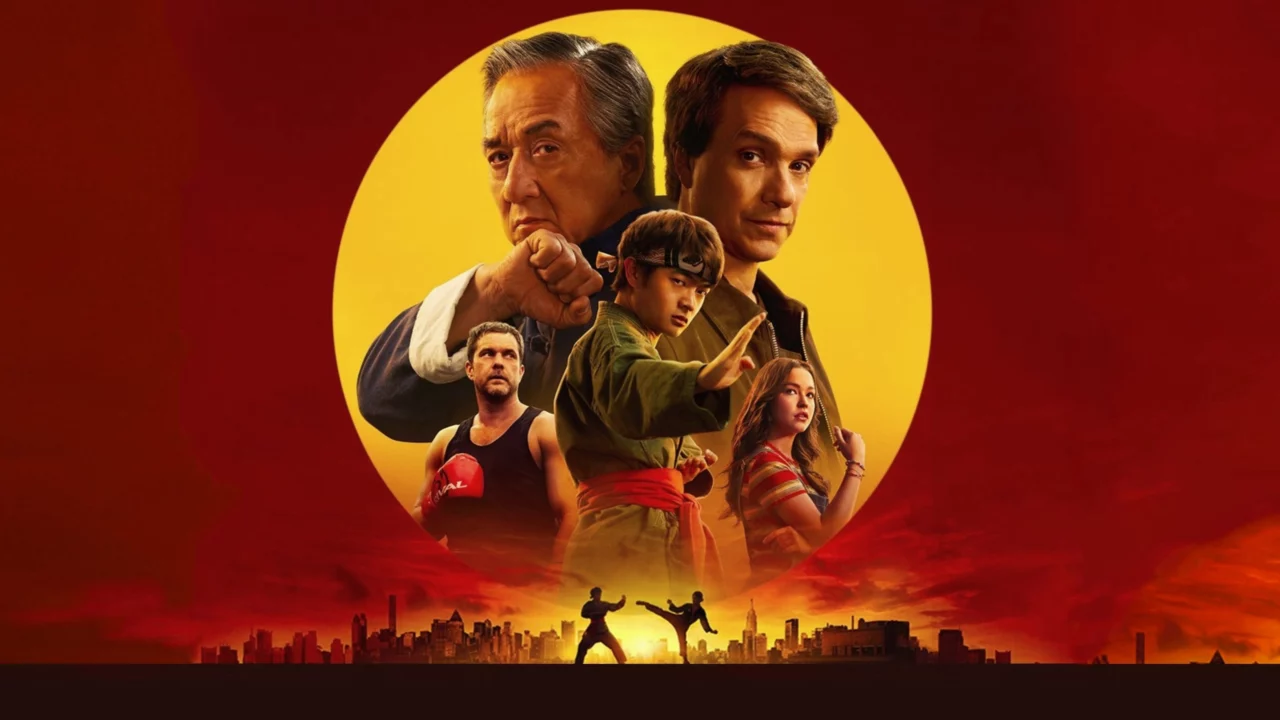
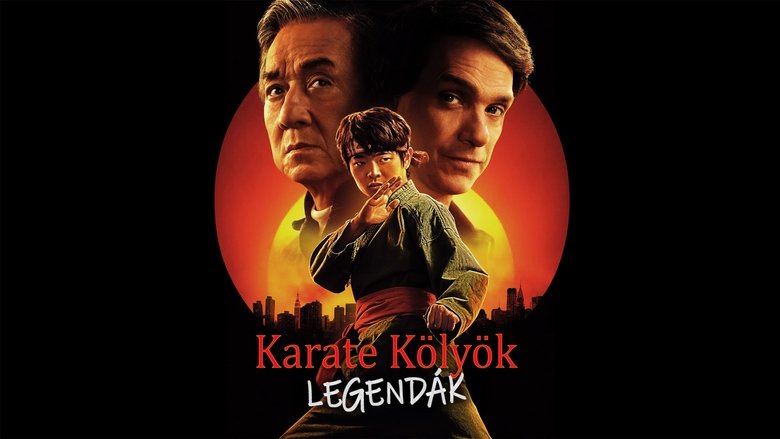
    Karate Kid: Legends marks a significant milestone in the beloved martial arts franchise, serving as the eighth entry that unites the original 1984 film with the 2010 remake starring Jackie Chan. Directed by Jonathan and written by Rob Lieber, this 2025 release brings together legendary actors Ralph Macchio (Daniel) and Jackie Chan (Mr.) alongside newcomer Ben, who plays the central character Li Fong.

    Film Title:Karate Kid: Legends
    Main Cast:Ben Wang, Jackie Chan, Ralph Macchio
    Film Duration:1h 34m
    Category:Action, Adventure, Drama
    Primary Star:Jackie Chan
    Studio:Columbia Pictures, Sunswept Entertainment
    Premiere Date:May 8, 2025
    Filmmaker:Jonathan Entwistle
    Karate Kid: Legends

    The supporting cast includes Joshua Jackson, Sadie Stanley, and Ming-Na Wen, creating a diverse cast that spans different generations and martial arts traditions. With a PG-13 rating and a runtime of 94 minutes, the film attempts to blend franchise nostalgia with contemporary coming-of-age drama.

    Karate Kid: Legends Movie Actors

    ActorCharacter
    Sadie StanleyMia Lipani
    Jackie ChanMr. Han
    Ming-Na WenLi Fong’s Mother
    Aramis KnightConor Day
    Wyatt OleffAlan
    David RobitailleHigh School Kid
    Shaunette Renée WilsonMs Morgan
    Ben WangLi Fong
    Ralph MacchioDaniel LaRusso
    Joshua JacksonVictor Lipani
    Karate Kid: Legends
    Karate Kid: Legends
    Karate Kid: Legends

    Plot and Storyline

    The narrative centers around Li Fong (Ben Wang), a teenage kung fu prodigy living in Beijing who faces a family tragedy that forces him to relocate to New York City with his mother (Ming-Na Wen). This personal upheaval serves as the emotional foundation for the story, as Li struggles to adapt to his new environment while dealing with loss and cultural displacement.

    When Li befriends someone in need of help, he finds himself entering a karate competition despite being trained in kung fu. The film’s central conflict arises when Li realizes that his kung fu skills alone aren’t sufficient for the challenge ahead.

    The story explores themes of cultural integration, mentorship, and the fusion of different fighting styles. Li must learn to merge kung fu and karate techniques, creating a unique hybrid approach for the ultimate martial arts showdown.

    Cast Performance

    Ben Wang delivers a compelling performance as Li Fong, the new protagonist carrying the weight of the franchise’s legacy. Critics and audiences have praised Wang’s casting choice, with many noting that he proves just as capable as previous Karate Kid protagonists.

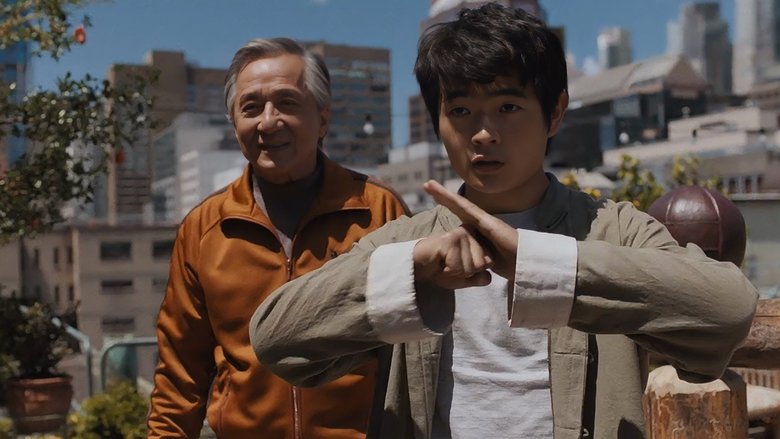
    Jackie Chan returns to his role as Mr. Han with the wisdom and physicality that made his 2010 performance memorable. Despite being in his seventies, Chan continues to bring authenticity to his martial arts sequences while delivering the emotional depth required for his mentoring role.

    Ralph Macchio’s return as Daniel LaRusso bridges the gap between the original trilogy and this new chapter. His presence provides continuity for longtime fans while his interactions with Chan’s character create fascinating dynamics between two different martial arts philosophies.

    Direction and Cinematography

    Jonathan Entwistle, making his directorial debut with this project, demonstrates a clear understanding of both the franchise’s legacy and modern filmmaking sensibilities. His direction successfully blends the nostalgic elements that fans expect with contemporary storytelling techniques that appeal to new audiences.

    The New York locations are utilized effectively, providing an urban authenticity that distinguishes this entry from previous films. The city’s diverse neighborhoods serve as more than just backdrops, becoming integral to the story’s themes of cultural mixing and adaptation.

    The action sequences deserve particular praise for their choreography and execution. The film successfully merges different martial arts styles visually, creating fight scenes that feel both respectful to traditional forms and exciting for modern audiences.

    Critical Reception and Reviews

    Professional critics have offered mixed reviews for Karate Kid: Legends, with the film receiving a 58% rating on Rotten Tomatoes from critics. However, this critical reception contrasts sharply with audience response, as the film earned a 91% audience score on the same platform and an A- grade from CinemaScore polling.

    Roger Ebert’s review described the film as impressive and exasperating in its determination to squeeze every previous iteration of this story into one huge glimmering chunk of lore. Variety’s review took a more positive stance, calling it winningly old-fashioned and praising Ben Wang as captivating.

    Critics generally praised the cast performances, particularly Wang’s debut and the chemistry between Chan and Macchio. The action sequences and martial arts choreography received positive mentions from most reviewers.

    Box Office Performance

    Karate Kid: Legends opened with $2.3 million in Thursday previews and was projected to earn between $25-30 million in its opening weekend. The film faced stiff competition from Disney’s Lilo & Stitch and Paramount’s Mission: Impossible, which limited its box office potential.

    Despite the competitive landscape, the film has shown steady performance, grossing over $50 million globally within its first weeks. The domestic box office contributed approximately $24 million, while international markets added $26 million to the total.

    What I Liked About the Film

    The film’s greatest strength lies in its successful integration of beloved characters from different franchise versions. The meeting between Daniel LaRusso and Mr. Han creates genuinely touching moments that honor both characters’ journeys while advancing the new story.

    I found Ben Wang’s performance particularly impressive as he anchors the film effectively, providing a worthy successor to previous protagonists. The cultural themes add depth beyond typical martial arts movie fare, exploring immigration and cultural adaptation in meaningful ways.

    The action sequences benefit from modern choreography techniques while respecting traditional martial arts forms. I appreciated how the film avoids over-the-top approaches, instead focusing on technique, discipline, and martial arts philosophy.

    Areas That Could Be Better

    The film’s ambitious scope sometimes works against it, as the 94-minute runtime struggles to develop all characters and storylines adequately. Some supporting characters feel underdeveloped, and certain plot points could have benefited from additional screen time.

    I noticed the pacing occasionally feels rushed, particularly in the middle act where Li must learn to integrate different fighting styles. This central transformation could have been given more time to develop naturally.

    The film’s desire to appeal to both longtime fans and new audiences sometimes creates tonal inconsistencies. While the nostalgia elements work well, they occasionally clash with more contemporary storytelling approaches.

    Technical Aspects

    The film benefits from strong production values across most technical areas. Dominic Lewis’s musical score effectively blends traditional martial arts movie themes with contemporary elements, creating an audio landscape that supports both nostalgic and modern aspects.

    The costume design appropriately reflects the cultural backgrounds of different characters while maintaining visual coherence. The production design successfully creates authentic-feeling environments in both Beijing and New York settings.

    Final Verdict

    Karate Kid: Legends ultimately succeeds as both a nostalgic trip for longtime fans and an introduction for new audiences. While it doesn’t achieve the iconic status of the original 1984 film, it provides solid entertainment with genuine heart and impressive martial arts sequences.

    The film’s greatest achievement lies in its successful unification of different franchise elements without betraying the spirit of either previous version. Ben Wang proves himself a capable lead, while Jackie Chan and Ralph Macchio demonstrate that their characters remain compelling decades after their introduction.

    Despite pacing issues and occasional tonal inconsistencies, I believe Karate Kid: Legends earns its place in the franchise through strong performances, meaningful themes, and well-executed action sequences. For fans of the franchise, it’s a must-see film that finally delivers the crossover event they’ve long hoped for.

  • Final Destination Bloodlines (2025) Movie Movies4u

    Final Destination Bloodlines (2025) Movie Movies4u

    Final Destination: Bloodlines has officially arrived as the sixth installment in New Line Cinema’s acclaimed horror franchise. Directed by Zach Lipovsky and Adam B. Stein, this 2025 release takes audiences back to the very beginning of death’s elaborate schemes. The film stars Kaitlyn Santa Juana, Teo Briones, Rya Kihlstedt, and Richard Harmon in a supernatural horror experience that has redefined the franchise.

    Film Title:Final Destination Bloodlines
    Main Cast:Teo Briones, Kaitlyn Santa Juana, Rya Kihlstedt
    Film Duration:1h 50m
    Category:Horror, Mystery
    Primary Star:Kaitlyn Santa Juana
    Studio:New Line Cinema, Practical Pictures
    Premiere Date:May 14, 2025
    Filmmaker:Adam B. Stein, Zach Lipovsky
    Final Destination Bloodlines

    Released on May 16, 2025, Bloodlines has achieved something no previous Final Destination film has accomplished – critical acclaim alongside commercial success. The movie follows college student Stefanie, who finds herself plagued by violent recurring nightmares. With a production budget of $50 million, the film has demonstrated remarkable box office performance and critical reception.

    Final Destination Bloodlines Movie Actors

    ActorCharacter
    Anna LoreJulia Campbell
    Owen Patrick JoynerBobby Campbell
    Tony ToddWilliam John Bludworth
    Gabrielle RoseIris Campbell
    Brec BassingerIris Campbell (young)
    Andrew Tinpo LeeMarty Reyes
    Richard HarmonErik Campbell
    Kaitlyn Santa JuanaStefanie Reyes
    Rya KihlstedtDarlene Campbell-Reyes
    Teo BrionesCharlie Reyes
    Final Destination Bloodlines
    Final Destination Bloodlines
    Final Destination Bloodlines

    Plot and Storyline

    The narrative structure cleverly weaves together past and present, creating a compelling origin story that enriches the franchise’s mythology. The story begins in 1968 with Iris Campbell and her fiancé Paul, establishing the historical foundation for the supernatural forces.

    Stefanie’s journey from college student to reluctant survivor creates a personal stakes-driven narrative that goes beyond the typical Final Destination formula. Her violent nightmares serve as both a plot device and character development tool. The film’s exploration of family dynamics and generational curses adds emotional depth that previous installments often lacked.

    The death sequences have been crafted with meticulous attention to detail and creative execution. Directors Lipovsky and Stein have managed to balance the series’ signature elaborate death traps with meaningful character development.

    Cast Performance and Character Development

    Kaitlyn Santa Juana delivers a standout performance as Stefanie, bringing both vulnerability and determination to her character. Her portrayal captures the psychological toll of being caught in death’s design while maintaining the strength necessary to fight back. Santa Juana’s ability to convey terror, confusion, and resolve anchors the film’s emotional core.

    Teo Briones provides excellent support, bringing depth to a role that could have easily fallen into typical horror movie stereotypes. Rya Kihlstedt and Richard Harmon round out the primary cast with performances that blend seamlessly into the film’s supernatural atmosphere.

    The cast works together to create a believable family dynamic that serves as the emotional foundation. Unlike previous Final Destination films where characters felt expendable, Bloodlines invests time in developing relationships and backstories.

    Direction and Technical Excellence

    Zach Lipovsky and Adam B. Stein have brought a fresh directorial vision to the franchise that respects its roots while pushing creative boundaries. Their background in visual effects and genre filmmaking is evident in every frame. The directors have managed to create death sequences that feel both familiar and innovatively executed.

    The film’s visual style maintains the series’ signature look while incorporating modern filmmaking techniques. The use of practical effects combined with selective digital enhancement creates death scenes that feel viscerally real. This approach gives the film a tactile quality that connects with audiences.

    Sound design plays a crucial role in building tension throughout the film. The score complements the on-screen action without overwhelming it. Lipovsky and Stein’s direction shows a clear understanding of horror pacing.

    Critical Reception and Ratings

    Final Destination: Bloodlines has achieved a historic milestone for the franchise with its critical reception. The film currently holds an impressive 93% rating on Rotten Tomatoes from 108 critic reviews. This makes it not only the highest-rated Final Destination movie but also the first in the series to achieve Certified Fresh status.

    The audience response has been equally positive, with the film earning an 89% audience score on Rotten Tomatoes from over 500 reviews. The IMDb rating of 7.0 reflects solid audience appreciation for the film’s approach to the familiar franchise formula.

    Major entertainment publications have praised the film’s return to form while acknowledging its innovations within the genre. Critics have particularly noted the directors’ ability to balance franchise expectations with fresh creative vision.

    Box Office Performance and Commercial Success

    The commercial success has exceeded industry expectations, with the film grossing over $100 million in its opening weekend alone. The movie has achieved $260 million worldwide gross, making it both the highest-grossing installment in the franchise and the ninth-highest-grossing film of 2025.

    The film’s success follows New Line Cinema’s recent winning streak. The $50 million production budget represents a significant investment that has clearly paid dividends both critically and commercially. The strong opening weekend performance indicates that the Final Destination brand still holds considerable appeal.

    International box office performance has been particularly strong, suggesting that the franchise’s appeal transcends cultural boundaries. This global success bodes well for potential future installments.

    What I Liked About the Film

    What impressed me most about Bloodlines is its ability to honor the franchise’s legacy while introducing meaningful improvements. The character development represents a significant step forward – the protagonists feel like real people rather than horror movie archetypes waiting to die. I found myself genuinely invested in their survival.

    The production values show clear improvement over previous installments. The cinematography, sound design, and visual effects create a more immersive viewing experience. I particularly appreciated how the death sequences maintain creativity while feeling fresh and inventive.

    The film’s exploration of franchise mythology adds depth that enriches the overall Final Destination universe. By providing origin story elements, Bloodlines creates a richer fictional world that rewards longtime fans like myself while remaining accessible to newcomers.

    Areas That Could Be Better

    While Bloodlines represents a significant improvement, I noticed some elements that could have been developed further. The pacing occasionally feels uneven, particularly in the middle act where character development sometimes slows the supernatural thriller momentum.

    Certain supporting characters could have used additional development to make their eventual fates more impactful. The film sometimes falls back on familiar horror movie character types despite its overall success in creating more rounded protagonists.

    I also felt the film’s runtime could have been used more efficiently in some areas. While the dual timeline structure works well overall, some transitions between past and present could have been smoother.

    Final Verdict

    Final Destination: Bloodlines succeeds as both a franchise revival and a standalone horror experience. The film delivers the creative death sequences fans expect while providing improved character development and production values. Directors Lipovsky and Stein have created a horror film that respects the franchise’s roots while pushing it in new directions.

    The movie represents a high point for the Final Destination series, achieving the rare combination of critical acclaim and box office success. With its 93% Rotten Tomatoes score and strong audience reception, Bloodlines has set a new standard for the franchise.

    For horror fans and franchise lovers alike, Final Destination: Bloodlines delivers a satisfying return to a beloved series while suggesting exciting possibilities for future installments. The film proves that long-running horror franchises can evolve and improve, making it a worthy addition to the Final Destination legacy.

  • Mission: Impossible – The Final Reckoning (2025) Movie Movies4u

    Mission: Impossible – The Final Reckoning (2025) Movie Movies4u

    Mission: Impossible – The Final Reckoning marks what may be the ultimate chapter in one of cinema’s most beloved action franchises. Directed by Christopher McQuarrie and starring Tom Cruise as the indomitable Ethan Hunt, this 2025 release brings together a stellar cast including Hayley Atwell, Ving Rhames, Simon Pegg, and Angela Bassett. The action-adventure thriller continues the high-octane tradition that has defined the Mission: Impossible series since 1996.

    Film Title:Mission: Impossible – The Final Reckoning
    Main Cast:Tom Cruise, Ving Rhames, Hayley Atwell
    Film Duration:2h 50m
    Category:Action, Adventure, Thriller
    Primary Star:Tom Cruise
    Studio:Paramount Pictures, Skydance Media
    Premiere Date:May 17, 2025
    Filmmaker:Christopher McQuarrie
    Mission: Impossible - The Final Reckoning

    The film centers around Hunt and his Impossible Mission Force team as they work to prevent the Entity, a rogue AI, from unleashing catastrophic consequences. With the stakes higher than ever before, this installment promises to deliver the spectacular stunts and death-defying sequences that have become synonymous with Tom Cruise’s portrayal of the legendary IMF agent.

    Mission: Impossible – The Final Reckoning Movie Actors

    ActorCharacter
    Esai MoralesGabriel
    Simon PeggBenji Dunn
    Janet McTeerWalters
    Henry CzernyKittridge
    Nick OffermanGeneral Sidney
    Pom KlementieffParis
    Hayley AtwellGrace
    Ving RhamesLuther Stickell
    Tom CruiseEthan Hunt
    Holt McCallanySerling
    Mission: Impossible - The Final Reckoning
    Mission: Impossible - The Final Reckoning
    Mission: Impossible - The Final Reckoning

    Plot and Storyline

    The Final Reckoning follows Ethan Hunt and his team as they continue their search for the terrifying AI known as the Entity. This dangerous artificial intelligence has infiltrated intelligence networks across the globe, putting world governments and Hunt’s past on a collision course.

    The narrative builds upon the foundation laid in Dead Reckoning Part One, creating a cohesive two-part saga. Hunt must race against time to prevent the world as we know it from changing forever, armed with new allies and the means to shut the Entity down for good.

    Cast Performance

    Tom Cruise once again proves why Ethan Hunt remains one of cinema’s most compelling action heroes. At 62, Cruise continues to perform his own death-defying stunts with an intensity that defies age and logic. His portrayal maintains the character’s moral complexity while showcasing the physical toll of impossible missions.

    Ving Rhames and Simon Pegg return as Luther Stickell and Benji Dunn, bringing their established chemistry to the forefront. Their performances provide both comic relief and emotional anchor points throughout the intense action sequences.

    Hayley Atwell brings gravitas and complexity as a significant new addition to the cast. Her character serves as both ally and adds layers to the personal stakes of Hunt’s mission.

    Direction and Cinematography

    Christopher McQuarrie returns to direct his third Mission: Impossible film, demonstrating his mastery of the franchise’s unique blend of practical stunts and emotional storytelling. His direction maintains the breakneck pacing that fans expect while allowing for character moments that give weight to the action.

    The cinematography captures the global scope of the mission, taking audiences from intimate character moments to breathtaking wide shots of death-defying stunts. McQuarrie’s collaboration with Tom Cruise continues to push boundaries with minimal reliance on CGI in favor of real locations.

    Critical Reception and Ratings

    Mission: Impossible , The Final Reckoning holds an 80% rating on Rotten Tomatoes with 251 reviews, placing it within the respectable range for franchise entries. IMDb users have rated the film 7.5 out of 10, indicating solid audience appreciation for the conclusion to Hunt’s story.

    Critics describe the film as a sentimental sendoff for Ethan Hunt that accomplishes its mission with characteristic flair. However, some critics note pacing issues, calling it good but not great, with the film being nearly three hours in length.

    Audience reception has been more positive, with fan scores reaching 92%, suggesting that while critics have reservations, general audiences find satisfaction in Hunt’s story conclusion.

    What I Liked

    I found the spectacular action sequences to be the film’s strongest element. Two extended action set-pieces absolutely stand out, providing jaw-dropping moments that justify the film’s existence. Tom Cruise’s commitment to practical stunts continues to set this franchise apart from other action series.

    The emotional weight of potentially being Hunt’s final mission adds real gravitas to familiar elements. I appreciated how the film provides satisfying conclusions to character arcs that have been developing across multiple films, particularly for the core team members.

    The AI-focused plot feels timely and relevant, addressing contemporary fears about artificial intelligence while maintaining the franchise’s focus on human teamwork.

    What Could Be Better

    I noticed that the film’s nearly three-hour runtime creates pacing issues that occasionally slow down momentum between action sequences. The complexity of the plot, while ambitious, sometimes becomes convoluted and requires significant exposition.

    Some critics noted that the film feels less fun compared to previous entries, which is disappointing for a series known for pure entertainment. The balance between nostalgia and innovation sometimes tips too heavily toward familiar formula.

    Technical Achievements

    The production values maintain the high standards of previous Mission: Impossible films. The practical effects work, coordinated by Tom Cruise and the stunt team, continues to set industry standards for authentic action filmmaking.

    The locations span multiple continents, providing visual variety appropriate for a global threat. The sound design and musical score support the action effectively, maintaining clarity during complex sequences.

    Popular Reviews

    Rotten Tomatoes critics consensus states that the film is gargantuan in action, runtime, and scope. While some critics called it clunky and bloated, others praised it as a globe-trotting triumph with some of the most jaw-dropping action you will ever witness.

    Roger Ebert’s review noted that while the film delivers action, it’s less fun than previous entries. IMDb users and general audiences have been more forgiving, appreciating the closure and spectacle the film provides.

    Final Verdict

    Mission: Impossible – The Final Reckoning achieves its primary mission of providing a satisfying conclusion to Ethan Hunt’s story while delivering the spectacular action that fans expect. While it may not reach the heights of franchise peaks like Fallout, it succeeds as both entertainment and emotional payoff.

    The film works best when focusing on relationships between core characters and the practical action sequences that have defined the series. It struggles with pacing and runtime, but ultimately delivers enough thrills to justify its existence as Hunt’s potential final mission.

    For franchise fans, The Final Reckoning provides closure and spectacle in equal measure. While it may not convert newcomers, it serves as a love letter to longtime followers who have invested in Ethan Hunt’s impossible journey across nearly three decades.

  • Thunderbolts* (2025) Movie Movies4u

    Thunderbolts* (2025) Movie Movies4u

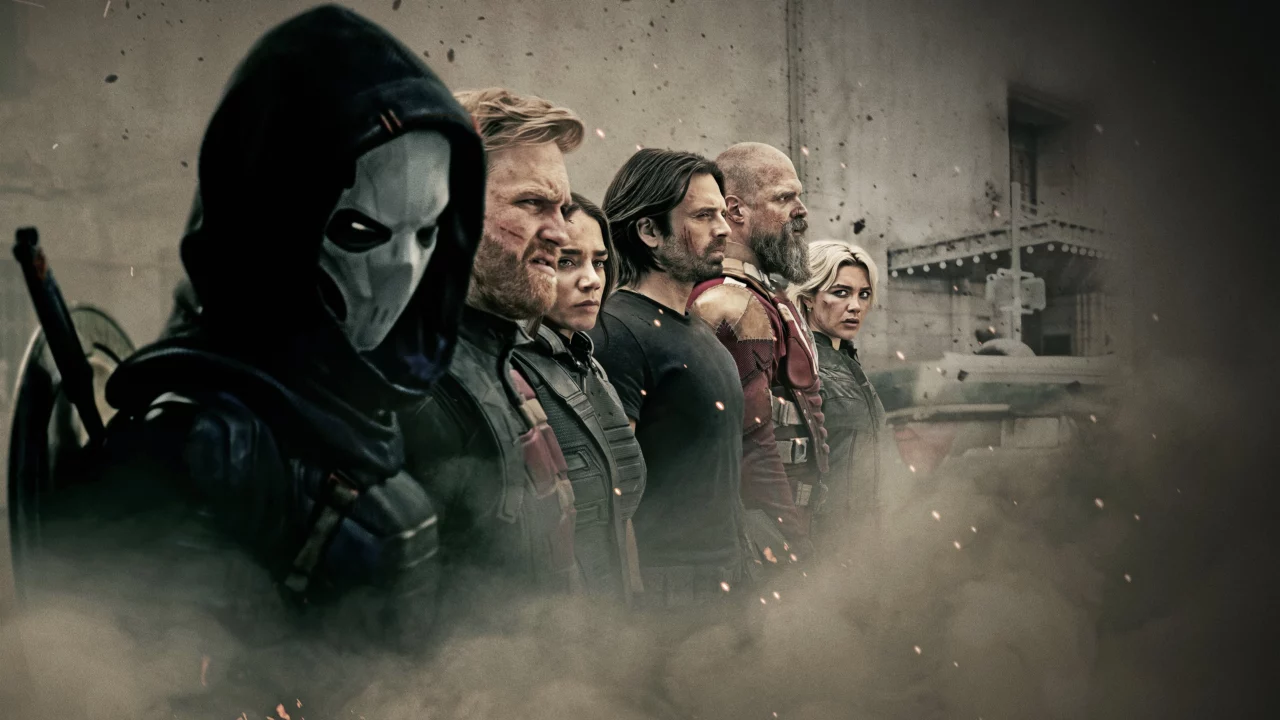
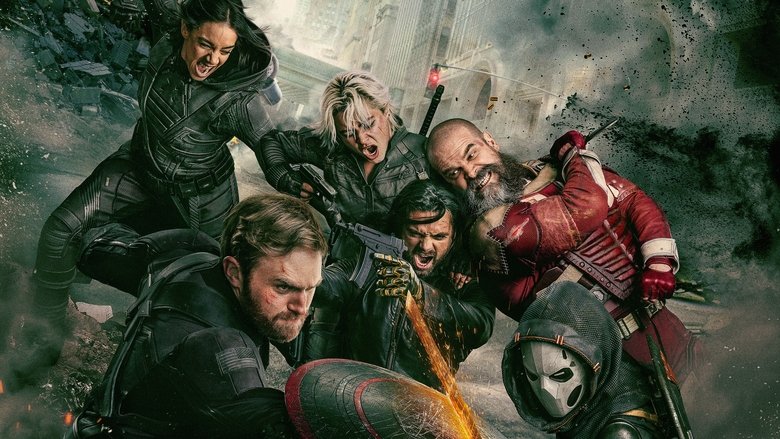
    Marvel Studios’ latest offering, Thunderbolts, marks a significant departure from the traditional superhero formula. Directed by Jake Schreier, this action-adventure crime thriller brings together a fascinating cast featuring Florence, Sebastian, David, Wyatt, and more. The film represents Marvel’s bold attempt to explore the grittier side of their universe through characters who exist in gray areas.

    Film Title:Thunderbolts*
    Main Cast:Sebastian Stan, Julia Louis-Dreyfus, Florence Pugh
    Film Duration:2h 7m
    Category:Action, Adventure, Science Fiction
    Primary Star:Florence Pugh
    Studio:Marvel Studios, Kevin Feige Productions
    Premiere Date:April 30, 2025
    Filmmaker:Jake Schreier
    Thunderbolts*

    Released in May 2025, Thunderbolts brings together unconventional antiheroes including Yelena Belova, Bucky Barnes, Red Guardian, John Walker, Ghost, and Taskmaster. Under Schreier’s direction, the film delivers a character-driven narrative that focuses on personal redemption rather than world-ending scenarios. The movie’s unique approach makes it one of the most intriguing entries in the MCU’s Phase 5.

    Thunderbolts* Movie Actors

    ActorCharacter
    Florence PughYelena Belova
    David HarbourAlexei Shostakov
    Lewis PullmanRobert Reynolds
    Geraldine ViswanathanMel
    Julia Louis-DreyfusValentina Allegra de Fontaine
    Wyatt RussellJohn Walker
    Olga KurylenkoAntonia Dreykov
    Hannah John-KamenAva Starr
    Wendell PierceCongressman Gary
    Sebastian StanBucky Barnes
    Thunderbolts*
    Thunderbolts*
    Thunderbolts*

    Plot and Storyline

    The story centers around disillusioned individuals who find themselves trapped in a deadly situation. After discovering they’ve been caught in a death trap, these seven unlikely allies must work together on a dangerous mission. The story explores themes of redemption, family, and change, asking whether people who have done terrible things can truly become heroes.

    What sets Thunderbolts apart is its intimate focus on character development. The plot avoids cosmic-level threats, opting for a more grounded approach. The mission serves as both a physical challenge and emotional catalyst that forces characters to confront their dark pasts while discovering their heroic potential.

    Cast Performance

    Florence Pugh delivers a standout performance as Yelena Belova, bringing vulnerability and fierce determination to the role. Her portrayal captures the complexity of a character struggling with her assassin past while searching for meaning. Her chemistry with the cast, particularly Sebastian Stan, creates some of the film’s most compelling moments.

    Sebastian Stan continues to excel as Bucky Barnes, bringing new layers to his decade-long character. His performance showcases the internal struggle of someone trying to atone for past actions. David Harbour brings trademark humor and heart to Red Guardian, balancing absurdity with genuine emotional moments.

    Wyatt Russell’s John Walker remains one of Marvel’s most complex characters. Hannah John-Kamen and Olga Kurylenko provide excellent support, adding depth to characters who could have been one-dimensional. Julia Louis-Dreyfus impresses as Valentina, bringing comedic timing to morally complex situations.

    Direction and Cinematography

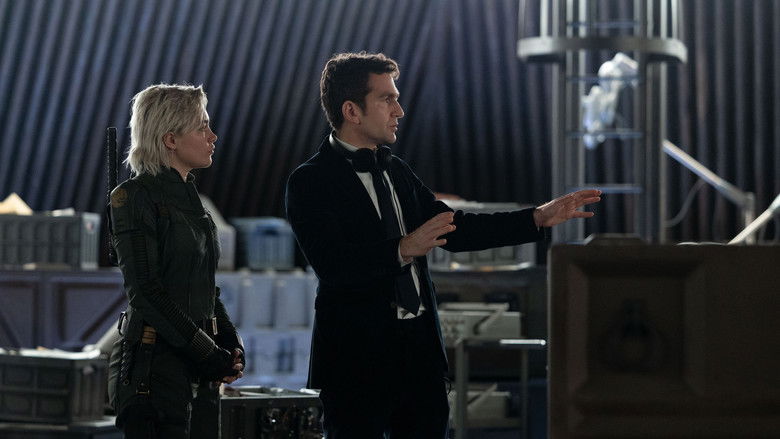
    Jake Schreier’s direction brings a distinctive visual style that sets Thunderbolts apart from other Marvel films. Coming from his work on Beef, Schreier applies his understanding of character-driven narratives. His approach prioritizes character moments over spectacle, creating space for the excellent cast to shine.

    The cinematography captures both gritty realism and heightened superhero reality. Schreier creates visual compositions that emphasize character isolation and their gradual bonding. Action sequences are choreographed with clarity, avoiding chaotic editing that has plagued recent Marvel films.

    Critical Reception and Ratings

    Thunderbolts has received positive reviews from critics and audiences. The film holds a 7.5/10 rating on IMDb, indicating solid audience appreciation. Critics have particularly highlighted Florence Pugh’s performance and the film’s balance of humor with emotional depth.

    GamesRadar awarded 3.5 stars, calling it a refreshing MCU offering that takes big swings. The review praised the film’s focus on character relationships over franchise building. NPR highlighted the film’s formula execution, with particular praise for Pugh’s terrific performance and coherent action sequences.

    Roger Ebert’s site described it as an odd duck of a superhero flick that might help straighten out the MCU. This reflects the consensus that Thunderbolts succeeds by embracing its unique qualities rather than fitting established Marvel formulas.

    What I Liked

    I found the film’s commitment to character development to be its greatest strength. Unlike typical Marvel films that rush between action sequences, Thunderbolts makes relationships the heart of the story. The gradual building of trust between team members feels organic and earned.

    The screenplay successfully balances individual character arcs with team dynamics. Each member gets meaningful development without losing narrative focus. I appreciated how the dialogue feels natural, avoiding Marvel’s typical quip-heavy approach for more authentic character interactions.

    I was impressed by how action sequences serve the story rather than overwhelming it. Each set piece reveals character or advances relationships. The practical effects create real danger and consequence that makes stakes feel personal rather than abstract.

    What Could Be Better

    While Thunderbolts succeeds in many areas, the pacing occasionally feels uneven. Some character development segments feel rushed while others linger too long. A more balanced approach might have created a smoother experience.

    The world-building elements sometimes feel disconnected from the larger MCU. While this isolation serves the intimate story, it occasionally makes the film feel isolated. Better integration might have enhanced rather than distracted from the central story.

    Some supporting characters and plot elements could have used additional development. Certain story threads feel underexplored, leaving interesting ideas underdeveloped. A slightly longer runtime might have allowed fuller exploration.

    Final Verdict

    Thunderbolts represents a successful experiment in expanding Marvel’s emotional range. By focusing on character development and authentic relationships, the film creates a fresh and satisfying experience. The excellent cast, led by Florence Pugh, brings depth to characters who could have been simple archetypes.

    Jake Schreier’s direction successfully translates character-driven sensibilities to the superhero genre. The film uses fantastic elements to explore human themes of redemption, belonging, and second chances. While some areas could be strengthened, its commitment to emotional authenticity makes it valuable.

    For audiences seeking superhero entertainment with genuine heart, Thunderbolts delivers something different. The film proves there’s still room for innovation within Marvel’s formula and suggests exciting possibilities for future character-driven stories. It stands as both entertaining action and thoughtful exploration of finding family among fellow outcasts.