
They Call Him OG (2025) Movie: Pawan Kalyan Returns With Style But No Substance
The Telugu action-crime film They Call Him OG stars Pawan Kalyan in the lead, directed by Sujeeth. Joining him are Emraan Hashmi making his Telugu debut, Priyanka Mohan, Arjun Das, Sriya Reddy, and Prakash Raj. Produced by D.V.V. Danayya, this gangster story jumps between two continents and different time periods.
Released in September 2025, the film created significant hype around its grand scale. Shot by Ravi K. Chandran and Manoj Paramahamsa, with Thaman S. composing the music, everything about it screams big-budget spectacle. The plot tries mixing mythology with Mumbai’s dark underworld.
The Plot Unfolds
The story follows two timelines. First, we meet Ojas Gambheera, who barely survives a brutal attack in Japan. Then we jump to 1970s Bombay, where OG befriends Satya Dada, a businessman trying to build something good for ordinary people.
After vanishing for ten years, OG comes back with one goal—take down the current crime boss Omi Bhau. What follows is a violent journey through betrayal and revenge. The core idea works, but I felt lost trying to follow all the jumping around.
Stunning Visuals Throughout
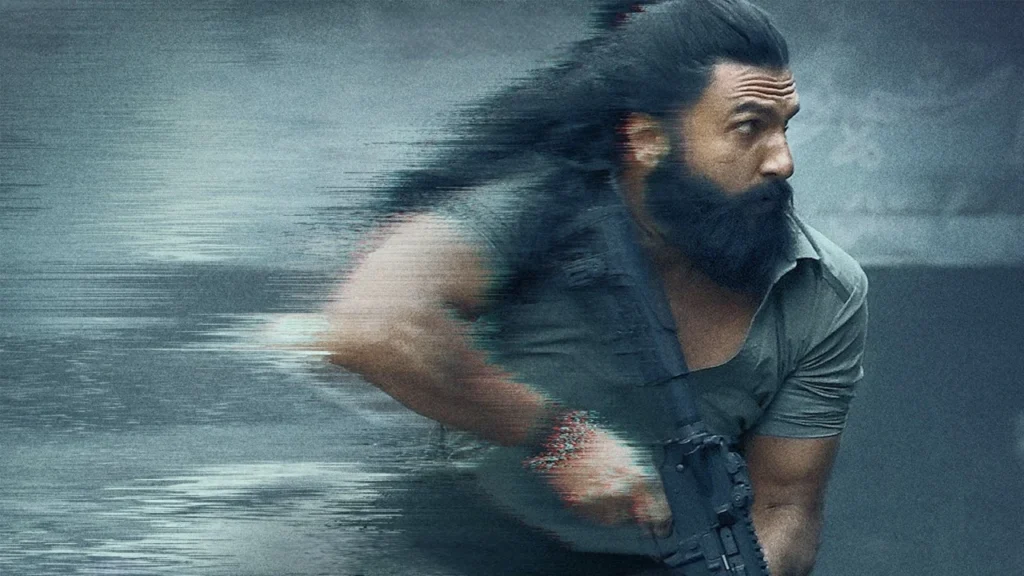
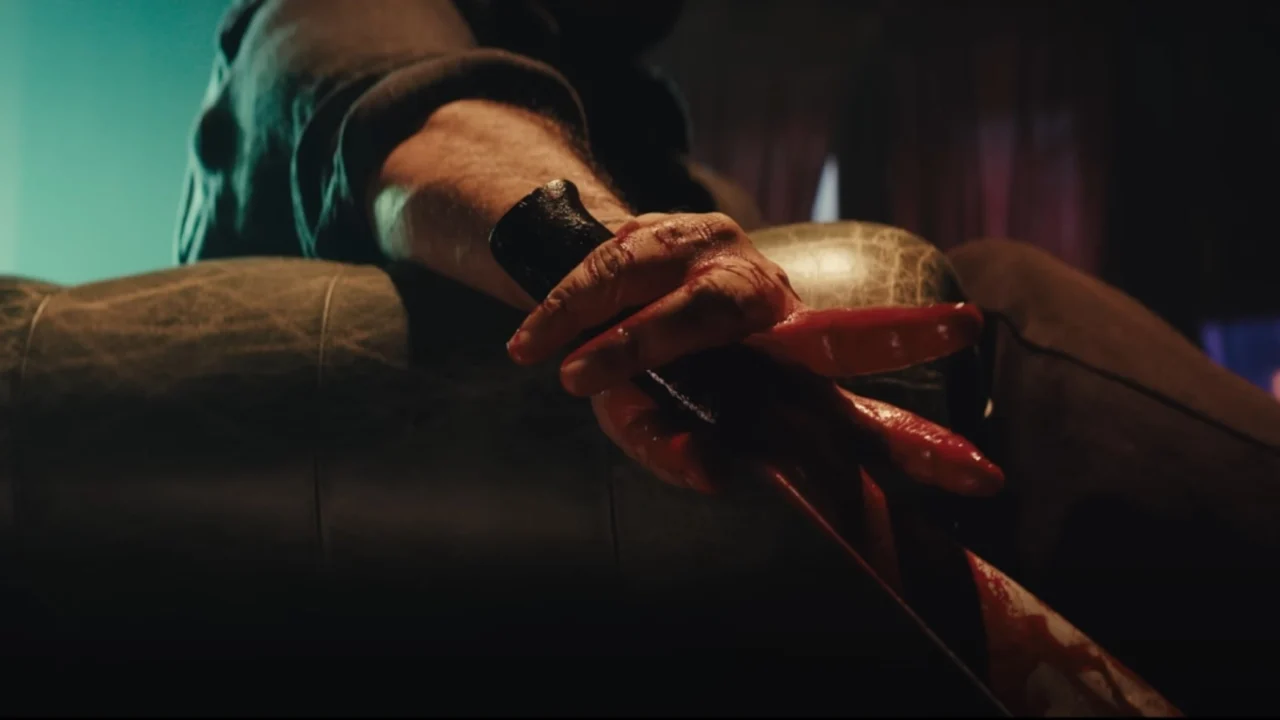
Sujeeth knows how to shoot his hero. Every frame makes Pawan Kalyan look larger than life. The action sequences don’t just show fights—they make them feel like art, with careful attention to every movement and pause.
The camera work captures everything from glowing Japanese streets to dusty Mumbai ports gorgeously. Both cinematographers bring such rich texture to each scene. The colors shift between timelines, helping me track where and when things happen.
Production designer A.S. Prakash builds settings that feel both real and dreamlike. The Japan portions look authentic down to small details. The old Bombay scenes transport you back decades, though all the blood starts feeling like too much after a while.

Pawan Kalyan Steals the Show
Pawan Kalyan gives what might be his strongest performance in years. He moves through scenes with natural power and that iconic swagger. Just watching him walk into frame creates excitement. I believed every moment of his rage and pain.
His fans will absolutely love this. The physical transformation alone shows how seriously he took this role. He balances the brutal violence with unexpected vulnerability. Even weak scenes improve just from his presence.
Emraan Hashmi brings real menace despite limited screen time. Priyanka Mohan tries her best but gets very little to work with. Sriya Reddy manages to shine in her brief appearances with quiet strength.
Sound and Music Work Well
Thaman S. delivers a thundering score that lifts every major moment. He mixes traditional instruments with electronic beats perfectly. The pounding drums during fights kept my heart racing.
The overall sound design makes everything feel immersive. Each gunshot and punch lands with weight. Dialogue stays clear even during chaotic sequences. The quiet moments between action provide relief without killing momentum.
Editor Navin Nooli struggles juggling so many timelines. Some cuts flow smoothly, others jolt you out of the story. The middle section drags noticeably, losing steam between the big action pieces.
What Really Works
The visual spectacle stands as the film’s biggest win. Sujeeth creates images that will stick with you long after leaving the theater. The way he frames Pawan Kalyan gives fans exactly what they crave.
Pawan Kalyan’s commitment elevates everything around him. His dedication shows in every scene. The production quality matches anything coming out of Hollywood, proving Telugu cinema can compete globally.
The detailed world-building impressed me too. The criminal networks feel believable across different locations and decades. The 1970s recreation particularly succeeds in capturing that era’s look and feel.
Where Things Fall Apart
The writing creates the biggest problems. What should be a simple revenge story becomes needlessly tangled. All the timeline hopping made me lose emotional connection with characters I should care about.
Nothing feels truly emotional. I watched OG seek revenge without understanding his pain deeply. The movie looks amazing but doesn’t touch your heart. Stakes never feel real beyond “bad guys must die.”
The violence goes overboard quickly. After the tenth brutal killing, numbness sets in rather than tension. I kept wishing for fewer but more meaningful violent moments. Restraint would have helped enormously.
Supporting characters get almost no development. Most exist just to move plot forward. Priyanka Mohan deserved better writing. Even the villains lack clear motivation, becoming obstacles rather than interesting adversaries.
Critical and Audience Response
News 18 rated it 3 out of 5 stars, praising Pawan Kalyan’s swagger while warning about the thin story. The Indian Express gave the same 3/5, acknowledging it entertains despite narrative weakness.
IMDB shows ratings between 6.9 and 7.4 out of 10, indicating mixed-to-positive feelings. Fans celebrate the mass appeal and star power. Critics consistently point out how the weak screenplay holds back a technically brilliant film.
Just for Movie Freaks gave it 2.75/5, calling it “technically superb but emotionally distant.” Most agree—better writing could have made this gorgeous film truly great instead of just pretty.
My Final Verdict
They Call Him OG offers stunning visuals wrapped around a commanding Pawan Kalyan performance. The technical achievements across photography, design, and music reach exceptional heights. Fans get their money’s worth in pure spectacle and star power.
But the story can’t match the visual ambition. Overcomplicated plotting kills emotional investment. Shallow characters prevent real connection. Too much violence numbs instead of shocking. I left admiring the craft while feeling nothing for the people.
Pawan Kalyan fans craving visual grandeur will enjoy this thoroughly. The big-screen experience shows off the incredible production work. Anyone wanting deeper emotional substance or coherent storytelling will walk away disappointed.
This film represents where Telugu cinema stands today—technically matching global standards while still learning screenplay basics. Ambitious presentation meets hollow storytelling. Beautiful images alone can’t fill an empty heart.
Rating: 3/5