
Iniyum (2026): A Rural Redemption Story That Struggles to Stay Engaging
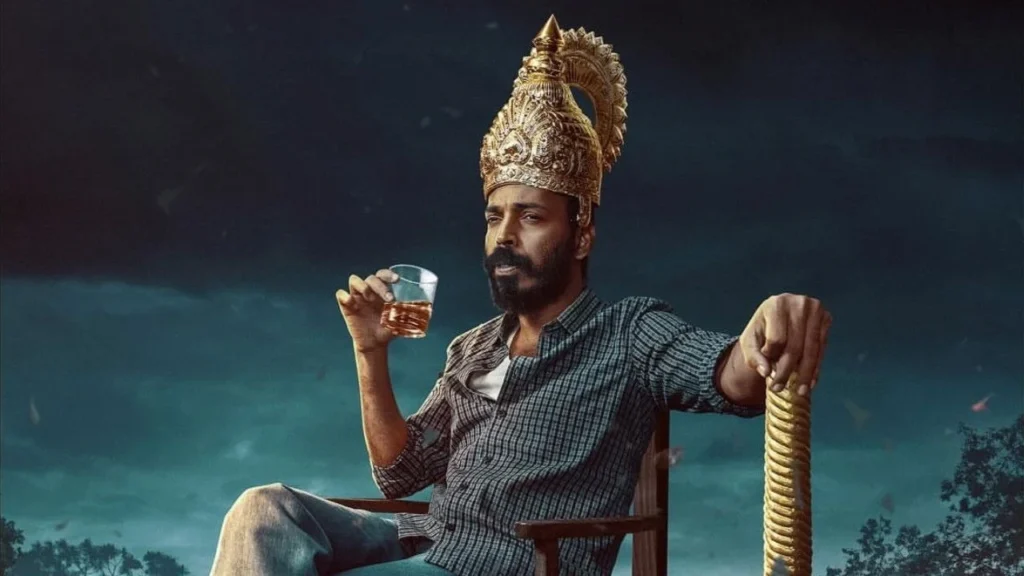
Iniyum (2026) is a Malayalam rural drama directed by Jeeva that blends family conflict, romance, and moral struggle inside a temple-centered village setting. My rating for Iniyum is 2.5/5, mainly because the story has interesting ideas about redemption but struggles to maintain momentum.
Set around a Namboothiri family and a temple community, the film follows Bhadran’s transformation from a money collector tied to questionable dealings into a temple priest seeking a second chance. The premise carries emotional potential, but the execution remains uneven.
Plot Overview
The story unfolds in the village of Ramanjira, revolving around the Sri Ramaswamy Temple and the traditional Namboothiri family responsible for its rituals. Bhadran, born into this respected lineage, ends up working for the local moneylender Wareed due to personal setbacks.
Over time, Bhadran becomes more deeply involved in the money collection business, gradually turning into a feared enforcer. When Wareed dies, Bhadran starts his own chitty company and finds himself clashing with Wareed’s children, escalating tensions within the community.
An incident eventually forces him to leave his village. In an unexpected turn, Bhadran relocates to another place where he joins a temple as a priest, attempting to rebuild his life under a changed identity.
From this point, the film balances two tracks: Bhadran’s past catching up with him and his efforts to live peacefully within the temple community. A romantic storyline and family conflicts run parallel to this redemption arc.
Performances
Saneesh Meleppat shoulders the film as Bhadran, and his performance carries much of the narrative weight. He handles the character’s emotional shifts reasonably well, especially in scenes that highlight Bhadran’s guilt and internal conflict.
Bhadra, the female lead, fits comfortably within the rural setting of the story. Her role primarily supports the emotional and romantic thread rather than driving the narrative.
Among the supporting cast, experienced actors like Kailash, Riyaz Khan, Devan, and Ambika Mohan add stability to the film. Their presence helps ground the story in a believable village environment.
Ashkar Saudan appears in a key role and brings a recognizable screen presence, though the screenplay doesn’t fully capitalize on his character.
Technical Aspects
Director Jeeva focuses heavily on capturing the rhythm of rural Kerala life. The temple environment, village homes, and community interactions provide an authentic visual backdrop.
Cinematographer Kanagaraj uses real locations effectively, particularly during temple sequences and village gatherings. These visuals help establish the film’s cultural setting even when the narrative slows down.
Music plays an important role in Iniyum. With multiple composers involved, including Mohan Sithara, the soundtrack blends devotional tones with emotional melodies. The songs fit the film’s mood, though they do not become standout chartbusters.
The editing by Ranjith keeps the film moving, but the 2 hour 27 minute runtime feels slightly stretched. A tighter cut could have improved pacing.
Strengths
One of the film’s strongest elements is its rural atmosphere. The temple rituals, family traditions, and village politics create a grounded setting rarely seen in fast-paced commercial films.
The ensemble cast also works in the film’s favor. Familiar Malayalam character actors add credibility to the community portrayed on screen.
Another positive point is the central theme of redemption. Bhadran’s journey from moral compromise toward spiritual responsibility offers a solid emotional foundation.
Weaknesses
The biggest issue with Iniyum is pacing. The narrative moves through several phases of Bhadran’s life, but the episodic structure often feels scattered.
Some supporting characters appear briefly without leaving a strong impact, despite the large cast.
The romantic track also feels underdeveloped. While it fits thematically with the story’s emotional arc, it never becomes a compelling driving force.
Box Office Performance
Commercially, Iniyum has struggled to gain traction.
The film reportedly collected around ₹0.02 crore on its opening day in India. Weekend collections remained modest, with early cumulative India net figures hovering around ₹0.09 crore.
Compared with bigger Malayalam releases of 2026, the film has generated limited buzz at the box office and on social media.
This low visibility appears to be one of the main factors limiting its commercial reach.
Is Iniyum Worth Watching?
Iniyum may appeal to viewers who enjoy slow-paced rural family dramas rooted in tradition and morality.
The film’s temple setting and exploration of guilt and redemption offer moments of sincerity. However, the long runtime and uneven storytelling make it harder to recommend for casual viewers looking for a tightly written drama.
If you appreciate character-driven Malayalam village stories, the film delivers enough to keep your interest. Otherwise, it may feel stretched.
Final Verdict
Iniyum tries to tell a heartfelt story about consequences, faith, and second chances within a rural Kerala backdrop.
While the themes are meaningful and the setting feels authentic, the film struggles with pacing and narrative focus. Stronger editing and tighter character arcs could have significantly improved the experience.
For viewers curious about small-scale Malayalam dramas, Iniyum offers a sincere but uneven watch.