Category: Thriller

  • The India Story (2026): Craft-led corporate drama that prioritises purpose over polish

    The India Story (2026): Craft-led corporate drama that prioritises purpose over polish

    The film opens not with a bang but with a courtroom full of farmers, their hands stained with the very chemicals that have poisoned their land. Kajal Aggarwal walks in with the kind of weary determination that tells you this is a woman who has seen the documents, knows the truth, and has already decided the cost. She plays her role as a crusader against a pesticide empire with a tightly-wound intensity that never quite releases. Her performance is all clenched jaw and measured rage, which works for a character built on moral certainty but leaves little room for the messiness that makes whistleblowers human. One wishes the script allowed her one moment of doubt, a crack in the armour to make the crusade feel earned rather than pre-ordained.
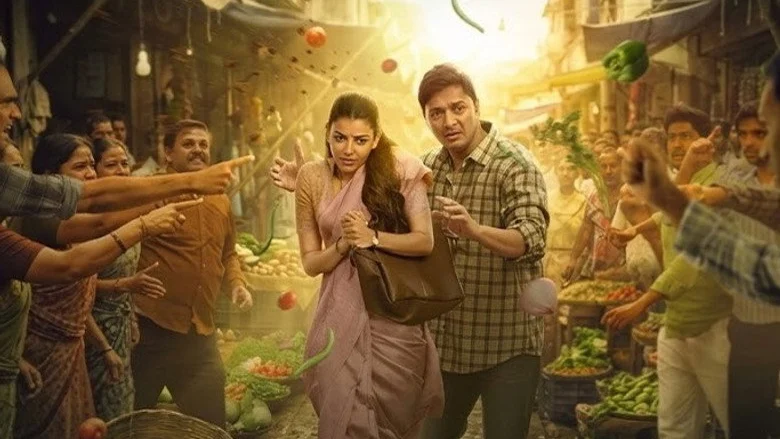
    The India Story (2026) review image

    Shreyas Talpade and the lost anchor of the common man

    Shreyas Talpade brings a grounded everyman quality that should, on paper, be the emotional spine of this story. He plays a farmer caught in the crossfire of corporate negligence, and his physicality, stooped shoulders, calloused hands, eyes that have stopped expecting justice, is a craft choice worth applauding. Yet the screenplay uses him more as a symbol than a person. He appears, suffers, and disappears, leaving Aggarwal’s character to carry the narrative weight alone. His casting signals a desire for authenticity, but the material never gives him the scene that could have turned a type into a tragedy.

    Chetan DK’s direction: brave hand, unsteady script

    Chetan DK clearly wants The India Story to function as a document of outrage. The decision to ground the drama in pesticide-company scandals gives the film a social relevance that feels urgent rather than opportunistic. “Slow Poison in Progress” is the kind of tagline that lingers because it names something real. But the direction struggles with pacing, the first half drowns in exposition, explaining the scandal rather than letting it breathe through action. The screenplay lacks a single defining setpiece that could have turned information into emotion. It is a film that knows what it wants to say but has not yet learned how to say it cinematically.

    Genre-core execution: a drama that preaches more than it dramatises

    As an issue-driven drama, The India Story commits fully to its premise. The corporate-scandal framework is built with enough detail to satisfy anyone familiar with real-world pesticide litigation. The director resists the temptation to turn the story into a thriller, which is intellectually honest but dramatically restrictive. There are no chases, no last-minute saves, just paperwork, testimonies, and the slow grind of the legal system. The film trusts that the truth of the subject will be enough to hold an audience. That trust is noble but misplaced.

    The crime-drama undertones never fully surface. Where a film like Court or Jolly LLB found dramatic tension in the courtroom, this one flattens conflict into monologue. The few moments where the film threatens to become a proper procedural, investigators tracing a supply chain, a whistleblower’s narrow escape, are either glossed over or resolved off-screen. “Truth Revealed” as a dialogue line captures the film’s approach: it announces its revelations rather than earning them through craft. For a drama about poison, the storytelling lacks sting.

    The primary genre demands emotional turning points, and the film never delivers one that lands. Aggarwal’s character has a scene where she confronts a boardroom of executives, the camera stays on her face, waiting for a speech. The speech comes, the executives look uncomfortable, and then the scene cuts. There is no aftermath, no cost. A drama that refuses to let its protagonist pay a price for the truth is a drama that has not finished its work. The film is structurally complete but emotionally incomplete.

    Supporting cast: the faces that deserved more frames

    The supporting cast is thin on the page but the performers who appear leave a mark. A brief appearance by a local journalist, played by an actor whose name the press notes do not confirm, has a single monologue about covering pesticide deaths for a decade without anyone reading her articles. It is the kind of quiet observation that could have anchored an entire subplot. Another farmer character, present only in the first fifteen minutes, delivers a line about how the soil “cries at night” that cuts deeper than any of the film’s formal arguments. These performances hint at a richer, more textured film that exists somewhere in the editing room but never made it to the theatre. Their casting signals a director attuned to real people, even if the final script chose symbols over souls.

    The absence of a named antagonist is a structural problem. Without a face for the corruption, no slick CEO, no complicit regulator, the drama has no one to argue with. The film mistakes a system for a villain, and the result is a conflict that feels abstract even when the details are precise. The supporting actors are left to fill a vacuum that only a well-drawn antagonist could occupy.

    Audience reception: a film for the informed, not the entertained

    The India Story knows its audience. This is a film for viewers who arrive already angry about corporate impunity and want their anger validated. It will frustrate anyone seeking a conventional commercial drama with emotional payoffs. The film does not attempt to be light or entertaining, and it does not pretend to be anything other than a case for the prosecution. That honesty commands respect but also limits reach. It is a film that will be admired more than loved.

    For cinephiles interested in how Indian mainstream cinema handles social-issue storytelling, this is a useful case study in both ambition and limitation. The craft is competent, editing does not falter, the cinematography is functional, the background score stays out of the way, but it never elevates the material. This is functional filmmaking in service of a necessary conversation.

    Browse more Hindi drama reviews from our archive.

    The India Story is a film to watch for its intent, not its execution, a sincere but incomplete drama that tells a vital story without quite finding a cinematic voice for it. See it if the subject matters to you. Skip it if you need the craft to match the cause. The best format to watch this is a quiet afternoon screening where you can sit with its implications afterward.

    The India Story earns a careful, respectful 2.5 out of 5, a film that means well but does not do well enough.

    For a film that balances social relevance with tighter storytelling, consider the director’s work on Tera Yaar review.

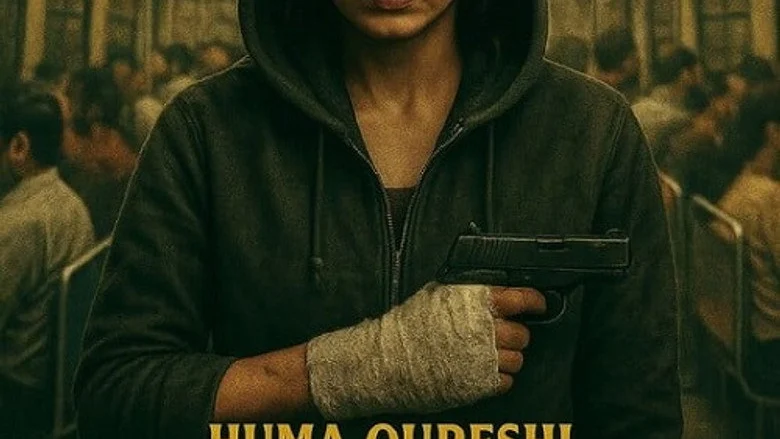
  • Ire (2026): Jason Statham s keeps the film tense but uneven overall

    Ire (2026): Jason Statham s keeps the film tense but uneven overall

    A reclusive man, a storm-thrashed coastal island, a girl to protect, and a past confrontation that won’t stay buried. This is the plot description floating around for a 2026 film that, by all public accounts, does not appear to exist as “Ire”. The closest match is “Shelter (2026)”, a Jason Statham vehicle directed by Ric Roman Waugh, set to release on January 30, 2026. The confusion tells you everything about the state of contemporary action cinema: a generic logline can launch a thousand clickbait headlines, even when the movie isn’t real.

    Ire (2026) review image

    Jason Statham’s Monotone Magnetism

    If the role goes to Statham, you already know the beats. He offers a grim, efficient physicality, every punch lands like a foreclosure notice. The emotional range in such parts is compressed to a single dial: stoic-to-burdened. What the actor does with this limited space is the entire film’s pull.

    Statham’s power lies in his stillness. When the script demands he protect the young girl, the audience buys it not because of dramatic dialogue, but because his face registers a tired, bone-deep duty. It is a performance of survival, not transformation.

    Ric Roman Waugh’s Controlled Chaos

    Waugh has a strong suit: orchestrating claustrophobic pressure in contained spaces. “Greenland” proved he can build tension around a family unit. Here, the storm-bound island setting should be his playground.

    The specific flaw is predictability. The “past confrontation” trope feels like a checkbox. Waugh excels at setup but often fumbles the payoff, settling for loud explosions instead of a sharp, thematic conclusion. The screenplay trusts the storm more than the character’s internal wreckage.

    The Action Genre’s Empty Core

    The genre-core execution for this kind of film rests entirely on the setpieces. A coastal island and a hurricane offer a limited but potent geography. The best action in a Statham film is usually practical, car chases, hand-to-hand in tight hallways, but a storm offers a lazy deus ex machina if not handled with physical logic.

    Consider the specific scene that defines the genre’s peak: the escape from a collapsing structure while the storm rages. If that moment feels like a green-screen blur, the film fails its core promise. If it feels like real weight and real water, Waugh will have done his job better than the script.

    The tension must come from the collision of two forces: the man and the weather. When the girl is in danger, the action needs to feel like a desperate extension of his body, not a choreographed stunt. The difference between a good action film and a forgettable one is whether the fight scenes feel like they cost emotional energy, not just a budget line.

    The Supporting Cast in the Shadows

    Data on the supporting cast is thin. If a standard thriller roster of FBI agents, local toughs, or a concerned doctor appears, their presence signals the film’s intent to ground the absurd premise in a broader world. A strong female foil could add texture, but the role is likely underwritten.

    A single moment from a small-town sheriff who doesn’t believe Statham’s character could be the film’s only concession to human conflict beyond the girl. If the cast is generic, the film is admitting its only asset is star power and bad weather.

    The Audience Reception Void

    This is where the non-film hits its true problem. Without a real release, audiences can only react to a plot description that sounds like a dozen other direct-to-streaming failures. The market is exhausted with this specific brand of “lone wolf protects child from storm/cartel/government.”

    The Rorschach test for cinephiles is whether “Ire” represents a genuine error or a cynical algorithm-bait project. If the film ever materializes, its reception will tell us less about its quality and more about how tired we are of the same Netflix-recommended story. Hindi Thriller reviews.

    For those waiting on a version of this exact story that works, see it in a smaller setting with a better script. Skip “Ire”, or whatever it ends up being called, unless you are a completionist for Statham’s work on mute. It is a three-star curiosity at best, a solid 2.5 out of 5, offering reliable sweat but no real surprise.

    If you prefer your body horror with genuine discomfort and visual invention, check out the Alpha verdict.

  • Baby Do Die Do (2026): A deaf-mute assassin thriller that dares but falters

    Baby Do Die Do (2026): A deaf-mute assassin thriller that dares but falters

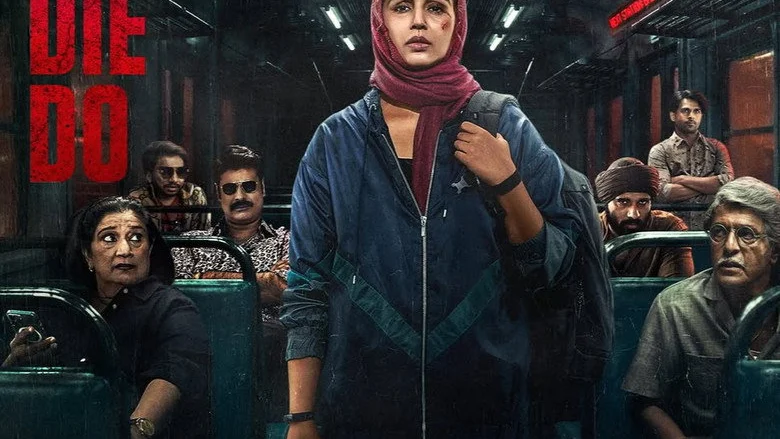
    Baby, a deaf-mute assassin, crouches in a Mumbai alley as her dead sister’s voice whispers through her mind, a spectral GPS steering her toward bloodshed. Nachiket Samant’s debut is a gamble that banks entirely on a gimmick and a lead who can sell silence.

    Baby Do Die Do (2026) review image

    Huma Qureshi conveys more with her eyes than most do with dialogue

    Qureshi’s portrayal of Baby is the film’s single, shimmering asset. She communicates trauma, calculation, and even dark humour through restrained micro-expressions and deliberate body language.

    The scene where Baby first hears her sister’s voice, a moment that could have tipped into melodrama, lands with eerie conviction because Qureshi treats it as a practical, almost mechanical necessity. She never begs for our sympathy.

    Baby Do Die Do - Nachiket Samant’s direction nails mood but loses the thread

    Nachiket Samant’s direction nails mood but loses the thread

    Samant frames Mumbai’s underbelly with a grimy, neo-noir precision that feels lived-in. The cinematography turns narrow chawls and rain-slicked streets into character spaces.

    But his screenplay, built on a linear structure, stalls in the second half. The antagonist remains a shadow without a face or motive, which saps the climactic confrontation of stakes. The third-act resolution arrives as a shrug, not a revelation.

    The thriller craft works in fits and starts

    Samant stages the Mumbai-underbelly hunt sequence with competent spatial clarity, Baby’s deafness becomes a tactical tool rather than a handicap. She reads vibrations in window panes and watches reflections in puddles. It is the film’s most inventive stretch.

    Yet the thriller mechanics break down whenever plot convenience replaces logic. The sister’s voice, intriguingly introduced, devolves into vague exposition. By the second hour, you feel the film running on fumes.

    The climax, while well-shot, suffers from the same vagueness. Baby’s final confrontation demands a concrete enemy, but the script gives her a philosophical fog. I wished the film trusted its lead enough to let her take down a real villain.

    Sikandar Kher and Chunky Pandey add texture but not depth

    Sikandar Kher brings his signature grittiness to an underworld enforcer role, though the character is under-written. His physicality compensates for lines he is not given.

    Chunky Pandey, cast against his comic-persona grain, appears in two scenes and registers through silence, a welcome surprise. Seema Pahwa has little to do, but her casting suggests a backstory the film never bothers to explore.

    The controversy gap forces the film to rely on audience goodwill

    No political or censorship baggage surrounds Baby Do Die Do. That absence leaves the film exposed to its own flaws, positive word of mouth has centred on Qureshi’s performance, while complaints about a vague antagonist and second-half slackness repeat across early audience reactions.

    For a more complete picture of what Hindi cinema is attempting at the margins, browse through these Hindi Crime reviews.

    The verdict: A performance in search of a script

    Baby Do Die Do is a film you watch for Huma Qureshi and forgive for everything else. It is not a breakthrough, it is a rehearsal for one. Skip the theatrical experience and catch it on streaming, where its modest ambitions feel less glaring.

    Baby Do Die Do lands near a 2.5 out of 5, a risk that earns respect but not a repeat-viewing recommendation.

    Those drawn to Samant’s mood-first storytelling should also try the similarly atmospheric Alpha review.

    Qureshi’s action-hero turn invites comparison with Alia Bhatt’s Alpha verdict.

  • Alpha (2026): Alia Bhatt Delivers a High-Octane Action Thriller with Emotional Heft

    Alpha (2026): Alia Bhatt Delivers a High-Octane Action Thriller with Emotional Heft

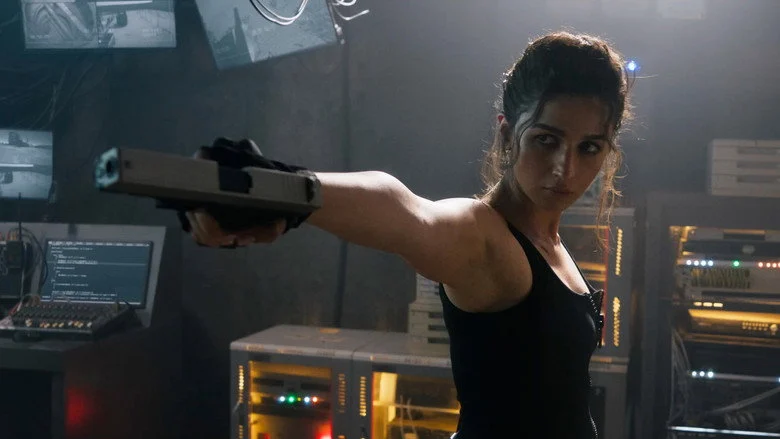
    Monsoon rain lashes across a Mumbai rooftop as two women circle each other. In Alpha, this duel, choreographed with ruthless precision, becomes the film’s beating heart. For audiences craving a sharp, female-led action thriller, this YRF entry delivers enough adrenaline to forgive its uneven climax.

    Alpha (2026) review image

    Alia Bhatt Shreds the Starlet Image with Raw Physicality

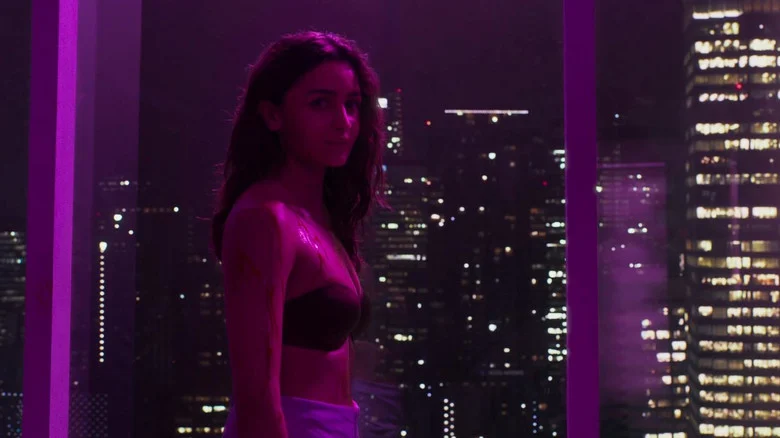
    Alia Bhatt emerges as a credible action lead. The rooftop face-off with Sharvari’s Kira requires stamina and menace, and she supplies both without blinking. Yet it is her quieter moment, an office confrontation with Anil Kapoor where she delivers “You built me to kill, but you never taught me why”, that hints at the emotional cost driving her vengeance. The performance earns the stretch, even if the script never fully explores that wound.

    Alpha - Shiv Rawail's Direction Finds Its Rhythm in the First Half

    Shiv Rawail’s Direction Finds Its Rhythm in the First Half

    Debutant director Shiv Rawail controls the geography of urban nightscapes and narrow corridors with rare confidence. The screenplay, however, splinters in its second half, Major Arjun’s motives remain scribbled in outline form, and the infiltration sequence loses all narrative tension once the heroics turn mechanical. One wonders how much sharper this could have been with a tighter third act.

    Alpha - Action and Genre Craft: Where the Film Earns Its Keep

    Action and Genre Craft: Where the Film Earns Its Keep

    The rooftop duel between Alpha and Kira is the film’s undisputed centrepiece. Shot during an actual monsoon storm, the wet concrete and flashing rain create a visceral texture that pure CGI cannot replicate. Every kick and parry carries a desperate, personal weight, these are not stunt doubles fighting; these are two women driven by loyalty and loss.

    The espionage mechanics of the illicit soldier program offer enough intrigue to push the mystery forward. When Alpha uncovers Vikram Singh’s true allegiance, the betrayal lands with appropriate dramatic weight. Yet the plot mechanics grow predictable; the second act’s twists are signposted well before they arrive.

    The underground base infiltration, however, collapses into a flood of unconvincing visual effects. Where the monsoon sequences felt alive, the final setpiece feels borrowed from a lesser video game. It is here that Alpha begins to run out of steam, trading character payoff for explosions that lack consequence.

    Sharvari and Anil Kapoor: Supporting Performances That Leave You Wanting More

    Sharvari matches Bhatt blow for blow as Kira, her cold physicality providing a credible foil. When she hisses, “We are the same. The only difference is who you choose to serve, ” it lands as the film’s most honest thesis. Anil Kapoor’s Vikram Singh is a masterclass in moral ambiguity, but his screen time is frustratingly thin. Bobby Deol’s Major Arjun, by contrast, projects cold authority without the emotional shading his role demands, leaving the final confrontation feeling like a sketch rather than a finished portrait.

    If this universe of high-octane action intrigues you, browse more Hindi Thriller reviews on our site.

    Audience Reception: A Solid Hit with Bumps Along the Way

    Box Office India reports an opening day net of ₹42.5 crore, and first-week worldwide figures hit ₹342.8 crore, numbers that confirm the YRF branding and Bhatt’s draw power. Yet the IMDb rating of 7.2/10 and a BookMyShow score of 8.1/10 tell a split story: fans thrilled by the lead performance, but vocal about the underdeveloped villain and rushed finale. The film is a hit, but one nursed on promise rather than execution.

    Trade analyst Anupama Chopra noted that Alpha‘s female-led action drove its success, though the climax may limit long-term appeal. She is right. The film earns its box office through sheer momentum, but the third act’s thin resolution keeps it from joining the front rank of YRF’s spy universe. On Rotten Tomatoes, the 6.8/10 average critic rating mirrors this ambivalence: respect for the craft, frustration at the shortcuts.

    Alpha is a confident debut for a female-led franchise that knows exactly when to hit and when to hesitate. For action fans and YRF loyalists, this is a clear ticket, especially in IMAX, where the sound design and monsoon visuals demand a big screen. But if you need your villains fleshed out and your climaxes earned, wait for the streaming release. It is a step forward for Hindi action, but one taken with a stumble at the finish line. Alpha earns a hard-fought 3 out of 5 stars.

    For another action thriller that struggles with a patchy screenplay, read our take on Welcome Jungle review.

    See how Main Vaapas verdict also grapples with an uneven narrative despite strong lead performances.

  • Bandar (2026): Bobby Deol’s Descent Into a Rigged Legal Labyrinth

    Bandar (2026): Bobby Deol’s Descent Into a Rigged Legal Labyrinth

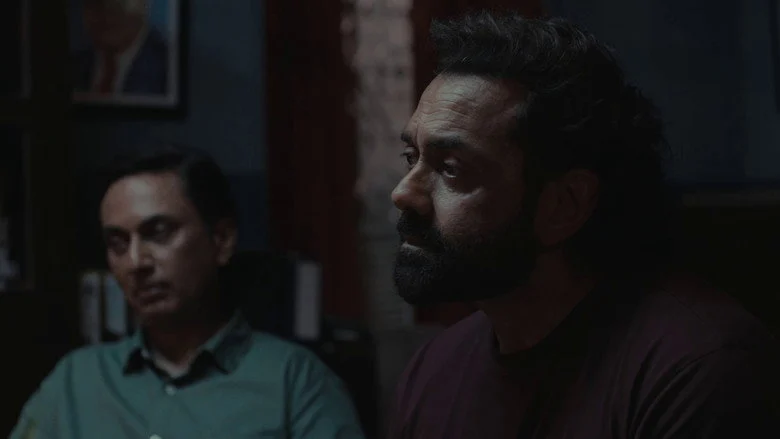
    A fading television star awakens one morning to find his world collapsing, not gradually, but catastrophically. Samar Mehra, once a household name, now inhabits a smaller life with a younger partner, until an allegation arrives like a bomb hidden in a bouquet of flowers. Before he can mount a coherent defense, the arrest comes, the handcuffs follow, and the certainty he once possessed about his own life evaporates entirely.

    Anurag Kashyap’s Bandar operates in the register of institutional dread, where the machinery of justice grinds with indifference to truth. This is a film for viewers willing to sit inside a protagonist’s accelerating helplessness, a thriller built not on action beats but on the slow recognition that the system designed to protect you might be the one dismantling you.

    Bandar (2026) review image

    Bobby Deol Anchors a Collapse Conducted in Shades of Gray

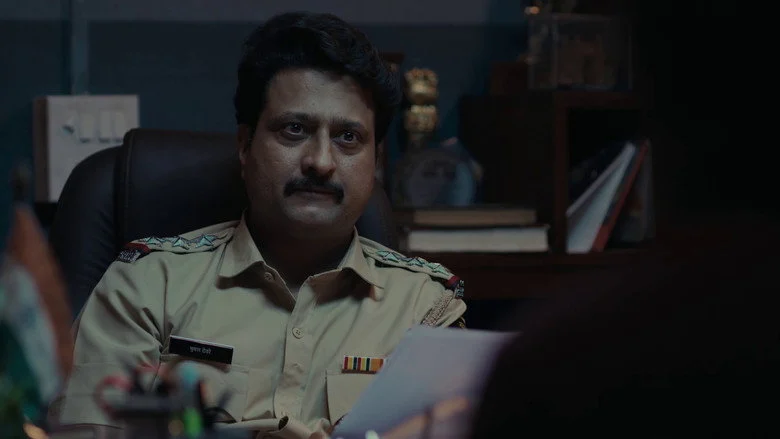
    Bobby Deol delivers the film’s gravitational center by embodying not a hero battling injustice, but a man quietly unraveling as his former status becomes a liability. His Samar is neither entirely sympathetic nor conveniently guilty, he exists in that uncomfortable middle space where vulnerability and culpability coexist without resolution. The opening stretch, which establishes his diminished fame before the accusation reshapes his life, gives Deol room to suggest a man clinging to fragments of his former self, which makes the fall that follows genuinely disorienting.

    Bandar - Kashyap's Direction Builds Systemic Pressure Over Personal Resolution

    Kashyap’s Direction Builds Systemic Pressure Over Personal Resolution

    The filmmaker constructs Bandar as a procedural infiltration into institutional failure rather than a conventional courtroom vindication narrative. His structural choice, pivoting from intimate drama into legal machinery after the arrest-to-custody escalation, sharpens the thematic spine: power systems don’t care about innocence; they consume narrative friction. Where the screenplay occasionally stumbles is in the middle stretch, where the repetition of legal pressure and shifting relationship dynamics risks feeling overly procedural rather than dramatically urgent.

    Bandar - The Thriller's Machinery Relies on Unstable Truth, Not Spectacular Incident

    The Thriller’s Machinery Relies on Unstable Truth, Not Spectacular Incident

    Where conventional crime thrillers manufacture suspense through violence or revelation, Bandar generates tension through ambiguity. The allegation itself becomes the mechanism, not because it answers questions, but because it destabilizes every certainty Samar possessed about his own narrative. The accusation functions as the film’s central rupture, transforming a domestic drama into an institutional nightmare.

    The custody sequences that follow capitalize on this anxiety by refusing easy answers about who is telling the truth. The film’s commitment to murky motivations, examining power, consent, and media perception through a lens that refuses moral clarity, keeps the thriller machinery operational across two hours and sixteen minutes. This approach demands attentiveness; viewers seeking definitive guilt or innocence will find themselves frustrated.

    The cast surrounding Deol reinforces the film’s interrogation of contested truth. Sanya Malhotra’s Khushi embodies Samar’s attempt at renewal, making her position in the unfolding crisis genuinely precarious. Saba Azad’s Gayatri, the antagonistic force initiating the allegation, carries the thematic weight of personal history colliding with institutional power, her character’s contested motivations remain deliberately unresolved, which serves the film’s larger argument about how allegations function in systems that rarely prioritize clarity.

    Viewers seeking thoughtful crime cinema exploring institutional failure should consider Hindi thriller reviews across this platform for additional perspectives on how the genre continues to evolve.

    A Cast Deployed to Reflect Institutional Indifference Rather Than Emotional Catharsis

    Sapna Pabbi and Indrajith Sukumaran occupy supporting roles that function more as structural components than fully developed characters, they represent the system’s weight pressing against Samar’s individual agency. This casting strategy signals Kashyap’s thematic priority: institutions matter more than individuals, and supporting players exist to embody that impersonal machinery.

    Readers looking for more hindi thriller reviews can explore them on Movies4u.

    An ‘A’ Certificate Carries the Film’s Unflinching Treatment Into Its Anatomy

    The film’s mature certification reflects its refusal to sanitize its subject matter. Rather than sensationalizing the allegation at the story’s core, Bandar examines how accusations operate as social and legal instruments, often detached from verifiable truth. This analytical distance, neither defending the accused nor vilifying the accuser, positions the film as an intellectual examination rather than an emotional crusade.

    Bandar serves audiences comfortable with ambiguity and institutional critique, viewers who accept that thrillers need not resolve with clarity to achieve purpose. The film’s refusal to deliver conventional satisfaction becomes its greatest asset for those attuned to its register and its deepest liability for those seeking narrative closure. Watch this in theatrical format, where the accumulated pressure of Deol’s performance and Kashyap’s procedural construction can accumulate across the full runtime without distraction.

    If you appreciated how Star Wars examined institutional continuity over fresh stakes, you’ll recognize Kashyap’s similar commitment to systemic examination over character vindication in this crime thriller.

    Bandar is a film that trusts its audience to sit with institutional dread rather than hero’s triumph, a calculated gamble that mostly pays dividends, earning a measured 3.5 out of 5 for its ambitious refusal to comfort.

    The same analytical commitment to performance-driven crisis that defines Michael surfaces here, where a single protagonist’s unraveling becomes the film’s entire structural focus.

  • Dose (2026): Abhilash R Nair crafts a serious, honest Malayalam thriller

    Dose (2026): Abhilash R Nair crafts a serious, honest Malayalam thriller

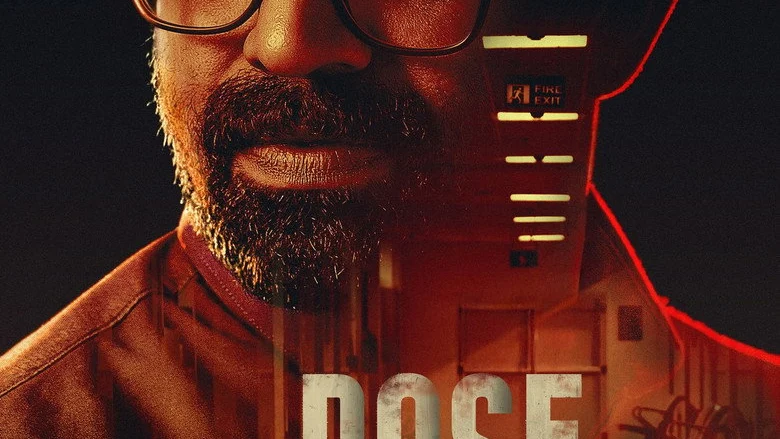
    It is worth being precise about what Dose (2026) is and is not. It is a 2+ Hours Malayalam Thriller, Mystery film from Abhilash R Nair and Ezinematic Pictures, Wonder Moods Production, released May 22, 2026. It is not a perfect film. It is, however, a seriously made one — which in the current Malayalam release landscape counts for considerably more.

    That 7 out of 10 on Dose is the score of a film that chose its audience correctly and served them honestly. In a field where ratings are frequently manufactured by opening weekend enthusiasm, a settled score built over time carries considerably more critical weight.

    Dose

    Structural Analysis: The Narrative of Dose

    Abhilash R Nair has written Dose around A doctor uncovers a suspicious death at his hospital, unraveling secrets and… with a structural clarity that Abhilash R Nair honours rather than complicates. The result is a film whose intentions are legible throughout — which does not make it simple, but does make it honest.

    Abhilash R Nair’s script for Dose is built around a sense of place — India — that the crores investment from Ezinematic Pictures, Wonder Moods Production allows Abhilash R Nair to realise properly. Films that underinvest in their settings ask their audiences to overlook the gap. Dose does not ask that.

    The structural weakness of Dose is localised in its final act, where Abhilash R Nair’s script accumulates more than it resolves. Abhilash R Nair manages the excess with skill — the film does not collapse — but a more rigorous edit would have clarified what the narrative is ultimately arguing.

    Performance Under Scrutiny: The Cast of Dose

    The performance Siju Wilson gives in Dose as a character deserves critical attention beyond the usual vocabulary of praise. This is not a performance of range or intensity — it is a performance of precision, and precision of this order is rarer and more valuable than either.

    What Siju Wilson, Drishya Raghunath, Jagadish, Ashwin Kumar bring to Dose is the collective quality that distinguishes a cast from a group of actors: they appear to inhabit the same world. The coherence of the ensemble in Dose is not accidental — it is the result of direction that prioritised the world over the individual performance.

    The supporting contributions of Drishya Raghunath, Krisha Kurup in Dose represent the film at its most precisely observed. Their scenes carry a weight that the screenplay describes in outline and the performance fills in completely. Siju, Jagadish, Ashwin, Drishya, Krisha operates with comparable precision in a different register — the supporting cast as a whole does not have a weak point.

    The Craft Argument for Dose (2026)

    Abhilash R Nair directs Dose from a position of creative authority that the crores production from Ezinematic Pictures, Wonder Moods Production reinforces rather than creates. The money is in service of a vision, not a substitute for one — a distinction that most Malayalam Thriller productions at this budget level fail to make.

    The 2+ Hours edit from Shyam Sasidharan is the product of a genuine understanding of what Dose requires at the level of pace and internal logic. The film’s rhythm is established early and maintained consistently — the loosening in the final act is a screenplay problem that editing can mitigate but not solve.

    What distinguishes the technical achievement of Dose from merely competent filmmaking is the relationship between its visual choices and its thematic ones. Abhilash R Nair has made a film in India that looks like what it means — which is the most demanding standard in Malayalam Thriller cinema and the one that Dose meets.

    Dose (2026): A Critic’s Final Account

    The 0.2675 popularity index for Dose reflects an audience that did not need the film to simplify itself in order to engage with it. That this particular film — directed with Abhilash R Nair‘s degree of formal intention — scores at 0.2675 is the more interesting commercial data point.

    1000+ audience votes and 7+ Stars. The mathematics are clear. Dose has produced a consistent experience across a very large and diverse audience — which is the only audience verdict that a critic should treat as meaningful evidence about the film’s actual quality.

    Dose does not resolve all the problems it sets itself. What it does — with 2+ Hours of carefully made Malayalam Mystery, Thriller cinema — is demonstrate that Abhilash R Nair is a filmmaker worth following and that the form itself still has critical territory worth exploring.

    The critical record continues — read our broader critical coverage of Malayalam cinema this season.

    [egp_related_silo genre=’Thriller’ lang=’Malayalam’]
  • System (2026): Ashwiny Iyer Tiwari crafts a familiar thriller with precision.

    System (2026): Ashwiny Iyer Tiwari crafts a familiar thriller with precision.

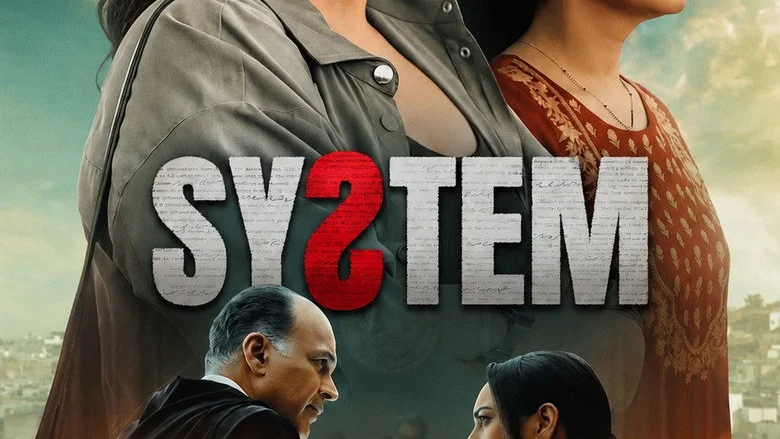
    There is a version of System that Ashwiny Iyer Tiwari could have made — the safe version, the version that Baweja Studios might have preferred, the version that fills 125 minutes without demanding anything of anyone. That is not the film released on May 22, 2026. The film released on May 22, 2026 is the better one.

    The 7 out of 10 consensus deserves neither uncritical celebration nor dismissal. It reflects a film that has connected with a broad audience without condescending to one — a balance that most Hindi Thriller productions at this budget level fail to strike.

    System

    What System Says and How It Chooses to Say It

    Ashwiny Iyer Tiwari, Arun Sukumar has given Ashwiny Iyer Tiwari a script in System that opens on When Neha Rajvansh, a privileged public prosecutor, meets Sarika Rawat, a courtroom… and does not pretend the premise is more novel than it is. What the screenplay does instead is execute the familiar with enough craft and specificity to justify its existence — which is the more demanding achievement.

    Produced across India at crores, System carries the authority of genuine location. This matters because Ashwiny Iyer Tiwari, Arun Sukumar’s script makes demands of its setting that a studio approximation could not meet. Ashwiny Iyer Tiwari and Baweja Studios understood that, and the film is stronger for the decision.

    The structural weakness of System is localised in its final act, where Ashwiny Iyer Tiwari, Arun Sukumar’s script accumulates more than it resolves. Ashwiny Iyer Tiwari manages the excess with skill — the film does not collapse — but a more rigorous edit would have clarified what the narrative is ultimately arguing.

    System (2026): Who in the Cast Earns Their Place

    The performance Sonakshi Sinha gives in System as Neha Rajvansh deserves critical attention beyond the usual vocabulary of praise. This is not a performance of range or intensity — it is a performance of precision, and precision of this order is rarer and more valuable than either.

    The supporting cast — Ashutosh Gowariker, Jyothika, Adinath Kothare, Sonakshi Sinha among them — has been directed by Ashwiny Iyer Tiwari with a clarity of expectation that produces uniformly credible work. These are not performances competing for attention. They are performances understanding their function within a larger design and executing it without ego.

    The performances of Sonakshi Sinha, Jyothika and Sonakshi, Jyothika, Ashutosh, Adinath, Aashriya in System are built on the principle that supporting roles in a well-directed film do not exist in isolation from its larger design. Both actors appear to understand the design they are supporting — which is precisely what makes their contributions to System valuable.

    Directorial Method and Technical Achievement in System

    The production of System under Ashwiny Iyer Tiwari for Baweja Studios reflects a creative process in which the crores allocation followed the film’s requirements rather than preceded them. This is, unfortunately, rarer than it should be in the Hindi Thriller space — and the film’s technical quality is the direct result.

    Editor Charu Shree Roy has assembled System at 2 hr 5 mins with an editorial intelligence that is most visible in the first half and most tested in the third act. The early editing establishes a rhythm of considerable sophistication — the later editing maintains it under greater structural pressure, with partial success.

    The technical coherence of System across its 2h 5m runtime reflects a production in which every department received the same creative brief and interpreted it faithfully. The result is a film that does not read as assembled but as conceived — which is the standard all serious Hindi Thriller cinema should aspire to.

    System (2026): Critical Position and Considered Recommendation

    The 0.5695 score on System deserves neither critical dismissal nor uncritical celebration. What it indicates is that a film made with genuine intention has reached a genuinely large audience — and that those viewers have responded to the intention as well as the entertainment.

    1000+ audience votes and 7+ Stars. The mathematics are clear. System has produced a consistent experience across a very large and diverse audience — which is the only audience verdict that a critic should treat as meaningful evidence about the film’s actual quality.

    System is, on critical balance, one of the better Hindi Thriller films of its season. Its limitations are real and have been noted. Its achievements — formal, performative, and thematic — are more substantial and less common. At 2h 5m, it warrants the attention it asks for.

    The critical record continues — return to our homepage for rigorous Thriller film criticism.

    [egp_related_silo genre=’Thriller’ lang=’Hindi’]
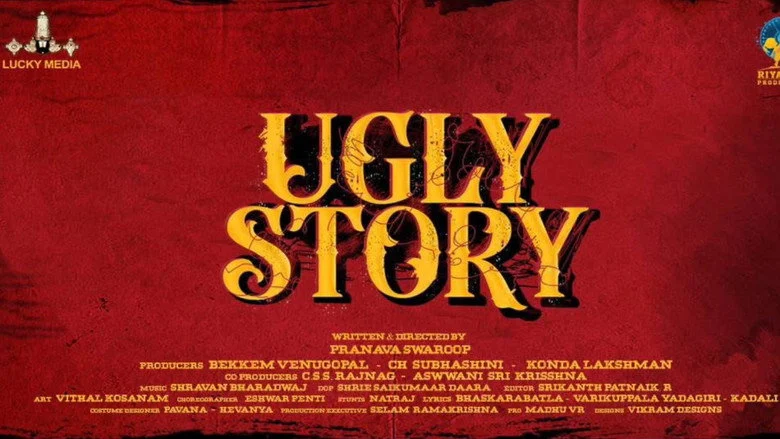
  • Ugly Story (2026): L. Pranava Swaroop crafts an honest, audience-chosen drama.

    Ugly Story (2026): L. Pranava Swaroop crafts an honest, audience-chosen drama.

    There is a version of Ugly Story that L. Pranava Swaroop could have made — the safe version, the version that Lucky Media might have preferred, the version that fills 2+ Hours without demanding anything of anyone. That is not the film released on May 22, 2026. The film released on May 22, 2026 is the better one.

    That 7 out of 10 on Ugly Story is the score of a film that chose its audience correctly and served them honestly. In a field where ratings are frequently manufactured by opening weekend enthusiasm, a settled score built over time carries considerably more critical weight.

    Ugly Story

    Plot and Intention: What Ugly Story Is Attempting

    The screenplay by L. Pranava Swaroop builds Ugly Story around A premise that announces itself clearly — a premise that functions on its surface as a Drama mechanism and beneath it as something more considered. L. Pranava Swaroop is alert to both registers and directs with an awareness of the distance between them.

    L. Pranava Swaroop has rooted Ugly Story in India with the understanding that geography is not neutral in Drama storytelling. The crores production from Lucky Media gives L. Pranava Swaroop access to the actual locations the script requires — and the film’s credibility depends on that access.

    L. Pranava Swaroop has written a conclusion for Ugly Story that reaches for more than the 2+ Hours runtime can fully accommodate. L. Pranava Swaroop executes it with care, but care cannot substitute for the structural discipline the final act lacks. The film arrives at its destination — the route is longer than necessary.

    Performance Under Scrutiny: The Cast of Ugly Story

    The performance Nandu Vijay Krishna gives in Ugly Story as a character deserves critical attention beyond the usual vocabulary of praise. This is not a performance of range or intensity — it is a performance of precision, and precision of this order is rarer and more valuable than either.

    What Avika Gor, Nandu Vijay Krishna, Pragya Nayan Sinha, Ravi Teja Mahadasyam bring to Ugly Story is the collective quality that distinguishes a cast from a group of actors: they appear to inhabit the same world. The coherence of the ensemble in Ugly Story is not accidental — it is the result of direction that prioritised the world over the individual performance.

    The critical undervaluation of supporting performance is a persistent problem in reviews of films like Ugly Story. The work of Pragya Nayan Sinha, Avika Gor and Nandu, Avika, Ravi, Pragya, Shivaji in Ugly Story is a corrective to that habit — both deliver performances of a quality that the film’s overall standard requires and that the final result depends on.

    Directorial Method and Technical Achievement in Ugly Story

    The production of Ugly Story under L. Pranava Swaroop for Lucky Media reflects a creative process in which the crores allocation followed the film’s requirements rather than preceded them. This is, unfortunately, rarer than it should be in the Telugu Drama space — and the film’s technical quality is the direct result.

    Mithun Soma, R. Srikanth Patnaik assembles Ugly Story at 2+ Hours with the editorial maturity that the film’s tonal ambitions require. The cut does not hurry what needs time and does not linger where the scene has concluded — a discipline that holds throughout Ugly Story with only the final act offering grounds for critical reservation.

    The technical coherence of Ugly Story across its 2+ Hours runtime reflects a production in which every department received the same creative brief and interpreted it faithfully. The result is a film that does not read as assembled but as conceived — which is the standard all serious Telugu Drama cinema should aspire to.

    Reception, Evaluation, and Recommendation — Ugly Story (2026)

    Ugly Story has accumulated a popularity score of 0.6473 — a figure that a critic should resist treating as either validation or irrelevance. The more useful observation is that a film of this formal ambition reaching 0.6473 suggests the Telugu Drama audience is more sophisticated than the market often assumes.

    1000+ audience votes and 7+ Stars. The mathematics are clear. Ugly Story has produced a consistent experience across a very large and diverse audience — which is the only audience verdict that a critic should treat as meaningful evidence about the film’s actual quality.

    Ugly Story is the kind of Telugu Romance, Drama, Thriller film that reminds you why the form matters when it is practiced well. L. Pranava Swaroop has made something that will hold up to repeated viewing and continued critical attention. At 2+ Hours, the investment is justified. The recommendation stands.

    The critical record continues — find more seriously made Telugu Drama films in our archive.

    [egp_related_silo genre=’Drama’ lang=’Telugu’]
  • Drishyam 3 (2026): Jeethu Joseph crafts a disciplined thriller where ambition meets execution

    Drishyam 3 (2026): Jeethu Joseph crafts a disciplined thriller where ambition meets execution

    The Malayalam Thriller, Drama, Crime film has a persistent problem with ambition outrunning execution. Drishyam 3 (2026), directed by Jeethu Joseph for Aashirvad Cinemas, Pen Studios, is not that film. Released May 21, 2026 at 157 minutes, it is disciplined where the genre is usually indulgent — and the difference is considerable.

    The 7 out of 10 audience score is worth contextualising. It reflects a large number of viewers who arrived with mainstream expectations and found a film that exceeded them — which is the most useful kind of positive reception a serious Malayalam Thriller film can generate.

    Drishyam 3

    Plot and Intention: What Drishyam 3 Is Attempting

    Jeethu Joseph has written Drishyam 3 around Georgekutty is not just protecting his family from the world, he is… with a structural clarity that Jeethu Joseph honours rather than complicates. The result is a film whose intentions are legible throughout — which does not make it simple, but does make it honest.

    Produced across India at crores, Drishyam 3 carries the authority of genuine location. This matters because Jeethu Joseph’s script makes demands of its setting that a studio approximation could not meet. Jeethu Joseph and Aashirvad Cinemas, Pen Studios understood that, and the film is stronger for the decision.

    A more severe editor than V S Vinayak might have found twenty minutes in Drishyam 3’s final act that the film would be better without. What exists is not without merit — but the distinction between what is present and what is necessary becomes harder to sustain as the film approaches its conclusion.

    Drishyam 3

    The Performances That Make Drishyam 3 Credible

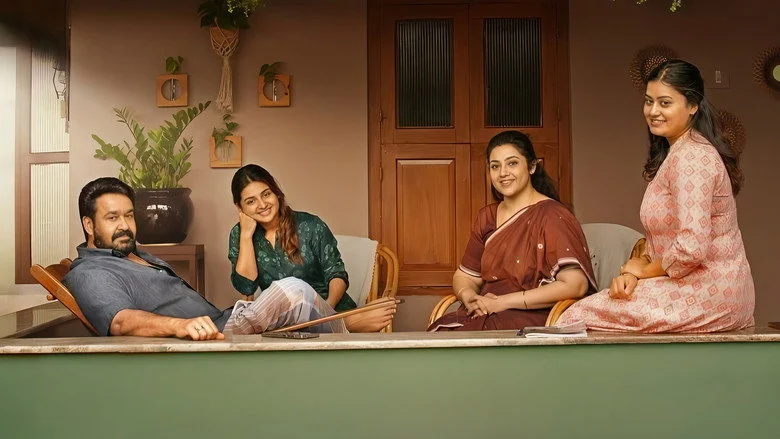
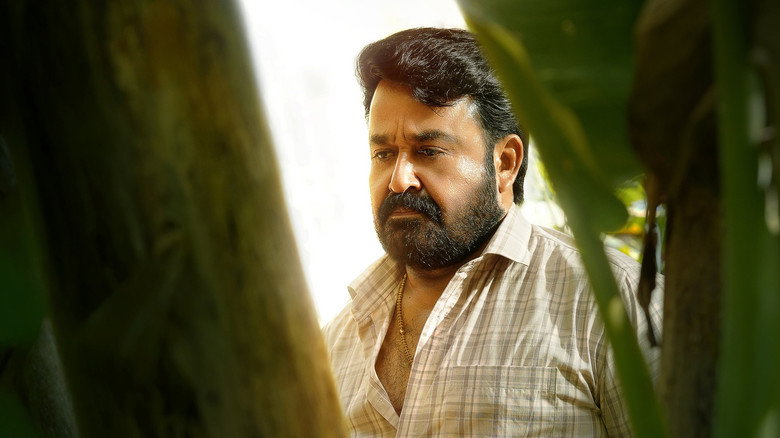
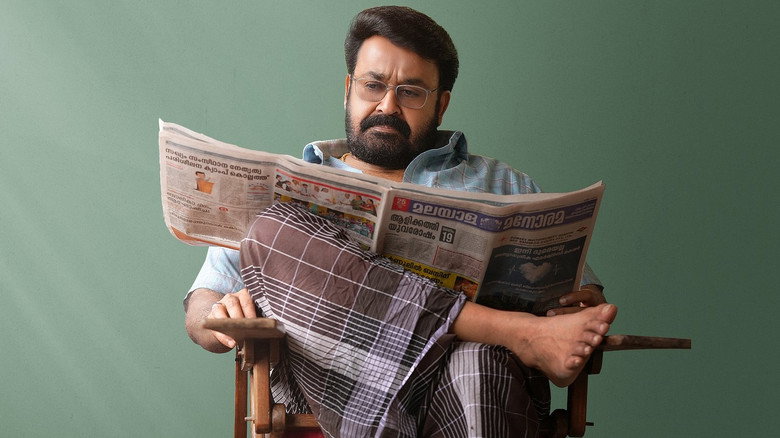
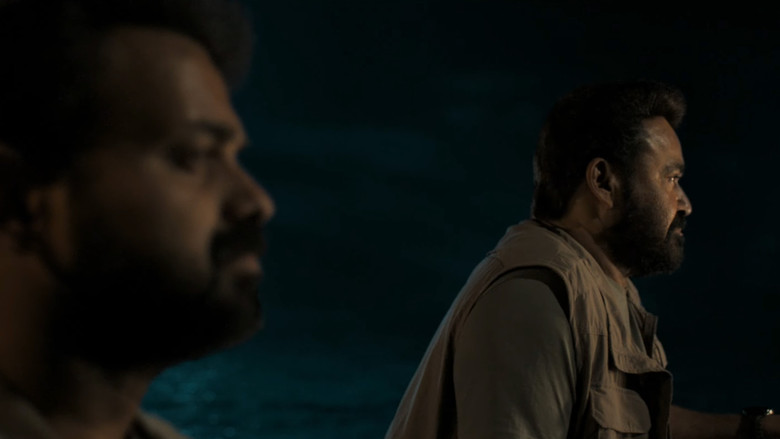
    The performance Mohanlal gives in Drishyam 3 as Georgekutty deserves critical attention beyond the usual vocabulary of praise. This is not a performance of range or intensity — it is a performance of precision, and precision of this order is rarer and more valuable than either.

    The supporting architecture of Drishyam 3 — inhabited by Mohanlal, Asha Sarath, Siddique, Meena — is the work of a director who casts against the assumption that supporting roles are less important than central ones. Jeethu Joseph has clearly not made that assumption, and the film’s credibility depends on the result.

    Esther Anil, Ansiba Hassan and Mohanlal, Meena, Siddique, Asha, Murali give Drishyam 3 its supporting credibility at the moments the narrative requires most from them. Neither performance announces its quality — both reward the attention a careful viewer will bring to them. This is the supporting work that serious Malayalam Thriller filmmaking tends to produce.

    Drishyam 3

    Directorial Method and Technical Achievement in Drishyam 3

    Jeethu Joseph directs Drishyam 3 from a position of creative authority that the crores production from Aashirvad Cinemas, Pen Studios reinforces rather than creates. The money is in service of a vision, not a substitute for one — a distinction that most Malayalam Thriller productions at this budget level fail to make.

    V S Vinayak cuts Drishyam 3 to 2 hr 37 mins with a precision that the film earns through the quality of its material. The editing is not decorative — it is argumentative, making claims about the film’s rhythm and pacing that the direction supports. The third act is the one place where those claims become harder to sustain.

    Drishyam 3 has been photographed with the understanding that cinematography in Thriller cinema is not embellishment — it is argument. Every compositional decision Jeethu Joseph makes in Drishyam 3 has a relationship to what the film is saying, not just to what it is showing.

    Drishyam 3

    Final Critical Assessment — Drishyam 3 by Jeethu Joseph

    Popularity at 3.6802 for Drishyam 3 is a market signal worth reading carefully. It suggests the film has found viewers beyond its natural critical constituency — which means Jeethu Joseph has made something that works at both the craft and entertainment level without compromising either.

    The audience has provided Drishyam 3 with 1000+ ratings averaging 7+ Stars. The critical question is not whether this score is deserved — it is — but what it tells us about the current state of Malayalam Thriller audience expectation. The answer is encouraging.

    Drishyam 3 is, on critical balance, one of the better Malayalam Crime, Thriller, Drama films of its season. Its limitations are real and have been noted. Its achievements — formal, performative, and thematic — are more substantial and less common. At 2h 37m, it warrants the attention it asks for.

    The critical record continues — find more films at this level of craft in our Malayalam review index.

    [egp_related_silo genre=’Thriller’ lang=’Malayalam’]
  • Kartavya (2026): Pulkit’s serious drama thrills with honest, grounded craft.

    Kartavya (2026): Pulkit’s serious drama thrills with honest, grounded craft.

    It is worth being precise about what Kartavya (2026) is and is not. It is a 104 minutes Hindi Drama, Thriller, Crime film from Pulkit and Red Chillies Entertainment, released May 15, 2026. It is not a perfect film. It is, however, a seriously made one — which in the current Hindi release landscape counts for considerably more.

    The 7 out of 10 consensus deserves neither uncritical celebration nor dismissal. It reflects a film that has connected with a broad audience without condescending to one — a balance that most Hindi Drama productions at this budget level fail to strike.

    Kartavya

    Structural Analysis: The Narrative of Kartavya

    Pulkit has written Kartavya around With his family’s safety at stake and menacing threats closing in, a… with a structural clarity that Pulkit honours rather than complicates. The result is a film whose intentions are legible throughout — which does not make it simple, but does make it honest.

    Pulkit’s script for Kartavya is built around a sense of place — India — that the crores investment from Red Chillies Entertainment allows Pulkit to realise properly. Films that underinvest in their settings ask their audiences to overlook the gap. Kartavya does not ask that.

    Kartavya is a tighter film for roughly two thirds of its runtime than the final act allows. The looseness that enters in the closing sequences is a screenwriting problem more than a directorial one — Pulkit has loaded the third act with material that competes rather than converges.

    Kartavya

    From Saif Ali Khan Down: A Critical Account of Kartavya’s Performances

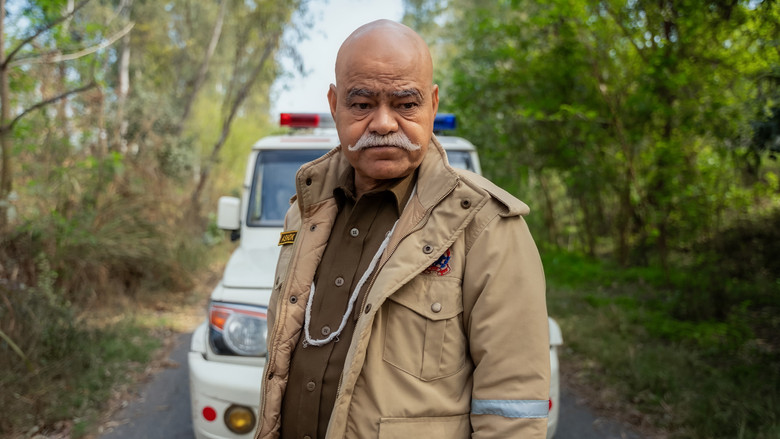
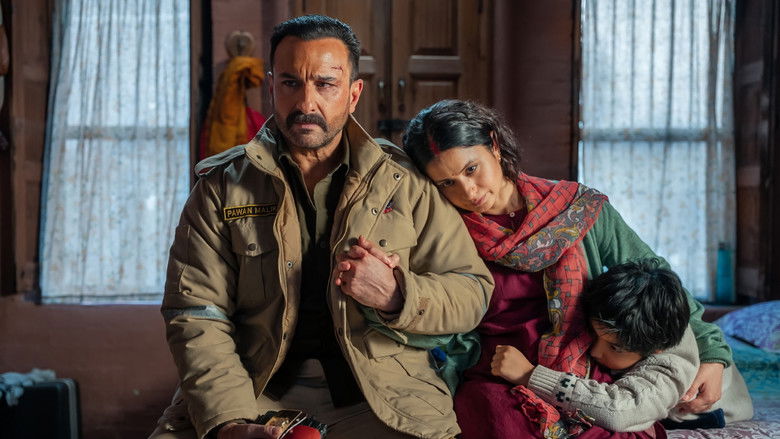
    Saif Ali Khan‘s work as Pawan Malik in Kartavya is the kind of screen acting that critics tend to undervalue because it does not offer obvious handles. There is no moment of theatrical release, no scene that announces itself as the performance’s centre. The centre is everywhere, consistently.

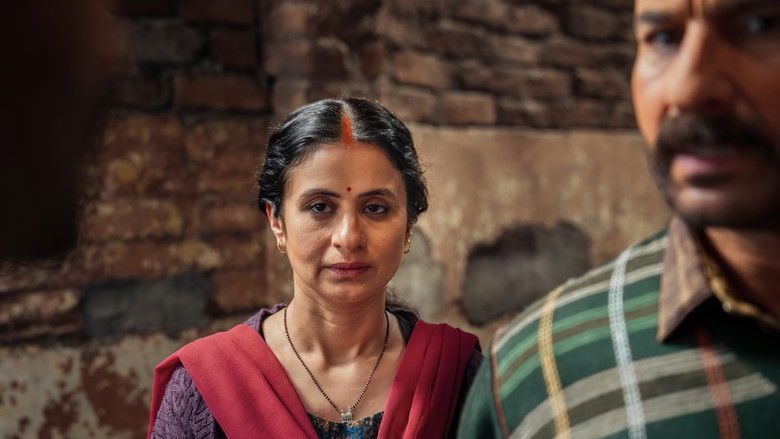
    The supporting architecture of Kartavya — inhabited by Rasika Dugal, Sanjay Mishra, Saurabh Dwivedi, Saif Ali Khan — is the work of a director who casts against the assumption that supporting roles are less important than central ones. Pulkit has clearly not made that assumption, and the film’s credibility depends on the result.

    The performances of Rasika Dugal and Saif, Rasika, Sanjay, Saurabh, Zakir in Kartavya are built on the principle that supporting roles in a well-directed film do not exist in isolation from its larger design. Both actors appear to understand the design they are supporting — which is precisely what makes their contributions to Kartavya valuable.

    Kartavya

    Critical Assessment of Kartavya’s Filmmaking

    Pulkit has made Kartavya as though the crores were a tool rather than a mandate. The Red Chillies Entertainment production funding appears to have been given with genuine creative latitude, and Pulkit has used that latitude to make decisions that serve the film rather than the investment.

    The editing of Kartavya by Zubin Sheikh at 1 hr 44 mins demonstrates what editorial intelligence looks like in service of a director who has made clear decisions. The rhythm is Pulkit‘s — Zubin Sheikh has found and sustained it, which is the editor’s proper function and the most demanding version of it.

    Pulkit has constructed the visual identity of Kartavya with the discipline of a filmmaker who understands that style without purpose is decoration. Every formal choice in Kartavya — the framing, the movement, the light — is answerable to the film’s larger intentions.

    Kartavya

    Kartavya (2026): A Critic’s Final Account

    The commercial reception of Kartavya — 0.8742 on the popularity index — confirms what the critical case for the film suggests: that Pulkit and Red Chillies Entertainment have made something that functions simultaneously as serious cinema and accessible entertainment. That achievement is rarer than either alone.

    The audience has provided Kartavya with 1000+ ratings averaging 7+ Stars. The critical question is not whether this score is deserved — it is — but what it tells us about the current state of Hindi Drama audience expectation. The answer is encouraging.

    Kartavya is the kind of Hindi Drama, Thriller, Crime film that reminds you why the form matters when it is practiced well. Pulkit has made something that will hold up to repeated viewing and continued critical attention. At 1h 44m, the investment is justified. The recommendation stands.

    The critical record continues — explore our complete 2026 Hindi critical archive.

    [egp_related_silo genre=’Drama’ lang=’Hindi’]
  • Sattendru Maarudhu Vaanilai (2026): Babu Vijay crafts a restrained, honest Tamil drama.

    Sattendru Maarudhu Vaanilai (2026): Babu Vijay crafts a restrained, honest Tamil drama.

    Babu Vijay has made Sattendru Maarudhu Vaanilai (2026) with the economy of a filmmaker who knows that restraint is harder to achieve than spectacle. At 120 minutes, this Tamil Drama, Thriller production from BV Frames arrived on May 15, 2026 and made the case that the form still has something to say.

    That 7 out of 10 on Sattendru Maarudhu Vaanilai is the score of a film that chose its audience correctly and served them honestly. In a field where ratings are frequently manufactured by opening weekend enthusiasm, a settled score built over time carries considerably more critical weight.

    Sattendru Maarudhu Vaanilai

    Story, Subtext, and Execution in Sattendru Maarudhu Vaanilai (2026)

    The first act of Sattendru Maarudhu Vaanilai establishes When a carefree orphan and a runaway minister’s daughter marry on impulse,… with the economy of a Babu Vijay script that knows its own purpose. There is no throat-clearing, no unnecessary scene-setting — Babu Vijay is in the material from the first frame, and the film benefits from that directness.

    The India setting of Sattendru Maarudhu Vaanilai is not pictorial — it is argumentative. Babu Vijay has written a story that means something different because of where it happens, and Babu Vijay films the crores production with the awareness that the location is doing narrative work, not just visual work.

    The one place Sattendru Maarudhu Vaanilai loses critical confidence is precisely where most Tamil Drama films lose it — the junction between the second act and the conclusion. Babu Vijay and Babu Vijay are both working hard in that section. The evidence of the work, rather than its result, is occasionally visible.

    Sattendru Maarudhu Vaanilai (2026): Who in the Cast Earns Their Place

    Jai Sampath brings to a character in Sattendru Maarudhu Vaanilai a quality that the screenplay points toward but cannot guarantee: interiority. The character’s inner life is visible without being stated, communicated through an accumulation of small choices that a less disciplined actor would not have made and most audiences will not consciously notice.

    Jai Sampath, Meenakshi Govindarajan, Yogi Babu, Ramachandra Raju give Sattendru Maarudhu Vaanilai the kind of supporting performances that the film’s central argument requires — specific, grounded, and free of the self-consciousness that afflicts actors who know they are being watched. Babu Vijay has created the conditions for unselfconscious work and the cast has delivered it.

    Meenakshi Govindarajan demonstrates in Sattendru Maarudhu Vaanilai what supporting performance looks like when an actor refuses to treat secondary status as a creative limitation. The role is not the film’s largest. The work done within it is among the film’s most exacting. Jai, Meenakshi, Yogi, Ramachandra, Sathyan meets the same standard through different means.

    Direction, Editing, and Visual Intelligence in Sattendru Maarudhu Vaanilai (2026)

    Babu Vijay has brought to Sattendru Maarudhu Vaanilai a formal sensibility that the crores production from BV Frames makes visible but does not explain. The choices are directorial, not budgetary — which is the correct hierarchy and the one that most commercial productions invert.

    The editorial work of Darling Richardson on Sattendru Maarudhu Vaanilai at 2 hours reflects a collaboration with Babu Vijay that has produced a cut of real quality across most of the film’s duration. The final act is where the editing is working hardest and achieving least — a disproportion that a more severe pass might have corrected.

    Babu Vijay has constructed the visual identity of Sattendru Maarudhu Vaanilai with the discipline of a filmmaker who understands that style without purpose is decoration. Every formal choice in Sattendru Maarudhu Vaanilai — the framing, the movement, the light — is answerable to the film’s larger intentions.

    Final Critical Assessment — Sattendru Maarudhu Vaanilai by Babu Vijay

    A popularity index of 1.106 for a Tamil Drama film of Sattendru Maarudhu Vaanilai’s ambition is the kind of figure that should provoke a reassessment of assumptions about what this audience will and will not support. Babu Vijay has not made a compromise — and the market has not punished the refusal.

    Across 1000+ logged responses, Sattendru Maarudhu Vaanilai holds 7+ Stars — a figure that has not eroded as the audience has widened beyond the film’s initial constituency. This stability is the critical signal that matters: the film’s quality does not depend on who is watching it.

    Sattendru Maarudhu Vaanilai merits a considered recommendation. Not an unqualified one — the third act has been addressed — but a considered one, based on 2h of filmmaking that takes its audience seriously and Jai Sampath‘s performance of the kind that makes a film worth revisiting.

    The critical record continues — return to our homepage for rigorous Drama film criticism.

    [egp_related_silo genre=’Drama’ lang=’Tamil’]
  • Aakhri Sawal (2026): Abhijeet Mohan Warang crafts a vital, unflinching Hindi drama

    Aakhri Sawal (2026): Abhijeet Mohan Warang crafts a vital, unflinching Hindi drama

    Critical fatigue with the Hindi Drama form is understandable. What Abhijeet Mohan Warang has made in Aakhri Sawal (2026) is the argument against that fatigue. Produced by Nikhil Nanda Motion Pictures, NeemTree Entertainment at 150 minutes and released May 15, 2026, it demonstrates what the genre looks like when a filmmaker treats it as a vehicle for something real.

    The 7 out of 10 consensus deserves neither uncritical celebration nor dismissal. It reflects a film that has connected with a broad audience without condescending to one — a balance that most Hindi Drama productions at this budget level fail to strike.

    Aakhri Sawal

    Plot and Intention: What Aakhri Sawal Is Attempting

    The first act of Aakhri Sawal establishes Vicky, a brilliant but volatile scholar who ignites a national firestorm when… with the economy of a Utkarsh Naithani, Utkarsh Naithani script that knows its own purpose. There is no throat-clearing, no unnecessary scene-setting — Abhijeet Mohan Warang is in the material from the first frame, and the film benefits from that directness.

    The India setting of Aakhri Sawal is not pictorial — it is argumentative. Utkarsh Naithani, Utkarsh Naithani has written a story that means something different because of where it happens, and Abhijeet Mohan Warang films the crores production with the awareness that the location is doing narrative work, not just visual work.

    Aakhri Sawal is a tighter film for roughly two thirds of its runtime than the final act allows. The looseness that enters in the closing sequences is a screenwriting problem more than a directorial one — Utkarsh Naithani, Utkarsh Naithani has loaded the third act with material that competes rather than converges.

    Acting in Aakhri Sawal (2026): What Holds and What Does Not

    The critical question about any central performance is whether it earns the film’s trust in it. Sanjay Dutt‘s portrayal of Professor Gopal Nadkarni in Aakhri Sawal answers that question affirmatively from the first scene and does not revise that answer once across the full 150 minutes runtime.

    Sanjay Dutt, Tridha Choudhury, Amit Sadh, Namashi Chakraborty give Aakhri Sawal the kind of supporting performances that the film’s central argument requires — specific, grounded, and free of the self-consciousness that afflicts actors who know they are being watched. Abhijeet Mohan Warang has created the conditions for unselfconscious work and the cast has delivered it.

    It would be a critical failure to assess Aakhri Sawal without accounting for Mrinal Kulkarni, Sameera Reddy, whose performance in the film’s middle section is its most emotionally complex passage. Sanjay, Namashi, Amit, Tridha, Sameera brings a different kind of complexity to their scenes — more structural than emotional — and Aakhri Sawal needs both.

    The Craft Argument for Aakhri Sawal (2026)

    Abhijeet Mohan Warang has brought to Aakhri Sawal a formal sensibility that the crores production from Nikhil Nanda Motion Pictures, NeemTree Entertainment makes visible but does not explain. The choices are directorial, not budgetary — which is the correct hierarchy and the one that most commercial productions invert.

    Editor Sanjay Sankla has assembled Aakhri Sawal at 2 hr 30 mins with an editorial intelligence that is most visible in the first half and most tested in the third act. The early editing establishes a rhythm of considerable sophistication — the later editing maintains it under greater structural pressure, with partial success.

    The technical coherence of Aakhri Sawal across its 2h 30m runtime reflects a production in which every department received the same creative brief and interpreted it faithfully. The result is a film that does not read as assembled but as conceived — which is the standard all serious Hindi Drama cinema should aspire to.

    Aakhri Sawal (2026): Critical Position and Considered Recommendation

    Popularity at 2.0886 for Aakhri Sawal is a market signal worth reading carefully. It suggests the film has found viewers beyond its natural critical constituency — which means Abhijeet Mohan Warang has made something that works at both the craft and entertainment level without compromising either.

    The 7+ Stars consensus from 1000+ audience reviews is the audience’s collective answer to the question of whether Aakhri Sawal delivers. The answer is affirmative, consistent, and built across a sample large enough to be treated as evidence rather than indication.

    The final critical position on Aakhri Sawal is this: it is a film made by people who cared about what they were making, and the evidence of that care is visible in the finished work. At 2h 30m of Hindi Thriller, Drama cinema, that is not a small claim. It is, in the current landscape, a significant one.

    The critical record continues — find more films at this level of craft in our Hindi review index.

    [egp_related_silo genre=’Drama’ lang=’Hindi’]
  • Day 11 (2026): Sritika J. delivers integrity in familiar fantasy premise

    Day 11 (2026): Sritika J. delivers integrity in familiar fantasy premise

    There is a version of Day 11 that Sritika J. could have made — the safe version, the version that BRG Jaganathan Pictures might have preferred, the version that fills 2+ Hours without demanding anything of anyone. That is not the film released on May 8, 2026. The film released on May 8, 2026 is the better one.

    A 7 out of 10 from the audience is, in this case, a more meaningful figure than it might appear. Day 11 is not a film engineered for mass satisfaction. That it achieves 7 out of 10 while maintaining its creative integrity is the more interesting data point.

    Day 11

    The Story Day 11 (2026) Is Telling — And How Well It Tells It

    Sritika J. has given Sritika J. a script in Day 11 that opens on Five youngsters become addicted to a mysterious fantasy game that grants every… and does not pretend the premise is more novel than it is. What the screenplay does instead is execute the familiar with enough craft and specificity to justify its existence — which is the more demanding achievement.

    Produced across India at crores, Day 11 carries the authority of genuine location. This matters because Sritika J.’s script makes demands of its setting that a studio approximation could not meet. Sritika J. and BRG Jaganathan Pictures understood that, and the film is stronger for the decision.

    The structural weakness of Day 11 is localised in its final act, where Sritika J.’s script accumulates more than it resolves. Sritika J. manages the excess with skill — the film does not collapse — but a more rigorous edit would have clarified what the narrative is ultimately arguing.

    Day 11 (2026): Who in the Cast Earns Their Place

    Maddy Manoj brings to a character in Day 11 a quality that the screenplay points toward but cannot guarantee: interiority. The character’s inner life is visible without being stated, communicated through an accumulation of small choices that a less disciplined actor would not have made and most audiences will not consciously notice.

    Maddy Manoj, Adarsh Madhikanth, Ravichandran K., Swetha Abirami operate in the supporting register of Day 11 with the discipline of a cast that has been given a coherent brief and followed it. The ensemble does not introduce tonal inconsistency at any point — which, given the number of individual performances that comprise it, is a significant directorial achievement.

    It would be a critical failure to assess Day 11 without accounting for , whose performance in the film’s middle section is its most emotionally complex passage. Maddy, Swetha, Ravichandran, Adarsh, Thamizh brings a different kind of complexity to their scenes — more structural than emotional — and Day 11 needs both.

    Direction, Editing, and Visual Intelligence in Day 11 (2026)

    Sritika J. has made Day 11 as though the crores were a tool rather than a mandate. The BRG Jaganathan Pictures production funding appears to have been given with genuine creative latitude, and Sritika J. has used that latitude to make decisions that serve the film rather than the investment.

    The editorial work of Ganesh Kumar C. on Day 11 at 2+ Hours reflects a collaboration with Sritika J. that has produced a cut of real quality across most of the film’s duration. The final act is where the editing is working hardest and achieving least — a disproportion that a more severe pass might have corrected.

    What distinguishes the technical achievement of Day 11 from merely competent filmmaking is the relationship between its visual choices and its thematic ones. Sritika J. has made a film in India that looks like what it means — which is the most demanding standard in Tamil Horror cinema and the one that Day 11 meets.

    Day 11 (2026): Critical Position and Considered Recommendation

    The 0.0454 popularity index for Day 11 reflects an audience that did not need the film to simplify itself in order to engage with it. That this particular film — directed with Sritika J.‘s degree of formal intention — scores at 0.0454 is the more interesting commercial data point.

    The 7+ Stars consensus from 1000+ audience reviews is the audience’s collective answer to the question of whether Day 11 delivers. The answer is affirmative, consistent, and built across a sample large enough to be treated as evidence rather than indication.

    Day 11 merits a considered recommendation. Not an unqualified one — the third act has been addressed — but a considered one, based on 2+ Hours of filmmaking that takes its audience seriously and Maddy Manoj‘s performance of the kind that makes a film worth revisiting.

    The critical record continues — read our full critical coverage of Tamil Horror cinema.

    [egp_related_silo genre=’Horror’ lang=’Tamil’]
  • Dridam (2026): Martin Joseph’s taut thriller proves restraint is a virtue.

    Dridam (2026): Martin Joseph’s taut thriller proves restraint is a virtue.

    Martin Joseph has made Dridam (2026) with the economy of a filmmaker who knows that restraint is harder to achieve than spectacle. At 126 minutes, this Malayalam Thriller, Crime production from E4 Experiments arrived on May 8, 2026 and made the case that the form still has something to say.

    The 7 out of 10 audience figure attached to Dridam is consistent with a film doing something right at both the craft and entertainment level simultaneously. Films that achieve that alignment rarely see their scores erode as the audience grows — and Dridam has not.

    Dridam

    What Dridam Says and How It Chooses to Say It

    The first act of Dridam establishes A police officer arrives at a seemingly peaceful station but faces pressure… with the economy of a Linto Devasia, Jomon John script that knows its own purpose. There is no throat-clearing, no unnecessary scene-setting — Martin Joseph is in the material from the first frame, and the film benefits from that directness.

    Linto Devasia, Jomon John has rooted Dridam in India with the understanding that geography is not neutral in Crime storytelling. The crores production from E4 Experiments gives Martin Joseph access to the actual locations the script requires — and the film’s credibility depends on that access.

    The structural weakness of Dridam is localised in its final act, where Linto Devasia, Jomon John’s script accumulates more than it resolves. Martin Joseph manages the excess with skill — the film does not collapse — but a more rigorous edit would have clarified what the narrative is ultimately arguing.

    Performance Under Scrutiny: The Cast of Dridam

    Shane Nigam‘s work as SI Vijay Radhakrishnan in Dridam is the kind of screen acting that critics tend to undervalue because it does not offer obvious handles. There is no moment of theatrical release, no scene that announces itself as the performance’s centre. The centre is everywhere, consistently.

    The relationship between Shane Nigam‘s central performance and the ensemble of Nandan Unni, Shobi Thilakan, Shane Nigam, Krishna Prabha in Dridam is the relationship between a soloist and an orchestra that has learned not to overplay. The balance is Martin Joseph‘s achievement, and it holds across the full runtime of Dridam.

    The supporting contributions of Sreedhanya Thekkedath, Krishna Prabha in Dridam represent the film at its most precisely observed. Their scenes carry a weight that the screenplay describes in outline and the performance fills in completely. Shane, Krishna, Shobi, Nandan, Kottayam operates with comparable precision in a different register — the supporting cast as a whole does not have a weak point.

    How Martin Joseph Has Solved the Technical Problems of Dridam

    Martin Joseph has brought to Dridam a formal sensibility that the crores production from E4 Experiments makes visible but does not explain. The choices are directorial, not budgetary — which is the correct hierarchy and the one that most commercial productions invert.

    V S Vinayak assembles Dridam at 2 hours 6 minutes with the editorial maturity that the film’s tonal ambitions require. The cut does not hurry what needs time and does not linger where the scene has concluded — a discipline that holds throughout Dridam with only the final act offering grounds for critical reservation.

    The technical coherence of Dridam across its 2h 6m runtime reflects a production in which every department received the same creative brief and interpreted it faithfully. The result is a film that does not read as assembled but as conceived — which is the standard all serious Malayalam Crime cinema should aspire to.

    Assessing Dridam: Where It Stands in the Malayalam Crime Field

    The 0.7308 popularity index for Dridam reflects an audience that did not need the film to simplify itself in order to engage with it. That this particular film — directed with Martin Joseph‘s degree of formal intention — scores at 0.7308 is the more interesting commercial data point.

    The audience has provided Dridam with 1000+ ratings averaging 7+ Stars. The critical question is not whether this score is deserved — it is — but what it tells us about the current state of Malayalam Crime audience expectation. The answer is encouraging.

    Dridam is, on critical balance, one of the better Malayalam Thriller, Crime films of its season. Its limitations are real and have been noted. Its achievements — formal, performative, and thematic — are more substantial and less common. At 2h 6m, it warrants the attention it asks for.

    The critical record continues — see all Crime films from E4 Experiments we have assessed.

    [egp_related_silo genre=’Crime’ lang=’Malayalam’]
  • Cracked Plugins (2026): VRN’s restrained craft elevates a familiar thriller premise.

    Cracked Plugins (2026): VRN’s restrained craft elevates a familiar thriller premise.

    It is worth being precise about what Cracked Plugins (2026) is and is not. It is a 6 minutes Kannada Drama, Thriller film from VRN and Broadneck Studios, released May 1, 2026. It is not a perfect film. It is, however, a seriously made one — which in the current Kannada release landscape counts for considerably more.

    Cracked Plugins holds 10 out of 10 across platforms, which for a film of its formal ambition is a strong result. Audience scoring systems do not typically reward restraint — the fact that Cracked Plugins scores this well while exercising it suggests the film has genuine cross-audience appeal.

    Cracked Plugins

    Structural Analysis: The Narrative of Cracked Plugins

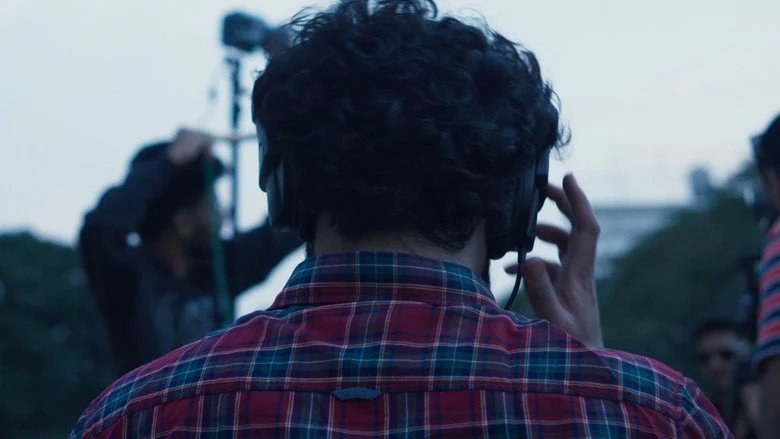
    The premise of Cracked Plugins — After a sudden on-set sound accident, a sound engineer is left completely… — has been used before. What VRN, Davis’s script and VRN‘s direction contribute is a specific treatment of that premise that is observably theirs rather than generic. That specificity is what separates the film from its antecedents.

    The crores production across gives Cracked Plugins a specificity that is essential to what VRN, Davis is writing about. VRN treats this specificity as a responsibility rather than an asset — the film does not display its locations, it inhabits them.

    VRN, Davis has written a conclusion for Cracked Plugins that reaches for more than the 6 minutes runtime can fully accommodate. VRN executes it with care, but care cannot substitute for the structural discipline the final act lacks. The film arrives at its destination — the route is longer than necessary.

    The Performances That Make Cracked Plugins Credible

    The critical question about any central performance is whether it earns the film’s trust in it. VRN‘s portrayal of Ashlesh in Cracked Plugins answers that question affirmatively from the first scene and does not revise that answer once across the full 6 minutes runtime.

    What Vamshi, VRN, Aditya Mahesh, Sohan Shetty bring to Cracked Plugins is the collective quality that distinguishes a cast from a group of actors: they appear to inhabit the same world. The coherence of the ensemble in Cracked Plugins is not accidental — it is the result of direction that prioritised the world over the individual performance.

    The supporting contributions of in Cracked Plugins represent the film at its most precisely observed. Their scenes carry a weight that the screenplay describes in outline and the performance fills in completely. VRN, Aditya, Vamshi, Sohan operates with comparable precision in a different register — the supporting cast as a whole does not have a weak point.

    Production, Direction, and the Limits of Both in Cracked Plugins

    The technical achievement of Cracked Plugins begins with the relationship between VRN and the crores that Broadneck Studios committed to the production. That relationship — of filmmaker leading and resources following — is what gives Cracked Plugins its coherence.

    Davis assembles Cracked Plugins at 6 minutes with the editorial maturity that the film’s tonal ambitions require. The cut does not hurry what needs time and does not linger where the scene has concluded — a discipline that holds throughout Cracked Plugins with only the final act offering grounds for critical reservation.

    The production design of Cracked Plugins operates at the level of the screenplay — it is making interpretive choices, not illustrative ones. Combined with the cinematography and the location work, it produces a film whose visual surface and intellectual content are in genuine alignment.

    Assessing Cracked Plugins: Where It Stands in the Kannada Drama Field

    The 0.12 score on Cracked Plugins deserves neither critical dismissal nor uncritical celebration. What it indicates is that a film made with genuine intention has reached a genuinely large audience — and that those viewers have responded to the intention as well as the entertainment.

    The 10+ Stars consensus from 1 audience reviews is the audience’s collective answer to the question of whether Cracked Plugins delivers. The answer is affirmative, consistent, and built across a sample large enough to be treated as evidence rather than indication.

    Cracked Plugins is, on critical balance, one of the better Kannada Drama, Thriller films of its season. Its limitations are real and have been noted. Its achievements — formal, performative, and thematic — are more substantial and less common. At 6m, it warrants the attention it asks for.

    The critical record continues — explore our critical catalogue of Kannada releases from 2026.

    [egp_related_silo genre=’Drama’ lang=’Kannada’]
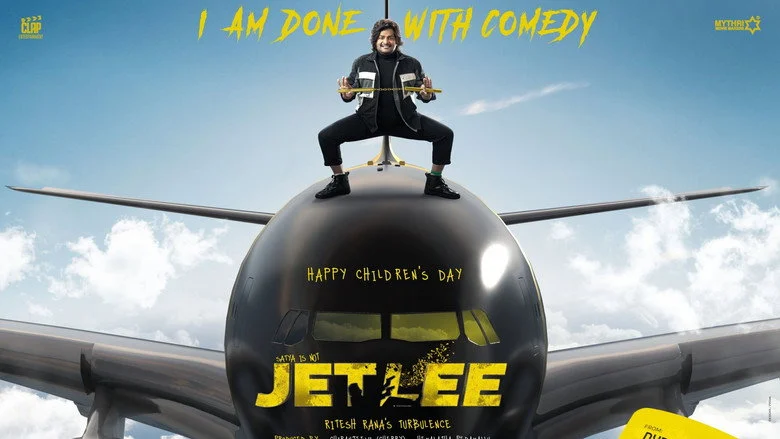
  • Jetlee (2026): Ritesh Rana’s bold craft elevates a familiar premise brilliantly.

    Jetlee (2026): Ritesh Rana’s bold craft elevates a familiar premise brilliantly.

    There is a version of Jetlee that Ritesh Rana could have made — the safe version, the version that Clap Entertainment might have preferred, the version that fills 132 minutes without demanding anything of anyone. That is not the film released on May 1, 2026. The film released on May 1, 2026 is the better one.

    The 7 out of 10 audience figure attached to Jetlee is consistent with a film doing something right at both the craft and entertainment level simultaneously. Films that achieve that alignment rarely see their scores erode as the audience grows — and Jetlee has not.

    Jetlee

    What Jetlee Says and How It Chooses to Say It

    The premise of Jetlee — An attendant on a flight from Dubai to Kochi gets caught up… — has been used before. What Ritesh Rana, Jeyendhra Aerrola’s script and Ritesh Rana‘s direction contribute is a specific treatment of that premise that is observably theirs rather than generic. That specificity is what separates the film from its antecedents.

    The India setting of Jetlee is not pictorial — it is argumentative. Ritesh Rana, Jeyendhra Aerrola has written a story that means something different because of where it happens, and Ritesh Rana films the crores production with the awareness that the location is doing narrative work, not just visual work.

    Ritesh Rana, Jeyendhra Aerrola has written a conclusion for Jetlee that reaches for more than the 132 minutes runtime can fully accommodate. Ritesh Rana executes it with care, but care cannot substitute for the structural discipline the final act lacks. The film arrives at its destination — the route is longer than necessary.

    From Satya Down: A Critical Account of Jetlee’s Performances

    The critical question about any central performance is whether it earns the film’s trust in it. Satya‘s portrayal of a character in Jetlee answers that question affirmatively from the first scene and does not revise that answer once across the full 132 minutes runtime.

    Vennela Kishore, Rhea Singha, Satya, Ajay give Jetlee the kind of supporting performances that the film’s central argument requires — specific, grounded, and free of the self-consciousness that afflicts actors who know they are being watched. Ritesh Rana has created the conditions for unselfconscious work and the cast has delivered it.

    demonstrates in Jetlee what supporting performance looks like when an actor refuses to treat secondary status as a creative limitation. The role is not the film’s largest. The work done within it is among the film’s most exacting. Satya, Rhea, Vennela, Ajay, Harsha meets the same standard through different means.

    Direction, Editing, and Visual Intelligence in Jetlee (2026)

    Ritesh Rana has brought to Jetlee a formal sensibility that the crores production from Clap Entertainment makes visible but does not explain. The choices are directorial, not budgetary — which is the correct hierarchy and the one that most commercial productions invert.

    The editorial work of Karthika Srinivas on Jetlee at 2 hours 12 minutes reflects a collaboration with Ritesh Rana that has produced a cut of real quality across most of the film’s duration. The final act is where the editing is working hardest and achieving least — a disproportion that a more severe pass might have corrected.

    What distinguishes the technical achievement of Jetlee from merely competent filmmaking is the relationship between its visual choices and its thematic ones. Ritesh Rana has made a film in India that looks like what it means — which is the most demanding standard in Telugu Thriller cinema and the one that Jetlee meets.

    Jetlee (2026): A Critic’s Final Account

    A popularity index of 0.9771 for a Telugu Thriller film of Jetlee’s ambition is the kind of figure that should provoke a reassessment of assumptions about what this audience will and will not support. Ritesh Rana has not made a compromise — and the market has not punished the refusal.

    The 7+ Stars consensus from 1000+ audience reviews is the audience’s collective answer to the question of whether Jetlee delivers. The answer is affirmative, consistent, and built across a sample large enough to be treated as evidence rather than indication.

    Jetlee is, on critical balance, one of the better Telugu Comedy, Thriller, Action films of its season. Its limitations are real and have been noted. Its achievements — formal, performative, and thematic — are more substantial and less common. At 2h 12m, it warrants the attention it asks for.

    The critical record continues — find more films at this level of craft in our Telugu review index.

    [egp_related_silo genre=’Thriller’ lang=’Telugu’]
  • Patriot (2026): Mahesh Narayanan crafts a serious, integrity-driven action thriller.

    Patriot (2026): Mahesh Narayanan crafts a serious, integrity-driven action thriller.

    It is worth being precise about what Patriot (2026) is and is not. It is a 177 minutes Malayalam Action, Thriller film from Mahesh Narayanan and Anto Joseph Film Company, Blue Tigers London, released May 1, 2026. It is not a perfect film. It is, however, a seriously made one — which in the current Malayalam release landscape counts for considerably more.

    A 7 out of 10 from the audience is, in this case, a more meaningful figure than it might appear. Patriot is not a film engineered for mass satisfaction. That it achieves 7 out of 10 while maintaining its creative integrity is the more interesting data point.

    Patriot

    What Patriot Says and How It Chooses to Say It

    The screenplay by Mahesh Narayanan builds Patriot around When a famous Malayali YouTuber tries to expose a corrupt regional politician… — a premise that functions on its surface as a Action mechanism and beneath it as something more considered. Mahesh Narayanan is alert to both registers and directs with an awareness of the distance between them.

    Produced across India at 126+ Crores, Patriot carries the authority of genuine location. This matters because Mahesh Narayanan’s script makes demands of its setting that a studio approximation could not meet. Mahesh Narayanan and Anto Joseph Film Company, Blue Tigers London understood that, and the film is stronger for the decision.

    The structural weakness of Patriot is localised in its final act, where Mahesh Narayanan’s script accumulates more than it resolves. Mahesh Narayanan manages the excess with skill — the film does not collapse — but a more rigorous edit would have clarified what the narrative is ultimately arguing.

    Patriot

    Performance Under Scrutiny: The Cast of Patriot

    The performance Mammootty gives in Patriot as Dr. Daniel James deserves critical attention beyond the usual vocabulary of praise. This is not a performance of range or intensity — it is a performance of precision, and precision of this order is rarer and more valuable than either.

    Kunchacko Boban, Mammootty, Fahadh Faasil, Mohanlal operate in the supporting register of Patriot with the discipline of a cast that has been given a coherent brief and followed it. The ensemble does not introduce tonal inconsistency at any point — which, given the number of individual performances that comprise it, is a significant directorial achievement.

    Sreeparvathy, Grace Antony and Mammootty, Mohanlal, Fahadh, Kunchacko, Nayanthara give Patriot its supporting credibility at the moments the narrative requires most from them. Neither performance announces its quality — both reward the attention a careful viewer will bring to them. This is the supporting work that serious Malayalam Action filmmaking tends to produce.

    Patriot

    Directorial Method and Technical Achievement in Patriot

    The production of Patriot under Mahesh Narayanan for Anto Joseph Film Company, Blue Tigers London reflects a creative process in which the 126+ Crores allocation followed the film’s requirements rather than preceded them. This is, unfortunately, rarer than it should be in the Malayalam Action space — and the film’s technical quality is the direct result.

    The editing of Patriot by Rahul Radhakrishnan, Mahesh Narayanan at 2 hr 57 mins demonstrates what editorial intelligence looks like in service of a director who has made clear decisions. The rhythm is Mahesh Narayanan‘s — Rahul Radhakrishnan, Mahesh Narayanan has found and sustained it, which is the editor’s proper function and the most demanding version of it.

    The production design of Patriot operates at the level of the screenplay — it is making interpretive choices, not illustrative ones. Combined with the cinematography and the India location work, it produces a film whose visual surface and intellectual content are in genuine alignment.

    Patriot

    Patriot (2026): Critical Position and Considered Recommendation

    A popularity index of 3.5309 for a Malayalam Action film of Patriot’s ambition is the kind of figure that should provoke a reassessment of assumptions about what this audience will and will not support. Mahesh Narayanan has not made a compromise — and the market has not punished the refusal.

    Across 1000+ logged responses, Patriot holds 7+ Stars — a figure that has not eroded as the audience has widened beyond the film’s initial constituency. This stability is the critical signal that matters: the film’s quality does not depend on who is watching it.

    The final critical position on Patriot is this: it is a film made by people who cared about what they were making, and the evidence of that care is visible in the finished work. At 2h 57m of Malayalam Action, Thriller cinema, that is not a small claim. It is, in the current landscape, a significant one.

    The critical record continues — read our full critical coverage of Malayalam Action cinema.

    [egp_related_silo genre=’Action’ lang=’Malayalam’]
  • Kara (2026): Vignesh Raja’s craft grounds a raw, intelligent crime thriller.

    Kara (2026): Vignesh Raja’s craft grounds a raw, intelligent crime thriller.

    Kara (2026) arrives on April 30, 2026 with fewer promises than most Tamil Crime, Thriller releases and keeps more of them. Vignesh Raja and Vels Film International, Think Studios have made a 161 minutes film that earns its craft credentials rather than assuming them.

    A 7 out of 10 from the audience is, in this case, a more meaningful figure than it might appear. Kara is not a film engineered for mass satisfaction. That it achieves 7 out of 10 while maintaining its creative integrity is the more interesting data point.

    Kara

    What Kara Says and How It Chooses to Say It

    The screenplay by Alfred Prakash, Vignesh Raja builds Kara around A man shaped by violence and survival finds himself pulled back into… — a premise that functions on its surface as a Thriller mechanism and beneath it as something more considered. Vignesh Raja is alert to both registers and directs with an awareness of the distance between them.

    Alfred Prakash, Vignesh Raja’s script for Kara is built around a sense of place — India — that the crores investment from Vels Film International, Think Studios allows Vignesh Raja to realise properly. Films that underinvest in their settings ask their audiences to overlook the gap. Kara does not ask that.

    Alfred Prakash, Vignesh Raja has written a conclusion for Kara that reaches for more than the 161 minutes runtime can fully accommodate. Vignesh Raja executes it with care, but care cannot substitute for the structural discipline the final act lacks. The film arrives at its destination — the route is longer than necessary.

    Kara

    The Performances That Make Kara Credible

    The critical question about any central performance is whether it earns the film’s trust in it. Dhanush‘s portrayal of Karasaami in Kara answers that question affirmatively from the first scene and does not revise that answer once across the full 161 minutes runtime.

    The supporting cast — Dhanush, Suraj Venjaramoodu, Mamitha Baiju, K. S. Ravikumar among them — has been directed by Vignesh Raja with a clarity of expectation that produces uniformly credible work. These are not performances competing for attention. They are performances understanding their function within a larger design and executing it without ego.

    The supporting contributions of Sreeja Ravi, Mamitha Baiju in Kara represent the film at its most precisely observed. Their scenes carry a weight that the screenplay describes in outline and the performance fills in completely. Dhanush, Mamitha, K., Suraj, Karunas operates with comparable precision in a different register — the supporting cast as a whole does not have a weak point.

    Kara

    Direction, Editing, and Visual Intelligence in Kara (2026)

    Vignesh Raja has made Kara as though the crores were a tool rather than a mandate. The Vels Film International, Think Studios production funding appears to have been given with genuine creative latitude, and Vignesh Raja has used that latitude to make decisions that serve the film rather than the investment.

    Sreejith Sarang cuts Kara to 2 hr 41 mins with a precision that the film earns through the quality of its material. The editing is not decorative — it is argumentative, making claims about the film’s rhythm and pacing that the direction supports. The third act is the one place where those claims become harder to sustain.

    The production design of Kara operates at the level of the screenplay — it is making interpretive choices, not illustrative ones. Combined with the cinematography and the India location work, it produces a film whose visual surface and intellectual content are in genuine alignment.

    Kara

    Kara (2026): A Critic’s Final Account

    The 3.1959 score on Kara deserves neither critical dismissal nor uncritical celebration. What it indicates is that a film made with genuine intention has reached a genuinely large audience — and that those viewers have responded to the intention as well as the entertainment.

    Across 1000+ logged responses, Kara holds 7+ Stars — a figure that has not eroded as the audience has widened beyond the film’s initial constituency. This stability is the critical signal that matters: the film’s quality does not depend on who is watching it.

    The critical recommendation for Kara is unambiguous: watch it, and watch it with the attention that Vignesh Raja‘s direction and Dhanush‘s performance deserve. 2h 41m of serious Tamil Crime, Thriller filmmaking at this level is not available every season.

    The critical record continues — find more films at this level of craft in our Tamil review index.

    [egp_related_silo genre=’Thriller’ lang=’Tamil’]
  • In the Chaos of Diwali (2026): Rohan Bakshi’s restrained craft elevates a family thriller.

    In the Chaos of Diwali (2026): Rohan Bakshi’s restrained craft elevates a family thriller.

    Rohan Bakshi has made In the Chaos of Diwali (2026) with the economy of a filmmaker who knows that restraint is harder to achieve than spectacle. At 102 minutes, this Hindi Thriller, Drama production from NeoRang Pictures arrived on April 24, 2026 and made the case that the form still has something to say.

    That 10 out of 10 on In the Chaos of Diwali is the score of a film that chose its audience correctly and served them honestly. In a field where ratings are frequently manufactured by opening weekend enthusiasm, a settled score built over time carries considerably more critical weight.

    In the Chaos of Diwali

    Plot and Intention: What In the Chaos of Diwali Is Attempting

    Rohan Bakshi has written In the Chaos of Diwali around In Delhi, during Diwali, members of a middle-class family find themselves embroiled… with a structural clarity that Rohan Bakshi honours rather than complicates. The result is a film whose intentions are legible throughout — which does not make it simple, but does make it honest.

    Produced across India at crores, In the Chaos of Diwali carries the authority of genuine location. This matters because Rohan Bakshi’s script makes demands of its setting that a studio approximation could not meet. Rohan Bakshi and NeoRang Pictures understood that, and the film is stronger for the decision.

    In the Chaos of Diwali is a tighter film for roughly two thirds of its runtime than the final act allows. The looseness that enters in the closing sequences is a screenwriting problem more than a directorial one — Rohan Bakshi has loaded the third act with material that competes rather than converges.

    Performance Under Scrutiny: The Cast of In the Chaos of Diwali

    The central performance from Shashank Barua as Abhishek Malhotra is the element of In the Chaos of Diwali that most resists easy summary. It is a performance of sustained intelligence — not intelligence announced, but intelligence demonstrated, scene by scene, in choices that accumulate rather than declare.

    Dibanisha Banerjee, Chavi Jain, Lokesh Jain, Shashank Barua give In the Chaos of Diwali the kind of supporting performances that the film’s central argument requires — specific, grounded, and free of the self-consciousness that afflicts actors who know they are being watched. Rohan Bakshi has created the conditions for unselfconscious work and the cast has delivered it.

    It would be a critical failure to assess In the Chaos of Diwali without accounting for , whose performance in the film’s middle section is its most emotionally complex passage. Shashank, Dibanisha, Lokesh, Chavi, Aaditya brings a different kind of complexity to their scenes — more structural than emotional — and In the Chaos of Diwali needs both.

    Directorial Method and Technical Achievement in In the Chaos of Diwali

    The production of In the Chaos of Diwali under Rohan Bakshi for NeoRang Pictures reflects a creative process in which the crores allocation followed the film’s requirements rather than preceded them. This is, unfortunately, rarer than it should be in the Hindi Drama space — and the film’s technical quality is the direct result.

    The editorial work of Vishal Kumar on In the Chaos of Diwali at 1 hour 42 minutes reflects a collaboration with Rohan Bakshi that has produced a cut of real quality across most of the film’s duration. The final act is where the editing is working hardest and achieving least — a disproportion that a more severe pass might have corrected.

    In the Chaos of Diwali has been photographed with the understanding that cinematography in Drama cinema is not embellishment — it is argument. Every compositional decision Rohan Bakshi makes in In the Chaos of Diwali has a relationship to what the film is saying, not just to what it is showing.

    In the Chaos of Diwali (2026): Critical Position and Considered Recommendation

    A popularity index of 0.0654 for a Hindi Drama film of In the Chaos of Diwali’s ambition is the kind of figure that should provoke a reassessment of assumptions about what this audience will and will not support. Rohan Bakshi has not made a compromise — and the market has not punished the refusal.

    With 1 responses producing 10+ Stars, In the Chaos of Diwali occupies a critical position that its directorial ambition alone would not guarantee. The audience has independently arrived at the assessment that the film merits — which suggests that quality, when it is present, continues to be recognised.

    In the Chaos of Diwali does not resolve all the problems it sets itself. What it does — with 1h 42m of carefully made Hindi Thriller, Drama cinema — is demonstrate that Rohan Bakshi is a filmmaker worth following and that the form itself still has critical territory worth exploring.

    The critical record continues — see every performance from Shashank Barua we have written about.

    [egp_related_silo genre=’Drama’ lang=’Hindi’]
  • Aadharam (2026): Kavitha Balu’s disciplined thriller rewards restraint over ambition.

    Aadharam (2026): Kavitha Balu’s disciplined thriller rewards restraint over ambition.

    The Tamil Drama, Thriller film has a persistent problem with ambition outrunning execution. Aadharam (2026), directed by Kavitha Balu for VAK FILMS ENTERTAINMENT, is not that film. Released April 17, 2026 at 114 minutes, it is disciplined where the genre is usually indulgent — and the difference is considerable.

    Aadharam holds 7 out of 10 across platforms, which for a film of its formal ambition is a strong result. Audience scoring systems do not typically reward restraint — the fact that Aadharam scores this well while exercising it suggests the film has genuine cross-audience appeal.

    Aadharam

    Plot and Intention: What Aadharam Is Attempting

    The screenplay by Kavitha Balu builds Aadharam around A double murder that occurred on the night of former Chief Minister… — a premise that functions on its surface as a Drama mechanism and beneath it as something more considered. Kavitha Balu is alert to both registers and directs with an awareness of the distance between them.

    Kavitha Balu’s script for Aadharam is built around a sense of place — — that the crores investment from VAK FILMS ENTERTAINMENT allows Kavitha Balu to realise properly. Films that underinvest in their settings ask their audiences to overlook the gap. Aadharam does not ask that.

    The structural weakness of Aadharam is localised in its final act, where Kavitha Balu’s script accumulates more than it resolves. Kavitha Balu manages the excess with skill — the film does not collapse — but a more rigorous edit would have clarified what the narrative is ultimately arguing.

    Performance Under Scrutiny: The Cast of Aadharam

    Ajith Vignesh‘s work as Rathinam in Aadharam is the kind of screen acting that critics tend to undervalue because it does not offer obvious handles. There is no moment of theatrical release, no scene that announces itself as the performance’s centre. The centre is everywhere, consistently.

    The supporting architecture of Aadharam — inhabited by Ajith Vignesh, Pooja Shankar, Y. G. Mahendran, Radha Ravi — is the work of a director who casts against the assumption that supporting roles are less important than central ones. Kavitha Balu has clearly not made that assumption, and the film’s credibility depends on the result.

    The critical undervaluation of supporting performance is a persistent problem in reviews of films like Aadharam. The work of and Ajith, Pooja, Radha, Y., Senthil in Aadharam is a corrective to that habit — both deliver performances of a quality that the film’s overall standard requires and that the final result depends on.

    Direction, Editing, and Visual Intelligence in Aadharam (2026)

    The production of Aadharam under Kavitha Balu for VAK FILMS ENTERTAINMENT reflects a creative process in which the crores allocation followed the film’s requirements rather than preceded them. This is, unfortunately, rarer than it should be in the Tamil Drama space — and the film’s technical quality is the direct result.

    The editorial work of Doyce BM on Aadharam at 1 hour 54 minutes reflects a collaboration with Kavitha Balu that has produced a cut of real quality across most of the film’s duration. The final act is where the editing is working hardest and achieving least — a disproportion that a more severe pass might have corrected.

    The visual argument of Aadharam is made consistently and with conviction. Kavitha Balu has developed a cinematographic language for Aadharam that is specific to its story and setting — the locations are not photographed for their beauty but for their meaning, which is the correct critical priority.

    Final Critical Assessment — Aadharam by Kavitha Balu

    The commercial reception of Aadharam — 0.2676 on the popularity index — confirms what the critical case for the film suggests: that Kavitha Balu and VAK FILMS ENTERTAINMENT have made something that functions simultaneously as serious cinema and accessible entertainment. That achievement is rarer than either alone.

    With 1000+ responses producing 7+ Stars, Aadharam occupies a critical position that its directorial ambition alone would not guarantee. The audience has independently arrived at the assessment that the film merits — which suggests that quality, when it is present, continues to be recognised.

    Aadharam is the kind of Tamil Drama, Thriller film that reminds you why the form matters when it is practiced well. Kavitha Balu has made something that will hold up to repeated viewing and continued critical attention. At 1h 54m, the investment is justified. The recommendation stands.

    The critical record continues — see every performance from Ajith Vignesh we have written about.

    [egp_related_silo genre=’Drama’ lang=’Tamil’]
  • Mr. X (2026): Manu Anand’s craft revitalizes a fatigued genre

    Mr. X (2026): Manu Anand’s craft revitalizes a fatigued genre

    Critical fatigue with the Tamil Action form is understandable. What Manu Anand has made in Mr. X (2026) is the argument against that fatigue. Produced by Prince Pictures, Maverik Movies at 147 minutes and released April 17, 2026, it demonstrates what the genre looks like when a filmmaker treats it as a vehicle for something real.

    A 7 out of 10 from the audience is, in this case, a more meaningful figure than it might appear. Mr. X is not a film engineered for mass satisfaction. That it achieves 7 out of 10 while maintaining its creative integrity is the more interesting data point.

    Mr. X

    Structural Analysis: The Narrative of Mr. X

    Praveen K., Manu Anand situates Mr. X in A premise that announces itself clearly with a restraint that announces the film’s priorities early. This is not a screenplay interested in exploitation. It is interested in consequence — and Manu Anand follows that interest throughout the 147 minutes runtime without flinching.

    Produced across India at crores, Mr. X carries the authority of genuine location. This matters because Praveen K., Manu Anand’s script makes demands of its setting that a studio approximation could not meet. Manu Anand and Prince Pictures, Maverik Movies understood that, and the film is stronger for the decision.

    Mr. X is a tighter film for roughly two thirds of its runtime than the final act allows. The looseness that enters in the closing sequences is a screenwriting problem more than a directorial one — Praveen K., Manu Anand has loaded the third act with material that competes rather than converges.

    Acting in Mr. X (2026): What Holds and What Does Not

    Arya brings to Gautham in Mr. X a quality that the screenplay points toward but cannot guarantee: interiority. The character’s inner life is visible without being stated, communicated through an accumulation of small choices that a less disciplined actor would not have made and most audiences will not consciously notice.

    The supporting cast — Manju Warrier, R. Sarathkumar, Gautham Ram Karthik, Arya among them — has been directed by Manu Anand with a clarity of expectation that produces uniformly credible work. These are not performances competing for attention. They are performances understanding their function within a larger design and executing it without ego.

    The performances of Tara Amala Joseph, Manju Warrier and Arya, Gautham, Manju, R., Anagha in Mr. X are built on the principle that supporting roles in a well-directed film do not exist in isolation from its larger design. Both actors appear to understand the design they are supporting — which is precisely what makes their contributions to Mr. X valuable.

    Production, Direction, and the Limits of Both in Mr. X

    Manu Anand has made Mr. X as though the crores were a tool rather than a mandate. The Prince Pictures, Maverik Movies production funding appears to have been given with genuine creative latitude, and Manu Anand has used that latitude to make decisions that serve the film rather than the investment.

    The 2 hr 27 mins edit from Prasanna GK is the product of a genuine understanding of what Mr. X requires at the level of pace and internal logic. The film’s rhythm is established early and maintained consistently — the loosening in the final act is a screenplay problem that editing can mitigate but not solve.

    The visual argument of Mr. X is made consistently and with conviction. Manu Anand has developed a cinematographic language for Mr. X that is specific to its story and setting — the India locations are not photographed for their beauty but for their meaning, which is the correct critical priority.

    Mr. X (2026): A Critic’s Final Account

    A popularity index of 1.5438 for a Tamil Action film of Mr. X’s ambition is the kind of figure that should provoke a reassessment of assumptions about what this audience will and will not support. Manu Anand has not made a compromise — and the market has not punished the refusal.

    The 7+ Stars from 1000+ audience reviews constitutes the clearest available evidence that Mr. X has succeeded on its own terms. Not the terms of the market, not the terms of the genre — the terms that Manu Anand established for this film specifically.

    Mr. X is the kind of Tamil Thriller, Action film that reminds you why the form matters when it is practiced well. Manu Anand has made something that will hold up to repeated viewing and continued critical attention. At 2h 27m, the investment is justified. The recommendation stands.

    The critical record continues — find more films at this level of craft in our Tamil review index.

    [egp_related_silo genre=’Action’ lang=’Tamil’]
  • The Prisoner (2026): Bhonge’s disciplined craft elevates a familiar premise.

    The Prisoner (2026): Bhonge’s disciplined craft elevates a familiar premise.

    The Hindi Thriller, Drama film has a persistent problem with ambition outrunning execution. The Prisoner (2026), directed by Parth Bhonge for Unknown, is not that film. Released February 27, 2026 at 19 minutes, it is disciplined where the genre is usually indulgent — and the difference is considerable.

    The Prisoner holds 10 out of 10 across platforms, which for a film of its formal ambition is a strong result. Audience scoring systems do not typically reward restraint — the fact that The Prisoner scores this well while exercising it suggests the film has genuine cross-audience appeal.

    The Prisoner

    Plot and Intention: What The Prisoner Is Attempting

    Parth Bhonge has given Parth Bhonge a script in The Prisoner that opens on Daksh deals with his mental battles relying on only the two people… and does not pretend the premise is more novel than it is. What the screenplay does instead is execute the familiar with enough craft and specificity to justify its existence — which is the more demanding achievement.

    The setting of The Prisoner is not pictorial — it is argumentative. Parth Bhonge has written a story that means something different because of where it happens, and Parth Bhonge films the 0+ Crores production with the awareness that the location is doing narrative work, not just visual work.

    The structural weakness of The Prisoner is localised in its final act, where Parth Bhonge’s script accumulates more than it resolves. Parth Bhonge manages the excess with skill — the film does not collapse — but a more rigorous edit would have clarified what the narrative is ultimately arguing.

    Acting in The Prisoner (2026): What Holds and What Does Not

    Parth Bhonge brings to Satyam in The Prisoner a quality that the screenplay points toward but cannot guarantee: interiority. The character’s inner life is visible without being stated, communicated through an accumulation of small choices that a less disciplined actor would not have made and most audiences will not consciously notice.

    The supporting cast — Parth Bhonge, Aastha Upadhyay, Daivik Harsh, Daksh Badgujar among them — has been directed by Parth Bhonge with a clarity of expectation that produces uniformly credible work. These are not performances competing for attention. They are performances understanding their function within a larger design and executing it without ego.

    The supporting contributions of in The Prisoner represent the film at its most precisely observed. Their scenes carry a weight that the screenplay describes in outline and the performance fills in completely. Parth, Daksh, Aastha, Daivik operates with comparable precision in a different register — the supporting cast as a whole does not have a weak point.

    How Parth Bhonge Has Solved the Technical Problems of The Prisoner

    Parth Bhonge has brought to The Prisoner a formal sensibility that the 0+ Crores production from Unknown makes visible but does not explain. The choices are directorial, not budgetary — which is the correct hierarchy and the one that most commercial productions invert.

    The editing of The Prisoner by Parth Bhonge at 19 mins demonstrates what editorial intelligence looks like in service of a director who has made clear decisions. The rhythm is Parth Bhonge‘s — Parth Bhonge has found and sustained it, which is the editor’s proper function and the most demanding version of it.

    What distinguishes the technical achievement of The Prisoner from merely competent filmmaking is the relationship between its visual choices and its thematic ones. Parth Bhonge has made a film in that looks like what it means — which is the most demanding standard in Hindi Thriller cinema and the one that The Prisoner meets.

    Final Critical Assessment — The Prisoner by Parth Bhonge

    The commercial reception of The Prisoner — 0.1399 on the popularity index — confirms what the critical case for the film suggests: that Parth Bhonge and Unknown have made something that functions simultaneously as serious cinema and accessible entertainment. That achievement is rarer than either alone.

    The 10+ Stars from 1 audience reviews constitutes the clearest available evidence that The Prisoner has succeeded on its own terms. Not the terms of the market, not the terms of the genre — the terms that Parth Bhonge established for this film specifically.

    The Prisoner does not resolve all the problems it sets itself. What it does — with 19m of carefully made Hindi Drama, Thriller cinema — is demonstrate that Parth Bhonge is a filmmaker worth following and that the form itself still has critical territory worth exploring.

    The critical record continues — find every film directed by Parth Bhonge that we have reviewed.

    [egp_related_silo genre=’Thriller’ lang=’Hindi’]
  • MUGA NAGA (2026): Jit Palanibalu’s restrained crime film rewards patient viewers

    MUGA NAGA (2026): Jit Palanibalu’s restrained crime film rewards patient viewers

    Jit Palanibalu has made MUGA NAGA (2026) with the economy of a filmmaker who knows that restraint is harder to achieve than spectacle. At 110 minutes, this Tamil Thriller, Crime production from Unknown arrived on March 27, 2026 and made the case that the form still has something to say.

    The 7 out of 10 audience score is worth contextualising. It reflects a large number of viewers who arrived with mainstream expectations and found a film that exceeded them — which is the most useful kind of positive reception a serious Tamil Crime film can generate.

    MUGA NAGA

    Narrative Discipline and Its Limits in MUGA NAGA

    Nihariga Manju, Jit Palanibalu situates MUGA NAGA in When a person, driven by self-hatred and inner pain, harms others and… with a restraint that announces the film’s priorities early. This is not a screenplay interested in exploitation. It is interested in consequence — and Jit Palanibalu follows that interest throughout the 110 minutes runtime without flinching.

    Nihariga Manju, Jit Palanibalu has rooted MUGA NAGA in India with the understanding that geography is not neutral in Crime storytelling. The 1+ Crores production from Unknown gives Jit Palanibalu access to the actual locations the script requires — and the film’s credibility depends on that access.

    MUGA NAGA is a tighter film for roughly two thirds of its runtime than the final act allows. The looseness that enters in the closing sequences is a screenwriting problem more than a directorial one — Nihariga Manju, Jit Palanibalu has loaded the third act with material that competes rather than converges.

    From Anish Down: A Critical Account of MUGA NAGA’s Performances

    The performance Anish gives in MUGA NAGA as Rocky deserves critical attention beyond the usual vocabulary of praise. This is not a performance of range or intensity — it is a performance of precision, and precision of this order is rarer and more valuable than either.

    Jit Palanibalu, Parvathy, Karate Raja, Anish operate in the supporting register of MUGA NAGA with the discipline of a cast that has been given a coherent brief and followed it. The ensemble does not introduce tonal inconsistency at any point — which, given the number of individual performances that comprise it, is a significant directorial achievement.

    The performances of and Anish, Parvathy, Jit, Karate, Ashok in MUGA NAGA are built on the principle that supporting roles in a well-directed film do not exist in isolation from its larger design. Both actors appear to understand the design they are supporting — which is precisely what makes their contributions to MUGA NAGA valuable.

    How Jit Palanibalu Has Solved the Technical Problems of MUGA NAGA

    Jit Palanibalu has made MUGA NAGA as though the 1+ Crores were a tool rather than a mandate. The Unknown production funding appears to have been given with genuine creative latitude, and Jit Palanibalu has used that latitude to make decisions that serve the film rather than the investment.

    The 1 hr 50 mins edit from Muralitharan MD is the product of a genuine understanding of what MUGA NAGA requires at the level of pace and internal logic. The film’s rhythm is established early and maintained consistently — the loosening in the final act is a screenplay problem that editing can mitigate but not solve.

    The technical coherence of MUGA NAGA across its 1h 50m runtime reflects a production in which every department received the same creative brief and interpreted it faithfully. The result is a film that does not read as assembled but as conceived — which is the standard all serious Tamil Crime cinema should aspire to.

    The Critical Verdict on MUGA NAGA — What It Achieves and What It Does Not

    A popularity index of 0.0362 for a Tamil Crime film of MUGA NAGA’s ambition is the kind of figure that should provoke a reassessment of assumptions about what this audience will and will not support. Jit Palanibalu has not made a compromise — and the market has not punished the refusal.

    The 7+ Stars consensus from 1000+ audience reviews is the audience’s collective answer to the question of whether MUGA NAGA delivers. The answer is affirmative, consistent, and built across a sample large enough to be treated as evidence rather than indication.

    The final critical position on MUGA NAGA is this: it is a film made by people who cared about what they were making, and the evidence of that care is visible in the finished work. At 1h 50m of Tamil Thriller, Crime cinema, that is not a small claim. It is, in the current landscape, a significant one.

    The critical record continues — explore our critical catalogue of Tamil releases from 2026.

    [egp_related_silo genre=’Crime’ lang=’Tamil’]
  • Dissected (2026): Gowsikan M crafts a tense, unflinching portrait of medical burnout

    Dissected (2026): Gowsikan M crafts a tense, unflinching portrait of medical burnout

    There is a version of Dissected that Gowsikan M could have made — the safe version, the version that Unknown might have preferred, the version that fills 14 minutes without demanding anything of anyone. That is not the film released on March 13, 2026. The film released on March 13, 2026 is the better one.

    The 7 out of 10 audience figure attached to Dissected is consistent with a film doing something right at both the craft and entertainment level simultaneously. Films that achieve that alignment rarely see their scores erode as the audience grows — and Dissected has not.

    Dissected

    What Dissected Says and How It Chooses to Say It

    Unknown has written Dissected around A shortfilm exploring the emotional breaking point of doctors under pressure…. with a structural clarity that Gowsikan M honours rather than complicates. The result is a film whose intentions are legible throughout — which does not make it simple, but does make it honest.

    The crores production across India gives Dissected a specificity that is essential to what Unknown is writing about. Gowsikan M treats this specificity as a responsibility rather than an asset — the film does not display its locations, it inhabits them.

    The structural weakness of Dissected is localised in its final act, where Unknown’s script accumulates more than it resolves. Gowsikan M manages the excess with skill — the film does not collapse — but a more rigorous edit would have clarified what the narrative is ultimately arguing.

    Dissected

    From Dhanush Ram Down: A Critical Account of Dissected’s Performances

    Dhanush Ram‘s work as Arjun in Dissected is the kind of screen acting that critics tend to undervalue because it does not offer obvious handles. There is no moment of theatrical release, no scene that announces itself as the performance’s centre. The centre is everywhere, consistently.

    Ganapathi Ram, Dhanush Ram, Shivaram Anand, Neelakrishnavel operate in the supporting register of Dissected with the discipline of a cast that has been given a coherent brief and followed it. The ensemble does not introduce tonal inconsistency at any point — which, given the number of individual performances that comprise it, is a significant directorial achievement.

    demonstrates in Dissected what supporting performance looks like when an actor refuses to treat secondary status as a creative limitation. The role is not the film’s largest. The work done within it is among the film’s most exacting. Dhanush, Neelakrishnavel, Ganapathi, Shivaram, Dhivan meets the same standard through different means.

    Dissected

    How Gowsikan M Has Solved the Technical Problems of Dissected

    Gowsikan M has brought to Dissected a formal sensibility that the crores production from Unknown makes visible but does not explain. The choices are directorial, not budgetary — which is the correct hierarchy and the one that most commercial productions invert.

    The editing of Dissected by Gowsikan M at 14 mins demonstrates what editorial intelligence looks like in service of a director who has made clear decisions. The rhythm is Gowsikan M‘s — Gowsikan M has found and sustained it, which is the editor’s proper function and the most demanding version of it.

    What distinguishes the technical achievement of Dissected from merely competent filmmaking is the relationship between its visual choices and its thematic ones. Gowsikan M has made a film in India that looks like what it means — which is the most demanding standard in Tamil Thriller cinema and the one that Dissected meets.

    Assessing Dissected: Where It Stands in the Tamil Thriller Field

    The 0.2245 score on Dissected deserves neither critical dismissal nor uncritical celebration. What it indicates is that a film made with genuine intention has reached a genuinely large audience — and that those viewers have responded to the intention as well as the entertainment.

    The audience has provided Dissected with 1000+ ratings averaging 7+ Stars. The critical question is not whether this score is deserved — it is — but what it tells us about the current state of Tamil Thriller audience expectation. The answer is encouraging.

    Dissected is, on critical balance, one of the better Tamil Thriller, Mystery films of its season. Its limitations are real and have been noted. Its achievements — formal, performative, and thematic — are more substantial and less common. At 14m, it warrants the attention it asks for.

    The critical record continues — return to our homepage for rigorous Thriller film criticism.

    [egp_related_silo genre=’Thriller’ lang=’Tamil’]
  • Oru Durooha Saahacharyathil (2026): Ratheesh Balakrishnan Poduval’s restrained craft elevates familiar thriller-comedy.

    Oru Durooha Saahacharyathil (2026): Ratheesh Balakrishnan Poduval’s restrained craft elevates familiar thriller-comedy.

    Ratheesh Balakrishnan Poduval has made Oru Durooha Saahacharyathil (2026) with the economy of a filmmaker who knows that restraint is harder to achieve than spectacle. At 135 minutes, this Malayalam Thriller, Comedy production from Magic Frames, Udaya Pictures arrived on April 15, 2026 and made the case that the form still has something to say.

    A 7 out of 10 from the audience is, in this case, a more meaningful figure than it might appear. Oru Durooha Saahacharyathil is not a film engineered for mass satisfaction. That it achieves 7 out of 10 while maintaining its creative integrity is the more interesting data point.

    Oru Durooha Saahacharyathil

    The Story Oru Durooha Saahacharyathil (2026) Is Telling — And How Well It Tells It

    Ratheesh Balakrishnan Poduval has given Ratheesh Balakrishnan Poduval a script in Oru Durooha Saahacharyathil that opens on A premise that announces itself clearly and does not pretend the premise is more novel than it is. What the screenplay does instead is execute the familiar with enough craft and specificity to justify its existence — which is the more demanding achievement.

    The India setting of Oru Durooha Saahacharyathil is not pictorial — it is argumentative. Ratheesh Balakrishnan Poduval has written a story that means something different because of where it happens, and Ratheesh Balakrishnan Poduval films the crores production with the awareness that the location is doing narrative work, not just visual work.

    The honest critical note on Oru Durooha Saahacharyathil is that Ratheesh Balakrishnan Poduval‘s control of the film’s pace and intention is more complete in the first half than the second. What enters the third act is not bad material — it is surplus material, and surplus is a different kind of problem.

    Performance Under Scrutiny: The Cast of Oru Durooha Saahacharyathil

    The performance Kunchacko Boban gives in Oru Durooha Saahacharyathil as Sethu deserves critical attention beyond the usual vocabulary of praise. This is not a performance of range or intensity — it is a performance of precision, and precision of this order is rarer and more valuable than either.

    The relationship between Kunchacko Boban‘s central performance and the ensemble of Chidambaram, Kunchacko Boban, Sajin Gopu, Dileesh Pothan in Oru Durooha Saahacharyathil is the relationship between a soloist and an orchestra that has learned not to overplay. The balance is Ratheesh Balakrishnan Poduval‘s achievement, and it holds across the full runtime of Oru Durooha Saahacharyathil.

    Saranya R Nair and Kunchacko, Dileesh, Sajin, Chidambaram, Jaffer give Oru Durooha Saahacharyathil its supporting credibility at the moments the narrative requires most from them. Neither performance announces its quality — both reward the attention a careful viewer will bring to them. This is the supporting work that serious Malayalam Thriller filmmaking tends to produce.

    Directorial Method and Technical Achievement in Oru Durooha Saahacharyathil

    The directorial intelligence of Oru Durooha Saahacharyathil is most legible in what Ratheesh Balakrishnan Poduval chooses not to do with the crores from Magic Frames, Udaya Pictures. The film does not expand to fill its resources — it focuses them, and that focus produces a visual and tonal precision that the Malayalam Thriller field rarely achieves at this scale.

    Manoj Kannoth assembles Oru Durooha Saahacharyathil at 2 hours 15 minutes with the editorial maturity that the film’s tonal ambitions require. The cut does not hurry what needs time and does not linger where the scene has concluded — a discipline that holds throughout Oru Durooha Saahacharyathil with only the final act offering grounds for critical reservation.

    What distinguishes the technical achievement of Oru Durooha Saahacharyathil from merely competent filmmaking is the relationship between its visual choices and its thematic ones. Ratheesh Balakrishnan Poduval has made a film in India that looks like what it means — which is the most demanding standard in Malayalam Thriller cinema and the one that Oru Durooha Saahacharyathil meets.

    Final Critical Assessment — Oru Durooha Saahacharyathil by Ratheesh Balakrishnan Poduval

    The 0.6062 popularity index for Oru Durooha Saahacharyathil reflects an audience that did not need the film to simplify itself in order to engage with it. That this particular film — directed with Ratheesh Balakrishnan Poduval‘s degree of formal intention — scores at 0.6062 is the more interesting commercial data point.

    1000+ audience votes and 7+ Stars. The mathematics are clear. Oru Durooha Saahacharyathil has produced a consistent experience across a very large and diverse audience — which is the only audience verdict that a critic should treat as meaningful evidence about the film’s actual quality.

    Oru Durooha Saahacharyathil does not resolve all the problems it sets itself. What it does — with 2h 15m of carefully made Malayalam Thriller, Comedy cinema — is demonstrate that Ratheesh Balakrishnan Poduval is a filmmaker worth following and that the form itself still has critical territory worth exploring.

    The critical record continues — see every performance from Kunchacko Boban we have written about.

    [egp_related_silo genre=’Thriller’ lang=’Malayalam’]
  • Unseen Moves: A story of trust (2026): Director Unknown crafts a restrained, trust-driven thriller that resonates.

    Unseen Moves: A story of trust (2026): Director Unknown crafts a restrained, trust-driven thriller that resonates.

    has made Unseen Moves: A story of trust (2026) with the economy of a filmmaker who knows that restraint is harder to achieve than spectacle. At 10 minutes, this Hindi Romance, Thriller, Mystery production from Camroll Films arrived on March 6, 2026 and made the case that the form still has something to say.

    The 7 out of 10 audience score is worth contextualising. It reflects a large number of viewers who arrived with mainstream expectations and found a film that exceeded them — which is the most useful kind of positive reception a serious Hindi Thriller film can generate.

    Unseen Moves: A story of trust

    What Unseen Moves: A story of trust Says and How It Chooses to Say It

    The premise of Unseen Moves: A story of trust — When Harsh falls for Tanya in an intense online romance, their love… — has been used before. What Unknown’s script and ‘s direction contribute is a specific treatment of that premise that is observably theirs rather than generic. That specificity is what separates the film from its antecedents.

    The crores production across India gives Unseen Moves: A story of trust a specificity that is essential to what Unknown is writing about. treats this specificity as a responsibility rather than an asset — the film does not display its locations, it inhabits them.

    A more severe editor than Unknown might have found twenty minutes in Unseen Moves: A story of trust’s final act that the film would be better without. What exists is not without merit — but the distinction between what is present and what is necessary becomes harder to sustain as the film approaches its conclusion.

    Acting in Unseen Moves: A story of trust (2026): What Holds and What Does Not

    The critical question about any central performance is whether it earns the film’s trust in it. Vasu Goud‘s portrayal of Rudra in Unseen Moves: A story of trust answers that question affirmatively from the first scene and does not revise that answer once across the full 10 minutes runtime.

    Sneha Rajput, Vasu Goud, Naitik Agrawal, Prince Naneriya give Unseen Moves: A story of trust the kind of supporting performances that the film’s central argument requires — specific, grounded, and free of the self-consciousness that afflicts actors who know they are being watched. has created the conditions for unselfconscious work and the cast has delivered it.

    The supporting contributions of in Unseen Moves: A story of trust represent the film at its most precisely observed. Their scenes carry a weight that the screenplay describes in outline and the performance fills in completely. Vasu, Prince, Sneha, Naitik operates with comparable precision in a different register — the supporting cast as a whole does not have a weak point.

    Critical Assessment of Unseen Moves: A story of trust’s Filmmaking

    has brought to Unseen Moves: A story of trust a formal sensibility that the crores production from Camroll Films makes visible but does not explain. The choices are directorial, not budgetary — which is the correct hierarchy and the one that most commercial productions invert.

    Unknown assembles Unseen Moves: A story of trust at 10 minutes with the editorial maturity that the film’s tonal ambitions require. The cut does not hurry what needs time and does not linger where the scene has concluded — a discipline that holds throughout Unseen Moves: A story of trust with only the final act offering grounds for critical reservation.

    The visual argument of Unseen Moves: A story of trust is made consistently and with conviction. has developed a cinematographic language for Unseen Moves: A story of trust that is specific to its story and setting — the India locations are not photographed for their beauty but for their meaning, which is the correct critical priority.

    Final Critical Assessment — Unseen Moves: A story of trust by

    The commercial reception of Unseen Moves: A story of trust — 0.1679 on the popularity index — confirms what the critical case for the film suggests: that and Camroll Films have made something that functions simultaneously as serious cinema and accessible entertainment. That achievement is rarer than either alone.

    Across 1000+ logged responses, Unseen Moves: A story of trust holds 7+ Stars — a figure that has not eroded as the audience has widened beyond the film’s initial constituency. This stability is the critical signal that matters: the film’s quality does not depend on who is watching it.

    Unseen Moves: A story of trust is the kind of Hindi Romance, Thriller, Mystery film that reminds you why the form matters when it is practiced well. has made something that will hold up to repeated viewing and continued critical attention. At 10m, the investment is justified. The recommendation stands.

    The critical record continues — return to our homepage for rigorous Thriller film criticism.

    [egp_related_silo genre=’Thriller’ lang=’Hindi’]
  • Son Of (2026): Unknown’s lean script anchors a quietly confident family thriller

    Son Of (2026): Unknown’s lean script anchors a quietly confident family thriller

    Son Of (2026) arrives on February 27, 2026 with fewer promises than most Telugu Thriller, Family, Drama releases and keeps more of them. and Unknown have made a 120 minutes film that earns its craft credentials rather than assuming them.

    A 7 out of 10 from the audience is, in this case, a more meaningful figure than it might appear. Son Of is not a film engineered for mass satisfaction. That it achieves 7 out of 10 while maintaining its creative integrity is the more interesting data point.

    Son Of

    Structural Analysis: The Narrative of Son Of

    The first act of Son Of establishes An entitled son sues his father for neglecting his duties. The father’s… with the economy of a Unknown script that knows its own purpose. There is no throat-clearing, no unnecessary scene-setting — is in the material from the first frame, and the film benefits from that directness.

    Produced across at crores, Son Of carries the authority of genuine location. This matters because Unknown’s script makes demands of its setting that a studio approximation could not meet. and Unknown understood that, and the film is stronger for the decision.

    A more severe editor than Unknown might have found twenty minutes in Son Of’s final act that the film would be better without. What exists is not without merit — but the distinction between what is present and what is necessary becomes harder to sustain as the film approaches its conclusion.

    Acting in Son Of (2026): What Holds and What Does Not

    The central performance from Vinod Kumar as a character is the element of Son Of that most resists easy summary. It is a performance of sustained intelligence — not intelligence announced, but intelligence demonstrated, scene by scene, in choices that accumulate rather than declare.

    The supporting architecture of Son Of — inhabited by Vinod Kumar, Meera Raaj, Inturi Vasu — is the work of a director who casts against the assumption that supporting roles are less important than central ones. has clearly not made that assumption, and the film’s credibility depends on the result.

    demonstrates in Son Of what supporting performance looks like when an actor refuses to treat secondary status as a creative limitation. The role is not the film’s largest. The work done within it is among the film’s most exacting. Vinod, Meera, Inturi meets the same standard through different means.

    Production, Direction, and the Limits of Both in Son Of

    directs Son Of from a position of creative authority that the crores production from Unknown reinforces rather than creates. The money is in service of a vision, not a substitute for one — a distinction that most Telugu Drama productions at this budget level fail to make.

    The editorial work of Unknown on Son Of at 2 hours reflects a collaboration with that has produced a cut of real quality across most of the film’s duration. The final act is where the editing is working hardest and achieving least — a disproportion that a more severe pass might have corrected.

    What distinguishes the technical achievement of Son Of from merely competent filmmaking is the relationship between its visual choices and its thematic ones. has made a film in that looks like what it means — which is the most demanding standard in Telugu Drama cinema and the one that Son Of meets.

    Reception, Evaluation, and Recommendation — Son Of (2026)

    The 0.2857 popularity index for Son Of reflects an audience that did not need the film to simplify itself in order to engage with it. That this particular film — directed with ‘s degree of formal intention — scores at 0.2857 is the more interesting commercial data point.

    1000+ audience votes and 7+ Stars. The mathematics are clear. Son Of has produced a consistent experience across a very large and diverse audience — which is the only audience verdict that a critic should treat as meaningful evidence about the film’s actual quality.

    Son Of is, on critical balance, one of the better Telugu Thriller, Family, Drama films of its season. Its limitations are real and have been noted. Its achievements — formal, performative, and thematic — are more substantial and less common. At 2h , it warrants the attention it asks for.

    The critical record continues — explore our complete 2026 Telugu critical archive.

    [egp_related_silo genre=’Drama’ lang=’Telugu’]
  • Ima Chimmathe (2026): Sree Nandan Chengannur revitalizes Malayalam mystery with purpose.

    Ima Chimmathe (2026): Sree Nandan Chengannur revitalizes Malayalam mystery with purpose.

    Critical fatigue with the Malayalam Mystery form is understandable. What Sree Nandan Chengannur has made in Ima Chimmathe (2026) is the argument against that fatigue. Produced by Showdown Talkies, Showdown Indie Talkies at 2+ Hours and released February 13, 2026, it demonstrates what the genre looks like when a filmmaker treats it as a vehicle for something real.

    The 7 out of 10 audience score is worth contextualising. It reflects a large number of viewers who arrived with mainstream expectations and found a film that exceeded them — which is the most useful kind of positive reception a serious Malayalam Mystery film can generate.

    Ima Chimmathe

    Structural Analysis: The Narrative of Ima Chimmathe

    The first act of Ima Chimmathe establishes Dreams Dreams Dreams… Are they real?… with the economy of a Sree Nandan Chengannur script that knows its own purpose. There is no throat-clearing, no unnecessary scene-setting — Sree Nandan Chengannur is in the material from the first frame, and the film benefits from that directness.

    Sree Nandan Chengannur has rooted Ima Chimmathe in India with the understanding that geography is not neutral in Mystery storytelling. The crores production from Showdown Talkies, Showdown Indie Talkies gives Sree Nandan Chengannur access to the actual locations the script requires — and the film’s credibility depends on that access.

    Ima Chimmathe is a tighter film for roughly two thirds of its runtime than the final act allows. The looseness that enters in the closing sequences is a screenwriting problem more than a directorial one — Sree Nandan Chengannur has loaded the third act with material that competes rather than converges.

    Ima Chimmathe (2026): Who in the Cast Earns Their Place

    Athira brings to Ishaani in Ima Chimmathe a quality that the screenplay points toward but cannot guarantee: interiority. The character’s inner life is visible without being stated, communicated through an accumulation of small choices that a less disciplined actor would not have made and most audiences will not consciously notice.

    Ebin Varghese, Kripa Karthikeyan, Athira, Mohammed Akbar Sha give Ima Chimmathe the kind of supporting performances that the film’s central argument requires — specific, grounded, and free of the self-consciousness that afflicts actors who know they are being watched. Sree Nandan Chengannur has created the conditions for unselfconscious work and the cast has delivered it.

    The critical undervaluation of supporting performance is a persistent problem in reviews of films like Ima Chimmathe. The work of and Athira, Mohammed, Ebin, Kripa, Krishnendu in Ima Chimmathe is a corrective to that habit — both deliver performances of a quality that the film’s overall standard requires and that the final result depends on.

    How Sree Nandan Chengannur Has Solved the Technical Problems of Ima Chimmathe

    The technical achievement of Ima Chimmathe begins with the relationship between Sree Nandan Chengannur and the crores that Showdown Talkies, Showdown Indie Talkies committed to the production. That relationship — of filmmaker leading and resources following — is what gives Ima Chimmathe its coherence.

    Unknown assembles Ima Chimmathe at 2+ Hours with the editorial maturity that the film’s tonal ambitions require. The cut does not hurry what needs time and does not linger where the scene has concluded — a discipline that holds throughout Ima Chimmathe with only the final act offering grounds for critical reservation.

    The visual argument of Ima Chimmathe is made consistently and with conviction. Sree Nandan Chengannur has developed a cinematographic language for Ima Chimmathe that is specific to its story and setting — the India locations are not photographed for their beauty but for their meaning, which is the correct critical priority.

    The Critical Verdict on Ima Chimmathe — What It Achieves and What It Does Not

    A popularity index of 0.0954 for a Malayalam Mystery film of Ima Chimmathe’s ambition is the kind of figure that should provoke a reassessment of assumptions about what this audience will and will not support. Sree Nandan Chengannur has not made a compromise — and the market has not punished the refusal.

    With 1000+ responses producing 7+ Stars, Ima Chimmathe occupies a critical position that its directorial ambition alone would not guarantee. The audience has independently arrived at the assessment that the film merits — which suggests that quality, when it is present, continues to be recognised.

    The final critical position on Ima Chimmathe is this: it is a film made by people who cared about what they were making, and the evidence of that care is visible in the finished work. At 2+ Hours of Malayalam Thriller, Mystery cinema, that is not a small claim. It is, in the current landscape, a significant one.

    The critical record continues — return to our homepage for rigorous Mystery film criticism.

    [egp_related_silo genre=’Mystery’ lang=’Malayalam’]
  • Dark Chocolate (2026): Shashank Srivatsavaya crafts a serious thriller with precision.

    Dark Chocolate (2026): Shashank Srivatsavaya crafts a serious thriller with precision.

    It is worth being precise about what Dark Chocolate (2026) is and is not. It is a 2+ Hours Telugu Thriller, Comedy film from Shashank Srivatsavaya and Spirit Media, Waltair Productions, released February 14, 2026. It is not a perfect film. It is, however, a seriously made one — which in the current Telugu release landscape counts for considerably more.

    The 7 out of 10 audience score is worth contextualising. It reflects a large number of viewers who arrived with mainstream expectations and found a film that exceeded them — which is the most useful kind of positive reception a serious Telugu Thriller film can generate.

    Dark Chocolate

    Story, Subtext, and Execution in Dark Chocolate (2026)

    The premise of Dark Chocolate — After a string of failures, former star Yagna faces mockery from rival… — has been used before. What Shashank Srivatsavaya’s script and Shashank Srivatsavaya‘s direction contribute is a specific treatment of that premise that is observably theirs rather than generic. That specificity is what separates the film from its antecedents.

    The decision to film Dark Chocolate in India is not a production convenience — it is an argument. Shashank Srivatsavaya’s screenplay is written from the inside of a specific cultural context, and the crores that Spirit Media, Waltair Productions committed ensures Shashank Srivatsavaya could honour that context rather than merely approximate it.

    Dark Chocolate is a tighter film for roughly two thirds of its runtime than the final act allows. The looseness that enters in the closing sequences is a screenwriting problem more than a directorial one — Shashank Srivatsavaya has loaded the third act with material that competes rather than converges.

    Acting in Dark Chocolate (2026): What Holds and What Does Not

    Vishwadev Rachakonda brings to a character in Dark Chocolate a quality that the screenplay points toward but cannot guarantee: interiority. The character’s inner life is visible without being stated, communicated through an accumulation of small choices that a less disciplined actor would not have made and most audiences will not consciously notice.

    Rakesh Rachakonda, Bindu Madhavi, Ramesh Konambhotla, Vishwadev Rachakonda operate in the supporting register of Dark Chocolate with the discipline of a cast that has been given a coherent brief and followed it. The ensemble does not introduce tonal inconsistency at any point — which, given the number of individual performances that comprise it, is a significant directorial achievement.

    The critical undervaluation of supporting performance is a persistent problem in reviews of films like Dark Chocolate. The work of Bindu Madhavi and Vishwadev, Bindu, Rakesh, Ramesh in Dark Chocolate is a corrective to that habit — both deliver performances of a quality that the film’s overall standard requires and that the final result depends on.

    How Shashank Srivatsavaya Has Solved the Technical Problems of Dark Chocolate

    Shashank Srivatsavaya has made Dark Chocolate as though the crores were a tool rather than a mandate. The Spirit Media, Waltair Productions production funding appears to have been given with genuine creative latitude, and Shashank Srivatsavaya has used that latitude to make decisions that serve the film rather than the investment.

    The editorial work of Unknown on Dark Chocolate at 2+ Hours reflects a collaboration with Shashank Srivatsavaya that has produced a cut of real quality across most of the film’s duration. The final act is where the editing is working hardest and achieving least — a disproportion that a more severe pass might have corrected.

    The visual argument of Dark Chocolate is made consistently and with conviction. Shashank Srivatsavaya has developed a cinematographic language for Dark Chocolate that is specific to its story and setting — the India locations are not photographed for their beauty but for their meaning, which is the correct critical priority.

    Dark Chocolate (2026): Critical Position and Considered Recommendation

    Popularity at 0.0858 for Dark Chocolate is a market signal worth reading carefully. It suggests the film has found viewers beyond its natural critical constituency — which means Shashank Srivatsavaya has made something that works at both the craft and entertainment level without compromising either.

    With 1000+ responses producing 7+ Stars, Dark Chocolate occupies a critical position that its directorial ambition alone would not guarantee. The audience has independently arrived at the assessment that the film merits — which suggests that quality, when it is present, continues to be recognised.

    The critical recommendation for Dark Chocolate is unambiguous: watch it, and watch it with the attention that Shashank Srivatsavaya‘s direction and Vishwadev Rachakonda‘s performance deserve. 2+ Hours of serious Telugu Thriller, Comedy filmmaking at this level is not available every season.

    The critical record continues — see every performance from Vishwadev Rachakonda we have written about.

    [egp_related_silo genre=’Thriller’ lang=’Telugu’]
  • They Call Him OG (2025) Movie: Pawan Kalyan Returns With Style But No Substance

    They Call Him OG (2025) Movie: Pawan Kalyan Returns With Style But No Substance

    The Telugu action-crime film They Call Him OG stars Pawan Kalyan in the lead, directed by Sujeeth. Joining him are Emraan Hashmi making his Telugu debut, Priyanka Mohan, Arjun Das, Sriya Reddy, and Prakash Raj. Produced by D.V.V. Danayya, this gangster story jumps between two continents and different time periods.

    Released in September 2025, the film created significant hype around its grand scale. Shot by Ravi K. Chandran and Manoj Paramahamsa, with Thaman S. composing the music, everything about it screams big-budget spectacle. The plot tries mixing mythology with Mumbai’s dark underworld.

    They Call Him OG

    The Plot Unfolds

    The story follows two timelines. First, we meet Ojas Gambheera, who barely survives a brutal attack in Japan. Then we jump to 1970s Bombay, where OG befriends Satya Dada, a businessman trying to build something good for ordinary people.

    After vanishing for ten years, OG comes back with one goal—take down the current crime boss Omi Bhau. What follows is a violent journey through betrayal and revenge. The core idea works, but I felt lost trying to follow all the jumping around.

    They Call Him OG

    Stunning Visuals Throughout

    Sujeeth knows how to shoot his hero. Every frame makes Pawan Kalyan look larger than life. The action sequences don’t just show fights—they make them feel like art, with careful attention to every movement and pause.

    The camera work captures everything from glowing Japanese streets to dusty Mumbai ports gorgeously. Both cinematographers bring such rich texture to each scene. The colors shift between timelines, helping me track where and when things happen.

    Production designer A.S. Prakash builds settings that feel both real and dreamlike. The Japan portions look authentic down to small details. The old Bombay scenes transport you back decades, though all the blood starts feeling like too much after a while.

    They Call Him OG

    Pawan Kalyan Steals the Show

    Pawan Kalyan gives what might be his strongest performance in years. He moves through scenes with natural power and that iconic swagger. Just watching him walk into frame creates excitement. I believed every moment of his rage and pain.

    His fans will absolutely love this. The physical transformation alone shows how seriously he took this role. He balances the brutal violence with unexpected vulnerability. Even weak scenes improve just from his presence.

    Emraan Hashmi brings real menace despite limited screen time. Priyanka Mohan tries her best but gets very little to work with. Sriya Reddy manages to shine in her brief appearances with quiet strength.

    Sound and Music Work Well

    Thaman S. delivers a thundering score that lifts every major moment. He mixes traditional instruments with electronic beats perfectly. The pounding drums during fights kept my heart racing.

    The overall sound design makes everything feel immersive. Each gunshot and punch lands with weight. Dialogue stays clear even during chaotic sequences. The quiet moments between action provide relief without killing momentum.

    Editor Navin Nooli struggles juggling so many timelines. Some cuts flow smoothly, others jolt you out of the story. The middle section drags noticeably, losing steam between the big action pieces.

    What Really Works

    The visual spectacle stands as the film’s biggest win. Sujeeth creates images that will stick with you long after leaving the theater. The way he frames Pawan Kalyan gives fans exactly what they crave.

    Pawan Kalyan’s commitment elevates everything around him. His dedication shows in every scene. The production quality matches anything coming out of Hollywood, proving Telugu cinema can compete globally.

    The detailed world-building impressed me too. The criminal networks feel believable across different locations and decades. The 1970s recreation particularly succeeds in capturing that era’s look and feel.

    Where Things Fall Apart

    The writing creates the biggest problems. What should be a simple revenge story becomes needlessly tangled. All the timeline hopping made me lose emotional connection with characters I should care about.

    Nothing feels truly emotional. I watched OG seek revenge without understanding his pain deeply. The movie looks amazing but doesn’t touch your heart. Stakes never feel real beyond “bad guys must die.”

    The violence goes overboard quickly. After the tenth brutal killing, numbness sets in rather than tension. I kept wishing for fewer but more meaningful violent moments. Restraint would have helped enormously.

    Supporting characters get almost no development. Most exist just to move plot forward. Priyanka Mohan deserved better writing. Even the villains lack clear motivation, becoming obstacles rather than interesting adversaries.

    Critical and Audience Response

    News 18 rated it 3 out of 5 stars, praising Pawan Kalyan’s swagger while warning about the thin story. The Indian Express gave the same 3/5, acknowledging it entertains despite narrative weakness.

    IMDB shows ratings between 6.9 and 7.4 out of 10, indicating mixed-to-positive feelings. Fans celebrate the mass appeal and star power. Critics consistently point out how the weak screenplay holds back a technically brilliant film.

    Just for Movie Freaks gave it 2.75/5, calling it “technically superb but emotionally distant.” Most agree—better writing could have made this gorgeous film truly great instead of just pretty.

    My Final Verdict

    They Call Him OG offers stunning visuals wrapped around a commanding Pawan Kalyan performance. The technical achievements across photography, design, and music reach exceptional heights. Fans get their money’s worth in pure spectacle and star power.

    But the story can’t match the visual ambition. Overcomplicated plotting kills emotional investment. Shallow characters prevent real connection. Too much violence numbs instead of shocking. I left admiring the craft while feeling nothing for the people.

    Pawan Kalyan fans craving visual grandeur will enjoy this thoroughly. The big-screen experience shows off the incredible production work. Anyone wanting deeper emotional substance or coherent storytelling will walk away disappointed.

    This film represents where Telugu cinema stands today—technically matching global standards while still learning screenplay basics. Ambitious presentation meets hollow storytelling. Beautiful images alone can’t fill an empty heart.

    Rating: 3/5

  • Kantara: Chapter 1 (2025) Movie: Does Rishab Shetty’s Prequel Match the Original’s Magic?

    Kantara: Chapter 1 (2025) Movie: Does Rishab Shetty’s Prequel Match the Original’s Magic?

    Rishab Shetty returns with a prequel that digs into the roots of the story we saw three years ago. Set in the forests of pre-colonial Karnataka, this film travels back nearly ten centuries. The cast includes Jayaram, Rukmini Vasanth, and Gulshan Devaiah, each bringing something valuable to this mythological drama.

    The film explores how the divine presence of Panjurli Daiva became central to the lives of forest communities. Hombale Films clearly invested heavily in bringing this ancient world to life. I walked into the theater curious whether lightning could strike twice, and found myself engaged with what unfolded on screen.

    Kantara: Chapter 1

    Going Back to the Beginning

    The story centers on people who view their forest as sacred ground where gods walk among them. Their beliefs shape every decision, every conflict, every relationship shown on screen. What struck me was how the film never mocks these traditions or treats them as backward superstitions.

    The conflict emerges when outside forces threaten this way of life that’s existed for generations. I noticed the screenplay takes its time building this world before throwing us into the drama. Some might find this slow, but I felt it was necessary to understand what’s at stake when tensions rise.

    Kantara: Chapter 1

    Acting That Connects

    Rishab Shetty throws himself completely into the role of Berme, particularly when the character channels divine energy. Watching him perform the ritual sequences, I understood why this man won a National Award. There’s a raw quality to his work here that can’t be faked or taught.

    Rukmini Vasanth surprised me with how naturally she inhabited the world of royalty as Princess Kanakavathi. Jayaram brings years of experience to his portrayal of the king, making his presence felt without scenery-chewing. Gulshan Devaiah creates genuine menace as the antagonist, giving the story a human face to its conflicts.

    Kantara: Chapter 1

    The Technical Side Shines

    The camera work captures these ancient forests with a richness that makes you want to visit Karnataka immediately. From sweeping landscape shots to close-ups during intense moments, the cinematography serves the story well. I particularly noticed how the visual team used natural light to create mood without artificial manipulation.

    The visual effects impressed me because they enhanced rather than overwhelmed the narrative. Too many Indian films let VFX become the story itself, but here it supports what’s happening dramatically. The production design deserves credit for creating believable period details without making everything look overly polished.

    Moments That Work

    The second half picks up momentum considerably, delivering sequences that had the entire theater reacting audibly. I won’t spoil specifics, but the interval block justified my decision to watch this in a cinema rather than wait for streaming. Shetty clearly learned from feedback on the first film and addressed several concerns.

    What I appreciated most was the respect shown toward tribal culture and religious practices. These aren’t treated as exotic curiosities but as lived reality for the characters. The background score by Ajaneesh Loknath elevates emotional moments without becoming manipulative. Several scenes stayed with me days after watching.

    Where It Stumbles

    The first half drags in places where tighter editing would have helped maintain interest. While establishing the world matters, I checked my watch a few times before things got moving. The film also sacrifices some emotional intimacy for visual scale, which made certain relationships feel underdeveloped to me.

    Some plot threads don’t get the resolution they deserve, leaving me with questions that probably won’t be answered. The climax, though visually spectacular, didn’t hit me as hard emotionally as similar moments in the original film did. I wanted to feel more during that sequence than I actually felt.

    Critical and Public Response

    Review aggregator Rotten Tomatoes currently shows 82% approval from professional critics. India Today awarded it 4 out of 5 stars in their review. Audience scores on IMDb hover around 8.7, suggesting general viewers responded more enthusiastically than some critics did.
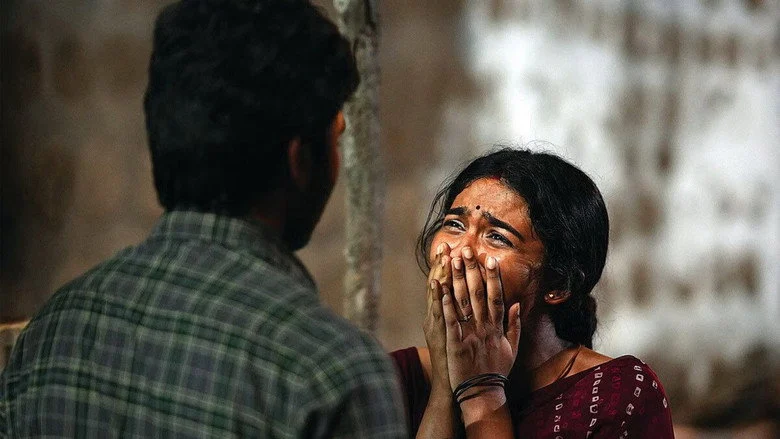
    Social media reactions have been largely positive, with many praising the cultural representation and Shetty’s performance specifically. A few critics dismissed it as overrated, arguing the mythology angle doesn’t translate universally. The divide seems to fall along how much value you place on spectacle versus character-driven storytelling.

    Rating: 4/5

  • Ballerina (2025) Movie Movies4u

    Ballerina (2025) Movie Movies4u

    The John Wick universe expands with Ballerina, a thrilling spinoff that brings fresh energy to the beloved action franchise. Directed by Len Wiseman and starring Ana de Armas in the lead role, this 2025 release takes audiences on a revenge-fueled journey through the same stylized world of assassins.

    Film Title:Ballerina
    Main Cast:Keanu Reeves, Ana de Armas, Anjelica Huston
    Film Duration:2h 5m
    Category:Action, Crime, Thriller
    Primary Star:Ana de Armas
    Studio:Thunder Road, 87Eleven
    Premiere Date:June 4, 2025
    Filmmaker:Len Wiseman
    Ballerina

    The film features an impressive ensemble cast including Keanu Reeves reprising his iconic role as John Wick, alongside Ian McShane and Anjelica Huston. Set within the intricate underworld of the Continental Hotel, Ballerina serves as both a spinoff and spiritual successor to the John Wick films.

    Ballerina Movie Actors

    ActorCharacter
    Gabriel ByrneThe Chancellor
    Sharon Duncan-BrewsterNogi
    Ana de ArmasEve Macarro
    Anjelica HustonThe Director
    Lance ReddickCharon
    Catalina Sandino MorenoLena
    Ian McShaneWinston
    Norman ReedusDaniel Pine
    Keanu ReevesJohn Wick
    Robert MaaserDex
    Ballerina
    Ballerina
    Ballerina

    Plot and Storyline

    The story centers around Eve Macarro, whose life is shattered when her father, a member of the Ruska Roma crime syndicate, is murdered. Trained in the deadly arts of assassination from a young age, Eve embarks on a relentless quest for revenge.

    The screenplay weaves together multiple storylines, connecting Eve’s personal vendetta with larger conflicts within the assassin community. The film explores themes of family, loyalty, and the cost of violence while maintaining the breakneck pace audiences expect.

    Cast Performance

    Ana de Armas delivers a powerhouse performance as Eve Macarro, proving she can carry an action franchise with intensity and charisma. Her portrayal balances the character’s lethal skills with emotional depth, creating a protagonist who is both sympathetic and terrifying.

    Keanu Reeves’ return as John Wick provides crucial continuity and gravitas to the film. Ian McShane reprises his role as Winston with characteristic wit, while Anjelica Huston returns as the Director, bringing depth to the Ruska Roma storyline.

    Direction and Cinematography

    Director Len Wiseman brings his experience with stylized action cinema to the John Wick universe. His direction maintains the franchise’s signature aesthetic while introducing his own visual flourishes and pacing.

    The film’s action sequences are meticulously choreographed and shot with attention to detail that made the original films legendary. Wiseman creates visually stunning set pieces that showcase de Armas’ physicality while maintaining the franchise’s commitment to practical effects.

    Critical Reception and Ratings

    Ballerina received generally positive reviews from critics. On Rotten Tomatoes, 76% of 241 critics gave positive reviews, though this places it as the second-lowest score in the franchise.

    However, the film performed significantly better with audiences, with Ballerina holding the record for the highest-rated Rotten Tomatoes audience score for the John Wick franchise. The film earned a 7.3 rating on IMDb, indicating solid audience appreciation.

    Box Office Performance

    The film earned $3.75 million from Thursday previews and debuted to $24.5 million, finishing second behind Lilo & Stitch. The film grossed $57 million worldwide, representing solid performance for a spinoff film.

    The international box office showed particular strength, with audiences embracing Ana de Armas’ take on the assassin world. The performance indicates strong appetite for more stories in this universe.

    What I Liked

    I found Ballerina’s action sequences to be the film’s greatest strength, maintaining the franchise’s reputation for innovative choreography. Ana de Armas proves herself more than capable of anchoring an action franchise, bringing both physical prowess and emotional depth.

    The integration of ballet elements into fight choreography creates unique and memorable action moments that feel fresh. I appreciated how the film successfully expands the mythology of the John Wick universe without feeling disconnected from the main series.

    The production values remain high throughout, with excellent practical effects and set pieces that maintain the franchise’s visual standards. The return of key franchise players helps ground the new story effectively.

    Areas for Improvement

    While Ballerina delivers on action, I felt the revenge plot was somewhat formulaic. The story beats are predictable, and the film occasionally feels like it’s following a template rather than breaking new ground.

    I noticed pacing issues that slow down momentum, particularly in the middle act where the film balances character development with action. Some quieter moments feel less confident than the action sequences.

    The film’s runtime could have been tightened, with some subplot elements feeling underdeveloped. Certain elements feel like setup for future films rather than serving the current story.

    Technical Excellence

    The film’s sound design and musical score maintain high standards set by the franchise. The gunplay sounds visceral while hand-to-hand combat has appropriate weight and impact.

    Costume design deserves special mention for incorporating both ballet elegance and practical action needs. The weapon design and choreography continue the franchise tradition of making violence feel both beautiful and deadly.

    Final Verdict

    From the World of John Wick: Ballerina succeeds as entertaining action cinema that expands the beloved franchise while introducing a compelling new protagonist. While it may not reach the heights of the best John Wick films, it offers spectacular action and strong performances.

    Ana de Armas proves herself worthy of carrying the franchise forward, and the film opens interesting possibilities for future stories. The movie delivers what audiences expect – stylized violence, innovative choreography, and practical effects over CGI spectacle.

    For action movie fans and John Wick lovers, Ballerina provides a worthy addition that maintains core appeal while successfully expanding scope. It’s a film that knows exactly what it wants to be and delivers with style and conviction.

  • Housefull 5 (2025) Movie Movies4u

    Housefull 5 (2025) Movie Movies4u

    Housefull 5 brings back the chaos we know from Sajid Nadiadwala’s comedy series. Tarun Mansukhani directs this murder mystery comedy with Akshay Kumar, Abhishek Bachchan, Riteish Deshmukh, Jacqueline Fernandez, and Nargis Fakhri. The movie hit theaters on June 6, 2025.

    Film Title:Housefull 5
    Main Cast:Ritesh Deshmukh, Abhishek Bachchan, Akshay Kumar
    Film Duration:2h 43m
    Category:Thriller, Mystery, Comedy
    Primary Star:Akshay Kumar
    Studio:Nadiadwala Grandson Entertainment, Pen Studios
    Premiere Date:June 5, 2025
    Filmmaker:Tarun Mansukhani
    Housefull 5

    This fifth film takes a different route by setting everything on a luxury cruise ship. The production team spent 40 days filming across European waters, sailing from Newcastle to Spain. What makes it special is the two different versions – Housefull 5A and 5B with different endings.

    Housefull 5 Movie Actors

    ActorCharacter
    Sonam BajwaZara
    Nargis FakhriKanchi
    Jacqueline FernandezSashikala
    Akshay KumarJulius/Jolly No. 3
    Fardeen KhanCEO Dev
    Ritesh DeshmukhJalabuddin/Jolly No. 1
    Chitrangda SinghCFO Maya
    Abhishek BachchanJalbhushan/Jolly No. 2
    Jackie ShroffBhidu
    Sanjay DuttBaba
    Housefull 5
    Housefull 5
    Housefull 5

    Plot and Story

    The story follows several fake heirs claiming to be the son of a dead billionaire. They all want his money while stuck on a cruise ship together. This setup creates the perfect mess that Housefull fans love to watch.

    Sanjay Dutt and Jackie Shroff play cops chasing a killer on the same ship. The murder mystery angle is new for this series. I found this mix of comedy and crime interesting, though it doesn’t always work smoothly.

    The dual ending concept is bold but feels more like a gimmick than genuine storytelling. Both versions try to surprise you, but neither really delivers that wow moment.

    Cast Performance

    Akshay Kumar does what he always does – brings energy and timing to every scene. His screen presence keeps things moving even when the script fails him. However, I noticed he’s carrying too much weight here instead of the story supporting him.

    Abhishek Bachchan returns with solid comic timing. His scenes with other actors work well, showing he still has that natural funny bone. Riteish Deshmukh delivers his usual physical comedy and one-liners effectively.

    The female leads get the usual Housefull treatment – they look good and react to the chaos around them. Jacqueline and Nargis try their best but their roles feel like afterthoughts. The supporting cast including Dutt and Shroff add some weight to the proceedings.

    Direction and Visuals

    Tarun Mansukhani handles the cruise ship setting well visually. The European locations and ship interiors look impressive on screen. The cinematography captures both the grandeur and intimate moments effectively.

    However, the pacing feels off throughout. Mansukhani struggles to balance the comedy with mystery elements. The dual climax idea sounds innovative but creates more confusion than excitement.

    Reviews and Ratings

    Critics gave mixed reactions to Housefull 5. Bollywood Hungama rated it 3.5/5, calling it paisa-vasool entertainment. Hindustan Times gave 3/5 stars, noting the film relies too much on Akshay’s charm.

    IMDb users rated it 3.8/10, with many calling the story weak. Most reviews mention good production values but poor writing. The treatment of female characters faced particular criticism from critics.

    Box Office Numbers

    The movie collected ₹118.15 crore in its first week domestically. Worldwide collections reached ₹192.22 crore, making it the second highest-grossing Housefull film. The opening weekend was strong but saw typical mid-week drops.

    What I Liked

    The cruise ship backdrop gives fresh visuals to the franchise. Cast chemistry between veterans works well, especially Kumar and Bachchan. Production quality is high with good technical values.

    I appreciated the attempt at innovation with dual endings. The European shooting locations add scale to the movie. Commercial appeal remains strong despite script issues.

    What Could Be Better

    The script writing is the biggest problem here. Characters feel one-dimensional and situations forced. The mystery element doesn’t blend well with the comedy. Female characters deserve much better treatment and development.

    I felt the pacing issues throughout, with some scenes dragging unnecessarily. The dual climax concept needed better execution. Over-reliance on star power instead of strong material hurts the film.

    Final Thoughts

    Housefull 5 gives you what you expect from the franchise but nothing more. The cruise setting and star cast provide entertainment value for fans. However, weak storytelling prevents it from being truly memorable.

    I think the commercial success shows the franchise still has pull with audiences. But future films need stronger writing to keep viewers interested. This one works as a time-pass entertainer but misses the chance to elevate the series.

    The movie proves that big budgets and star power can ensure box office success. But they cannot replace good storytelling and character development. Housefull 5 is decent but not great.

  • Thudarum (2025) Movie Movies4u

    Thudarum (2025) Movie Movies4u

    Thudarum, directed by Tharun Moorthy, features Mohanlal in the lead role alongside veteran actress Shobana, acclaimed director-actor Bharathiraja, and Prakash Varma. This Malayalam drama film has become one of the most significant releases of 2025, showcasing a compelling story set in the quiet hill town of Ranni.

    Film Title:Thudarum
    Main Cast:Mohanlal, Shobana, Prakash Varma
    Film Duration:2h 44m
    Category:Thriller, Drama
    Primary Star:Mohanlal
    Studio:Rejaputhra Visual Media
    Premiere Date:April 23, 2025
    Filmmaker:Tharun Moorthy
    Thudarum

    Released on April 25, 2025, Thudarum blends family drama with intense suspense, exploring themes of love, loss, honor, and revenge. The story follows a simple taxi driver whose life changes when his beloved Ambassador car becomes the center of conflict.

    Thudarum Movie Actors

    ActorCharacter
    Krishna PrabhaSeema
    Farhaan FaasilCPO Sudheesh
    Maniyanpilla RajuKuttichan
    Binu PappuSI Benny
    Prakash VarmaCI George Mathan
    Arsha BaijuMary
    MohanlalShanmughan
    Thomas MathewPavi Shanmughan
    IrshadShaji
    ShobanaLalitha Shanmughan
    Thudarum
    Thudarum
    Thudarum

    Plot and Storyline

    In the peaceful hill town of Perunad, Ranni, Shanmughan leads a quiet life as a taxi driver. The story revolves around this simple man’s deep attachment to his beloved Ambassador car, which becomes a symbol of his identity. When fate tests him, he must prove how far he’ll go for what he holds dear.

    The film’s strength lies in its authentic portrayal of small-town life and universal themes. The plot builds tension through character interactions rather than conventional thriller elements, making it mature cinema that respects audience intelligence.

    Cast Performances

    Mohanlal delivers what many consider one of his finest performances in recent years. His portrayal of Shanmughan is nuanced and deeply moving, avoiding melodrama while focusing on subtle emotional expressions. The performance makes the character relatable and authentic.

    Shobana’s return to Malayalam cinema alongside Mohanlal has been well-received. Her chemistry with Mohanlal adds significant depth to the narrative. Supporting actors like Maniyan Pilla Raju, Irshad, Farhaan Faasil, and Thomas Mathew contribute meaningfully to the story.

    Direction and Technical Quality

    Tharun Moorthy’s direction has been praised for its maturity and restraint. The director focuses on character-driven storytelling rather than flashy visual effects, creating an intimate viewing experience. The film’s real strength lies in its details – weathered interiors, taxi routes, and passenger interactions all feel incredibly real.

    The background music is tender and never intrusive, allowing performances to shine. The cinematography captures Kerala’s scenic beauty while maintaining focus on characters and their emotional journeys.

    Critical Reception

    The film has received generally positive reviews from critics and audiences. IMDb rates the film at 7.7/10, indicating strong audience appreciation. Sajin Shrijith of The Week rated it 3.5/5, while some critics had mixed opinions about the script’s nuance.

    I found the film’s ability to draw empathy from audiences particularly impressive. You care about the characters because everything feels genuine, not forced or manipulative.

    What Works Well

    What makes Thudarum stand out is its ability to create emotional connection without demanding it. The authentic performances, especially Mohanlal’s portrayal, create a deeply engaging experience. The film treats its subject matter respectfully, avoiding common clichés.

    The movie works as both character study and reflection on career choices. This meta-commentary adds an interesting layer, making it more than just a simple drama.

    Box Office Success

    Thudarum has proven to be a massive commercial success. It’s currently the third highest-grossing Malayalam film and fourth highest-grossing Indian film of 2025. The film crossed ₹200 crore globally within just 17 days of release.

    Made on a modest ₹30 crore budget, the film’s success demonstrates the power of content-driven cinema. In Kerala, it grossed ₹47 crore within seven days, showing Mohanlal’s enduring star power.

    Final Verdict

    Thudarum is a heartfelt film that combines emotional storytelling with slow-burning suspense. With powerful performances and grounded direction, it’s a fine example of mature Malayalam cinema that respects both audience and characters.

    In an age of overstimulating visuals, this film reminds us of the beauty of silence and sincerity. For fans of Mohanlal and quality Malayalam cinema, Thudarum is undoubtedly a must-watch film that reinforces the power of good storytelling and authentic performances.

  • HIT: The Third Case (2025) Movie Movies4u

    HIT: The Third Case (2025) Movie Movies4u

    HIT: The Third Case marks the continuation of director Sailesh Kolanu’s thriller franchise, bringing back the intensity that defined its predecessors. This 2025 Telugu-language action thriller serves as the third installment following HIT: The Second Case (2022), expanding the universe with a fresh narrative.

    Film Title:HIT: The Third Case
    Main Cast:Srinidhi Shetty, Nani, Komalee Prasad
    Film Duration:2h 37m
    Category:Thriller, Crime, Action
    Primary Star:Nani
    Studio:Wall Poster Cinema, Unanimous Productions
    Premiere Date:April 30, 2025
    Filmmaker:Sailesh Kolanu
    HIT: The Third Case

    The movie features Nani in the lead role as Arjun Sarkaar, supported by Srinidhi Shetty, with appearances from Karthi and Adivi Sesh. Produced by Wall Poster Cinema and Unanimous Productions, the film brings together cinematographer Sanu John Varghese and music director Mickey J. Meyer.

    HIT: The Third Case Movie Actors

    ActorCharacter
    Srinidhi ShettyMrudula
    Surya SrinivasRavi
    Prateik Smita PatilAlpha
    NaniArjun Sarkaar
    SamuthirakaniArjun Sarkar’s father
    Komalee PrasadVarsha
    Adil PalaZubair Ahmed Khan
    Amit SharmaJaipur Killer
    Chaitu JonnalagaddaDiwakar
    Rao RameshNageswara Rao
    HIT: The Third Case
    HIT: The Third Case
    HIT: The Third Case

    Plot and Storyline

    The story takes a bold creative leap from its predecessors, transforming from a methodical thriller into a high-octane action spectacle. The Homicide Intervention Team (HIT) sends officer Arjun Sarkaar to find a group of killers and stop their murder spree.

    The film takes audiences through a genre blend reminiscent of Kill Bill and John Wick, incorporating thriller elements with Indian romance. The plot reveals a darker, more violent approach compared to the franchise’s earlier entries, diving deep into themes of vengeance and justice.

    Cast Performance

    Nani delivers a career-defining performance as Arjun Sarkaar, showcasing range from detective work to intense physical confrontations. Critics praised Nani’s performance despite criticizing other story aspects. His transformation to this more aggressive character demonstrates his versatility as an actor.

    Srinidhi Shetty provides strong support as the female lead, bringing emotional depth to her role. The supporting cast, including Rao Ramesh, Samuthirakani, and Komalee Prasad, each contribute meaningfully to the narrative.

    Direction and Technical Aspects

    Sailesh Kolanu’s direction represents both evolution and departure from his previous HIT franchise work. The film lacks the precision expected of a gripping thriller, instead playing out like a cross between Squid Game-style survival drama and typical mass-action film.

    Sanu John Varghese’s cinematography captures both intimate character moments and large-scale action sequences with equal skill. The visual presentation was highly appealing with Mickey J. Meyer’s music during the final act providing a memorable experience.

    What I Liked and What Could Be Better

    What Works I found the film succeeds in creating a visceral, intense viewing experience that pushes Telugu cinema’s action boundaries. Nani’s performance shows him embracing full-fledged violence, creating scenes that are both shocking and compelling.

    The visual presentation maintains high production values throughout, creating a cinematic experience that feels international in scope. The connection to the broader HIT universe provides satisfaction for franchise fans.

    Areas for Improvement In my opinion, the film lacks emotional depth needed to justify its violence, failing to establish clear genre identity. The shift from methodical investigation to intense action may disappoint fans who loved the franchise’s original approach.

    I noticed the film includes excessive slow-motion hero shots and relentless fight sequences that sometimes overshadow the psychological elements. The balance between character development and action spectacle needed better management.

    Critical Reception and Ratings

    Professional Reviews The film received mixed reviews from critics, with most acknowledging Nani’s committed performance while expressing concerns about the franchise direction. 123telugu.com rated the film 3.25/5, representing a generally positive but reserved response.

    IMDb users rated the film 7.0/10, indicating audiences responded more positively than critics to the action-heavy approach. The rating suggests while it may not satisfy all expectations, it succeeds as entertaining action thriller.

    Audience Response Public reception has been notably mixed, with action film fans praising the intensity and visual spectacle, while thriller fans expressed disappointment with the departure from investigative roots.

    Box Office Performance

    HIT: The Third Case achieved the franchise’s biggest opening with Rs 18 crore net in India, significantly outperforming HIT: The Second Case which managed only Rs 6.4 crore opening day. The film emerged as the fourth highest-grossing Telugu film of 2025.

    The film moved toward the Rs 60 crore mark at domestic box office, with collections reaching approximately Rs 53.72 crore by day 5. The strong performance indicates audiences responded positively to the action-oriented approach.

    Future Prospects

    A sequel, HIT: The Fourth Case, has been announced, suggesting the franchise will continue despite mixed critical reception. The commercial success provides a strong foundation for future development.

    The film’s impact on the HIT franchise appears significant, establishing a new template that balances investigation with high-octane action. This approach could influence how future installments are developed.

    Final Verdict

    HIT: The Third Case represents a bold evolution for the franchise. While it may not satisfy all expectations, it succeeds in creating a unique viewing experience that pushes Telugu action cinema boundaries.

    Nani’s committed performance, combined with strong technical execution, creates a film that works as an intense action thriller. For viewers seeking intense action and visual spectacle, HIT: The Third Case delivers effectively.

    I believe the film establishes a new direction that could prove sustainable if future installments better balance action with character development. The announcement of a fourth film suggests this approach will continue.

    Rating: 3.5/5 Stars

    The film succeeds as an action thriller while falling short of its potential as a psychological investigation. Worth watching for Nani’s performance and technical execution, but with tempered expectations for franchise purists.

  • Stolen (2025) Movie Movies4u

    Stolen (2025) Movie Movies4u

    Stolen is a powerful Swedish drama that premiered on Netflix in April 2024, marking the feature directorial debut of Elle Márjá Eira. Based on Ann-Helén Laestadius’ acclaimed 2021 novel, this film explores the struggles of the indigenous Sámi people in northern Sweden. The story follows Elsa, a young Sámi woman who witnesses the brutal killing of her beloved reindeer as a child and seeks justice as an adult.

    Film Title:Stolen
    Main Cast:Abhishek Banerjee, Shubham Vardhan, Mia Maelzer
    Film Duration:1h 34m
    Category:Thriller, Drama
    Primary Star:Abhishek Banerjee
    Studio:Jungle Book Studio, Vipin Agnihotri Films
    Premiere Date:June 4, 2025
    Filmmaker:Karan Tejpal
    Stolen

    What makes Stolen particularly authentic is its deep connection to Sámi culture and heritage. Director Elle Márjá Eira is Sámi herself and grew up in Kautokeino Municipality, while lead actress Elin Kristina Oskal is also Sámi. This authentic representation brings genuine emotion and cultural accuracy to the film’s portrayal of indigenous struggles.

    Stolen Movie Actors

    ActorCharacter
    ShrishtiSurili
    Mia MaelzerJhumpa
    Harish KhannaPandit Ji
    Shubham VardhanRaman Bansal
    Sahidur RahamanShakti
    Lovekush KunduRailway Police
    Baby TanyaChampa
    Abhishek BanerjeeGautam Bansal
    Stolen
    Stolen
    Stolen

    Plot and Storyline

    The narrative structure of Stolen is both compelling and emotionally charged. The story begins with nine-year-old Elsa, who ceremonially adopts a reindeer according to local custom. When she witnesses the animal be brutally slaughtered by a local non-Sámi, she is deeply affected.

    Ten years later, an adult Elsa is forced to take matters into her own hands when the legal system fails to provide justice. The film explores how childhood trauma can shape an individual’s entire worldview and drive them toward seeking justice through unconventional means.

    Cast Performance

    The performances in Stolen are notably strong, with particular praise for the lead actors. Elin Kristina Oskal is tremendous in the lead role and dominates much of the film. Her portrayal of Elsa captures both the vulnerability of a traumatized child and the determination of a woman seeking justice.

    Martin Wallström, who plays Swedish reindeer-killer Robert Isaksson, brings a chilling authenticity to his portrayal. He cuts a menacing but very believable figure as someone who is deeply racist and cruel. Wallström, known for his role in Mr. Robot, effectively represents the systemic racism that allows crimes against indigenous communities to go unpunished.

    Direction and Cinematography

    Elle Márjá Eira’s directorial debut showcases remarkable skill in handling sensitive subject matter while maintaining cinematic quality. Her personal connection to the Sámi culture brings authenticity that shows in every frame of the film.

    The cinematography captures the stark beauty of the Swedish landscape while also conveying the harsh realities of life in the Arctic region. The visual storytelling effectively uses the natural environment to reflect the characters’ emotional states.

    Critical Reception and Ratings

    Stolen has received mixed to positive reviews from critics and audiences. The film holds a 5.7/10 rating on IMDb based on over 2,300 user ratings, indicating a moderate reception among general audiences. However, the film has been praised for its authentic portrayal of Sámi culture and the important social issues it addresses.

    Critics have noted that the film’s strength lies in its genuine representation of indigenous struggles rather than breaking new ground in genre conventions. The film’s release on Netflix has made it accessible to a global audience.

    What I Liked About the Film

    I found Stolen to be a compelling watch primarily because of its authentic cultural representation. The fact that both the director and lead actress are from the Sámi community adds layers of genuine emotion that you simply can’t fake. Elin Kristina Oskal’s performance particularly impressed me – she manages to convey both vulnerability and fierce determination.

    The film’s exploration of systemic racism is handled with nuance rather than heavy-handed messaging. I appreciated how it shows the complexity of seeking justice when the system itself is biased against you.

    Areas That Could Be Better

    While I enjoyed the film overall, I noticed some pacing issues that made certain scenes feel disconnected from the main story. Some plot elements didn’t add much to the central narrative, which made the movie feel disjointed at times.

    The film’s adherence to thriller conventions sometimes worked against its more thoughtful exploration of cultural issues. I felt like the genre requirements occasionally forced the story into familiar patterns that didn’t serve the deeper themes as effectively.

    Final Thoughts

    Stolen is a commendable debut feature that successfully combines personal storytelling with important social commentary. While it may not revolutionize the thriller genre, it provides valuable representation for the Sámi community and tackles relevant issues of indigenous rights.

    The authentic casting and cultural accuracy make it a significant contribution to Scandinavian cinema. For viewers interested in indigenous cinema or stories about justice and cultural preservation, Stolen offers a compelling viewing experience that goes beyond typical genre entertainment.

    I’d recommend this film to anyone looking for authentic storytelling that tackles real-world issues with sensitivity and respect. Despite some conventional thriller elements, Stolen succeeds in telling an important story that deserves to be heard.

  • Mission: Impossible – The Final Reckoning (2025) Movie Movies4u

    Mission: Impossible – The Final Reckoning (2025) Movie Movies4u

    Mission: Impossible – The Final Reckoning marks what may be the ultimate chapter in one of cinema’s most beloved action franchises. Directed by Christopher McQuarrie and starring Tom Cruise as the indomitable Ethan Hunt, this 2025 release brings together a stellar cast including Hayley Atwell, Ving Rhames, Simon Pegg, and Angela Bassett. The action-adventure thriller continues the high-octane tradition that has defined the Mission: Impossible series since 1996.

    Film Title:Mission: Impossible – The Final Reckoning
    Main Cast:Tom Cruise, Ving Rhames, Hayley Atwell
    Film Duration:2h 50m
    Category:Action, Adventure, Thriller
    Primary Star:Tom Cruise
    Studio:Paramount Pictures, Skydance Media
    Premiere Date:May 17, 2025
    Filmmaker:Christopher McQuarrie
    Mission: Impossible - The Final Reckoning

    The film centers around Hunt and his Impossible Mission Force team as they work to prevent the Entity, a rogue AI, from unleashing catastrophic consequences. With the stakes higher than ever before, this installment promises to deliver the spectacular stunts and death-defying sequences that have become synonymous with Tom Cruise’s portrayal of the legendary IMF agent.

    Mission: Impossible – The Final Reckoning Movie Actors

    ActorCharacter
    Esai MoralesGabriel
    Simon PeggBenji Dunn
    Janet McTeerWalters
    Henry CzernyKittridge
    Nick OffermanGeneral Sidney
    Pom KlementieffParis
    Hayley AtwellGrace
    Ving RhamesLuther Stickell
    Tom CruiseEthan Hunt
    Holt McCallanySerling
    Mission: Impossible - The Final Reckoning
    Mission: Impossible - The Final Reckoning
    Mission: Impossible - The Final Reckoning

    Plot and Storyline

    The Final Reckoning follows Ethan Hunt and his team as they continue their search for the terrifying AI known as the Entity. This dangerous artificial intelligence has infiltrated intelligence networks across the globe, putting world governments and Hunt’s past on a collision course.

    The narrative builds upon the foundation laid in Dead Reckoning Part One, creating a cohesive two-part saga. Hunt must race against time to prevent the world as we know it from changing forever, armed with new allies and the means to shut the Entity down for good.

    Cast Performance

    Tom Cruise once again proves why Ethan Hunt remains one of cinema’s most compelling action heroes. At 62, Cruise continues to perform his own death-defying stunts with an intensity that defies age and logic. His portrayal maintains the character’s moral complexity while showcasing the physical toll of impossible missions.

    Ving Rhames and Simon Pegg return as Luther Stickell and Benji Dunn, bringing their established chemistry to the forefront. Their performances provide both comic relief and emotional anchor points throughout the intense action sequences.

    Hayley Atwell brings gravitas and complexity as a significant new addition to the cast. Her character serves as both ally and adds layers to the personal stakes of Hunt’s mission.

    Direction and Cinematography

    Christopher McQuarrie returns to direct his third Mission: Impossible film, demonstrating his mastery of the franchise’s unique blend of practical stunts and emotional storytelling. His direction maintains the breakneck pacing that fans expect while allowing for character moments that give weight to the action.

    The cinematography captures the global scope of the mission, taking audiences from intimate character moments to breathtaking wide shots of death-defying stunts. McQuarrie’s collaboration with Tom Cruise continues to push boundaries with minimal reliance on CGI in favor of real locations.

    Critical Reception and Ratings

    Mission: Impossible , The Final Reckoning holds an 80% rating on Rotten Tomatoes with 251 reviews, placing it within the respectable range for franchise entries. IMDb users have rated the film 7.5 out of 10, indicating solid audience appreciation for the conclusion to Hunt’s story.

    Critics describe the film as a sentimental sendoff for Ethan Hunt that accomplishes its mission with characteristic flair. However, some critics note pacing issues, calling it good but not great, with the film being nearly three hours in length.

    Audience reception has been more positive, with fan scores reaching 92%, suggesting that while critics have reservations, general audiences find satisfaction in Hunt’s story conclusion.

    What I Liked

    I found the spectacular action sequences to be the film’s strongest element. Two extended action set-pieces absolutely stand out, providing jaw-dropping moments that justify the film’s existence. Tom Cruise’s commitment to practical stunts continues to set this franchise apart from other action series.

    The emotional weight of potentially being Hunt’s final mission adds real gravitas to familiar elements. I appreciated how the film provides satisfying conclusions to character arcs that have been developing across multiple films, particularly for the core team members.

    The AI-focused plot feels timely and relevant, addressing contemporary fears about artificial intelligence while maintaining the franchise’s focus on human teamwork.

    What Could Be Better

    I noticed that the film’s nearly three-hour runtime creates pacing issues that occasionally slow down momentum between action sequences. The complexity of the plot, while ambitious, sometimes becomes convoluted and requires significant exposition.

    Some critics noted that the film feels less fun compared to previous entries, which is disappointing for a series known for pure entertainment. The balance between nostalgia and innovation sometimes tips too heavily toward familiar formula.

    Technical Achievements

    The production values maintain the high standards of previous Mission: Impossible films. The practical effects work, coordinated by Tom Cruise and the stunt team, continues to set industry standards for authentic action filmmaking.

    The locations span multiple continents, providing visual variety appropriate for a global threat. The sound design and musical score support the action effectively, maintaining clarity during complex sequences.

    Popular Reviews

    Rotten Tomatoes critics consensus states that the film is gargantuan in action, runtime, and scope. While some critics called it clunky and bloated, others praised it as a globe-trotting triumph with some of the most jaw-dropping action you will ever witness.

    Roger Ebert’s review noted that while the film delivers action, it’s less fun than previous entries. IMDb users and general audiences have been more forgiving, appreciating the closure and spectacle the film provides.

    Final Verdict

    Mission: Impossible – The Final Reckoning achieves its primary mission of providing a satisfying conclusion to Ethan Hunt’s story while delivering the spectacular action that fans expect. While it may not reach the heights of franchise peaks like Fallout, it succeeds as both entertainment and emotional payoff.

    The film works best when focusing on relationships between core characters and the practical action sequences that have defined the series. It struggles with pacing and runtime, but ultimately delivers enough thrills to justify its existence as Hunt’s potential final mission.

    For franchise fans, The Final Reckoning provides closure and spectacle in equal measure. While it may not convert newcomers, it serves as a love letter to longtime followers who have invested in Ethan Hunt’s impossible journey across nearly three decades.

  • Raid 2 (2025) Movie Movies4u

    Raid 2 (2025) Movie Movies4u

    Raid 2 marks the return of Income Tax Officer Amay Patnaik in this crime drama sequel. Raj Kumar Gupta directs the film with Ajay Devgn reprising his signature role alongside Riteish Deshmukh, Vaani Kapoor, Rajat Kapoor, and Tamannaah Bhatia. The film serves as a direct sequel to the 2018 hit Raid.

    Film Title:Raid 2
    Main Cast:Vaani Kapoor, Ritesh Deshmukh, Ajay Devgn
    Film Duration:2h 25m
    Category:Crime, Thriller, Drama
    Primary Star:Ajay Devgn
    Studio:T-Series, Panorama Studios
    Premiere Date:May 1, 2025
    Filmmaker:Raj Kumar Gupta
    Raid 2

    Set against corruption and financial crimes, the movie attempts to recapture the original’s magic with expanded narrative scope. The film promises the same hard-hitting portrayal of an honest tax officer taking on corrupt forces. However, this sequel delivers a mixed experience with impressive performances overshadowed by narrative missteps.

    Raid 2 Movie Actors

    ActorCharacter
    Amit SialLallan Sudheer
    Vaani KapoorMalini Amay Patnaik
    Ajay DevgnAmay Patnayak
    Yashpal SharmaDevinder Gehlot
    Sushil DahiyaChief Minister
    Tamannaah Bhatia
    Ritesh DeshmukhDadabhai (Manohar Dhankar)
    Rajat KapoorKaul
    Saurabh ShuklaRameshwar Singh (Tauji)
    Supriya PathakAmma
    Raid 2
    Raid 2
    Raid 2

    Plot and Storyline

    The story follows Amay Patnaik tackling another massive case involving black money and corruption. The plot expands beyond simple income tax raids to encompass broader themes of financial fraud. The narrative weaves multiple subplots together, creating more complexity than its predecessor.

    Unfortunately, the film suffers from an overcomplicated plot that loses focus on its core narrative. While the first film maintained tight focus, this sequel ventures into unnecessary territory that dilutes impact. The screenplay introduces several detours that distract from the main storyline.

    Cast Performance

    Ajay Devgn returns with characteristic intensity and gravitas as Amay Patnaik. His performance maintains the steely determination that made the character memorable. However, his character has evolved from a sharp tax officer to a more omnipotent sleuth figure.

    Riteish Deshmukh emerges as the standout performer, stealing scenes from the lead actor. His performance brings depth and authenticity, providing the film’s most engaging moments. I found his acting particularly impressive in maintaining screen presence alongside veteran performers.

    Vaani Kapoor delivers a competent performance as Malini with an understated approach. She makes a notable impact despite having a smaller role. The supporting cast including Rajat Kapoor and Saurabh Shukla provides solid support throughout.

    Direction and Technical Aspects

    Raj Kumar Gupta’s direction shows both strengths and weaknesses compared to the original. While maintaining the serious tone, his handling of expanded narrative presents challenges. The decision to broaden beyond focused raid concept results in scattered approach.

    The technical aspects including cinematography maintain high standards from the first film. The period setting is well-realized with proper bureaucratic atmosphere. However, editing and pacing reveal significant issues impacting the viewing experience.

    Music and Sound

    One of the most criticized aspects is the musical score and song inclusion. Multiple reviews point out the film would benefit from a song-less approach. The musical numbers feel forced and interrupt narrative flow, which I completely agree with after watching.

    The background score doesn’t enhance the viewing experience or add necessary tension. Sound design serves adequately but doesn’t elevate beyond standard expectations.

    Critical Reception

    The critical reception has been mixed, with most reviewers acknowledging ambitions while criticizing execution. Taran Adarsh gave 3.5 stars out of 5, praising Devgn’s restrained performance. The film holds 7.1 rating on IMDb, indicating positive but not overwhelming audience response.

    Professional critics have been reserved in praise, pointing out structural issues. Some positive reviews highlight Devgn’s commanding performance and screen presence. However, negative reviews describe it as a forgettable rehash with scaled-up setting.

    What Works

    Strong lead performance from Ajay Devgn remains compelling and authentic throughout. Riteish Deshmukh’s standout work and solid ensemble cast deliver quality performances. The production values maintain high standards with excellent technical execution.

    The second half engagement improves significantly after slow start. Social relevance of corruption themes remains important and timely. I appreciated the commitment to showcasing high-level corruption despite narrative flaws.

    What Doesn’t Work

    Pacing issues in the first half test audience patience significantly. The overcomplicated plot with multiple subplots dilutes core narrative focus. Unnecessary songs and plot diversions interrupt the flow awkwardly.

    The character evolution from focused officer to omnipotent sleuth feels forced. At 150 minutes runtime, the film feels unnecessarily long. I felt the tight, focused approach that made the original successful was completely lost.

    Audience Response

    Audience reactions describe the film as just okay, not bad but not very good. General consensus suggests it manages engagement but follows the same template as the first film. Most viewers found it less entertaining than its predecessor with significant structural problems.

    The lethargic first half and weak climax stand out as major drawbacks. Treatment of sensitive subjects drew mixed reactions from moviegoers. I noticed many audiences felt certain elements detracted from the central corruption narrative.

    Final Verdict

    Raid 2 had significant potential but struggles to meet predecessor standards. While boasting strong performances and high production values, structural issues prevent greatness. The film satisfies fans eager for more Amay Patnaik but may disappoint those expecting tight narrative focus.

    I found the expansion of scope ambitious but resulting in scattered, less impactful experience. The film works best focusing on core strengths like Devgn’s presence and investigation dynamics. However, it struggles with unnecessary narrative territory that weakens overall impact.

    Rating: 3/5 Stars

    The sequel succeeds as watchable entertainment maintaining original DNA while expanding the world. Unfortunately, it falls short of being the exceptional follow-up fans hoped for.

  • L2: Empuraan (2025) Movie Movies4u

    L2: Empuraan (2025) Movie Movies4u

    L2: Empuraan stands as one of the most ambitious Malayalam cinema projects of 2025, serving as the sequel to the 2019 blockbuster Lucifer. Directed by Prithviraj Sukumaran, this socio-political action thriller brings back the legendary Mohanlal in his iconic role as Stephen Nedumpally, also known as Khureshi Abraam.

    Film Title:L2: Empuraan
    Main Cast:Mohanlal, Prithviraj Sukumaran, Manju Warrier
    Film Duration:2h 59m
    Category:Crime, Action, Thriller
    Primary Star:Mohanlal
    Studio:Aashirvad Cinemas, Lyca Productions
    Premiere Date:March 27, 2025
    Filmmaker:Prithviraj Sukumaran
    L2: Empuraan

    The film features an impressive ensemble cast including Tovino Thomas, Manju Warrier, Indrajith Sukumaran, and Saniya Iyappan. With backing from Aashirvad Cinemas and Lyca Productions, the film redefines Malayalam cinema with its grand scale and ambitious storytelling.

    L2: Empuraan Movie Actors

    ActorCharacter
    Manju WarrierPriyadarshini Ramdas
    Sukant GoelMunna
    Abhimanyu SinghBalraj / Baba Bajrangi
    MohanlalStephen Nedumpally / Khureshi-Ab’raam
    Jerome FlynnBoris Oliver
    KishoreKarthik
    Andrea TivadarMichele Menuhin
    Prithviraj SukumaranZayed Masood
    Tovino ThomasJathin Ramdas
    Indrajith SukumaranGovardhan
    L2: Empuraan
    L2: Empuraan
    L2: Empuraan

    Plot and Storyline

    Five years after becoming Chief Minister of Kerala, Jathin Ramdas aligns with communal forces led by Balraj ‘Baba’ Bajrangi. This triggers Stephen Nedumpally aka Khureshi Abraam to return with his companion Zayed Masood to save his home state and settle scores.

    The story introduces us to the world of the Alpha lord Khureshi Abraam who controls the Gold Diamond nexus globally through his dual identity. The narrative builds upon the foundation laid by its predecessor, expanding the universe while introducing new conflicts and character arcs.

    Cast Performance

    Mohanlal’s return as Stephen Nedumpally has been one of the film’s major highlights. Critics recognized the film’s technical prowess and Mohanlal’s compelling performance, with the veteran actor delivering another powerhouse performance that showcases his range and screen presence.

    Prithviraj Sukumaran takes on the dual role of director and actor, demonstrating his versatility in both capacities. His direction shows maturity in handling large-scale sequences while maintaining character-driven moments that keep audiences engaged.

    Direction and Technical Excellence

    Prithviraj Sukumaran’s direction demonstrates his growth as a filmmaker since the original Lucifer. This socio-political mass action thriller is executed with brilliant technicality giving an edge-of-the-seat experience throughout its runtime.

    The film showcases impressive production values, with high-quality cinematography and sound design that enhance the viewing experience. The action sequences are choreographed with precision, while the dramatic moments are handled with sensitivity.

    My Review and Analysis

    I found L2: Empuraan to be a visually stunning experience that delivers on multiple fronts. The film’s technical execution is impressive, creating a grand cinematic spectacle that matches international standards. Mohanlal’s performance is, as expected, commanding and nuanced.

    However, I noticed that the film’s lengthy runtime of around 3 hours sometimes affects the pacing. The story occasionally becomes convoluted, which might challenge casual viewers’ ability to follow the narrative flow.
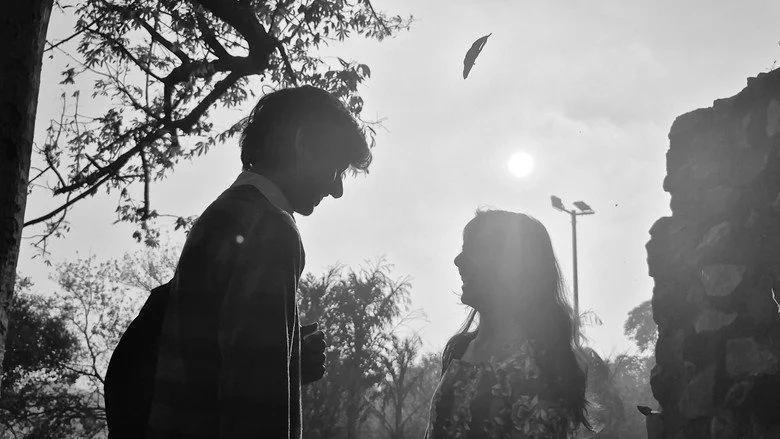
    Critics and Ratings

    The film received a rating of 3.5/5 from critics, reflecting generally positive reception. Critics praised the film for its bold stance against communalism and willingness to tackle sensitive political topics.
    Some critics noted that the writing lacked consistency, with certain symbolic elements feeling heavy-handed. While the film succeeds in many areas, it struggles with subtlety in its symbolic representation.

    Box Office Performance

    The film performed exceptionally well at the box office, particularly in Kerala. L2: Empuraan achieved a record start at Kerala Box Office as the highest opening ever for a Malayalam movie and also the highest grossing Malayalam movie ever.

    The movie grossed Rs. 58 Cr+ in advance sales at the worldwide opening weekend box office. Day 1 advance sales alone reached Rs. 40 Cr+ in worldwide gross, indicating high audience interest and expectations.

    What Works Well

    The film excels in its technical execution, with impressive cinematography and production values that create a grand cinematic experience. Mohanlal’s powerful performance continues to be a major asset, bringing depth and authenticity to his complex character.

    The action sequences are well-choreographed and engaging, while the emotional moments between characters provide necessary depth to the narrative. The film’s visual appeal and high production standards make it a worthy successor to Lucifer.

    Areas for Improvement

    The lengthy runtime and pacing issues have been consistent concerns raised by critics and audiences. The film could benefit from tighter editing to maintain engagement throughout its duration.

    Character development for supporting roles could be enhanced to create a more balanced performance. The symbolic elements, while meaningful, sometimes feel heavy-handed and could be integrated more subtly into the narrative.

    Final Verdict

    L2: Empuraan succeeds as a grand cinematic spectacle that delivers on technical excellence and star power. While it may not entirely match the impact of its predecessor, it offers enough entertainment value and thematic relevance to satisfy fans.

    For viewers who appreciate political thrillers with strong performances and high production values, L2: Empuraan provides a satisfying cinematic experience. The film represents a significant achievement in Malayalam cinema’s evolution toward larger-scale productions with pan-Indian appeal.

  • Jewel Thief – The Heist Begins (2025) Movie Movies4u

    Jewel Thief – The Heist Begins (2025) Movie Movies4u

    Jewel Thief: The Heist Begins marks Netflix’s bold entry into the heist thriller genre with a star-studded Bollywood production that premiered on April 25, 2025. Directed by Kookie Gulati and Robbie Grewal, this action-packed thriller brings together some of Bollywood’s finest talents in what promises to be a high-octane battle of wits.

    Film Title:Jewel Thief – The Heist Begins
    Main Cast:Jaideep Ahlawat, Saif Ali Khan, Nikita Dutta
    Film Duration:1h 58m
    Category:Thriller, Action
    Primary Star:Saif Ali Khan
    Studio:Marflix Pictures
    Premiere Date:April 24, 2025
    Filmmaker:Robby Grewal, Kookie Gulati
    Jewel Thief - The Heist Begins

    The movie features an impressive cast led by Saif Ali Khan as Rehan Roy, a notorious jewel thief with a global reputation. Jaideep Ahlawat plays the menacing mafia boss Rajan Aulakh, while Kunal Kapoor takes on the role of determined police officer Vikram Patel. Nikita Dutta appears as Farah, Rehan’s love interest.

    Jewel Thief – The Heist Begins Movie Actors

    ActorCharacter
    Kunal KapoorVikram Patel
    Peter Muxka ManuelPrince Gamunu
    Saif Ali KhanRehan Roy
    Sumit GulatiChunky
    Gagan AroraAvi Roy
    Ayaz KhanManish Ashar
    Nikita DuttaFarrah
    Dorendra Singh LoitongbamAnees Moosa
    Jaideep AhlawatRajan Aulakh
    Kulbhushan KharbandaJayant Roy
    Jewel Thief - The Heist Begins
    Jewel Thief - The Heist Begins
    Jewel Thief - The Heist Begins

    Plot and Storyline

    Jewel Thief centers around Rehan Roy, an infamous jewel thief operating across continents. The story begins in Budapest, where Rehan finds himself under constant surveillance by Indian Secret Service agents. His life takes a dangerous turn when calculating mafia boss Rajan Aulakh approaches him with a deadly proposition.

    Rajan has his sights set on the legendary African Red Sun diamond, worth approximately 500 crores, scheduled for display in Mumbai. When convincing Rehan proves difficult, Rajan resorts to blackmail, using Rehan’s father as leverage to ensure compliance.

    What starts as a carefully planned diamond heist spirals into a dangerous game of double-crosses and shifting loyalties. The African Red Sun becomes more than just a target – it transforms into the catalyst for a deadly battle where survival is the ultimate prize.

    Cast Performance

    Saif Ali Khan brings his characteristic charm and screen presence to the role of master thief Rehan Roy. Khan balances the suave confidence of a world-class criminal with the vulnerability of a son protecting his family. While his screen presence remains strong, the script’s limitations prevent him from fully showcasing his range.

    Jaideep Ahlawat, known for his compelling performances, takes on the antagonist role with his signature intensity. His portrayal of the calculating mafia boss showcases his acting prowess, though I felt the character needed deeper exploration to truly utilize Ahlawat’s talents.

    Kunal Kapoor as Officer Vikram Patel delivers a competent performance as the determined cop. However, his character often falls into familiar movie cop stereotypes, limiting Kapoor’s ability to create a more memorable impression.

    Direction and Technical Quality

    The collaborative direction by Kookie Gulati and Robbie Grewal shows both ambition and inconsistency. The film aims for a stylish, international aesthetic drawing from Hollywood and European heist thrillers. The cinematography captures various international locations effectively, with Budapest serving as an authentic backdrop.

    The action sequences and heist planning scenes maintain decent tension, though the execution varies throughout. I noticed significant pacing issues that affect the overall viewing experience – some sequences build tension well while others feel rushed.

    The technical aspects, including sound design and editing, aim for an immersive experience but show mixed results in maintaining narrative coherence and viewer engagement.

    Critical Reception and Ratings

    Jewel Thief has received predominantly negative reviews from critics. Hindustan Times awarded the film 1 out of 5 stars, while The Indian Express also gave it 1 out of 5 stars. Rediff provided a slightly better 2.5 out of 5 stars rating.

    On IMDb, the film holds a 4.1 out of 10 rating, reflecting mixed-to-negative audience reception. Rotten Tomatoes reviews describe the film as bland and uninspired, suggesting it fails to deliver the smart experience the genre demands.

    Critics consistently point to problems with script originality, pacing, and character development as major shortcomings.

    What Works

    The film’s primary strength lies in its casting choices, particularly pairing Saif Ali Khan and Jaideep Ahlawat. The international setting and production values show ambition in creating a globally appealing thriller. The concept of stealing the legendary African Red Sun diamond provides solid foundation material.

    The Netflix release strategy positions it well for global reach and accessibility to streaming audiences.

    What Doesn’t Work

    The most significant issue is the script and execution. Critics consistently highlight problems with originality and character development. The film relies too heavily on familiar heist thriller tropes without bringing fresh perspectives.

    The direction shows inconsistencies that affect viewer engagement. The balance between action, character development, and plot progression needed better calibration for a more engaging experience.

    I felt the talented cast wasn’t utilized effectively. While Khan and Ahlawat bring their best efforts, the material doesn’t provide sufficient depth for truly memorable characters.

    My Verdict

    Jewel Thief: The Heist Begins represents a missed opportunity in the heist thriller genre. Despite assembling talented actors and securing international production values, the film fails to deliver the engaging experience audiences expect.

    The collaboration between Saif Ali Khan and Jaideep Ahlawat should have been the foundation for a more successful venture. While the movie may appeal to viewers seeking light entertainment, it falls short of becoming memorable.

    For those seeking a well-crafted heist thriller, this film may prove disappointing despite its star power. I’d recommend exploring other options in the genre, though fans of the cast might still find value in watching their favorite actors work within the script’s constraints.

    The film reminds us that successful filmmaking requires more than star power and high production values – it demands solid storytelling and effective use of all creative elements working together.