Category: Mystery

  • Baby Do Die Do (2026): A deaf-mute assassin thriller that dares but falters

    Baby Do Die Do (2026): A deaf-mute assassin thriller that dares but falters

    Baby, a deaf-mute assassin, crouches in a Mumbai alley as her dead sister’s voice whispers through her mind, a spectral GPS steering her toward bloodshed. Nachiket Samant’s debut is a gamble that banks entirely on a gimmick and a lead who can sell silence.
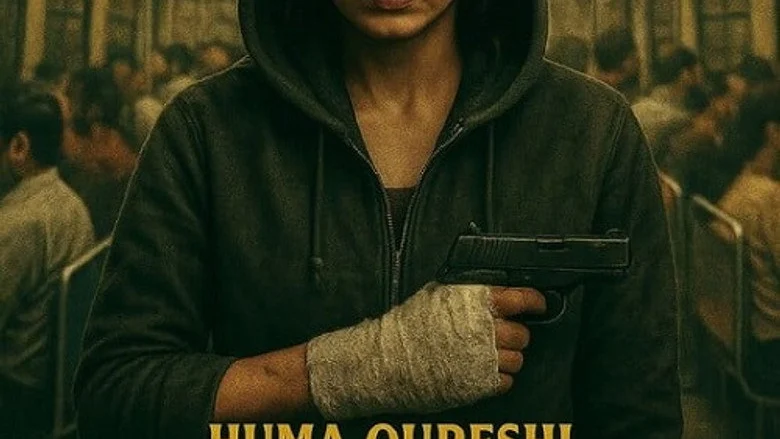
    Baby Do Die Do (2026) review image

    Huma Qureshi conveys more with her eyes than most do with dialogue

    Qureshi’s portrayal of Baby is the film’s single, shimmering asset. She communicates trauma, calculation, and even dark humour through restrained micro-expressions and deliberate body language.

    The scene where Baby first hears her sister’s voice, a moment that could have tipped into melodrama, lands with eerie conviction because Qureshi treats it as a practical, almost mechanical necessity. She never begs for our sympathy.
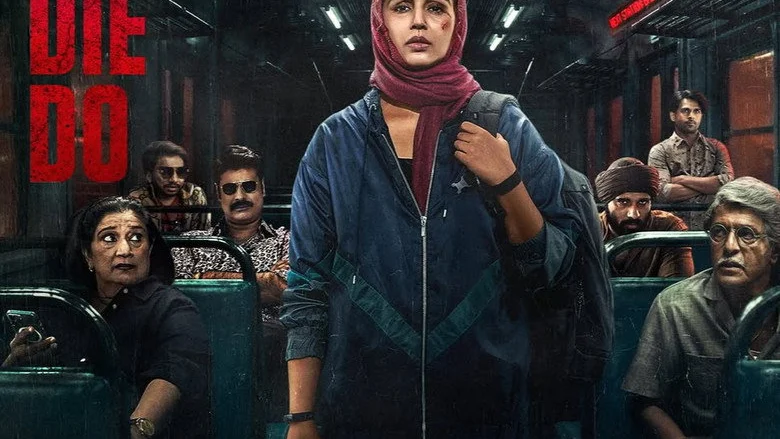
    Baby Do Die Do - Nachiket Samant’s direction nails mood but loses the thread

    Nachiket Samant’s direction nails mood but loses the thread

    Samant frames Mumbai’s underbelly with a grimy, neo-noir precision that feels lived-in. The cinematography turns narrow chawls and rain-slicked streets into character spaces.

    But his screenplay, built on a linear structure, stalls in the second half. The antagonist remains a shadow without a face or motive, which saps the climactic confrontation of stakes. The third-act resolution arrives as a shrug, not a revelation.

    The thriller craft works in fits and starts

    Samant stages the Mumbai-underbelly hunt sequence with competent spatial clarity, Baby’s deafness becomes a tactical tool rather than a handicap. She reads vibrations in window panes and watches reflections in puddles. It is the film’s most inventive stretch.

    Yet the thriller mechanics break down whenever plot convenience replaces logic. The sister’s voice, intriguingly introduced, devolves into vague exposition. By the second hour, you feel the film running on fumes.

    The climax, while well-shot, suffers from the same vagueness. Baby’s final confrontation demands a concrete enemy, but the script gives her a philosophical fog. I wished the film trusted its lead enough to let her take down a real villain.

    Sikandar Kher and Chunky Pandey add texture but not depth

    Sikandar Kher brings his signature grittiness to an underworld enforcer role, though the character is under-written. His physicality compensates for lines he is not given.

    Chunky Pandey, cast against his comic-persona grain, appears in two scenes and registers through silence, a welcome surprise. Seema Pahwa has little to do, but her casting suggests a backstory the film never bothers to explore.

    The controversy gap forces the film to rely on audience goodwill

    No political or censorship baggage surrounds Baby Do Die Do. That absence leaves the film exposed to its own flaws, positive word of mouth has centred on Qureshi’s performance, while complaints about a vague antagonist and second-half slackness repeat across early audience reactions.

    For a more complete picture of what Hindi cinema is attempting at the margins, browse through these Hindi Crime reviews.

    The verdict: A performance in search of a script

    Baby Do Die Do is a film you watch for Huma Qureshi and forgive for everything else. It is not a breakthrough, it is a rehearsal for one. Skip the theatrical experience and catch it on streaming, where its modest ambitions feel less glaring.

    Baby Do Die Do lands near a 2.5 out of 5, a risk that earns respect but not a repeat-viewing recommendation.

    Those drawn to Samant’s mood-first storytelling should also try the similarly atmospheric Alpha review.

    Qureshi’s action-hero turn invites comparison with Alia Bhatt’s Alpha verdict.
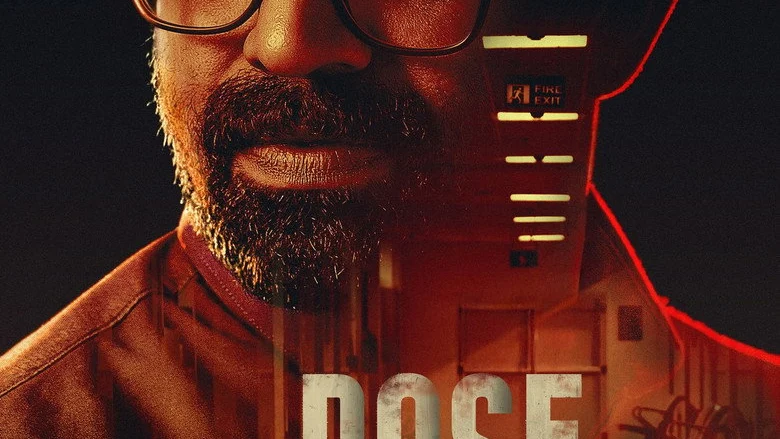
  • Dose (2026): Abhilash R Nair crafts a serious, honest Malayalam thriller

    Dose (2026): Abhilash R Nair crafts a serious, honest Malayalam thriller

    It is worth being precise about what Dose (2026) is and is not. It is a 2+ Hours Malayalam Thriller, Mystery film from Abhilash R Nair and Ezinematic Pictures, Wonder Moods Production, released May 22, 2026. It is not a perfect film. It is, however, a seriously made one — which in the current Malayalam release landscape counts for considerably more.

    That 7 out of 10 on Dose is the score of a film that chose its audience correctly and served them honestly. In a field where ratings are frequently manufactured by opening weekend enthusiasm, a settled score built over time carries considerably more critical weight.

    Dose

    Structural Analysis: The Narrative of Dose

    Abhilash R Nair has written Dose around A doctor uncovers a suspicious death at his hospital, unraveling secrets and… with a structural clarity that Abhilash R Nair honours rather than complicates. The result is a film whose intentions are legible throughout — which does not make it simple, but does make it honest.

    Abhilash R Nair’s script for Dose is built around a sense of place — India — that the crores investment from Ezinematic Pictures, Wonder Moods Production allows Abhilash R Nair to realise properly. Films that underinvest in their settings ask their audiences to overlook the gap. Dose does not ask that.

    The structural weakness of Dose is localised in its final act, where Abhilash R Nair’s script accumulates more than it resolves. Abhilash R Nair manages the excess with skill — the film does not collapse — but a more rigorous edit would have clarified what the narrative is ultimately arguing.

    Performance Under Scrutiny: The Cast of Dose

    The performance Siju Wilson gives in Dose as a character deserves critical attention beyond the usual vocabulary of praise. This is not a performance of range or intensity — it is a performance of precision, and precision of this order is rarer and more valuable than either.

    What Siju Wilson, Drishya Raghunath, Jagadish, Ashwin Kumar bring to Dose is the collective quality that distinguishes a cast from a group of actors: they appear to inhabit the same world. The coherence of the ensemble in Dose is not accidental — it is the result of direction that prioritised the world over the individual performance.

    The supporting contributions of Drishya Raghunath, Krisha Kurup in Dose represent the film at its most precisely observed. Their scenes carry a weight that the screenplay describes in outline and the performance fills in completely. Siju, Jagadish, Ashwin, Drishya, Krisha operates with comparable precision in a different register — the supporting cast as a whole does not have a weak point.

    The Craft Argument for Dose (2026)

    Abhilash R Nair directs Dose from a position of creative authority that the crores production from Ezinematic Pictures, Wonder Moods Production reinforces rather than creates. The money is in service of a vision, not a substitute for one — a distinction that most Malayalam Thriller productions at this budget level fail to make.

    The 2+ Hours edit from Shyam Sasidharan is the product of a genuine understanding of what Dose requires at the level of pace and internal logic. The film’s rhythm is established early and maintained consistently — the loosening in the final act is a screenplay problem that editing can mitigate but not solve.

    What distinguishes the technical achievement of Dose from merely competent filmmaking is the relationship between its visual choices and its thematic ones. Abhilash R Nair has made a film in India that looks like what it means — which is the most demanding standard in Malayalam Thriller cinema and the one that Dose meets.

    Dose (2026): A Critic’s Final Account

    The 0.2675 popularity index for Dose reflects an audience that did not need the film to simplify itself in order to engage with it. That this particular film — directed with Abhilash R Nair‘s degree of formal intention — scores at 0.2675 is the more interesting commercial data point.

    1000+ audience votes and 7+ Stars. The mathematics are clear. Dose has produced a consistent experience across a very large and diverse audience — which is the only audience verdict that a critic should treat as meaningful evidence about the film’s actual quality.

    Dose does not resolve all the problems it sets itself. What it does — with 2+ Hours of carefully made Malayalam Mystery, Thriller cinema — is demonstrate that Abhilash R Nair is a filmmaker worth following and that the form itself still has critical territory worth exploring.

    The critical record continues — read our broader critical coverage of Malayalam cinema this season.

    [egp_related_silo genre=’Thriller’ lang=’Malayalam’]
  • Isolation : The Call. (2026): Siddharth Kumaresan’s honest horror serves its chosen audience well.

    Isolation : The Call. (2026): Siddharth Kumaresan’s honest horror serves its chosen audience well.

    There is a version of Isolation : The Call. that Siddharth Kumaresan could have made — the safe version, the version that Maxio Entertainment, DM Entertainment might have preferred, the version that fills 8 minutes without demanding anything of anyone. That is not the film released on May 5, 2026. The film released on May 5, 2026 is the better one.

    That 7 out of 10 on Isolation : The Call. is the score of a film that chose its audience correctly and served them honestly. In a field where ratings are frequently manufactured by opening weekend enthusiasm, a settled score built over time carries considerably more critical weight.

    Isolation : The Call.

    Story, Subtext, and Execution in Isolation : The Call. (2026)

    Siddharth Kumaresan, Jarvis has written Isolation : The Call. around Haunted by her childhood trauma, Daizy returns to her hometown after a… with a structural clarity that Siddharth Kumaresan honours rather than complicates. The result is a film whose intentions are legible throughout — which does not make it simple, but does make it honest.

    The decision to film Isolation : The Call. in is not a production convenience — it is an argument. Siddharth Kumaresan, Jarvis’s screenplay is written from the inside of a specific cultural context, and the crores that Maxio Entertainment, DM Entertainment committed ensures Siddharth Kumaresan could honour that context rather than merely approximate it.

    The one place Isolation : The Call. loses critical confidence is precisely where most Tamil Horror films lose it — the junction between the second act and the conclusion. Siddharth Kumaresan and Siddharth Kumaresan, Jarvis are both working hard in that section. The evidence of the work, rather than its result, is occasionally visible.

    Isolation : The Call. (2026): Who in the Cast Earns Their Place

    The critical question about any central performance is whether it earns the film’s trust in it. Nethra Kumaresan‘s portrayal of Daizy in Isolation : The Call. answers that question affirmatively from the first scene and does not revise that answer once across the full 8 minutes runtime.

    What Siddharth Kumaresan, Durai Murugan, Nethra Kumaresan bring to Isolation : The Call. is the collective quality that distinguishes a cast from a group of actors: they appear to inhabit the same world. The coherence of the ensemble in Isolation : The Call. is not accidental — it is the result of direction that prioritised the world over the individual performance.

    It would be a critical failure to assess Isolation : The Call. without accounting for , whose performance in the film’s middle section is its most emotionally complex passage. Nethra, Durai, Siddharth brings a different kind of complexity to their scenes — more structural than emotional — and Isolation : The Call. needs both.

    Production, Direction, and the Limits of Both in Isolation : The Call.

    The directorial intelligence of Isolation : The Call. is most legible in what Siddharth Kumaresan chooses not to do with the crores from Maxio Entertainment, DM Entertainment. The film does not expand to fill its resources — it focuses them, and that focus produces a visual and tonal precision that the Tamil Horror field rarely achieves at this scale.

    The editorial work of Unknown on Isolation : The Call. at 8 minutes reflects a collaboration with Siddharth Kumaresan that has produced a cut of real quality across most of the film’s duration. The final act is where the editing is working hardest and achieving least — a disproportion that a more severe pass might have corrected.

    The visual argument of Isolation : The Call. is made consistently and with conviction. Siddharth Kumaresan has developed a cinematographic language for Isolation : The Call. that is specific to its story and setting — the locations are not photographed for their beauty but for their meaning, which is the correct critical priority.

    Isolation : The Call. (2026): A Critic’s Final Account

    Popularity at 0.0841 for Isolation : The Call. is a market signal worth reading carefully. It suggests the film has found viewers beyond its natural critical constituency — which means Siddharth Kumaresan has made something that works at both the craft and entertainment level without compromising either.

    With 1000+ responses producing 7+ Stars, Isolation : The Call. occupies a critical position that its directorial ambition alone would not guarantee. The audience has independently arrived at the assessment that the film merits — which suggests that quality, when it is present, continues to be recognised.

    Isolation : The Call. is, on critical balance, one of the better Tamil Mystery, Horror films of its season. Its limitations are real and have been noted. Its achievements — formal, performative, and thematic — are more substantial and less common. At 8m, it warrants the attention it asks for.

    The critical record continues — find more seriously made Tamil Horror films in our archive.

    [egp_related_silo genre=’Horror’ lang=’Tamil’]
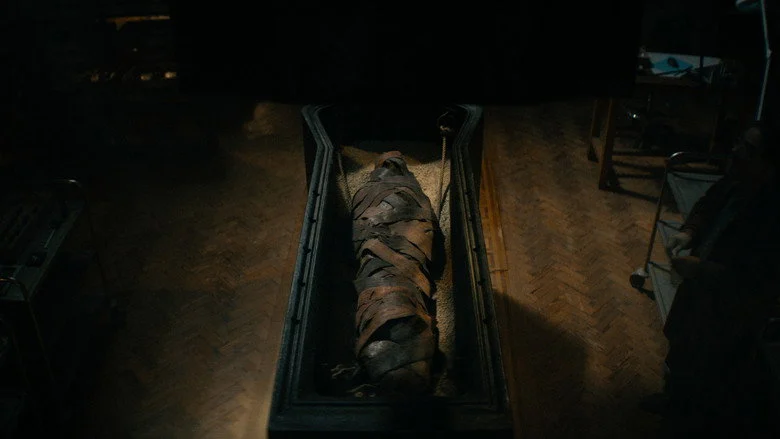
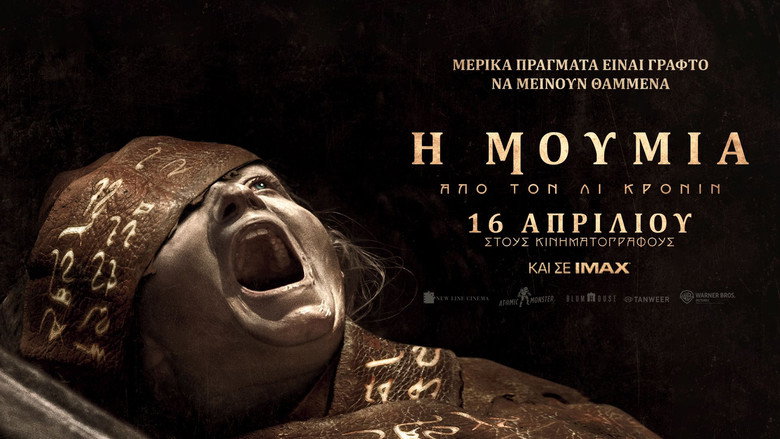
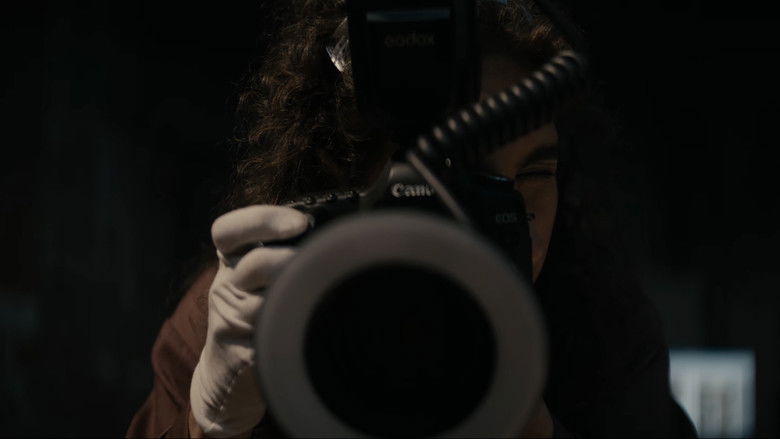
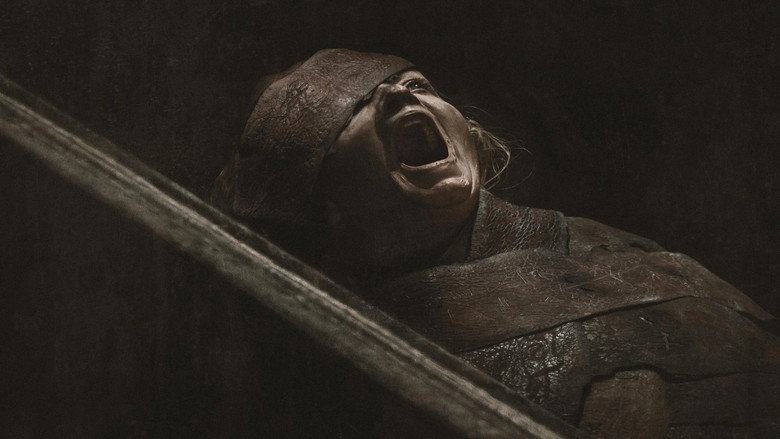
  • Lee Cronin’s The Mummy (2026): Cronin’s restrained horror crafts a haunting desert mystery.

    Lee Cronin’s The Mummy (2026): Cronin’s restrained horror crafts a haunting desert mystery.

    Lee Cronin has made Lee Cronin’s The Mummy (2026) with the economy of a filmmaker who knows that restraint is harder to achieve than spectacle. At 133 minutes, this English Horror, Mystery production from Atomic Monster, Blumhouse Productions arrived on April 15, 2026 and made the case that the form still has something to say.

    Lee Cronin’s The Mummy holds 7 out of 10 across platforms, which for a film of its formal ambition is a strong result. Audience scoring systems do not typically reward restraint — the fact that Lee Cronin’s The Mummy scores this well while exercising it suggests the film has genuine cross-audience appeal.

    The Story Lee Cronin’s The Mummy (2026) Is Telling — And How Well It Tells It

    The premise of Lee Cronin’s The Mummy — The young daughter of a journalist disappears into the desert without a… — has been used before. What Lee Cronin’s script and Lee Cronin‘s direction contribute is a specific treatment of that premise that is observably theirs rather than generic. That specificity is what separates the film from its antecedents.

    The decision to film Lee Cronin’s The Mummy in United States of America, Ireland is not a production convenience — it is an argument. Lee Cronin’s screenplay is written from the inside of a specific cultural context, and the 185+ Crores that Atomic Monster, Blumhouse Productions committed ensures Lee Cronin could honour that context rather than merely approximate it.

    Lee Cronin has written a conclusion for Lee Cronin’s The Mummy that reaches for more than the 133 minutes runtime can fully accommodate. Lee Cronin executes it with care, but care cannot substitute for the structural discipline the final act lacks. The film arrives at its destination — the route is longer than necessary.

    Cast Assessment — Lee Cronin’s The Mummy: Rigorous and Fair

    Jack Reynor brings to Charlie Cannon in Lee Cronin’s The Mummy a quality that the screenplay points toward but cannot guarantee: interiority. The character’s inner life is visible without being stated, communicated through an accumulation of small choices that a less disciplined actor would not have made and most audiences will not consciously notice.

    Jack Reynor, May Calamawy, Laia Costa, Natalie Grace give Lee Cronin’s The Mummy the kind of supporting performances that the film’s central argument requires — specific, grounded, and free of the self-consciousness that afflicts actors who know they are being watched. Lee Cronin has created the conditions for unselfconscious work and the cast has delivered it.

    May Elghety, Veronica Falcón and Jack, Laia, May, Natalie, Shylo give Lee Cronin’s The Mummy its supporting credibility at the moments the narrative requires most from them. Neither performance announces its quality — both reward the attention a careful viewer will bring to them. This is the supporting work that serious English Mystery filmmaking tends to produce.

    How Lee Cronin Has Solved the Technical Problems of Lee Cronin’s The Mummy

    Lee Cronin has brought to Lee Cronin’s The Mummy a formal sensibility that the 185+ Crores production from Atomic Monster, Blumhouse Productions makes visible but does not explain. The choices are directorial, not budgetary — which is the correct hierarchy and the one that most commercial productions invert.

    Bryan Shaw cuts Lee Cronin’s The Mummy to 2 hr 13 mins with a precision that the film earns through the quality of its material. The editing is not decorative — it is argumentative, making claims about the film’s rhythm and pacing that the direction supports. The third act is the one place where those claims become harder to sustain.

    What distinguishes the technical achievement of Lee Cronin’s The Mummy from merely competent filmmaking is the relationship between its visual choices and its thematic ones. Lee Cronin has made a film in United States of America, Ireland that looks like what it means — which is the most demanding standard in English Mystery cinema and the one that Lee Cronin’s The Mummy meets.

    The Critical Verdict on Lee Cronin’s The Mummy — What It Achieves and What It Does Not

    The 132.0094 score on Lee Cronin’s The Mummy deserves neither critical dismissal nor uncritical celebration. What it indicates is that a film made with genuine intention has reached a genuinely large audience — and that those viewers have responded to the intention as well as the entertainment.

    Across 56 logged responses, Lee Cronin’s The Mummy holds 7+ Stars — a figure that has not eroded as the audience has widened beyond the film’s initial constituency. This stability is the critical signal that matters: the film’s quality does not depend on who is watching it.

    The final critical position on Lee Cronin’s The Mummy is this: it is a film made by people who cared about what they were making, and the evidence of that care is visible in the finished work. At 2h 13m of English Horror, Mystery cinema, that is not a small claim. It is, in the current landscape, a significant one.

    The critical record continues — return to our homepage for rigorous Mystery film criticism.

    [egp_related_silo genre=’Mystery’ lang=’English’]
  • Chai aur Parchi (2026): Ravy’s restrained craft elevates Priyanshu’s disciplined, familiar mystery.

    Chai aur Parchi (2026): Ravy’s restrained craft elevates Priyanshu’s disciplined, familiar mystery.

    The Hindi Drama, Mystery film has a persistent problem with ambition outrunning execution. Chai aur Parchi (2026), directed by Ravy for Wardrobe, MFC, is not that film. Released March 4, 2026 at 11 minutes, it is disciplined where the genre is usually indulgent — and the difference is considerable.

    Chai aur Parchi holds 7 out of 10 across platforms, which for a film of its formal ambition is a strong result. Audience scoring systems do not typically reward restraint — the fact that Chai aur Parchi scores this well while exercising it suggests the film has genuine cross-audience appeal.

    Chai aur Parchi

    Narrative Discipline and Its Limits in Chai aur Parchi

    Priyanshu has given Ravy a script in Chai aur Parchi that opens on Sometimes, it’s not the tea that burns; it’s the words left behind…. and does not pretend the premise is more novel than it is. What the screenplay does instead is execute the familiar with enough craft and specificity to justify its existence — which is the more demanding achievement.

    The decision to film Chai aur Parchi in India is not a production convenience — it is an argument. Priyanshu’s screenplay is written from the inside of a specific cultural context, and the crores that Wardrobe, MFC committed ensures Ravy could honour that context rather than merely approximate it.

    The structural weakness of Chai aur Parchi is localised in its final act, where Priyanshu’s script accumulates more than it resolves. Ravy manages the excess with skill — the film does not collapse — but a more rigorous edit would have clarified what the narrative is ultimately arguing.

    From Yash Vala Down: A Critical Account of Chai aur Parchi’s Performances

    Yash Vala brings to a character in Chai aur Parchi a quality that the screenplay points toward but cannot guarantee: interiority. The character’s inner life is visible without being stated, communicated through an accumulation of small choices that a less disciplined actor would not have made and most audiences will not consciously notice.

    The supporting cast — Vivek Mandaliya, Yash Vala, Japan Savalakha among them — has been directed by Ravy with a clarity of expectation that produces uniformly credible work. These are not performances competing for attention. They are performances understanding their function within a larger design and executing it without ego.

    The critical undervaluation of supporting performance is a persistent problem in reviews of films like Chai aur Parchi. The work of and Yash, Japan, Vivek in Chai aur Parchi is a corrective to that habit — both deliver performances of a quality that the film’s overall standard requires and that the final result depends on.

    Direction, Editing, and Visual Intelligence in Chai aur Parchi (2026)

    The directorial intelligence of Chai aur Parchi is most legible in what Ravy chooses not to do with the crores from Wardrobe, MFC. The film does not expand to fill its resources — it focuses them, and that focus produces a visual and tonal precision that the Hindi Drama field rarely achieves at this scale.

    Ravy cuts Chai aur Parchi to 11 mins with a precision that the film earns through the quality of its material. The editing is not decorative — it is argumentative, making claims about the film’s rhythm and pacing that the direction supports. The third act is the one place where those claims become harder to sustain.

    The technical coherence of Chai aur Parchi across its 11m runtime reflects a production in which every department received the same creative brief and interpreted it faithfully. The result is a film that does not read as assembled but as conceived — which is the standard all serious Hindi Drama cinema should aspire to.

    The Critical Verdict on Chai aur Parchi — What It Achieves and What It Does Not

    The 0.0757 popularity index for Chai aur Parchi reflects an audience that did not need the film to simplify itself in order to engage with it. That this particular film — directed with Ravy‘s degree of formal intention — scores at 0.0757 is the more interesting commercial data point.

    Across 1000+ logged responses, Chai aur Parchi holds 7+ Stars — a figure that has not eroded as the audience has widened beyond the film’s initial constituency. This stability is the critical signal that matters: the film’s quality does not depend on who is watching it.

    Chai aur Parchi is, on critical balance, one of the better Hindi Mystery, Drama films of its season. Its limitations are real and have been noted. Its achievements — formal, performative, and thematic — are more substantial and less common. At 11m, it warrants the attention it asks for.

    The critical record continues — see every performance from Yash Vala we have written about.

    [egp_related_silo genre=’Drama’ lang=’Hindi’]
  • Dissected (2026): Gowsikan M crafts a tense, unflinching portrait of medical burnout

    Dissected (2026): Gowsikan M crafts a tense, unflinching portrait of medical burnout

    There is a version of Dissected that Gowsikan M could have made — the safe version, the version that Unknown might have preferred, the version that fills 14 minutes without demanding anything of anyone. That is not the film released on March 13, 2026. The film released on March 13, 2026 is the better one.

    The 7 out of 10 audience figure attached to Dissected is consistent with a film doing something right at both the craft and entertainment level simultaneously. Films that achieve that alignment rarely see their scores erode as the audience grows — and Dissected has not.

    Dissected

    What Dissected Says and How It Chooses to Say It

    Unknown has written Dissected around A shortfilm exploring the emotional breaking point of doctors under pressure…. with a structural clarity that Gowsikan M honours rather than complicates. The result is a film whose intentions are legible throughout — which does not make it simple, but does make it honest.

    The crores production across India gives Dissected a specificity that is essential to what Unknown is writing about. Gowsikan M treats this specificity as a responsibility rather than an asset — the film does not display its locations, it inhabits them.

    The structural weakness of Dissected is localised in its final act, where Unknown’s script accumulates more than it resolves. Gowsikan M manages the excess with skill — the film does not collapse — but a more rigorous edit would have clarified what the narrative is ultimately arguing.

    Dissected

    From Dhanush Ram Down: A Critical Account of Dissected’s Performances

    Dhanush Ram‘s work as Arjun in Dissected is the kind of screen acting that critics tend to undervalue because it does not offer obvious handles. There is no moment of theatrical release, no scene that announces itself as the performance’s centre. The centre is everywhere, consistently.

    Ganapathi Ram, Dhanush Ram, Shivaram Anand, Neelakrishnavel operate in the supporting register of Dissected with the discipline of a cast that has been given a coherent brief and followed it. The ensemble does not introduce tonal inconsistency at any point — which, given the number of individual performances that comprise it, is a significant directorial achievement.

    demonstrates in Dissected what supporting performance looks like when an actor refuses to treat secondary status as a creative limitation. The role is not the film’s largest. The work done within it is among the film’s most exacting. Dhanush, Neelakrishnavel, Ganapathi, Shivaram, Dhivan meets the same standard through different means.

    Dissected

    How Gowsikan M Has Solved the Technical Problems of Dissected

    Gowsikan M has brought to Dissected a formal sensibility that the crores production from Unknown makes visible but does not explain. The choices are directorial, not budgetary — which is the correct hierarchy and the one that most commercial productions invert.

    The editing of Dissected by Gowsikan M at 14 mins demonstrates what editorial intelligence looks like in service of a director who has made clear decisions. The rhythm is Gowsikan M‘s — Gowsikan M has found and sustained it, which is the editor’s proper function and the most demanding version of it.

    What distinguishes the technical achievement of Dissected from merely competent filmmaking is the relationship between its visual choices and its thematic ones. Gowsikan M has made a film in India that looks like what it means — which is the most demanding standard in Tamil Thriller cinema and the one that Dissected meets.

    Assessing Dissected: Where It Stands in the Tamil Thriller Field

    The 0.2245 score on Dissected deserves neither critical dismissal nor uncritical celebration. What it indicates is that a film made with genuine intention has reached a genuinely large audience — and that those viewers have responded to the intention as well as the entertainment.

    The audience has provided Dissected with 1000+ ratings averaging 7+ Stars. The critical question is not whether this score is deserved — it is — but what it tells us about the current state of Tamil Thriller audience expectation. The answer is encouraging.

    Dissected is, on critical balance, one of the better Tamil Thriller, Mystery films of its season. Its limitations are real and have been noted. Its achievements — formal, performative, and thematic — are more substantial and less common. At 14m, it warrants the attention it asks for.

    The critical record continues — return to our homepage for rigorous Thriller film criticism.

    [egp_related_silo genre=’Thriller’ lang=’Tamil’]
  • 8th Street (2026): Abdul Rahman crafts an honest, lean mystery-drama.

    8th Street (2026): Abdul Rahman crafts an honest, lean mystery-drama.

    8th Street (2026) arrives on April 12, 2026 with fewer promises than most Tamil Mystery, Drama releases and keeps more of them. Abdul Rahman and Unknown have made a 60 minutes film that earns its craft credentials rather than assuming them.

    That 7 out of 10 on 8th Street is the score of a film that chose its audience correctly and served them honestly. In a field where ratings are frequently manufactured by opening weekend enthusiasm, a settled score built over time carries considerably more critical weight.

    8th Street

    Plot and Intention: What 8th Street Is Attempting

    Abdul Rahman has written 8th Street around Late at night in a quiet place, three lives intersect — a… with a structural clarity that Abdul Rahman honours rather than complicates. The result is a film whose intentions are legible throughout — which does not make it simple, but does make it honest.

    Abdul Rahman has rooted 8th Street in India with the understanding that geography is not neutral in Drama storytelling. The 0+ Crores production from Unknown gives Abdul Rahman access to the actual locations the script requires — and the film’s credibility depends on that access.

    The structural weakness of 8th Street is localised in its final act, where Abdul Rahman’s script accumulates more than it resolves. Abdul Rahman manages the excess with skill — the film does not collapse — but a more rigorous edit would have clarified what the narrative is ultimately arguing.

    Cast Assessment — 8th Street: Rigorous and Fair

    Babu Paramasivan‘s work as Stranger in 8th Street is the kind of screen acting that critics tend to undervalue because it does not offer obvious handles. There is no moment of theatrical release, no scene that announces itself as the performance’s centre. The centre is everywhere, consistently.

    Venkatesan, Vignesh, Babu Paramasivan, Karthick operate in the supporting register of 8th Street with the discipline of a cast that has been given a coherent brief and followed it. The ensemble does not introduce tonal inconsistency at any point — which, given the number of individual performances that comprise it, is a significant directorial achievement.

    The performances of and Babu, Vignesh, Venkatesan, Karthick in 8th Street are built on the principle that supporting roles in a well-directed film do not exist in isolation from its larger design. Both actors appear to understand the design they are supporting — which is precisely what makes their contributions to 8th Street valuable.

    Direction, Editing, and Visual Intelligence in 8th Street (2026)

    The directorial intelligence of 8th Street is most legible in what Abdul Rahman chooses not to do with the 0+ Crores from Unknown. The film does not expand to fill its resources — it focuses them, and that focus produces a visual and tonal precision that the Tamil Drama field rarely achieves at this scale.

    The 1 hr edit from Abdul Rahman is the product of a genuine understanding of what 8th Street requires at the level of pace and internal logic. The film’s rhythm is established early and maintained consistently — the loosening in the final act is a screenplay problem that editing can mitigate but not solve.

    Abdul Rahman has constructed the visual identity of 8th Street with the discipline of a filmmaker who understands that style without purpose is decoration. Every formal choice in 8th Street — the framing, the movement, the light — is answerable to the film’s larger intentions.

    Reception, Evaluation, and Recommendation — 8th Street (2026)

    Popularity at 0.0754 for 8th Street is a market signal worth reading carefully. It suggests the film has found viewers beyond its natural critical constituency — which means Abdul Rahman has made something that works at both the craft and entertainment level without compromising either.

    Across 1000+ logged responses, 8th Street holds 7+ Stars — a figure that has not eroded as the audience has widened beyond the film’s initial constituency. This stability is the critical signal that matters: the film’s quality does not depend on who is watching it.

    8th Street does not resolve all the problems it sets itself. What it does — with 1h of carefully made Tamil Mystery, Drama cinema — is demonstrate that Abdul Rahman is a filmmaker worth following and that the form itself still has critical territory worth exploring.

    The critical record continues — find more films at this level of craft in our Tamil review index.

    [egp_related_silo genre=’Drama’ lang=’Tamil’]
  • Unseen Moves: A story of trust (2026): Director Unknown crafts a restrained, trust-driven thriller that resonates.

    Unseen Moves: A story of trust (2026): Director Unknown crafts a restrained, trust-driven thriller that resonates.

    has made Unseen Moves: A story of trust (2026) with the economy of a filmmaker who knows that restraint is harder to achieve than spectacle. At 10 minutes, this Hindi Romance, Thriller, Mystery production from Camroll Films arrived on March 6, 2026 and made the case that the form still has something to say.

    The 7 out of 10 audience score is worth contextualising. It reflects a large number of viewers who arrived with mainstream expectations and found a film that exceeded them — which is the most useful kind of positive reception a serious Hindi Thriller film can generate.

    Unseen Moves: A story of trust

    What Unseen Moves: A story of trust Says and How It Chooses to Say It

    The premise of Unseen Moves: A story of trust — When Harsh falls for Tanya in an intense online romance, their love… — has been used before. What Unknown’s script and ‘s direction contribute is a specific treatment of that premise that is observably theirs rather than generic. That specificity is what separates the film from its antecedents.

    The crores production across India gives Unseen Moves: A story of trust a specificity that is essential to what Unknown is writing about. treats this specificity as a responsibility rather than an asset — the film does not display its locations, it inhabits them.

    A more severe editor than Unknown might have found twenty minutes in Unseen Moves: A story of trust’s final act that the film would be better without. What exists is not without merit — but the distinction between what is present and what is necessary becomes harder to sustain as the film approaches its conclusion.

    Acting in Unseen Moves: A story of trust (2026): What Holds and What Does Not

    The critical question about any central performance is whether it earns the film’s trust in it. Vasu Goud‘s portrayal of Rudra in Unseen Moves: A story of trust answers that question affirmatively from the first scene and does not revise that answer once across the full 10 minutes runtime.

    Sneha Rajput, Vasu Goud, Naitik Agrawal, Prince Naneriya give Unseen Moves: A story of trust the kind of supporting performances that the film’s central argument requires — specific, grounded, and free of the self-consciousness that afflicts actors who know they are being watched. has created the conditions for unselfconscious work and the cast has delivered it.

    The supporting contributions of in Unseen Moves: A story of trust represent the film at its most precisely observed. Their scenes carry a weight that the screenplay describes in outline and the performance fills in completely. Vasu, Prince, Sneha, Naitik operates with comparable precision in a different register — the supporting cast as a whole does not have a weak point.

    Critical Assessment of Unseen Moves: A story of trust’s Filmmaking

    has brought to Unseen Moves: A story of trust a formal sensibility that the crores production from Camroll Films makes visible but does not explain. The choices are directorial, not budgetary — which is the correct hierarchy and the one that most commercial productions invert.

    Unknown assembles Unseen Moves: A story of trust at 10 minutes with the editorial maturity that the film’s tonal ambitions require. The cut does not hurry what needs time and does not linger where the scene has concluded — a discipline that holds throughout Unseen Moves: A story of trust with only the final act offering grounds for critical reservation.

    The visual argument of Unseen Moves: A story of trust is made consistently and with conviction. has developed a cinematographic language for Unseen Moves: A story of trust that is specific to its story and setting — the India locations are not photographed for their beauty but for their meaning, which is the correct critical priority.

    Final Critical Assessment — Unseen Moves: A story of trust by

    The commercial reception of Unseen Moves: A story of trust — 0.1679 on the popularity index — confirms what the critical case for the film suggests: that and Camroll Films have made something that functions simultaneously as serious cinema and accessible entertainment. That achievement is rarer than either alone.

    Across 1000+ logged responses, Unseen Moves: A story of trust holds 7+ Stars — a figure that has not eroded as the audience has widened beyond the film’s initial constituency. This stability is the critical signal that matters: the film’s quality does not depend on who is watching it.

    Unseen Moves: A story of trust is the kind of Hindi Romance, Thriller, Mystery film that reminds you why the form matters when it is practiced well. has made something that will hold up to repeated viewing and continued critical attention. At 10m, the investment is justified. The recommendation stands.

    The critical record continues — return to our homepage for rigorous Thriller film criticism.

    [egp_related_silo genre=’Thriller’ lang=’Hindi’]
  • Ima Chimmathe (2026): Sree Nandan Chengannur revitalizes Malayalam mystery with purpose.

    Ima Chimmathe (2026): Sree Nandan Chengannur revitalizes Malayalam mystery with purpose.

    Critical fatigue with the Malayalam Mystery form is understandable. What Sree Nandan Chengannur has made in Ima Chimmathe (2026) is the argument against that fatigue. Produced by Showdown Talkies, Showdown Indie Talkies at 2+ Hours and released February 13, 2026, it demonstrates what the genre looks like when a filmmaker treats it as a vehicle for something real.

    The 7 out of 10 audience score is worth contextualising. It reflects a large number of viewers who arrived with mainstream expectations and found a film that exceeded them — which is the most useful kind of positive reception a serious Malayalam Mystery film can generate.

    Ima Chimmathe

    Structural Analysis: The Narrative of Ima Chimmathe

    The first act of Ima Chimmathe establishes Dreams Dreams Dreams… Are they real?… with the economy of a Sree Nandan Chengannur script that knows its own purpose. There is no throat-clearing, no unnecessary scene-setting — Sree Nandan Chengannur is in the material from the first frame, and the film benefits from that directness.

    Sree Nandan Chengannur has rooted Ima Chimmathe in India with the understanding that geography is not neutral in Mystery storytelling. The crores production from Showdown Talkies, Showdown Indie Talkies gives Sree Nandan Chengannur access to the actual locations the script requires — and the film’s credibility depends on that access.

    Ima Chimmathe is a tighter film for roughly two thirds of its runtime than the final act allows. The looseness that enters in the closing sequences is a screenwriting problem more than a directorial one — Sree Nandan Chengannur has loaded the third act with material that competes rather than converges.

    Ima Chimmathe (2026): Who in the Cast Earns Their Place

    Athira brings to Ishaani in Ima Chimmathe a quality that the screenplay points toward but cannot guarantee: interiority. The character’s inner life is visible without being stated, communicated through an accumulation of small choices that a less disciplined actor would not have made and most audiences will not consciously notice.

    Ebin Varghese, Kripa Karthikeyan, Athira, Mohammed Akbar Sha give Ima Chimmathe the kind of supporting performances that the film’s central argument requires — specific, grounded, and free of the self-consciousness that afflicts actors who know they are being watched. Sree Nandan Chengannur has created the conditions for unselfconscious work and the cast has delivered it.

    The critical undervaluation of supporting performance is a persistent problem in reviews of films like Ima Chimmathe. The work of and Athira, Mohammed, Ebin, Kripa, Krishnendu in Ima Chimmathe is a corrective to that habit — both deliver performances of a quality that the film’s overall standard requires and that the final result depends on.

    How Sree Nandan Chengannur Has Solved the Technical Problems of Ima Chimmathe

    The technical achievement of Ima Chimmathe begins with the relationship between Sree Nandan Chengannur and the crores that Showdown Talkies, Showdown Indie Talkies committed to the production. That relationship — of filmmaker leading and resources following — is what gives Ima Chimmathe its coherence.

    Unknown assembles Ima Chimmathe at 2+ Hours with the editorial maturity that the film’s tonal ambitions require. The cut does not hurry what needs time and does not linger where the scene has concluded — a discipline that holds throughout Ima Chimmathe with only the final act offering grounds for critical reservation.

    The visual argument of Ima Chimmathe is made consistently and with conviction. Sree Nandan Chengannur has developed a cinematographic language for Ima Chimmathe that is specific to its story and setting — the India locations are not photographed for their beauty but for their meaning, which is the correct critical priority.

    The Critical Verdict on Ima Chimmathe — What It Achieves and What It Does Not

    A popularity index of 0.0954 for a Malayalam Mystery film of Ima Chimmathe’s ambition is the kind of figure that should provoke a reassessment of assumptions about what this audience will and will not support. Sree Nandan Chengannur has not made a compromise — and the market has not punished the refusal.

    With 1000+ responses producing 7+ Stars, Ima Chimmathe occupies a critical position that its directorial ambition alone would not guarantee. The audience has independently arrived at the assessment that the film merits — which suggests that quality, when it is present, continues to be recognised.

    The final critical position on Ima Chimmathe is this: it is a film made by people who cared about what they were making, and the evidence of that care is visible in the finished work. At 2+ Hours of Malayalam Thriller, Mystery cinema, that is not a small claim. It is, in the current landscape, a significant one.

    The critical record continues — return to our homepage for rigorous Mystery film criticism.

    [egp_related_silo genre=’Mystery’ lang=’Malayalam’]
  • Housefull 5 (2025) Movie Movies4u

    Housefull 5 (2025) Movie Movies4u

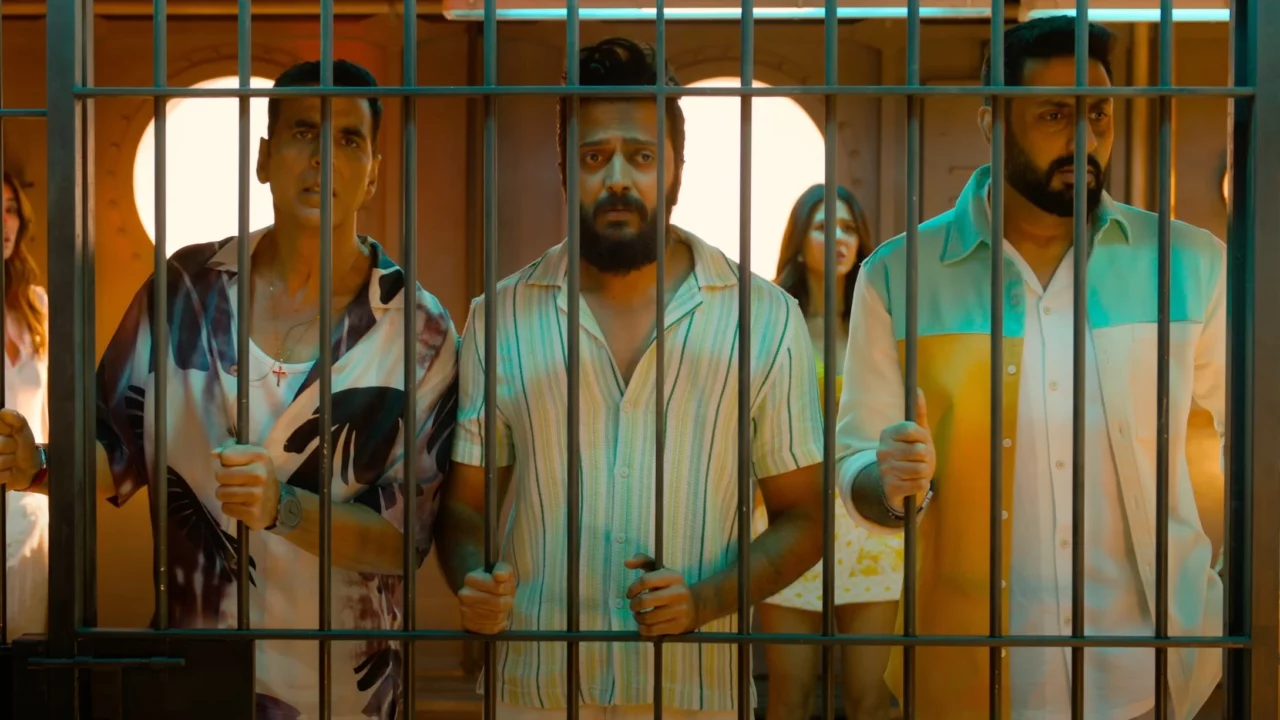
    Housefull 5 brings back the chaos we know from Sajid Nadiadwala’s comedy series. Tarun Mansukhani directs this murder mystery comedy with Akshay Kumar, Abhishek Bachchan, Riteish Deshmukh, Jacqueline Fernandez, and Nargis Fakhri. The movie hit theaters on June 6, 2025.

    Film Title:Housefull 5
    Main Cast:Ritesh Deshmukh, Abhishek Bachchan, Akshay Kumar
    Film Duration:2h 43m
    Category:Thriller, Mystery, Comedy
    Primary Star:Akshay Kumar
    Studio:Nadiadwala Grandson Entertainment, Pen Studios
    Premiere Date:June 5, 2025
    Filmmaker:Tarun Mansukhani
    Housefull 5

    This fifth film takes a different route by setting everything on a luxury cruise ship. The production team spent 40 days filming across European waters, sailing from Newcastle to Spain. What makes it special is the two different versions – Housefull 5A and 5B with different endings.

    Housefull 5 Movie Actors

    ActorCharacter
    Sonam BajwaZara
    Nargis FakhriKanchi
    Jacqueline FernandezSashikala
    Akshay KumarJulius/Jolly No. 3
    Fardeen KhanCEO Dev
    Ritesh DeshmukhJalabuddin/Jolly No. 1
    Chitrangda SinghCFO Maya
    Abhishek BachchanJalbhushan/Jolly No. 2
    Jackie ShroffBhidu
    Sanjay DuttBaba
    Housefull 5
    Housefull 5
    Housefull 5

    Plot and Story

    The story follows several fake heirs claiming to be the son of a dead billionaire. They all want his money while stuck on a cruise ship together. This setup creates the perfect mess that Housefull fans love to watch.

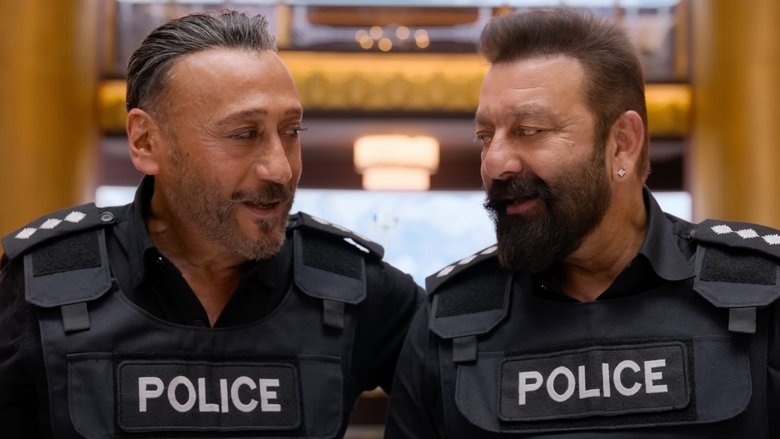
    Sanjay Dutt and Jackie Shroff play cops chasing a killer on the same ship. The murder mystery angle is new for this series. I found this mix of comedy and crime interesting, though it doesn’t always work smoothly.

    The dual ending concept is bold but feels more like a gimmick than genuine storytelling. Both versions try to surprise you, but neither really delivers that wow moment.

    Cast Performance

    Akshay Kumar does what he always does – brings energy and timing to every scene. His screen presence keeps things moving even when the script fails him. However, I noticed he’s carrying too much weight here instead of the story supporting him.

    Abhishek Bachchan returns with solid comic timing. His scenes with other actors work well, showing he still has that natural funny bone. Riteish Deshmukh delivers his usual physical comedy and one-liners effectively.

    The female leads get the usual Housefull treatment – they look good and react to the chaos around them. Jacqueline and Nargis try their best but their roles feel like afterthoughts. The supporting cast including Dutt and Shroff add some weight to the proceedings.

    Direction and Visuals

    Tarun Mansukhani handles the cruise ship setting well visually. The European locations and ship interiors look impressive on screen. The cinematography captures both the grandeur and intimate moments effectively.

    However, the pacing feels off throughout. Mansukhani struggles to balance the comedy with mystery elements. The dual climax idea sounds innovative but creates more confusion than excitement.

    Reviews and Ratings

    Critics gave mixed reactions to Housefull 5. Bollywood Hungama rated it 3.5/5, calling it paisa-vasool entertainment. Hindustan Times gave 3/5 stars, noting the film relies too much on Akshay’s charm.

    IMDb users rated it 3.8/10, with many calling the story weak. Most reviews mention good production values but poor writing. The treatment of female characters faced particular criticism from critics.

    Box Office Numbers

    The movie collected ₹118.15 crore in its first week domestically. Worldwide collections reached ₹192.22 crore, making it the second highest-grossing Housefull film. The opening weekend was strong but saw typical mid-week drops.

    What I Liked

    The cruise ship backdrop gives fresh visuals to the franchise. Cast chemistry between veterans works well, especially Kumar and Bachchan. Production quality is high with good technical values.

    I appreciated the attempt at innovation with dual endings. The European shooting locations add scale to the movie. Commercial appeal remains strong despite script issues.

    What Could Be Better

    The script writing is the biggest problem here. Characters feel one-dimensional and situations forced. The mystery element doesn’t blend well with the comedy. Female characters deserve much better treatment and development.

    I felt the pacing issues throughout, with some scenes dragging unnecessarily. The dual climax concept needed better execution. Over-reliance on star power instead of strong material hurts the film.

    Final Thoughts

    Housefull 5 gives you what you expect from the franchise but nothing more. The cruise setting and star cast provide entertainment value for fans. However, weak storytelling prevents it from being truly memorable.

    I think the commercial success shows the franchise still has pull with audiences. But future films need stronger writing to keep viewers interested. This one works as a time-pass entertainer but misses the chance to elevate the series.

    The movie proves that big budgets and star power can ensure box office success. But they cannot replace good storytelling and character development. Housefull 5 is decent but not great.

  • Final Destination Bloodlines (2025) Movie Movies4u

    Final Destination Bloodlines (2025) Movie Movies4u

    Final Destination: Bloodlines has officially arrived as the sixth installment in New Line Cinema’s acclaimed horror franchise. Directed by Zach Lipovsky and Adam B. Stein, this 2025 release takes audiences back to the very beginning of death’s elaborate schemes. The film stars Kaitlyn Santa Juana, Teo Briones, Rya Kihlstedt, and Richard Harmon in a supernatural horror experience that has redefined the franchise.

    Film Title:Final Destination Bloodlines
    Main Cast:Teo Briones, Kaitlyn Santa Juana, Rya Kihlstedt
    Film Duration:1h 50m
    Category:Horror, Mystery
    Primary Star:Kaitlyn Santa Juana
    Studio:New Line Cinema, Practical Pictures
    Premiere Date:May 14, 2025
    Filmmaker:Adam B. Stein, Zach Lipovsky
    Final Destination Bloodlines

    Released on May 16, 2025, Bloodlines has achieved something no previous Final Destination film has accomplished – critical acclaim alongside commercial success. The movie follows college student Stefanie, who finds herself plagued by violent recurring nightmares. With a production budget of $50 million, the film has demonstrated remarkable box office performance and critical reception.

    Final Destination Bloodlines Movie Actors

    ActorCharacter
    Anna LoreJulia Campbell
    Owen Patrick JoynerBobby Campbell
    Tony ToddWilliam John Bludworth
    Gabrielle RoseIris Campbell
    Brec BassingerIris Campbell (young)
    Andrew Tinpo LeeMarty Reyes
    Richard HarmonErik Campbell
    Kaitlyn Santa JuanaStefanie Reyes
    Rya KihlstedtDarlene Campbell-Reyes
    Teo BrionesCharlie Reyes
    Final Destination Bloodlines
    Final Destination Bloodlines
    Final Destination Bloodlines

    Plot and Storyline

    The narrative structure cleverly weaves together past and present, creating a compelling origin story that enriches the franchise’s mythology. The story begins in 1968 with Iris Campbell and her fiancé Paul, establishing the historical foundation for the supernatural forces.

    Stefanie’s journey from college student to reluctant survivor creates a personal stakes-driven narrative that goes beyond the typical Final Destination formula. Her violent nightmares serve as both a plot device and character development tool. The film’s exploration of family dynamics and generational curses adds emotional depth that previous installments often lacked.

    The death sequences have been crafted with meticulous attention to detail and creative execution. Directors Lipovsky and Stein have managed to balance the series’ signature elaborate death traps with meaningful character development.

    Cast Performance and Character Development

    Kaitlyn Santa Juana delivers a standout performance as Stefanie, bringing both vulnerability and determination to her character. Her portrayal captures the psychological toll of being caught in death’s design while maintaining the strength necessary to fight back. Santa Juana’s ability to convey terror, confusion, and resolve anchors the film’s emotional core.

    Teo Briones provides excellent support, bringing depth to a role that could have easily fallen into typical horror movie stereotypes. Rya Kihlstedt and Richard Harmon round out the primary cast with performances that blend seamlessly into the film’s supernatural atmosphere.

    The cast works together to create a believable family dynamic that serves as the emotional foundation. Unlike previous Final Destination films where characters felt expendable, Bloodlines invests time in developing relationships and backstories.

    Direction and Technical Excellence

    Zach Lipovsky and Adam B. Stein have brought a fresh directorial vision to the franchise that respects its roots while pushing creative boundaries. Their background in visual effects and genre filmmaking is evident in every frame. The directors have managed to create death sequences that feel both familiar and innovatively executed.

    The film’s visual style maintains the series’ signature look while incorporating modern filmmaking techniques. The use of practical effects combined with selective digital enhancement creates death scenes that feel viscerally real. This approach gives the film a tactile quality that connects with audiences.

    Sound design plays a crucial role in building tension throughout the film. The score complements the on-screen action without overwhelming it. Lipovsky and Stein’s direction shows a clear understanding of horror pacing.

    Critical Reception and Ratings

    Final Destination: Bloodlines has achieved a historic milestone for the franchise with its critical reception. The film currently holds an impressive 93% rating on Rotten Tomatoes from 108 critic reviews. This makes it not only the highest-rated Final Destination movie but also the first in the series to achieve Certified Fresh status.

    The audience response has been equally positive, with the film earning an 89% audience score on Rotten Tomatoes from over 500 reviews. The IMDb rating of 7.0 reflects solid audience appreciation for the film’s approach to the familiar franchise formula.

    Major entertainment publications have praised the film’s return to form while acknowledging its innovations within the genre. Critics have particularly noted the directors’ ability to balance franchise expectations with fresh creative vision.

    Box Office Performance and Commercial Success

    The commercial success has exceeded industry expectations, with the film grossing over $100 million in its opening weekend alone. The movie has achieved $260 million worldwide gross, making it both the highest-grossing installment in the franchise and the ninth-highest-grossing film of 2025.

    The film’s success follows New Line Cinema’s recent winning streak. The $50 million production budget represents a significant investment that has clearly paid dividends both critically and commercially. The strong opening weekend performance indicates that the Final Destination brand still holds considerable appeal.

    International box office performance has been particularly strong, suggesting that the franchise’s appeal transcends cultural boundaries. This global success bodes well for potential future installments.

    What I Liked About the Film

    What impressed me most about Bloodlines is its ability to honor the franchise’s legacy while introducing meaningful improvements. The character development represents a significant step forward – the protagonists feel like real people rather than horror movie archetypes waiting to die. I found myself genuinely invested in their survival.

    The production values show clear improvement over previous installments. The cinematography, sound design, and visual effects create a more immersive viewing experience. I particularly appreciated how the death sequences maintain creativity while feeling fresh and inventive.

    The film’s exploration of franchise mythology adds depth that enriches the overall Final Destination universe. By providing origin story elements, Bloodlines creates a richer fictional world that rewards longtime fans like myself while remaining accessible to newcomers.

    Areas That Could Be Better

    While Bloodlines represents a significant improvement, I noticed some elements that could have been developed further. The pacing occasionally feels uneven, particularly in the middle act where character development sometimes slows the supernatural thriller momentum.

    Certain supporting characters could have used additional development to make their eventual fates more impactful. The film sometimes falls back on familiar horror movie character types despite its overall success in creating more rounded protagonists.

    I also felt the film’s runtime could have been used more efficiently in some areas. While the dual timeline structure works well overall, some transitions between past and present could have been smoother.

    Final Verdict

    Final Destination: Bloodlines succeeds as both a franchise revival and a standalone horror experience. The film delivers the creative death sequences fans expect while providing improved character development and production values. Directors Lipovsky and Stein have created a horror film that respects the franchise’s roots while pushing it in new directions.

    The movie represents a high point for the Final Destination series, achieving the rare combination of critical acclaim and box office success. With its 93% Rotten Tomatoes score and strong audience reception, Bloodlines has set a new standard for the franchise.

    For horror fans and franchise lovers alike, Final Destination: Bloodlines delivers a satisfying return to a beloved series while suggesting exciting possibilities for future installments. The film proves that long-running horror franchises can evolve and improve, making it a worthy addition to the Final Destination legacy.

  • Vidaamuyarchi (2025) Movie Movies4u

    Vidaamuyarchi (2025) Movie Movies4u

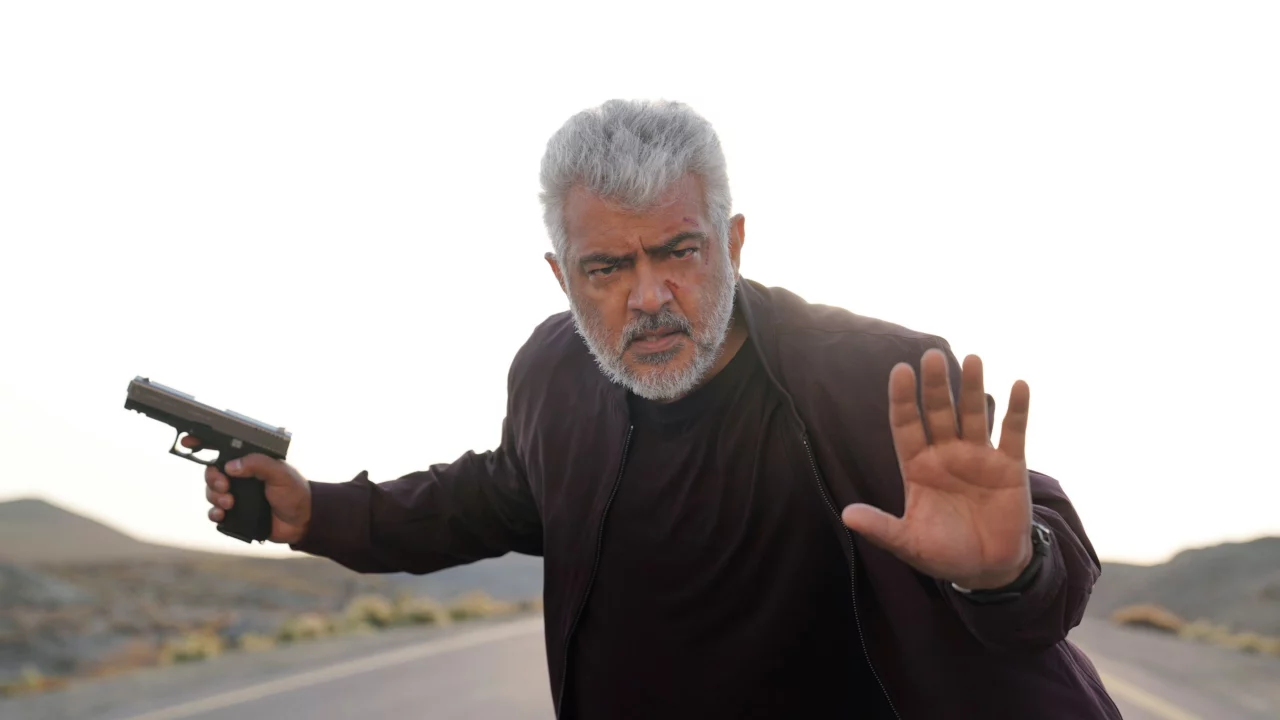
    Vidaamuyarchi, released in February 2025, marks Ajith Kumar’s 62nd film and stands as one of the most talked-about Tamil action thrillers of the year. Directed by Magizh Thirumeni, this movie brings together a stellar cast including Ajith Kumar in the lead role, alongside Trisha Krishnan, Arjun Sarja, and Regina Cassandra.

    Film Title:Vidaamuyarchi
    Main Cast:Trisha Krishnan, Arjun Sarja, Ajith Kumar
    Film Duration:2h 31m
    Category:Action, Mystery, Thriller
    Primary Star:Ajith Kumar
    Studio:Lyca Productions
    Premiere Date:February 6, 2025
    Filmmaker:Magizh Thirumeni
    Vidaamuyarchi

    The film represents a significant collaboration between some of Tamil cinema’s most respected talents, with music composed by Anirudh Ravichander, cinematography by Om Prakash, and editing by N.B. Srikanth. What makes this project particularly noteworthy is its international production scale, with principal photography conducted primarily in Azerbaijan and additional scenes shot in Thailand.

    Vidaamuyarchi Movie Actors

    ActorCharacter
    Aarav KizarMichael
    Ajith KumarArjun
    Ravi RaghavendraDr. Manohar Chandrasekar
    Trisha KrishnanKayal
    Arjun SarjaRakshith
    Ramya SubramanianAnu
    Sandhya JanakKayal’s Mother
    Nikhil NairNikhil
    Jeeva RaviKayal’s Father
    Regina CassandraDeepika
    Vidaamuyarchi
    Vidaamuyarchi
    Vidaamuyarchi

    Plot and Storyline

    The narrative revolves around a married couple’s road trip that takes a sinister turn when the wife mysteriously disappears. The story follows the husband’s desperate search to find his missing spouse while facing obstacles created by an unknown antagonist.

    However, the execution of this simple premise becomes the film’s major weakness. The storyline suffers from predictability, with many plot twists becoming apparent well before their revelation. Critics have noted that the film’s attempts to add complexity through backstories feel forced and unnecessary.

    Cast Performance

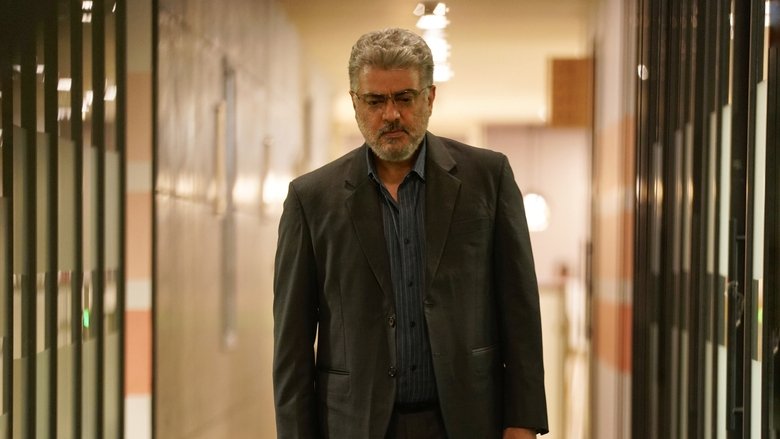
    Ajith Kumar delivers a committed performance as the desperate husband searching for his missing wife. Despite the film’s narrative shortcomings, Ajith’s screen presence and dedication to the role remain commendable. His portrayal showcases the character’s transformation from a charming individual to someone who has grown bitter over time.

    Trisha Krishnan, playing the missing wife, has limited screen time due to the plot’s nature, but makes her presence felt effectively. Arjun Sarja brings his veteran experience to the film, though his role appears underutilized. The supporting cast, while competent, suffers from underdeveloped characters.

    Direction and Technical Aspects

    Director Magizh Thirumeni attempts to focus on content over commercial elements, but his execution falls short of creating the gripping thriller experience. The pacing issues are evident throughout the film, with several sequences dragging without adding substantial value.

    Om Prakash’s cinematography stands out as one of the film’s strongest technical aspects. The international locations, particularly the Azerbaijan sequences, are captured beautifully, providing visually appealing backdrops. However, the stunning visuals cannot compensate for the narrative weaknesses.

    My Take on the Film

    Having watched Vidaamuyarchi, I found myself appreciating Ajith’s dedication to the role while being disappointed by the overall execution. The film had all the ingredients for a successful thriller – a compelling premise, international locations, and talented cast. Yet, I couldn’t shake the feeling that opportunities were missed at every turn.

    I was particularly let down by the predictable plot developments. As someone who enjoys well-crafted thrillers, I found myself anticipating most of the twists well before they occurred. The film’s attempt to create tension through unnecessary subplots felt forced rather than organic to the story.

    Critical Reception and Reviews

    The film has received mixed to negative reviews from professional critics across various platforms. IMDb rates the film at 6.2/10, indicating below-average reception among viewers. Critics consistently point out the film’s failure to create thrilling moments that would justify its genre classification.

    Reviews highlight that the film lacks thrilling moments but the biggest letdown is that it fails to celebrate the aura of Thala Ajith. High on Films describes it as a visually appealing remake yet emotionally hollow film. Public reactions have been polarized, with Ajith’s fanbase appreciating his performance while acknowledging the shortcomings.

    Box Office Performance

    Vidaamuyarchi has shown decent box office performance, with collections nearing ₹100 crore and emerging as the highest-grossing Tamil film of 2025. The film’s India net collection stands at ₹80.35 crore, with worldwide collection reaching ₹135.65 crore.

    The box office numbers suggest that despite mixed critical reception, Ajith’s star power and fan following have contributed significantly to the film’s commercial success. The international shooting locations and high production values likely contributed to higher production costs.

    What Works

    Ajith Kumar’s Performance – Despite script limitations, Ajith delivers a committed performance that keeps the audience engaged. His screen presence and emotional portrayal provide the film’s emotional core.

    Visual Appeal – The cinematography and international locations create a visually stunning experience. The Azerbaijan sequences particularly stand out for their scenic beauty and production value.

    Technical Production Values – The overall technical aspects, including sound design and visual effects in action sequences, meet contemporary cinema standards.

    What Doesn’t Work

    Predictable Storyline – The basic plot lacks originality and becomes predictable early in the film. The thriller elements fail to create genuine suspense or surprise.

    Pacing Issues – Several sequences drag unnecessarily, making the film feel longer than it should. The lack of tight editing affects the overall viewing experience.

    Character Development – Supporting characters, including the antagonist, lack depth and development, reducing their impact on the narrative.

    Final Verdict

    Vidaamuyarchi represents a missed opportunity in Tamil cinema’s thriller genre. While it benefits from Ajith Kumar’s star power, international production values, and decent technical execution, it suffers from fundamental storytelling weaknesses.

    The film works primarily as a star vehicle for Ajith Kumar fans who will appreciate seeing their favorite actor in a dedicated performance. For general audiences seeking a well-crafted thriller experience, the film falls short of expectations.

    The film began streaming on OTT platforms from March 3, 2025, in Tamil and dubbed versions of Hindi, Telugu, Kannada, and Malayalam languages. For Tamil cinema fans, Vidaamuyarchi serves as a reminder that strong star power needs to be supported by equally strong storytelling.

    The film ultimately stands as a decent one-time watch for Ajith fans and those interested in international production values in Tamil cinema, but it doesn’t reach the heights that its premise promised.