Category: Crime

  • Baby Do Die Do (2026): A deaf-mute assassin thriller that dares but falters

    Baby Do Die Do (2026): A deaf-mute assassin thriller that dares but falters

    Baby, a deaf-mute assassin, crouches in a Mumbai alley as her dead sister’s voice whispers through her mind, a spectral GPS steering her toward bloodshed. Nachiket Samant’s debut is a gamble that banks entirely on a gimmick and a lead who can sell silence.
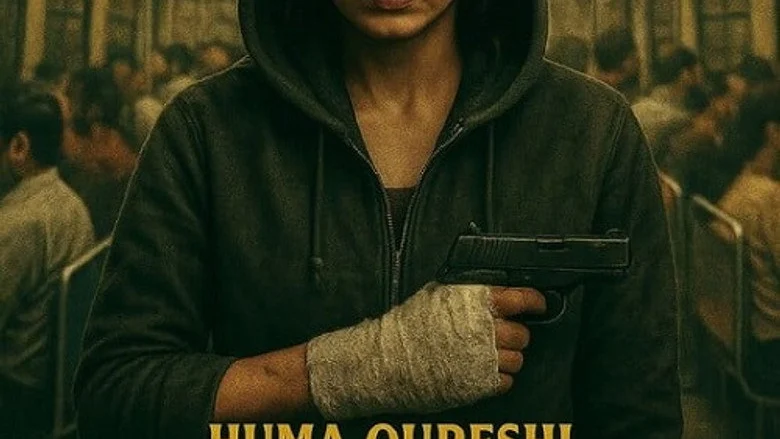
    Baby Do Die Do (2026) review image

    Huma Qureshi conveys more with her eyes than most do with dialogue

    Qureshi’s portrayal of Baby is the film’s single, shimmering asset. She communicates trauma, calculation, and even dark humour through restrained micro-expressions and deliberate body language.

    The scene where Baby first hears her sister’s voice, a moment that could have tipped into melodrama, lands with eerie conviction because Qureshi treats it as a practical, almost mechanical necessity. She never begs for our sympathy.
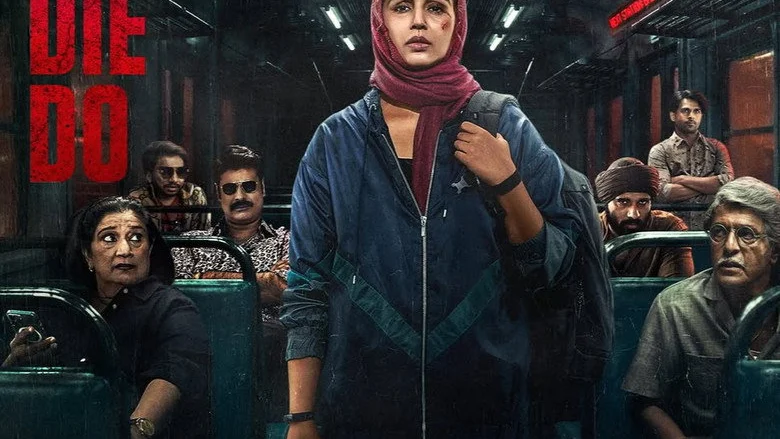
    Baby Do Die Do - Nachiket Samant’s direction nails mood but loses the thread

    Nachiket Samant’s direction nails mood but loses the thread

    Samant frames Mumbai’s underbelly with a grimy, neo-noir precision that feels lived-in. The cinematography turns narrow chawls and rain-slicked streets into character spaces.

    But his screenplay, built on a linear structure, stalls in the second half. The antagonist remains a shadow without a face or motive, which saps the climactic confrontation of stakes. The third-act resolution arrives as a shrug, not a revelation.

    The thriller craft works in fits and starts

    Samant stages the Mumbai-underbelly hunt sequence with competent spatial clarity, Baby’s deafness becomes a tactical tool rather than a handicap. She reads vibrations in window panes and watches reflections in puddles. It is the film’s most inventive stretch.

    Yet the thriller mechanics break down whenever plot convenience replaces logic. The sister’s voice, intriguingly introduced, devolves into vague exposition. By the second hour, you feel the film running on fumes.

    The climax, while well-shot, suffers from the same vagueness. Baby’s final confrontation demands a concrete enemy, but the script gives her a philosophical fog. I wished the film trusted its lead enough to let her take down a real villain.

    Sikandar Kher and Chunky Pandey add texture but not depth

    Sikandar Kher brings his signature grittiness to an underworld enforcer role, though the character is under-written. His physicality compensates for lines he is not given.

    Chunky Pandey, cast against his comic-persona grain, appears in two scenes and registers through silence, a welcome surprise. Seema Pahwa has little to do, but her casting suggests a backstory the film never bothers to explore.

    The controversy gap forces the film to rely on audience goodwill

    No political or censorship baggage surrounds Baby Do Die Do. That absence leaves the film exposed to its own flaws, positive word of mouth has centred on Qureshi’s performance, while complaints about a vague antagonist and second-half slackness repeat across early audience reactions.

    For a more complete picture of what Hindi cinema is attempting at the margins, browse through these Hindi Crime reviews.

    The verdict: A performance in search of a script

    Baby Do Die Do is a film you watch for Huma Qureshi and forgive for everything else. It is not a breakthrough, it is a rehearsal for one. Skip the theatrical experience and catch it on streaming, where its modest ambitions feel less glaring.

    Baby Do Die Do lands near a 2.5 out of 5, a risk that earns respect but not a repeat-viewing recommendation.

    Those drawn to Samant’s mood-first storytelling should also try the similarly atmospheric Alpha review.

    Qureshi’s action-hero turn invites comparison with Alia Bhatt’s Alpha verdict.
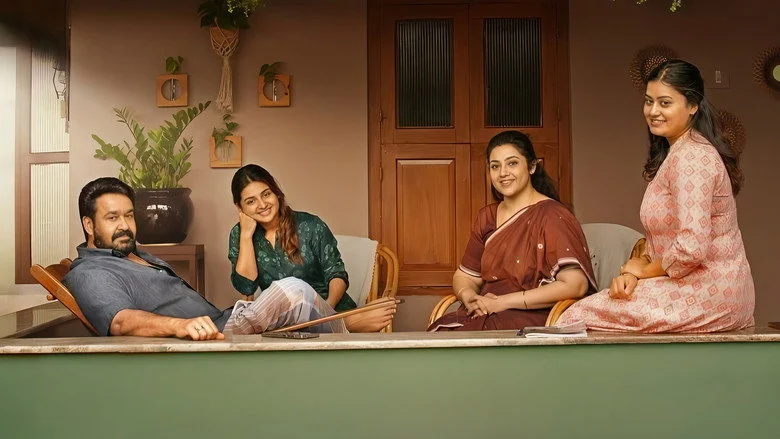
  • Drishyam 3 (2026): Jeethu Joseph crafts a disciplined thriller where ambition meets execution

    Drishyam 3 (2026): Jeethu Joseph crafts a disciplined thriller where ambition meets execution

    The Malayalam Thriller, Drama, Crime film has a persistent problem with ambition outrunning execution. Drishyam 3 (2026), directed by Jeethu Joseph for Aashirvad Cinemas, Pen Studios, is not that film. Released May 21, 2026 at 157 minutes, it is disciplined where the genre is usually indulgent — and the difference is considerable.

    The 7 out of 10 audience score is worth contextualising. It reflects a large number of viewers who arrived with mainstream expectations and found a film that exceeded them — which is the most useful kind of positive reception a serious Malayalam Thriller film can generate.

    Drishyam 3

    Plot and Intention: What Drishyam 3 Is Attempting

    Jeethu Joseph has written Drishyam 3 around Georgekutty is not just protecting his family from the world, he is… with a structural clarity that Jeethu Joseph honours rather than complicates. The result is a film whose intentions are legible throughout — which does not make it simple, but does make it honest.

    Produced across India at crores, Drishyam 3 carries the authority of genuine location. This matters because Jeethu Joseph’s script makes demands of its setting that a studio approximation could not meet. Jeethu Joseph and Aashirvad Cinemas, Pen Studios understood that, and the film is stronger for the decision.

    A more severe editor than V S Vinayak might have found twenty minutes in Drishyam 3’s final act that the film would be better without. What exists is not without merit — but the distinction between what is present and what is necessary becomes harder to sustain as the film approaches its conclusion.

    Drishyam 3

    The Performances That Make Drishyam 3 Credible

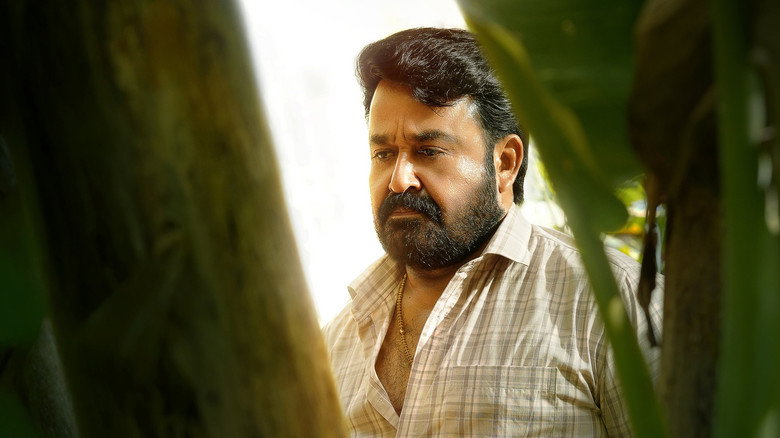
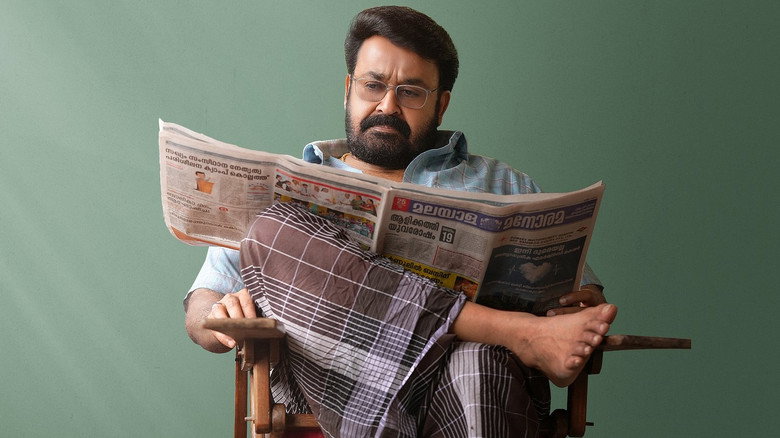
    The performance Mohanlal gives in Drishyam 3 as Georgekutty deserves critical attention beyond the usual vocabulary of praise. This is not a performance of range or intensity — it is a performance of precision, and precision of this order is rarer and more valuable than either.

    The supporting architecture of Drishyam 3 — inhabited by Mohanlal, Asha Sarath, Siddique, Meena — is the work of a director who casts against the assumption that supporting roles are less important than central ones. Jeethu Joseph has clearly not made that assumption, and the film’s credibility depends on the result.

    Esther Anil, Ansiba Hassan and Mohanlal, Meena, Siddique, Asha, Murali give Drishyam 3 its supporting credibility at the moments the narrative requires most from them. Neither performance announces its quality — both reward the attention a careful viewer will bring to them. This is the supporting work that serious Malayalam Thriller filmmaking tends to produce.

    Drishyam 3

    Directorial Method and Technical Achievement in Drishyam 3

    Jeethu Joseph directs Drishyam 3 from a position of creative authority that the crores production from Aashirvad Cinemas, Pen Studios reinforces rather than creates. The money is in service of a vision, not a substitute for one — a distinction that most Malayalam Thriller productions at this budget level fail to make.

    V S Vinayak cuts Drishyam 3 to 2 hr 37 mins with a precision that the film earns through the quality of its material. The editing is not decorative — it is argumentative, making claims about the film’s rhythm and pacing that the direction supports. The third act is the one place where those claims become harder to sustain.

    Drishyam 3 has been photographed with the understanding that cinematography in Thriller cinema is not embellishment — it is argument. Every compositional decision Jeethu Joseph makes in Drishyam 3 has a relationship to what the film is saying, not just to what it is showing.

    Drishyam 3

    Final Critical Assessment — Drishyam 3 by Jeethu Joseph

    Popularity at 3.6802 for Drishyam 3 is a market signal worth reading carefully. It suggests the film has found viewers beyond its natural critical constituency — which means Jeethu Joseph has made something that works at both the craft and entertainment level without compromising either.

    The audience has provided Drishyam 3 with 1000+ ratings averaging 7+ Stars. The critical question is not whether this score is deserved — it is — but what it tells us about the current state of Malayalam Thriller audience expectation. The answer is encouraging.

    Drishyam 3 is, on critical balance, one of the better Malayalam Crime, Thriller, Drama films of its season. Its limitations are real and have been noted. Its achievements — formal, performative, and thematic — are more substantial and less common. At 2h 37m, it warrants the attention it asks for.

    The critical record continues — find more films at this level of craft in our Malayalam review index.

    [egp_related_silo genre=’Thriller’ lang=’Malayalam’]
  • Kartavya (2026): Pulkit’s serious drama thrills with honest, grounded craft.

    Kartavya (2026): Pulkit’s serious drama thrills with honest, grounded craft.

    It is worth being precise about what Kartavya (2026) is and is not. It is a 104 minutes Hindi Drama, Thriller, Crime film from Pulkit and Red Chillies Entertainment, released May 15, 2026. It is not a perfect film. It is, however, a seriously made one — which in the current Hindi release landscape counts for considerably more.

    The 7 out of 10 consensus deserves neither uncritical celebration nor dismissal. It reflects a film that has connected with a broad audience without condescending to one — a balance that most Hindi Drama productions at this budget level fail to strike.

    Kartavya

    Structural Analysis: The Narrative of Kartavya

    Pulkit has written Kartavya around With his family’s safety at stake and menacing threats closing in, a… with a structural clarity that Pulkit honours rather than complicates. The result is a film whose intentions are legible throughout — which does not make it simple, but does make it honest.

    Pulkit’s script for Kartavya is built around a sense of place — India — that the crores investment from Red Chillies Entertainment allows Pulkit to realise properly. Films that underinvest in their settings ask their audiences to overlook the gap. Kartavya does not ask that.

    Kartavya is a tighter film for roughly two thirds of its runtime than the final act allows. The looseness that enters in the closing sequences is a screenwriting problem more than a directorial one — Pulkit has loaded the third act with material that competes rather than converges.

    Kartavya

    From Saif Ali Khan Down: A Critical Account of Kartavya’s Performances

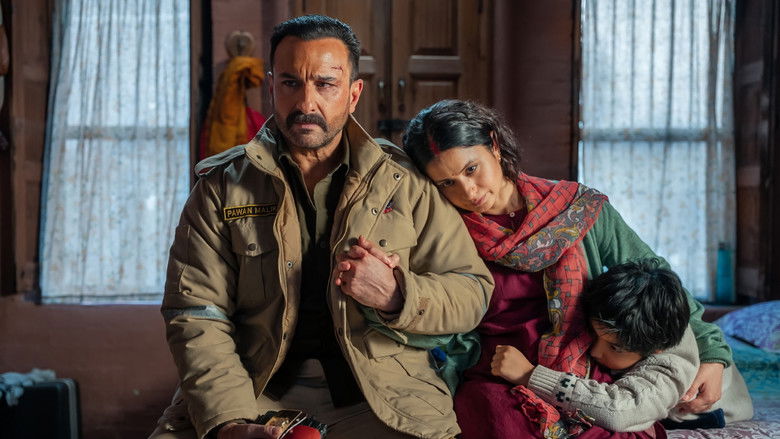
    Saif Ali Khan‘s work as Pawan Malik in Kartavya is the kind of screen acting that critics tend to undervalue because it does not offer obvious handles. There is no moment of theatrical release, no scene that announces itself as the performance’s centre. The centre is everywhere, consistently.

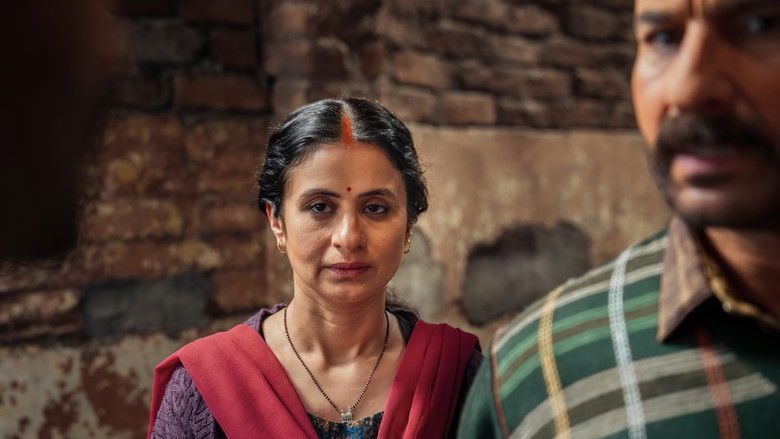
    The supporting architecture of Kartavya — inhabited by Rasika Dugal, Sanjay Mishra, Saurabh Dwivedi, Saif Ali Khan — is the work of a director who casts against the assumption that supporting roles are less important than central ones. Pulkit has clearly not made that assumption, and the film’s credibility depends on the result.

    The performances of Rasika Dugal and Saif, Rasika, Sanjay, Saurabh, Zakir in Kartavya are built on the principle that supporting roles in a well-directed film do not exist in isolation from its larger design. Both actors appear to understand the design they are supporting — which is precisely what makes their contributions to Kartavya valuable.

    Kartavya

    Critical Assessment of Kartavya’s Filmmaking

    Pulkit has made Kartavya as though the crores were a tool rather than a mandate. The Red Chillies Entertainment production funding appears to have been given with genuine creative latitude, and Pulkit has used that latitude to make decisions that serve the film rather than the investment.

    The editing of Kartavya by Zubin Sheikh at 1 hr 44 mins demonstrates what editorial intelligence looks like in service of a director who has made clear decisions. The rhythm is Pulkit‘s — Zubin Sheikh has found and sustained it, which is the editor’s proper function and the most demanding version of it.

    Pulkit has constructed the visual identity of Kartavya with the discipline of a filmmaker who understands that style without purpose is decoration. Every formal choice in Kartavya — the framing, the movement, the light — is answerable to the film’s larger intentions.

    Kartavya

    Kartavya (2026): A Critic’s Final Account

    The commercial reception of Kartavya — 0.8742 on the popularity index — confirms what the critical case for the film suggests: that Pulkit and Red Chillies Entertainment have made something that functions simultaneously as serious cinema and accessible entertainment. That achievement is rarer than either alone.

    The audience has provided Kartavya with 1000+ ratings averaging 7+ Stars. The critical question is not whether this score is deserved — it is — but what it tells us about the current state of Hindi Drama audience expectation. The answer is encouraging.

    Kartavya is the kind of Hindi Drama, Thriller, Crime film that reminds you why the form matters when it is practiced well. Pulkit has made something that will hold up to repeated viewing and continued critical attention. At 1h 44m, the investment is justified. The recommendation stands.

    The critical record continues — explore our complete 2026 Hindi critical archive.

    [egp_related_silo genre=’Drama’ lang=’Hindi’]
  • Karuppu (2026): RJ Balaji crafts a serious fantasy crime drama

    Karuppu (2026): RJ Balaji crafts a serious fantasy crime drama

    It is worth being precise about what Karuppu (2026) is and is not. It is a 152 minutes Tamil Fantasy, Drama, Crime film from RJ Balaji and Dream Warrior Pictures, released May 14, 2026. It is not a perfect film. It is, however, a seriously made one — which in the current Tamil release landscape counts for considerably more.

    The 7 out of 10 audience figure attached to Karuppu is consistent with a film doing something right at both the craft and entertainment level simultaneously. Films that achieve that alignment rarely see their scores erode as the audience grows — and Karuppu has not.

    Karuppu

    Structural Analysis: The Narrative of Karuppu

    Rahul Raj, Ashwin Ravichandran situates Karuppu in In a world where justice falters, a powerful guardian awakens. A superhuman… with a restraint that announces the film’s priorities early. This is not a screenplay interested in exploitation. It is interested in consequence — and RJ Balaji follows that interest throughout the 152 minutes runtime without flinching.

    The India setting of Karuppu is not pictorial — it is argumentative. Rahul Raj, Ashwin Ravichandran has written a story that means something different because of where it happens, and RJ Balaji films the crores production with the awareness that the location is doing narrative work, not just visual work.

    A more severe editor than R. Kalaivanan might have found twenty minutes in Karuppu’s final act that the film would be better without. What exists is not without merit — but the distinction between what is present and what is necessary becomes harder to sustain as the film approaches its conclusion.

    Karuppu

    The Performances That Make Karuppu Credible

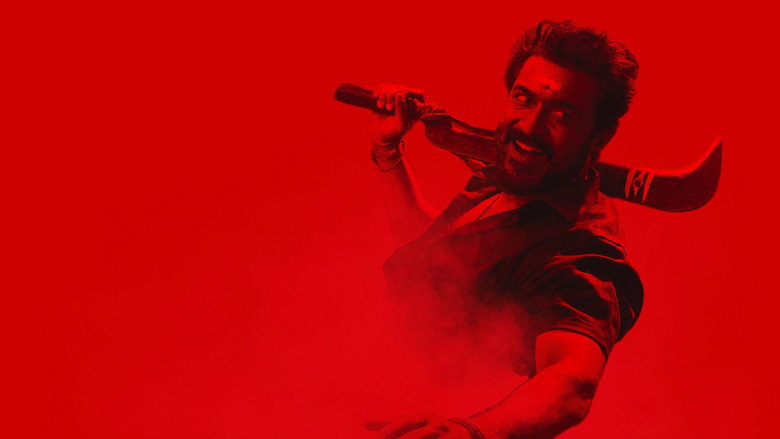
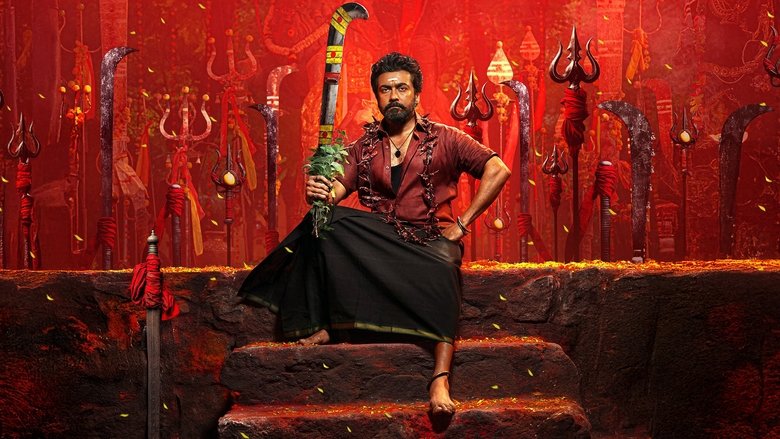
    The critical question about any central performance is whether it earns the film’s trust in it. Suriya‘s portrayal of Saravanan / Karuppu in Karuppu answers that question affirmatively from the first scene and does not revise that answer once across the full 152 minutes runtime.

    The supporting cast — Swasika, Trisha Krishnan, Suriya, RJ Balaji among them — has been directed by RJ Balaji with a clarity of expectation that produces uniformly credible work. These are not performances competing for attention. They are performances understanding their function within a larger design and executing it without ego.

    Trisha Krishnan, Swasika demonstrates in Karuppu what supporting performance looks like when an actor refuses to treat secondary status as a creative limitation. The role is not the film’s largest. The work done within it is among the film’s most exacting. Suriya, Trisha, RJ, Swasika, Natarajan meets the same standard through different means.

    Karuppu

    Direction, Editing, and Visual Intelligence in Karuppu (2026)

    The directorial intelligence of Karuppu is most legible in what RJ Balaji chooses not to do with the crores from Dream Warrior Pictures. The film does not expand to fill its resources — it focuses them, and that focus produces a visual and tonal precision that the Tamil Fantasy field rarely achieves at this scale.

    The editorial work of R. Kalaivanan on Karuppu at 2 hours 32 minutes reflects a collaboration with RJ Balaji that has produced a cut of real quality across most of the film’s duration. The final act is where the editing is working hardest and achieving least — a disproportion that a more severe pass might have corrected.

    The production design of Karuppu operates at the level of the screenplay — it is making interpretive choices, not illustrative ones. Combined with the cinematography and the India location work, it produces a film whose visual surface and intellectual content are in genuine alignment.

    Karuppu

    Final Critical Assessment — Karuppu by RJ Balaji

    The commercial reception of Karuppu — 4.053 on the popularity index — confirms what the critical case for the film suggests: that RJ Balaji and Dream Warrior Pictures have made something that functions simultaneously as serious cinema and accessible entertainment. That achievement is rarer than either alone.

    1000+ audience votes and 7+ Stars. The mathematics are clear. Karuppu has produced a consistent experience across a very large and diverse audience — which is the only audience verdict that a critic should treat as meaningful evidence about the film’s actual quality.

    Karuppu does not resolve all the problems it sets itself. What it does — with 2h 32m of carefully made Tamil Drama, Fantasy, Crime cinema — is demonstrate that RJ Balaji is a filmmaker worth following and that the form itself still has critical territory worth exploring.

    The critical record continues — find every film directed by RJ Balaji that we have reviewed.

    [egp_related_silo genre=’Fantasy’ lang=’Tamil’]
  • Dridam (2026): Martin Joseph’s taut thriller proves restraint is a virtue.

    Dridam (2026): Martin Joseph’s taut thriller proves restraint is a virtue.

    Martin Joseph has made Dridam (2026) with the economy of a filmmaker who knows that restraint is harder to achieve than spectacle. At 126 minutes, this Malayalam Thriller, Crime production from E4 Experiments arrived on May 8, 2026 and made the case that the form still has something to say.

    The 7 out of 10 audience figure attached to Dridam is consistent with a film doing something right at both the craft and entertainment level simultaneously. Films that achieve that alignment rarely see their scores erode as the audience grows — and Dridam has not.

    Dridam

    What Dridam Says and How It Chooses to Say It

    The first act of Dridam establishes A police officer arrives at a seemingly peaceful station but faces pressure… with the economy of a Linto Devasia, Jomon John script that knows its own purpose. There is no throat-clearing, no unnecessary scene-setting — Martin Joseph is in the material from the first frame, and the film benefits from that directness.

    Linto Devasia, Jomon John has rooted Dridam in India with the understanding that geography is not neutral in Crime storytelling. The crores production from E4 Experiments gives Martin Joseph access to the actual locations the script requires — and the film’s credibility depends on that access.

    The structural weakness of Dridam is localised in its final act, where Linto Devasia, Jomon John’s script accumulates more than it resolves. Martin Joseph manages the excess with skill — the film does not collapse — but a more rigorous edit would have clarified what the narrative is ultimately arguing.

    Performance Under Scrutiny: The Cast of Dridam

    Shane Nigam‘s work as SI Vijay Radhakrishnan in Dridam is the kind of screen acting that critics tend to undervalue because it does not offer obvious handles. There is no moment of theatrical release, no scene that announces itself as the performance’s centre. The centre is everywhere, consistently.

    The relationship between Shane Nigam‘s central performance and the ensemble of Nandan Unni, Shobi Thilakan, Shane Nigam, Krishna Prabha in Dridam is the relationship between a soloist and an orchestra that has learned not to overplay. The balance is Martin Joseph‘s achievement, and it holds across the full runtime of Dridam.

    The supporting contributions of Sreedhanya Thekkedath, Krishna Prabha in Dridam represent the film at its most precisely observed. Their scenes carry a weight that the screenplay describes in outline and the performance fills in completely. Shane, Krishna, Shobi, Nandan, Kottayam operates with comparable precision in a different register — the supporting cast as a whole does not have a weak point.

    How Martin Joseph Has Solved the Technical Problems of Dridam

    Martin Joseph has brought to Dridam a formal sensibility that the crores production from E4 Experiments makes visible but does not explain. The choices are directorial, not budgetary — which is the correct hierarchy and the one that most commercial productions invert.

    V S Vinayak assembles Dridam at 2 hours 6 minutes with the editorial maturity that the film’s tonal ambitions require. The cut does not hurry what needs time and does not linger where the scene has concluded — a discipline that holds throughout Dridam with only the final act offering grounds for critical reservation.

    The technical coherence of Dridam across its 2h 6m runtime reflects a production in which every department received the same creative brief and interpreted it faithfully. The result is a film that does not read as assembled but as conceived — which is the standard all serious Malayalam Crime cinema should aspire to.

    Assessing Dridam: Where It Stands in the Malayalam Crime Field

    The 0.7308 popularity index for Dridam reflects an audience that did not need the film to simplify itself in order to engage with it. That this particular film — directed with Martin Joseph‘s degree of formal intention — scores at 0.7308 is the more interesting commercial data point.

    The audience has provided Dridam with 1000+ ratings averaging 7+ Stars. The critical question is not whether this score is deserved — it is — but what it tells us about the current state of Malayalam Crime audience expectation. The answer is encouraging.

    Dridam is, on critical balance, one of the better Malayalam Thriller, Crime films of its season. Its limitations are real and have been noted. Its achievements — formal, performative, and thematic — are more substantial and less common. At 2h 6m, it warrants the attention it asks for.

    The critical record continues — see all Crime films from E4 Experiments we have assessed.

    [egp_related_silo genre=’Crime’ lang=’Malayalam’]
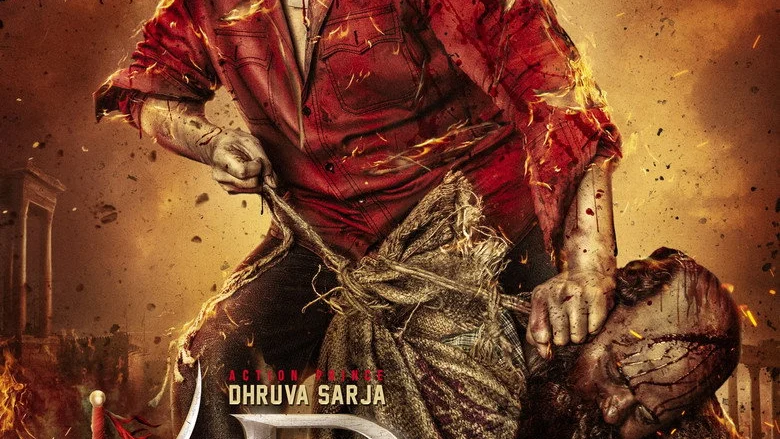
  • KD – The Devil (2026): Prem’s disciplined direction elevates a familiar crime saga.

    KD – The Devil (2026): Prem’s disciplined direction elevates a familiar crime saga.

    The Kannada Action, History, Crime film has a persistent problem with ambition outrunning execution. KD – The Devil (2026), directed by Prem for KVN Productions, is not that film. Released April 30, 2026 at 2+ Hours, it is disciplined where the genre is usually indulgent — and the difference is considerable.

    A 7 out of 10 from the audience is, in this case, a more meaningful figure than it might appear. KD – The Devil is not a film engineered for mass satisfaction. That it achieves 7 out of 10 while maintaining its creative integrity is the more interesting data point.

    KD – The Devil

    The Story KD – The Devil (2026) Is Telling — And How Well It Tells It

    The screenplay by Vijay Eshwar, Prem builds KD – The Devil around In the early 1970s, a petty criminal Kaali unwittingly involves himself with… — a premise that functions on its surface as a Action mechanism and beneath it as something more considered. Prem is alert to both registers and directs with an awareness of the distance between them.

    Produced across India at crores, KD – The Devil carries the authority of genuine location. This matters because Vijay Eshwar, Prem’s script makes demands of its setting that a studio approximation could not meet. Prem and KVN Productions understood that, and the film is stronger for the decision.

    The structural weakness of KD – The Devil is localised in its final act, where Vijay Eshwar, Prem’s script accumulates more than it resolves. Prem manages the excess with skill — the film does not collapse — but a more rigorous edit would have clarified what the narrative is ultimately arguing.

    Acting in KD – The Devil (2026): What Holds and What Does Not

    Dhruva Sarja brings to Kaalidasa in KD – The Devil a quality that the screenplay points toward but cannot guarantee: interiority. The character’s inner life is visible without being stated, communicated through an accumulation of small choices that a less disciplined actor would not have made and most audiences will not consciously notice.

    The relationship between Dhruva Sarja‘s central performance and the ensemble of Shilpa Shetty Kundra, Dhruva Sarja, Reeshma Nanaiah, Sanjay Dutt in KD – The Devil is the relationship between a soloist and an orchestra that has learned not to overplay. The balance is Prem‘s achievement, and it holds across the full runtime of KD – The Devil.

    The performances of Shilpa Shetty Kundra, Nora Fatehi and Dhruva, Shilpa, Sanjay, Reeshma, V. in KD – The Devil are built on the principle that supporting roles in a well-directed film do not exist in isolation from its larger design. Both actors appear to understand the design they are supporting — which is precisely what makes their contributions to KD – The Devil valuable.

    The Craft Argument for KD – The Devil (2026)

    The technical achievement of KD – The Devil begins with the relationship between Prem and the crores that KVN Productions committed to the production. That relationship — of filmmaker leading and resources following — is what gives KD – The Devil its coherence.

    The editing of KD – The Devil by Sanketh Achar at 2+ Hours demonstrates what editorial intelligence looks like in service of a director who has made clear decisions. The rhythm is Prem‘s — Sanketh Achar has found and sustained it, which is the editor’s proper function and the most demanding version of it.

    The technical coherence of KD – The Devil across its 2+ Hours runtime reflects a production in which every department received the same creative brief and interpreted it faithfully. The result is a film that does not read as assembled but as conceived — which is the standard all serious Kannada Action cinema should aspire to.

    Reception, Evaluation, and Recommendation — KD – The Devil (2026)

    The 0.8051 popularity index for KD – The Devil reflects an audience that did not need the film to simplify itself in order to engage with it. That this particular film — directed with Prem‘s degree of formal intention — scores at 0.8051 is the more interesting commercial data point.

    The 7+ Stars from 1000+ audience reviews constitutes the clearest available evidence that KD – The Devil has succeeded on its own terms. Not the terms of the market, not the terms of the genre — the terms that Prem established for this film specifically.

    KD – The Devil is, on critical balance, one of the better Kannada Crime, Action, History films of its season. Its limitations are real and have been noted. Its achievements — formal, performative, and thematic — are more substantial and less common. At 2+ Hours, it warrants the attention it asks for.

    The critical record continues — find more films at this level of craft in our Kannada review index.

    [egp_related_silo genre=’Action’ lang=’Kannada’]
  • Kara (2026): Vignesh Raja’s craft grounds a raw, intelligent crime thriller.

    Kara (2026): Vignesh Raja’s craft grounds a raw, intelligent crime thriller.

    Kara (2026) arrives on April 30, 2026 with fewer promises than most Tamil Crime, Thriller releases and keeps more of them. Vignesh Raja and Vels Film International, Think Studios have made a 161 minutes film that earns its craft credentials rather than assuming them.

    A 7 out of 10 from the audience is, in this case, a more meaningful figure than it might appear. Kara is not a film engineered for mass satisfaction. That it achieves 7 out of 10 while maintaining its creative integrity is the more interesting data point.

    Kara

    What Kara Says and How It Chooses to Say It

    The screenplay by Alfred Prakash, Vignesh Raja builds Kara around A man shaped by violence and survival finds himself pulled back into… — a premise that functions on its surface as a Thriller mechanism and beneath it as something more considered. Vignesh Raja is alert to both registers and directs with an awareness of the distance between them.

    Alfred Prakash, Vignesh Raja’s script for Kara is built around a sense of place — India — that the crores investment from Vels Film International, Think Studios allows Vignesh Raja to realise properly. Films that underinvest in their settings ask their audiences to overlook the gap. Kara does not ask that.

    Alfred Prakash, Vignesh Raja has written a conclusion for Kara that reaches for more than the 161 minutes runtime can fully accommodate. Vignesh Raja executes it with care, but care cannot substitute for the structural discipline the final act lacks. The film arrives at its destination — the route is longer than necessary.

    Kara

    The Performances That Make Kara Credible

    The critical question about any central performance is whether it earns the film’s trust in it. Dhanush‘s portrayal of Karasaami in Kara answers that question affirmatively from the first scene and does not revise that answer once across the full 161 minutes runtime.

    The supporting cast — Dhanush, Suraj Venjaramoodu, Mamitha Baiju, K. S. Ravikumar among them — has been directed by Vignesh Raja with a clarity of expectation that produces uniformly credible work. These are not performances competing for attention. They are performances understanding their function within a larger design and executing it without ego.

    The supporting contributions of Sreeja Ravi, Mamitha Baiju in Kara represent the film at its most precisely observed. Their scenes carry a weight that the screenplay describes in outline and the performance fills in completely. Dhanush, Mamitha, K., Suraj, Karunas operates with comparable precision in a different register — the supporting cast as a whole does not have a weak point.

    Kara

    Direction, Editing, and Visual Intelligence in Kara (2026)

    Vignesh Raja has made Kara as though the crores were a tool rather than a mandate. The Vels Film International, Think Studios production funding appears to have been given with genuine creative latitude, and Vignesh Raja has used that latitude to make decisions that serve the film rather than the investment.

    Sreejith Sarang cuts Kara to 2 hr 41 mins with a precision that the film earns through the quality of its material. The editing is not decorative — it is argumentative, making claims about the film’s rhythm and pacing that the direction supports. The third act is the one place where those claims become harder to sustain.

    The production design of Kara operates at the level of the screenplay — it is making interpretive choices, not illustrative ones. Combined with the cinematography and the India location work, it produces a film whose visual surface and intellectual content are in genuine alignment.

    Kara

    Kara (2026): A Critic’s Final Account

    The 3.1959 score on Kara deserves neither critical dismissal nor uncritical celebration. What it indicates is that a film made with genuine intention has reached a genuinely large audience — and that those viewers have responded to the intention as well as the entertainment.

    Across 1000+ logged responses, Kara holds 7+ Stars — a figure that has not eroded as the audience has widened beyond the film’s initial constituency. This stability is the critical signal that matters: the film’s quality does not depend on who is watching it.

    The critical recommendation for Kara is unambiguous: watch it, and watch it with the attention that Vignesh Raja‘s direction and Dhanush‘s performance deserve. 2h 41m of serious Tamil Crime, Thriller filmmaking at this level is not available every season.

    The critical record continues — find more films at this level of craft in our Tamil review index.

    [egp_related_silo genre=’Thriller’ lang=’Tamil’]
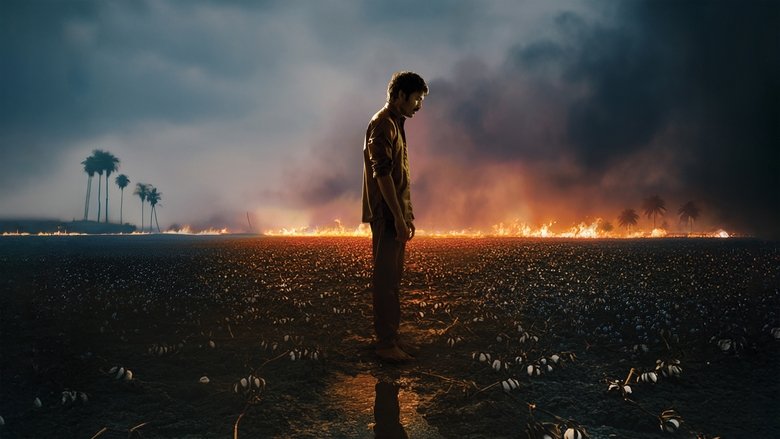
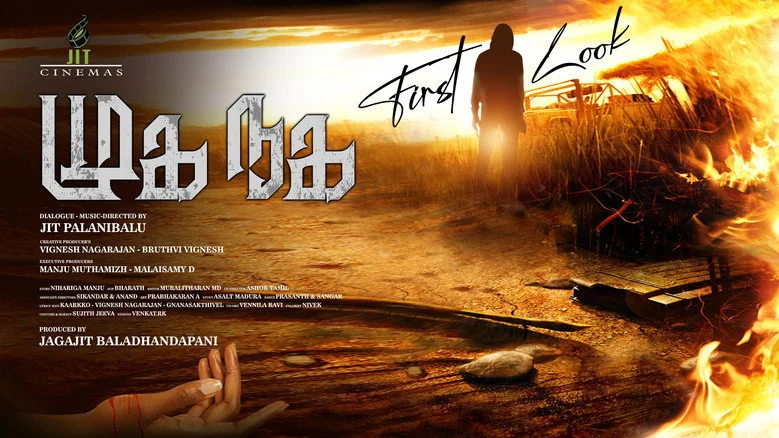
  • MUGA NAGA (2026): Jit Palanibalu’s restrained crime film rewards patient viewers

    MUGA NAGA (2026): Jit Palanibalu’s restrained crime film rewards patient viewers

    Jit Palanibalu has made MUGA NAGA (2026) with the economy of a filmmaker who knows that restraint is harder to achieve than spectacle. At 110 minutes, this Tamil Thriller, Crime production from Unknown arrived on March 27, 2026 and made the case that the form still has something to say.

    The 7 out of 10 audience score is worth contextualising. It reflects a large number of viewers who arrived with mainstream expectations and found a film that exceeded them — which is the most useful kind of positive reception a serious Tamil Crime film can generate.

    MUGA NAGA

    Narrative Discipline and Its Limits in MUGA NAGA

    Nihariga Manju, Jit Palanibalu situates MUGA NAGA in When a person, driven by self-hatred and inner pain, harms others and… with a restraint that announces the film’s priorities early. This is not a screenplay interested in exploitation. It is interested in consequence — and Jit Palanibalu follows that interest throughout the 110 minutes runtime without flinching.

    Nihariga Manju, Jit Palanibalu has rooted MUGA NAGA in India with the understanding that geography is not neutral in Crime storytelling. The 1+ Crores production from Unknown gives Jit Palanibalu access to the actual locations the script requires — and the film’s credibility depends on that access.

    MUGA NAGA is a tighter film for roughly two thirds of its runtime than the final act allows. The looseness that enters in the closing sequences is a screenwriting problem more than a directorial one — Nihariga Manju, Jit Palanibalu has loaded the third act with material that competes rather than converges.

    From Anish Down: A Critical Account of MUGA NAGA’s Performances

    The performance Anish gives in MUGA NAGA as Rocky deserves critical attention beyond the usual vocabulary of praise. This is not a performance of range or intensity — it is a performance of precision, and precision of this order is rarer and more valuable than either.

    Jit Palanibalu, Parvathy, Karate Raja, Anish operate in the supporting register of MUGA NAGA with the discipline of a cast that has been given a coherent brief and followed it. The ensemble does not introduce tonal inconsistency at any point — which, given the number of individual performances that comprise it, is a significant directorial achievement.

    The performances of and Anish, Parvathy, Jit, Karate, Ashok in MUGA NAGA are built on the principle that supporting roles in a well-directed film do not exist in isolation from its larger design. Both actors appear to understand the design they are supporting — which is precisely what makes their contributions to MUGA NAGA valuable.

    How Jit Palanibalu Has Solved the Technical Problems of MUGA NAGA

    Jit Palanibalu has made MUGA NAGA as though the 1+ Crores were a tool rather than a mandate. The Unknown production funding appears to have been given with genuine creative latitude, and Jit Palanibalu has used that latitude to make decisions that serve the film rather than the investment.

    The 1 hr 50 mins edit from Muralitharan MD is the product of a genuine understanding of what MUGA NAGA requires at the level of pace and internal logic. The film’s rhythm is established early and maintained consistently — the loosening in the final act is a screenplay problem that editing can mitigate but not solve.

    The technical coherence of MUGA NAGA across its 1h 50m runtime reflects a production in which every department received the same creative brief and interpreted it faithfully. The result is a film that does not read as assembled but as conceived — which is the standard all serious Tamil Crime cinema should aspire to.

    The Critical Verdict on MUGA NAGA — What It Achieves and What It Does Not

    A popularity index of 0.0362 for a Tamil Crime film of MUGA NAGA’s ambition is the kind of figure that should provoke a reassessment of assumptions about what this audience will and will not support. Jit Palanibalu has not made a compromise — and the market has not punished the refusal.

    The 7+ Stars consensus from 1000+ audience reviews is the audience’s collective answer to the question of whether MUGA NAGA delivers. The answer is affirmative, consistent, and built across a sample large enough to be treated as evidence rather than indication.

    The final critical position on MUGA NAGA is this: it is a film made by people who cared about what they were making, and the evidence of that care is visible in the finished work. At 1h 50m of Tamil Thriller, Crime cinema, that is not a small claim. It is, in the current landscape, a significant one.

    The critical record continues — explore our critical catalogue of Tamil releases from 2026.

    [egp_related_silo genre=’Crime’ lang=’Tamil’]
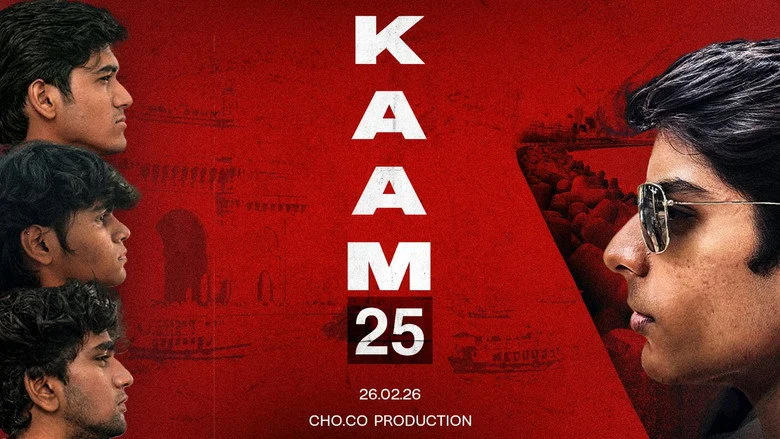
  • KAAM 25 (2026): Chinmay Dadhich and Vedant Bhosale deliver disciplined crime craft.

    KAAM 25 (2026): Chinmay Dadhich and Vedant Bhosale deliver disciplined crime craft.

    The Hindi Crime film has a persistent problem with ambition outrunning execution. KAAM 25 (2026), directed by chinmay dadhich, Vedant Bhosale for cho.co productions, is not that film. Released February 28, 2026 at 16 minutes, it is disciplined where the genre is usually indulgent — and the difference is considerable.

    That 7 out of 10 on KAAM 25 is the score of a film that chose its audience correctly and served them honestly. In a field where ratings are frequently manufactured by opening weekend enthusiasm, a settled score built over time carries considerably more critical weight.

    KAAM 25

    The Story KAAM 25 (2026) Is Telling — And How Well It Tells It

    chinmay dadhich, Vedant Bhosale situates KAAM 25 in A story where 3 ambitious small time gangsters set up a deal… with a restraint that announces the film’s priorities early. This is not a screenplay interested in exploitation. It is interested in consequence — and chinmay dadhich, Vedant Bhosale follows that interest throughout the 16 minutes runtime without flinching.

    The decision to film KAAM 25 in India is not a production convenience — it is an argument. chinmay dadhich, Vedant Bhosale’s screenplay is written from the inside of a specific cultural context, and the 0+ Crores that cho.co productions committed ensures chinmay dadhich, Vedant Bhosale could honour that context rather than merely approximate it.

    chinmay dadhich, Vedant Bhosale has written a conclusion for KAAM 25 that reaches for more than the 16 minutes runtime can fully accommodate. chinmay dadhich, Vedant Bhosale executes it with care, but care cannot substitute for the structural discipline the final act lacks. The film arrives at its destination — the route is longer than necessary.

    Cast Assessment — KAAM 25: Rigorous and Fair

    What Avinash bahukhandi achieves as nepali in KAAM 25 is the suppression of performance itself. You do not watch them act — you watch nepali exist. The distinction is the difference between craft and technique, and Avinash bahukhandi is operating at the former level throughout.

    Parth tayde, tanmay patole, shlok khatu, Avinash bahukhandi give KAAM 25 the kind of supporting performances that the film’s central argument requires — specific, grounded, and free of the self-consciousness that afflicts actors who know they are being watched. chinmay dadhich, Vedant Bhosale has created the conditions for unselfconscious work and the cast has delivered it.

    The critical undervaluation of supporting performance is a persistent problem in reviews of films like KAAM 25. The work of and Avinash, Parth, tanmay, shlok, chinmay in KAAM 25 is a corrective to that habit — both deliver performances of a quality that the film’s overall standard requires and that the final result depends on.

    The Craft Argument for KAAM 25 (2026)

    The technical achievement of KAAM 25 begins with the relationship between chinmay dadhich, Vedant Bhosale and the 0+ Crores that cho.co productions committed to the production. That relationship — of filmmaker leading and resources following — is what gives KAAM 25 its coherence.

    The editorial work of Vedant Bhosale, chinmay dadhich on KAAM 25 at 16 minutes reflects a collaboration with chinmay dadhich, Vedant Bhosale that has produced a cut of real quality across most of the film’s duration. The final act is where the editing is working hardest and achieving least — a disproportion that a more severe pass might have corrected.

    The production design of KAAM 25 operates at the level of the screenplay — it is making interpretive choices, not illustrative ones. Combined with the cinematography and the India location work, it produces a film whose visual surface and intellectual content are in genuine alignment.

    Assessing KAAM 25: Where It Stands in the Hindi Crime Field

    The commercial reception of KAAM 25 — 0.0495 on the popularity index — confirms what the critical case for the film suggests: that chinmay dadhich, Vedant Bhosale and cho.co productions have made something that functions simultaneously as serious cinema and accessible entertainment. That achievement is rarer than either alone.

    1000+ audience votes and 7+ Stars. The mathematics are clear. KAAM 25 has produced a consistent experience across a very large and diverse audience — which is the only audience verdict that a critic should treat as meaningful evidence about the film’s actual quality.

    KAAM 25 does not resolve all the problems it sets itself. What it does — with 16m of carefully made Hindi Crime cinema — is demonstrate that chinmay dadhich, Vedant Bhosale is a filmmaker worth following and that the form itself still has critical territory worth exploring.

    The critical record continues — read our broader critical coverage of Hindi cinema this season.

    [egp_related_silo genre=’Crime’ lang=’Hindi’]
  • Ballerina (2025) Movie Movies4u

    Ballerina (2025) Movie Movies4u

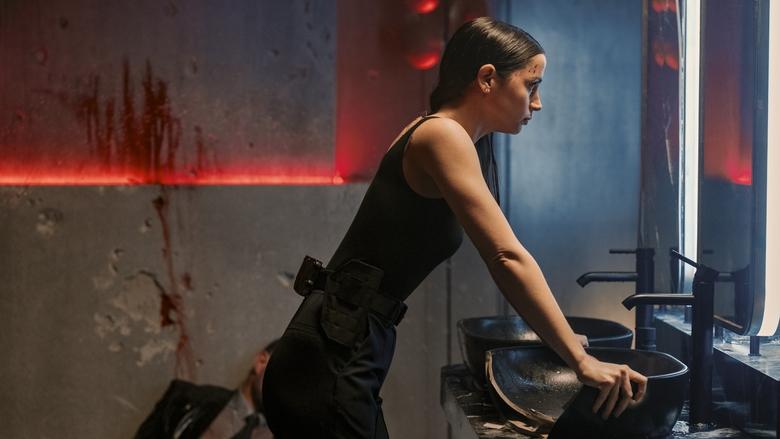
    The John Wick universe expands with Ballerina, a thrilling spinoff that brings fresh energy to the beloved action franchise. Directed by Len Wiseman and starring Ana de Armas in the lead role, this 2025 release takes audiences on a revenge-fueled journey through the same stylized world of assassins.

    Film Title:Ballerina
    Main Cast:Keanu Reeves, Ana de Armas, Anjelica Huston
    Film Duration:2h 5m
    Category:Action, Crime, Thriller
    Primary Star:Ana de Armas
    Studio:Thunder Road, 87Eleven
    Premiere Date:June 4, 2025
    Filmmaker:Len Wiseman
    Ballerina

    The film features an impressive ensemble cast including Keanu Reeves reprising his iconic role as John Wick, alongside Ian McShane and Anjelica Huston. Set within the intricate underworld of the Continental Hotel, Ballerina serves as both a spinoff and spiritual successor to the John Wick films.

    Ballerina Movie Actors

    ActorCharacter
    Gabriel ByrneThe Chancellor
    Sharon Duncan-BrewsterNogi
    Ana de ArmasEve Macarro
    Anjelica HustonThe Director
    Lance ReddickCharon
    Catalina Sandino MorenoLena
    Ian McShaneWinston
    Norman ReedusDaniel Pine
    Keanu ReevesJohn Wick
    Robert MaaserDex
    Ballerina
    Ballerina
    Ballerina

    Plot and Storyline

    The story centers around Eve Macarro, whose life is shattered when her father, a member of the Ruska Roma crime syndicate, is murdered. Trained in the deadly arts of assassination from a young age, Eve embarks on a relentless quest for revenge.

    The screenplay weaves together multiple storylines, connecting Eve’s personal vendetta with larger conflicts within the assassin community. The film explores themes of family, loyalty, and the cost of violence while maintaining the breakneck pace audiences expect.
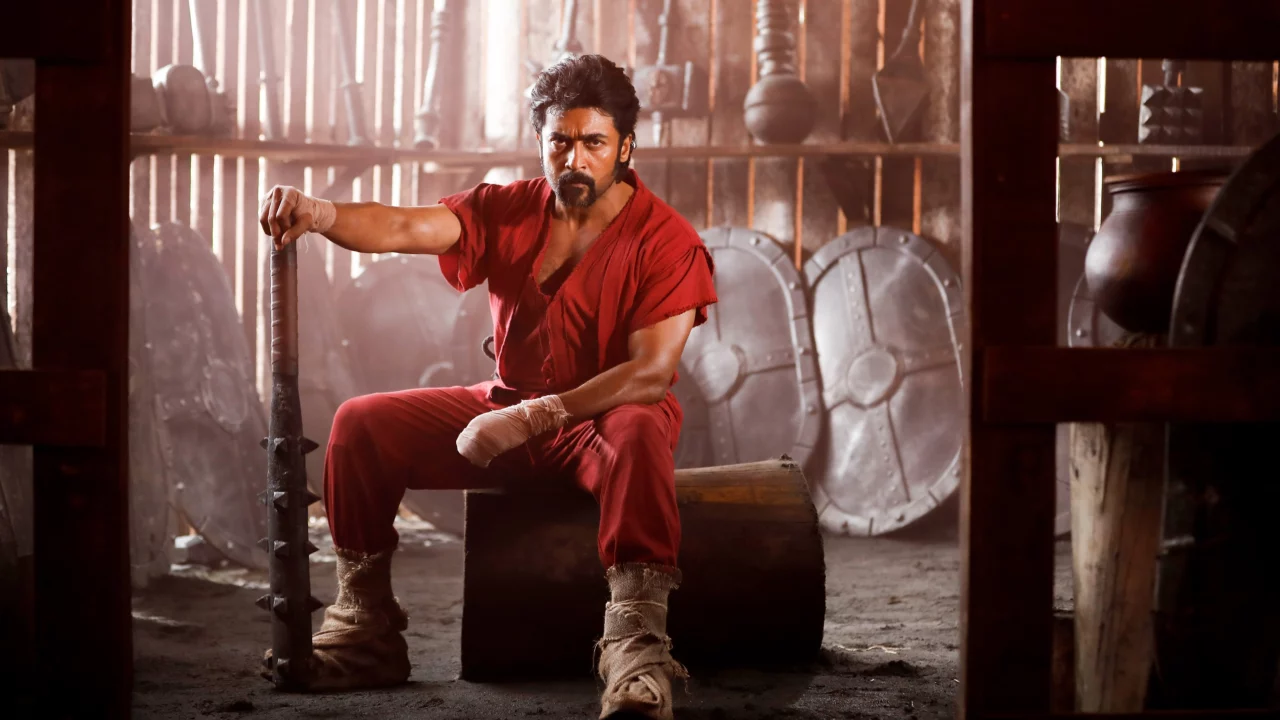
    Cast Performance

    Ana de Armas delivers a powerhouse performance as Eve Macarro, proving she can carry an action franchise with intensity and charisma. Her portrayal balances the character’s lethal skills with emotional depth, creating a protagonist who is both sympathetic and terrifying.

    Keanu Reeves’ return as John Wick provides crucial continuity and gravitas to the film. Ian McShane reprises his role as Winston with characteristic wit, while Anjelica Huston returns as the Director, bringing depth to the Ruska Roma storyline.

    Direction and Cinematography

    Director Len Wiseman brings his experience with stylized action cinema to the John Wick universe. His direction maintains the franchise’s signature aesthetic while introducing his own visual flourishes and pacing.

    The film’s action sequences are meticulously choreographed and shot with attention to detail that made the original films legendary. Wiseman creates visually stunning set pieces that showcase de Armas’ physicality while maintaining the franchise’s commitment to practical effects.

    Critical Reception and Ratings

    Ballerina received generally positive reviews from critics. On Rotten Tomatoes, 76% of 241 critics gave positive reviews, though this places it as the second-lowest score in the franchise.

    However, the film performed significantly better with audiences, with Ballerina holding the record for the highest-rated Rotten Tomatoes audience score for the John Wick franchise. The film earned a 7.3 rating on IMDb, indicating solid audience appreciation.

    Box Office Performance

    The film earned $3.75 million from Thursday previews and debuted to $24.5 million, finishing second behind Lilo & Stitch. The film grossed $57 million worldwide, representing solid performance for a spinoff film.

    The international box office showed particular strength, with audiences embracing Ana de Armas’ take on the assassin world. The performance indicates strong appetite for more stories in this universe.

    What I Liked

    I found Ballerina’s action sequences to be the film’s greatest strength, maintaining the franchise’s reputation for innovative choreography. Ana de Armas proves herself more than capable of anchoring an action franchise, bringing both physical prowess and emotional depth.

    The integration of ballet elements into fight choreography creates unique and memorable action moments that feel fresh. I appreciated how the film successfully expands the mythology of the John Wick universe without feeling disconnected from the main series.

    The production values remain high throughout, with excellent practical effects and set pieces that maintain the franchise’s visual standards. The return of key franchise players helps ground the new story effectively.

    Areas for Improvement

    While Ballerina delivers on action, I felt the revenge plot was somewhat formulaic. The story beats are predictable, and the film occasionally feels like it’s following a template rather than breaking new ground.

    I noticed pacing issues that slow down momentum, particularly in the middle act where the film balances character development with action. Some quieter moments feel less confident than the action sequences.

    The film’s runtime could have been tightened, with some subplot elements feeling underdeveloped. Certain elements feel like setup for future films rather than serving the current story.

    Technical Excellence

    The film’s sound design and musical score maintain high standards set by the franchise. The gunplay sounds visceral while hand-to-hand combat has appropriate weight and impact.

    Costume design deserves special mention for incorporating both ballet elegance and practical action needs. The weapon design and choreography continue the franchise tradition of making violence feel both beautiful and deadly.
    Final Verdict

    From the World of John Wick: Ballerina succeeds as entertaining action cinema that expands the beloved franchise while introducing a compelling new protagonist. While it may not reach the heights of the best John Wick films, it offers spectacular action and strong performances.

    Ana de Armas proves herself worthy of carrying the franchise forward, and the film opens interesting possibilities for future stories. The movie delivers what audiences expect – stylized violence, innovative choreography, and practical effects over CGI spectacle.

    For action movie fans and John Wick lovers, Ballerina provides a worthy addition that maintains core appeal while successfully expanding scope. It’s a film that knows exactly what it wants to be and delivers with style and conviction.

  • HIT: The Third Case (2025) Movie Movies4u

    HIT: The Third Case (2025) Movie Movies4u

    HIT: The Third Case marks the continuation of director Sailesh Kolanu’s thriller franchise, bringing back the intensity that defined its predecessors. This 2025 Telugu-language action thriller serves as the third installment following HIT: The Second Case (2022), expanding the universe with a fresh narrative.

    Film Title:HIT: The Third Case
    Main Cast:Srinidhi Shetty, Nani, Komalee Prasad
    Film Duration:2h 37m
    Category:Thriller, Crime, Action
    Primary Star:Nani
    Studio:Wall Poster Cinema, Unanimous Productions
    Premiere Date:April 30, 2025
    Filmmaker:Sailesh Kolanu
    HIT: The Third Case

    The movie features Nani in the lead role as Arjun Sarkaar, supported by Srinidhi Shetty, with appearances from Karthi and Adivi Sesh. Produced by Wall Poster Cinema and Unanimous Productions, the film brings together cinematographer Sanu John Varghese and music director Mickey J. Meyer.

    HIT: The Third Case Movie Actors

    ActorCharacter
    Srinidhi ShettyMrudula
    Surya SrinivasRavi
    Prateik Smita PatilAlpha
    NaniArjun Sarkaar
    SamuthirakaniArjun Sarkar’s father
    Komalee PrasadVarsha
    Adil PalaZubair Ahmed Khan
    Amit SharmaJaipur Killer
    Chaitu JonnalagaddaDiwakar
    Rao RameshNageswara Rao
    HIT: The Third Case
    HIT: The Third Case
    HIT: The Third Case

    Plot and Storyline

    The story takes a bold creative leap from its predecessors, transforming from a methodical thriller into a high-octane action spectacle. The Homicide Intervention Team (HIT) sends officer Arjun Sarkaar to find a group of killers and stop their murder spree.

    The film takes audiences through a genre blend reminiscent of Kill Bill and John Wick, incorporating thriller elements with Indian romance. The plot reveals a darker, more violent approach compared to the franchise’s earlier entries, diving deep into themes of vengeance and justice.

    Cast Performance

    Nani delivers a career-defining performance as Arjun Sarkaar, showcasing range from detective work to intense physical confrontations. Critics praised Nani’s performance despite criticizing other story aspects. His transformation to this more aggressive character demonstrates his versatility as an actor.

    Srinidhi Shetty provides strong support as the female lead, bringing emotional depth to her role. The supporting cast, including Rao Ramesh, Samuthirakani, and Komalee Prasad, each contribute meaningfully to the narrative.

    Direction and Technical Aspects

    Sailesh Kolanu’s direction represents both evolution and departure from his previous HIT franchise work. The film lacks the precision expected of a gripping thriller, instead playing out like a cross between Squid Game-style survival drama and typical mass-action film.

    Sanu John Varghese’s cinematography captures both intimate character moments and large-scale action sequences with equal skill. The visual presentation was highly appealing with Mickey J. Meyer’s music during the final act providing a memorable experience.

    What I Liked and What Could Be Better

    What Works I found the film succeeds in creating a visceral, intense viewing experience that pushes Telugu cinema’s action boundaries. Nani’s performance shows him embracing full-fledged violence, creating scenes that are both shocking and compelling.

    The visual presentation maintains high production values throughout, creating a cinematic experience that feels international in scope. The connection to the broader HIT universe provides satisfaction for franchise fans.

    Areas for Improvement In my opinion, the film lacks emotional depth needed to justify its violence, failing to establish clear genre identity. The shift from methodical investigation to intense action may disappoint fans who loved the franchise’s original approach.

    I noticed the film includes excessive slow-motion hero shots and relentless fight sequences that sometimes overshadow the psychological elements. The balance between character development and action spectacle needed better management.

    Critical Reception and Ratings

    Professional Reviews The film received mixed reviews from critics, with most acknowledging Nani’s committed performance while expressing concerns about the franchise direction. 123telugu.com rated the film 3.25/5, representing a generally positive but reserved response.

    IMDb users rated the film 7.0/10, indicating audiences responded more positively than critics to the action-heavy approach. The rating suggests while it may not satisfy all expectations, it succeeds as entertaining action thriller.

    Audience Response Public reception has been notably mixed, with action film fans praising the intensity and visual spectacle, while thriller fans expressed disappointment with the departure from investigative roots.

    Box Office Performance

    HIT: The Third Case achieved the franchise’s biggest opening with Rs 18 crore net in India, significantly outperforming HIT: The Second Case which managed only Rs 6.4 crore opening day. The film emerged as the fourth highest-grossing Telugu film of 2025.

    The film moved toward the Rs 60 crore mark at domestic box office, with collections reaching approximately Rs 53.72 crore by day 5. The strong performance indicates audiences responded positively to the action-oriented approach.

    Future Prospects

    A sequel, HIT: The Fourth Case, has been announced, suggesting the franchise will continue despite mixed critical reception. The commercial success provides a strong foundation for future development.

    The film’s impact on the HIT franchise appears significant, establishing a new template that balances investigation with high-octane action. This approach could influence how future installments are developed.

    Final Verdict

    HIT: The Third Case represents a bold evolution for the franchise. While it may not satisfy all expectations, it succeeds in creating a unique viewing experience that pushes Telugu action cinema boundaries.

    Nani’s committed performance, combined with strong technical execution, creates a film that works as an intense action thriller. For viewers seeking intense action and visual spectacle, HIT: The Third Case delivers effectively.

    I believe the film establishes a new direction that could prove sustainable if future installments better balance action with character development. The announcement of a fourth film suggests this approach will continue.

    Rating: 3.5/5 Stars

    The film succeeds as an action thriller while falling short of its potential as a psychological investigation. Worth watching for Nani’s performance and technical execution, but with tempered expectations for franchise purists.

  • Thug Life (2025) Movie Movies4u

    Thug Life (2025) Movie Movies4u

    Thug Life, the much-awaited 2025 Tamil gangster drama, brings together Kamal Haasan and Mani Ratnam after 38 years since their iconic Nayakan. Directed by Ratnam, who co-wrote with Haasan, this film features a stellar cast including Silambarasan, Trisha Krishnan, Ali Fazal, and Aishwarya Lekshmi.

    Film Title:Thug Life
    Main Cast:Kamal Haasan, Silambarasan, Trisha Krishnan
    Film Duration:2h 45m
    Category:Action, Drama, Crime
    Primary Star:Kamal Haasan
    Studio:Raajkamal Films International, Madras Talkies
    Premiere Date:June 4, 2025
    Filmmaker:Mani Ratnam
    Thug Life

    Set in New Delhi’s underworld, the film carries the weight of massive expectations. With A.R. Rahman’s music and high production values from Raaj Kamal Films and Madras Talkies, this gangster action drama promised to recreate the magic of the legendary duo’s previous collaboration.

    Thug Life Movie Actors

    ActorCharacter
    Ashok SelvanJaikumar Royappa
    SilambarasanAmaran
    Joju GeorgeKanjirapally Pathros
    NassarManikkam
    Kamal HaasanRangaraya Sakthivel
    Mahesh ManjrekarSadanand
    AbhiramiJeeva
    Ali FazalDeepak Yadav
    Sanjana KrishnamoorthyMangai
    Trisha KrishnanIndrani
    Thug Life
    Thug Life
    Thug Life

    Plot and Story

    The story follows Rangaraaya Sakthivel (Kamal Haasan), a feared mafia kingpin who adopts Amaran after saving him during a gang war. Years later, when Sakthivel survives an assassination attempt, he suspects Amaran’s betrayal, leading to a conflict of loyalty and revenge.

    While the basic premise shows promise, the plot lacks originality. The storyline relies heavily on familiar gangster movie tropes without bringing fresh perspectives to the genre.

    Cast Performance

    Kamal Haasan delivers a committed performance as the aging don, bringing his characteristic intensity to the role. However, even his legendary acting skills couldn’t fully elevate the weak material.

    Silambarasan struggles with limited character development despite having a significant role. Trisha Krishnan and other female actors are unfortunately reduced to mere plot devices rather than fully realized characters.

    Direction and Technical Aspects

    Mani Ratnam’s direction shows his technical expertise in certain sequences, particularly in the first half. The cinematography and color palette effectively capture the gritty underworld atmosphere.

    However, the film’s pacing becomes problematic in the latter half. A.R. Rahman’s score, while competent, doesn’t reach the heights of his previous collaborations with either filmmaker.

    Reviews and Ratings

    The film currently holds a 4.3/10 rating on IMDb, reflecting mixed-to-negative reception. Rotten Tomatoes critics noted that while the movie has emotions and action, the thin plot and poor execution make it less engaging.

    Regional critics described it as A Fall from the Hill, criticizing its lack of originality. The Hollywood Reporter India mentioned that despite bold vision, the film remains emotionally distant from audiences.

    What I Liked

    I appreciated Kamal Haasan’s screen presence and his commitment to the character despite the script’s limitations. The production values are impressive, and certain action sequences showcase Ratnam’s visual storytelling skills effectively.

    The authentic locations in Delhi add credibility to the underworld setting. I also found the cinematography decent in capturing the dark, gritty atmosphere that the story demanded.

    What Could Be Better

    The screenplay disappointed me the most – it felt unoriginal and relied too heavily on genre clichés. The character development, especially for women, was extremely poor and felt like a missed opportunity.

    I noticed the pacing issues became more prominent in the second half, losing momentum when it should have intensified. The emotional depth that made Nayakan special is completely missing here, making the film feel hollow despite its technical competence.

    Final Verdict

    Thug Life represents a missed opportunity for what could have been a triumphant reunion. While it showcases moments of technical brilliance and features Haasan’s committed performance, it fails to deliver the emotional impact audiences expected.

    The film serves as a reminder that nostalgia and star power alone cannot compensate for weak storytelling. For those expecting a return to the Nayakan form, this may prove disappointing, though fans of technical filmmaking might find some elements to appreciate.

  • Raid 2 (2025) Movie Movies4u

    Raid 2 (2025) Movie Movies4u

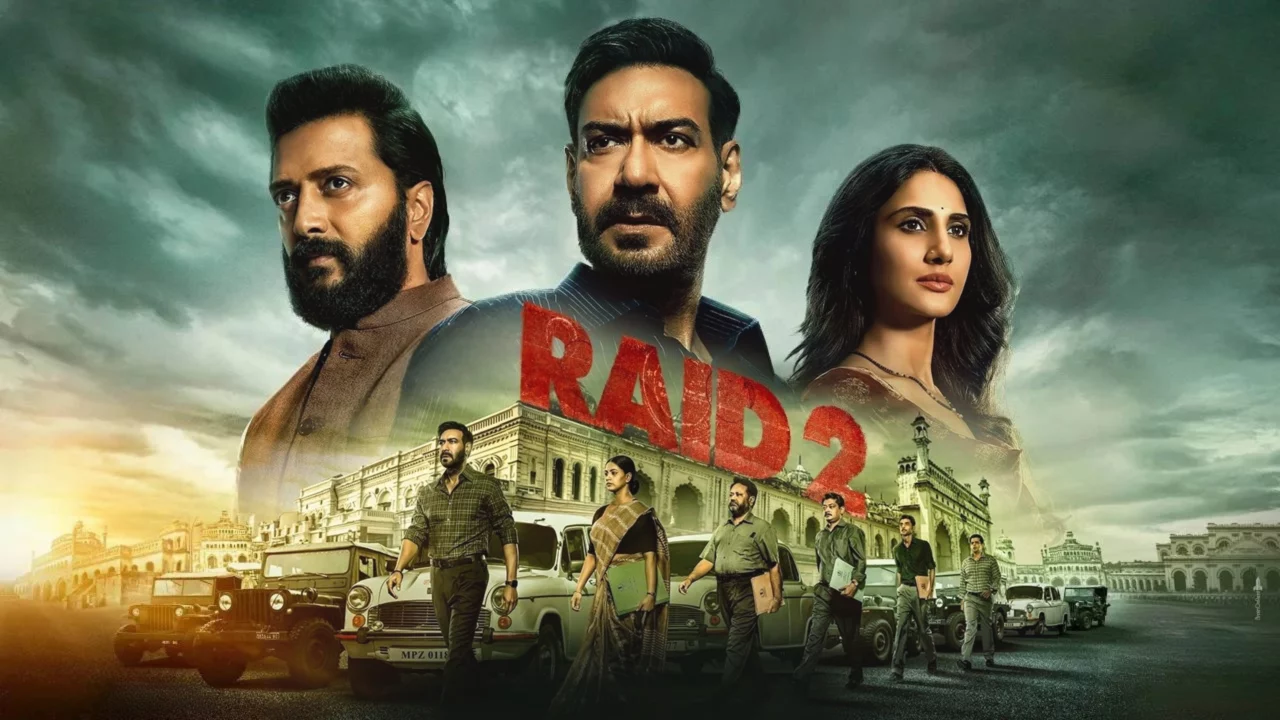
    Raid 2 marks the return of Income Tax Officer Amay Patnaik in this crime drama sequel. Raj Kumar Gupta directs the film with Ajay Devgn reprising his signature role alongside Riteish Deshmukh, Vaani Kapoor, Rajat Kapoor, and Tamannaah Bhatia. The film serves as a direct sequel to the 2018 hit Raid.

    Film Title:Raid 2
    Main Cast:Vaani Kapoor, Ritesh Deshmukh, Ajay Devgn
    Film Duration:2h 25m
    Category:Crime, Thriller, Drama
    Primary Star:Ajay Devgn
    Studio:T-Series, Panorama Studios
    Premiere Date:May 1, 2025
    Filmmaker:Raj Kumar Gupta
    Raid 2

    Set against corruption and financial crimes, the movie attempts to recapture the original’s magic with expanded narrative scope. The film promises the same hard-hitting portrayal of an honest tax officer taking on corrupt forces. However, this sequel delivers a mixed experience with impressive performances overshadowed by narrative missteps.

    Raid 2 Movie Actors

    ActorCharacter
    Amit SialLallan Sudheer
    Vaani KapoorMalini Amay Patnaik
    Ajay DevgnAmay Patnayak
    Yashpal SharmaDevinder Gehlot
    Sushil DahiyaChief Minister
    Tamannaah Bhatia
    Ritesh DeshmukhDadabhai (Manohar Dhankar)
    Rajat KapoorKaul
    Saurabh ShuklaRameshwar Singh (Tauji)
    Supriya PathakAmma
    Raid 2
    Raid 2
    Raid 2

    Plot and Storyline

    The story follows Amay Patnaik tackling another massive case involving black money and corruption. The plot expands beyond simple income tax raids to encompass broader themes of financial fraud. The narrative weaves multiple subplots together, creating more complexity than its predecessor.

    Unfortunately, the film suffers from an overcomplicated plot that loses focus on its core narrative. While the first film maintained tight focus, this sequel ventures into unnecessary territory that dilutes impact. The screenplay introduces several detours that distract from the main storyline.

    Cast Performance

    Ajay Devgn returns with characteristic intensity and gravitas as Amay Patnaik. His performance maintains the steely determination that made the character memorable. However, his character has evolved from a sharp tax officer to a more omnipotent sleuth figure.

    Riteish Deshmukh emerges as the standout performer, stealing scenes from the lead actor. His performance brings depth and authenticity, providing the film’s most engaging moments. I found his acting particularly impressive in maintaining screen presence alongside veteran performers.

    Vaani Kapoor delivers a competent performance as Malini with an understated approach. She makes a notable impact despite having a smaller role. The supporting cast including Rajat Kapoor and Saurabh Shukla provides solid support throughout.

    Direction and Technical Aspects

    Raj Kumar Gupta’s direction shows both strengths and weaknesses compared to the original. While maintaining the serious tone, his handling of expanded narrative presents challenges. The decision to broaden beyond focused raid concept results in scattered approach.

    The technical aspects including cinematography maintain high standards from the first film. The period setting is well-realized with proper bureaucratic atmosphere. However, editing and pacing reveal significant issues impacting the viewing experience.

    Music and Sound

    One of the most criticized aspects is the musical score and song inclusion. Multiple reviews point out the film would benefit from a song-less approach. The musical numbers feel forced and interrupt narrative flow, which I completely agree with after watching.

    The background score doesn’t enhance the viewing experience or add necessary tension. Sound design serves adequately but doesn’t elevate beyond standard expectations.

    Critical Reception

    The critical reception has been mixed, with most reviewers acknowledging ambitions while criticizing execution. Taran Adarsh gave 3.5 stars out of 5, praising Devgn’s restrained performance. The film holds 7.1 rating on IMDb, indicating positive but not overwhelming audience response.

    Professional critics have been reserved in praise, pointing out structural issues. Some positive reviews highlight Devgn’s commanding performance and screen presence. However, negative reviews describe it as a forgettable rehash with scaled-up setting.

    What Works

    Strong lead performance from Ajay Devgn remains compelling and authentic throughout. Riteish Deshmukh’s standout work and solid ensemble cast deliver quality performances. The production values maintain high standards with excellent technical execution.

    The second half engagement improves significantly after slow start. Social relevance of corruption themes remains important and timely. I appreciated the commitment to showcasing high-level corruption despite narrative flaws.

    What Doesn’t Work

    Pacing issues in the first half test audience patience significantly. The overcomplicated plot with multiple subplots dilutes core narrative focus. Unnecessary songs and plot diversions interrupt the flow awkwardly.

    The character evolution from focused officer to omnipotent sleuth feels forced. At 150 minutes runtime, the film feels unnecessarily long. I felt the tight, focused approach that made the original successful was completely lost.

    Audience Response

    Audience reactions describe the film as just okay, not bad but not very good. General consensus suggests it manages engagement but follows the same template as the first film. Most viewers found it less entertaining than its predecessor with significant structural problems.

    The lethargic first half and weak climax stand out as major drawbacks. Treatment of sensitive subjects drew mixed reactions from moviegoers. I noticed many audiences felt certain elements detracted from the central corruption narrative.

    Final Verdict

    Raid 2 had significant potential but struggles to meet predecessor standards. While boasting strong performances and high production values, structural issues prevent greatness. The film satisfies fans eager for more Amay Patnaik but may disappoint those expecting tight narrative focus.

    I found the expansion of scope ambitious but resulting in scattered, less impactful experience. The film works best focusing on core strengths like Devgn’s presence and investigation dynamics. However, it struggles with unnecessary narrative territory that weakens overall impact.

    Rating: 3/5 Stars

    The sequel succeeds as watchable entertainment maintaining original DNA while expanding the world. Unfortunately, it falls short of being the exceptional follow-up fans hoped for.

  • Retro (2025) Movie Movies4u

    Retro (2025) Movie Movies4u

    Retro brings together director Karthik Subbaraj and superstar Suriya in their first collaboration. This romantic action thriller marks Suriya’s 44th film and was produced by Stone Bench Creations and 2D Entertainment. The film hit theaters on May 1, 2025, creating significant buzz in Indian cinema.

    Film Title:Retro
    Main Cast:Suriya, Joju George, Pooja Hegde
    Film Duration:2h 42m
    Category:Romance, Action, Crime
    Primary Star:Suriya
    Studio:2D Entertainment, Stone Bench Creations
    Premiere Date:April 30, 2025
    Filmmaker:Karthik Subbaraj
    Retro

    The story follows Paarivel Paari Kannan, an orphan raised by a gangster who faces betrayal and violence. The film features Pooja Hegde as the female lead, alongside Jayaram, Joju George, Nasser, and Prakash Raj. The technical team includes music by Santhosh Narayanan and cinematography by Shreyaas Krishna.

    Retro Movie Actors

    ActorCharacter
    Jayaram‘Chaplin’ Lolly
    SingampuliRukmini’s Father
    NassarRajavel Mirasu
    SwasikaSandhya
    Vidhu‘King’ Michael Mirasu
    Prakash RajDharmendran
    Joju GeorgeThilagam
    Sujith SankarFreddie Milton
    SuriyaJada Muni / Paarivel Kannan
    Pooja HegdeRukmani
    Retro
    Retro
    Retro

    Plot and Storyline

    The narrative follows a non-linear approach, segmenting the story across different phases of Paari’s life. The film attempts to merge a gritty gangster tale with a love story, though neither arc feels fully developed. The plot revolves around Paari’s internal conflict between his violent past and desire for peace.

    The central premise involves a gangster trying to avoid violence after vowing to his wife. However, the film falters in balancing its emotional depth, never fully committing to exploring the conflict between love and violence.

    Cast Performances

    Suriya delivers what many consider a powerful comeback performance after a brief hiatus. He carries the film on his shoulders, shining in emotional moments and transitioning effortlessly into action sequences. His portrayal of Paari showcases both vulnerability and intensity.

    Pooja Hegde receives praise for her career-best performance. She brings depth and authenticity to Rukmini, forming the emotional backbone with her chemistry with Suriya. The supporting cast, especially Joju George and Jayaram, provides solid backing to the narrative.

    Direction and Technical Aspects

    Karthik Subbaraj’s direction showcases his signature style, emphasizing visual flair and technical excellence. The film offers stylish action but lacks freshness in story execution. The director prioritizes style over substance, creating stunning visuals that don’t always serve the narrative.

    The production values are solid and the film looks visually polished. The cinematography captures the retro aesthetic beautifully, with particular praise for night seashore sequences. The music by Santhosh Narayanan receives widespread acclaim, especially the Kannima song.

    My Review Experience

    I found the first half engaging with its focus on character development and romance. The emotional moments between Suriya and Pooja felt genuine and well-crafted. However, the second half disappointed me with its convoluted approach to action sequences.

    The technical brilliance is undeniable – the mirror scenes and single-shot sequences are impressive. But I couldn’t shake the feeling that the film prioritizes spectacle over storytelling. The length becomes apparent, and I found myself checking the time during certain segments.

    Critical Reception and Ratings

    Retro holds a 6.9 rating on IMDb, indicating mixed reception from audiences. The film has generated polarizing reviews, with critics praising technical aspects while criticizing narrative execution. Some critics rated it 2/5, describing it as clumsy and confusing.

    User reviews express frustration, with some calling it poorly directed. However, early reviews were highly positive, describing it as a thriller with top-notch performance. This disparity reflects the film’s uneven execution.

    What Works

    Suriya’s commanding performance stands out as the film’s biggest strength. The technical highlights including mirror scenes and the Kannima song are impressive. The production values and visual aesthetics create a polished viewing experience.

    The background score enhances dramatic moments effectively. The art direction and action choreography show professional craftsmanship throughout.

    What Could Be Better

    The story lacks emotional depth despite attempts to merge genres. Pacing issues particularly affect the second half experience. The narrative structure becomes confusing and affects overall coherence.

    I felt the film’s length could have been trimmed for better impact. Character development for supporting cast members needed more attention.

    Box Office Performance

    The film achieved the highest sale rate ever for a Tamil film in the year. Booking sites crashed due to high traffic, demonstrating massive anticipation. Netflix acquired streaming rights for a record price of ₹80 crore.

    The film began streaming on Netflix from May 30, 2025, extending its global reach.

    Final Verdict

    Retro stands as a technically proficient film that showcases visual storytelling and Suriya’s acting prowess. While it creates moments of genuine impact and stunning sequences, it struggles with narrative coherence and pacing.

    For Suriya fans and those who appreciate stylized filmmaking, it offers entertainment value despite flaws. However, viewers seeking tightly woven narratives might find themselves disappointed. The film represents both potential and pitfalls of contemporary Tamil cinema’s emphasis on style over substance.

  • L2: Empuraan (2025) Movie Movies4u

    L2: Empuraan (2025) Movie Movies4u

    L2: Empuraan stands as one of the most ambitious Malayalam cinema projects of 2025, serving as the sequel to the 2019 blockbuster Lucifer. Directed by Prithviraj Sukumaran, this socio-political action thriller brings back the legendary Mohanlal in his iconic role as Stephen Nedumpally, also known as Khureshi Abraam.

    Film Title:L2: Empuraan
    Main Cast:Mohanlal, Prithviraj Sukumaran, Manju Warrier
    Film Duration:2h 59m
    Category:Crime, Action, Thriller
    Primary Star:Mohanlal
    Studio:Aashirvad Cinemas, Lyca Productions
    Premiere Date:March 27, 2025
    Filmmaker:Prithviraj Sukumaran
    L2: Empuraan

    The film features an impressive ensemble cast including Tovino Thomas, Manju Warrier, Indrajith Sukumaran, and Saniya Iyappan. With backing from Aashirvad Cinemas and Lyca Productions, the film redefines Malayalam cinema with its grand scale and ambitious storytelling.

    L2: Empuraan Movie Actors

    ActorCharacter
    Manju WarrierPriyadarshini Ramdas
    Sukant GoelMunna
    Abhimanyu SinghBalraj / Baba Bajrangi
    MohanlalStephen Nedumpally / Khureshi-Ab’raam
    Jerome FlynnBoris Oliver
    KishoreKarthik
    Andrea TivadarMichele Menuhin
    Prithviraj SukumaranZayed Masood
    Tovino ThomasJathin Ramdas
    Indrajith SukumaranGovardhan
    L2: Empuraan
    L2: Empuraan
    L2: Empuraan

    Plot and Storyline

    Five years after becoming Chief Minister of Kerala, Jathin Ramdas aligns with communal forces led by Balraj ‘Baba’ Bajrangi. This triggers Stephen Nedumpally aka Khureshi Abraam to return with his companion Zayed Masood to save his home state and settle scores.

    The story introduces us to the world of the Alpha lord Khureshi Abraam who controls the Gold Diamond nexus globally through his dual identity. The narrative builds upon the foundation laid by its predecessor, expanding the universe while introducing new conflicts and character arcs.

    Cast Performance

    Mohanlal’s return as Stephen Nedumpally has been one of the film’s major highlights. Critics recognized the film’s technical prowess and Mohanlal’s compelling performance, with the veteran actor delivering another powerhouse performance that showcases his range and screen presence.

    Prithviraj Sukumaran takes on the dual role of director and actor, demonstrating his versatility in both capacities. His direction shows maturity in handling large-scale sequences while maintaining character-driven moments that keep audiences engaged.

    Direction and Technical Excellence

    Prithviraj Sukumaran’s direction demonstrates his growth as a filmmaker since the original Lucifer. This socio-political mass action thriller is executed with brilliant technicality giving an edge-of-the-seat experience throughout its runtime.

    The film showcases impressive production values, with high-quality cinematography and sound design that enhance the viewing experience. The action sequences are choreographed with precision, while the dramatic moments are handled with sensitivity.

    My Review and Analysis

    I found L2: Empuraan to be a visually stunning experience that delivers on multiple fronts. The film’s technical execution is impressive, creating a grand cinematic spectacle that matches international standards. Mohanlal’s performance is, as expected, commanding and nuanced.

    However, I noticed that the film’s lengthy runtime of around 3 hours sometimes affects the pacing. The story occasionally becomes convoluted, which might challenge casual viewers’ ability to follow the narrative flow.

    Critics and Ratings

    The film received a rating of 3.5/5 from critics, reflecting generally positive reception. Critics praised the film for its bold stance against communalism and willingness to tackle sensitive political topics.

    Some critics noted that the writing lacked consistency, with certain symbolic elements feeling heavy-handed. While the film succeeds in many areas, it struggles with subtlety in its symbolic representation.

    Box Office Performance

    The film performed exceptionally well at the box office, particularly in Kerala. L2: Empuraan achieved a record start at Kerala Box Office as the highest opening ever for a Malayalam movie and also the highest grossing Malayalam movie ever.

    The movie grossed Rs. 58 Cr+ in advance sales at the worldwide opening weekend box office. Day 1 advance sales alone reached Rs. 40 Cr+ in worldwide gross, indicating high audience interest and expectations.

    What Works Well

    The film excels in its technical execution, with impressive cinematography and production values that create a grand cinematic experience. Mohanlal’s powerful performance continues to be a major asset, bringing depth and authenticity to his complex character.

    The action sequences are well-choreographed and engaging, while the emotional moments between characters provide necessary depth to the narrative. The film’s visual appeal and high production standards make it a worthy successor to Lucifer.

    Areas for Improvement

    The lengthy runtime and pacing issues have been consistent concerns raised by critics and audiences. The film could benefit from tighter editing to maintain engagement throughout its duration.

    Character development for supporting roles could be enhanced to create a more balanced performance. The symbolic elements, while meaningful, sometimes feel heavy-handed and could be integrated more subtly into the narrative.

    Final Verdict

    L2: Empuraan succeeds as a grand cinematic spectacle that delivers on technical excellence and star power. While it may not entirely match the impact of its predecessor, it offers enough entertainment value and thematic relevance to satisfy fans.

    For viewers who appreciate political thrillers with strong performances and high production values, L2: Empuraan provides a satisfying cinematic experience. The film represents a significant achievement in Malayalam cinema’s evolution toward larger-scale productions with pan-Indian appeal.

  • Jaat (2025) Movie Movies4u

    Jaat (2025) Movie Movies4u

    Jaat, the action-packed thriller that hit theaters on April 10, 2025, brings together Bollywood’s action king Sunny Deol and talented Telugu director Gopichand Malineni. This collaboration features an impressive cast including Randeep Hooda, Regina Cassandra, and Viineet Kumar Singh.

    Film Title:Jaat
    Main Cast:Randeep Hooda, Sunny Deol, Saiyami Kher
    Film Duration:2h 33m
    Category:Drama, Action, Crime
    Primary Star:Sunny Deol
    Studio:Mythri Movie Makers, People Media Factory
    Premiere Date:April 10, 2025
    Filmmaker:Gopichand Malineni
    Jaat

    The film marks Malineni’s Hindi directorial debut after his success in Telugu cinema. Following Gadar 2’s massive success, Deol returns to the hard-hitting action roles that made him famous.

    Jaat Movie Actors

    ActorCharacter
    Upendra Limaye
    Ramya KrishnanVasundhara
    Regina CassandraBharathi
    Sunny DeolJaat
    Saiyami KherSI Vijaya Lakshmi
    Vineet Kumar SinghSomulu
    Vinay VarmaSP Vivek Kumar
    Randeep HoodaRanatunga
    Zarina Wahab
    Jagapati BabuSatyamurthi C.B.I.
    Jaat
    Jaat
    Jaat

    Plot and Storyline

    Set in 2009 Sri Lanka, Jaat tells the story of Tunga Rana (Randeep Hooda), a poor laborer who becomes a feared crime boss after finding gold left by the disbanded Jaffna Tiger Force. He terrorizes coastal villages with his brother Somulu (Viineet Kumar Singh).

    Enter a mysterious stranger (Sunny Deol) who demands an apology and brings chaos to Rana’s criminal empire. The story follows the classic lone warrior theme where actions speak louder than words.

    Cast Performance

    Sunny Deol delivers a powerful performance that reminds us why he’s called the action king. His screen presence is commanding, and he relies more on physicality than dialogue. I found his intensity perfectly suited for this role.

    Randeep Hooda shines as the main villain Tunga Rana. His transformation from desperate laborer to ruthless crime boss is believable and terrifying. Hooda creates a villain you love to hate.

    Regina Cassandra plays Rana’s wife with complexity, showing the fear and internal conflict of someone trapped in a criminal world. Viineet Kumar Singh provides solid support as the loyal brother.

    Direction and Technical Aspects

    Gopichand Malineni brings his Telugu mass entertainment style to Hindi cinema effectively. His direction focuses on visual storytelling and keeps the energy high throughout. The pacing works well for action lovers.

    The film uses coastal village settings beautifully, creating an atmosphere of lawlessness. The cinematography emphasizes realistic lighting and earthy tones that ground the action.

    Action Sequences

    The action choreography is the film’s biggest strength. Teams including Anal Arasu, Peter Hein, Naga Venkat, and Ram-Lakshman have created fight sequences that are truly spectacular. Each fight feels raw and impactful.

    The sound design during action scenes deserves special mention. Every punch and gunshot has weight, making you feel the intensity of each moment.

    Critical Reception and Reviews

    The film received mixed reviews from critics but found favor with action movie lovers. Rotten Tomatoes shows 45% positive from critics, while IMDb users rated it 6.2/10.

    Bollywood Hungama gave it 3.5/5 stars, calling it an explosive entertainer with mass moments. I agree that the film delivers exactly what it promises.

    What I Liked

    Outstanding Action The fight sequences are choreographed brilliantly. I was impressed by how brutal yet graceful they looked. Sunny Deol’s physical performance is outstanding for his age.

    Randeep Hooda’s Villain Hooda creates a genuinely scary antagonist. His psychological depth makes the eventual showdown more meaningful than typical hero-villain fights.

    Production Quality Despite being a commercial entertainer, the film maintains high standards. The locations, cinematography, and technical work all support the story well.

    What Could Be Better

    Predictable Story The mysterious stranger seeking justice plot has been done many times before. I wished for more fresh elements to make it stand out.

    Supporting Characters While main characters are well-developed, supporting cast feels underused. More depth in secondary characters would have helped.

    Pacing in Drama Scenes Action sequences are perfect, but dramatic moments sometimes drag. Tighter editing in non-action scenes would improve the flow.

    Box Office and OTT Release

    Jaat performed moderately at the box office, meeting expectations for its budget. The film found success in traditional Sunny Deol markets and overseas Indian audiences.

    Netflix acquired streaming rights, and the film started streaming from June 5, 2025. The OTT release gave it broader reach internationally.

    Final Verdict

    Jaat succeeds as a hardcore action entertainer for Sunny Deol fans. While it doesn’t break new ground story-wise, it executes its formula with skill and commitment. I enjoyed the action sequences and Hooda’s villainous performance.

    For action movie lovers and Deol fans, this film provides solid entertainment. However, those seeking complex storytelling might find it lacking. The collaboration between Deol and Malineni works well enough for potential future projects.

    My Rating: 3/5 Stars – A competent action film that delivers thrills while staying within safe boundaries.

  • Good Bad Ugly (2025) Movie Movies4u

    Good Bad Ugly (2025) Movie Movies4u

    Good Bad Ugly stands as one of 2025’s most talked-about Tamil action thrillers, bringing together superstar Ajith Kumar and director Adhik Ravichandran. This action-crime drama, produced by Mythri Movie Makers with a massive budget of ₹270-300 crores, represents one of the biggest Tamil productions of the year.

    Film Title:Good Bad Ugly
    Main Cast:Trisha Krishnan, Ajith Kumar, Arjun Das
    Film Duration:2h 19m
    Category:Crime, Action, Comedy
    Primary Star:Ajith Kumar
    Studio:Mythri Movie Makers, T-Series
    Premiere Date:April 9, 2025
    Filmmaker:Adhik Ravichandran
    Good Bad Ugly

    The film features an impressive cast including Trisha Krishnan, Arjun Das, Jackie Shroff, Prasanna, Prabhu, Sunil, Yogi Babu, and Priya Prakash Varrier. Released on April 10, 2025, the film marks director Adhik Ravichandran’s ambitious attempt to create a stylized gangster saga.

    Good Bad Ugly Movie Actors

    ActorCharacter
    Priya Prakash VarrierNithya
    SimranPriya
    Karthikeya DevVihaan
    PrabhuJayaprakash
    Trisha KrishnanRamya
    Ajith KumarAK ‘Red Dragon’
    Jackie ShroffBabel
    Arjun DasJohnny / Jammy
    Sunil Varma‘Baby’ Tyson
    PrasannaJaeger
    Good Bad Ugly
    Good Bad Ugly
    Good Bad Ugly

    Plot and Storyline

    The story revolves around AK (Ajith Kumar), a powerful gangster who surrenders to police hoping his wife and son can live peacefully. After 17 years in prison, he discovers his son has been falsely accused of serious crimes. This forces the reformed don to return to his violent ways to protect his family.

    The screenplay attempts to balance family emotions with high-octane action. However, critics noted that the emotional weight doesn’t always match the film’s ambitious scope. The second half reportedly loses momentum, with pacing issues preventing the story from reaching its full potential.

    Cast Performance and Character Development

    Ajith Kumar delivers what many consider a career-defining performance, embodying AK with his signature style. His portrayal spans different time periods, showcasing both the ruthless gangster and reformed father with equal conviction. I found his commitment to the role impressive, serving as a comprehensive showcase of his acting range.

    Trisha Krishnan returns after several years, bringing depth to her role as AK’s wife. Her performance adds emotional grounding, though I felt her character could have been given more substantial screen time. The chemistry between the lead pair works well within the dramatic framework.

    The supporting cast shines with Arjun Das particularly standing out in his antagonistic role. Jackie Shroff brings veteran presence though his role appears more like an extended cameo. Yogi Babu’s comic relief provides necessary breathing space, though the comedy doesn’t always blend seamlessly.

    Direction and Technical Aspects

    Director Adhik Ravichandran creates a mass entertainer that celebrates Ajith Kumar’s screen presence. The film functions as a complete showreel of AK’s career, which works as both strength and weakness depending on expectations. Ravichandran focuses heavily on style over substance.

    The cinematography by Abinandhan Ramanujam receives widespread praise for its visual splendor. Every frame is painted with vivid, jaw-dropping beauty, particularly during action sequences. The camera work effectively captures both gritty underworld atmosphere and intimate family moments.

    GV Prakash Kumar’s music provides adequate support though it doesn’t reach memorable heights expected from a big-budget Ajith film. The background score works well during action but lacks emotional resonance for family scenes.

    Critical Reception and Ratings

    The film received decidedly mixed reviews from critics and audiences. On IMDb, Good Bad Ugly holds a rating of 5.7/10, though some sources report varying scores. BookMyShow users have been more generous, rating it 8.4-8.8/10 with over 100,000 votes.

    Professional critics were particularly harsh. Greatandhra.com gave it just 2.25/5 stars, describing it as Good for fans, Bad for Audience. 123Telugu.com awarded 2.75/5, noting the film struggles with weak plot and lack of emotional weight.

    The disparity between audience and critical scores indicates the film succeeds in delivering what Ajith fans expect while failing to convince critics seeking substantial storytelling.

    Box Office Performance

    Despite mixed reviews, Good Bad Ugly achieved significant commercial success. The film crossed ₹150 crore worldwide within four days, becoming the highest-grossing Tamil film of 2025. However, with its massive budget, it achieved only 42% budget recovery, making it a financial disappointment.

    The film’s run concluded below ₹250 crore mark worldwide, falling short of commercial expectations. The majority of collections came from Tamil Nadu, while the Telugu market concluded quickly, indicating limited appeal beyond core fanbase.

    What Works and What Doesn’t

    Strengths

    • Ajith Kumar’s committed performance across different character phases
    • Visually stunning cinematography creating immersive gangster world
    • High production values evident in every frame
    • Action sequences delivering mass entertainment
    • Strong supporting cast complementing lead performance

    Areas for Improvement

    • Weak plot structure relying too heavily on star power
    • Pacing issues, particularly in second half
    • Limited character development beyond protagonist
    • Emotional scenes lack depth for audience investment
    • Runtime needs tighter editing
    • Music doesn’t reach memorable heights

    My Review Experience

    I went into Good Bad Ugly with high expectations given the massive budget and star cast. The film works best as Ajith Kumar showcase rather than comprehensive thriller. While I appreciated the visual spectacle and production values, the weak storyline left me wanting more substance.

    The first half maintains engagement with stylish presentation and Ajith’s screen presence. However, I noticed the second half drags considerably with repetitive sequences that don’t advance the plot meaningfully. The emotional family scenes needed stronger writing to create genuine impact.

    For Ajith Kumar fans, this delivers exactly what they expect – mass entertainment with high production values. For general audiences seeking substantial storytelling, it may disappoint. I’d recommend it primarily for fans who enjoy star-driven entertainment over narrative depth.

    Final Verdict

    Good Bad Ugly represents both possibilities and limitations of star-driven Tamil cinema. While it succeeds as celebration of Ajith Kumar’s screen presence, it falls short of creating lasting impact beyond immediate fan appeal.

    The film works when viewed as entertainer designed for Ajith’s fanbase rather than comprehensive gangster thriller. The mixed critical reception alongside decent box office suggests it achieves its primary objective of entertaining fans while missing opportunity for broader cinematic impact.

    Rating: 2.5/5 – Good for fans, average for general audiences.