Dhurandhar (2025): Why Akshaye Khanna Steals This 214-Minute Spy Thriller From Ranveer Singh
When Ranveer Singh walked into theaters with Dhurandhar in December 2025, he brought along a heavyweight team. Sanjay Dutt, Akshaye Khanna, R. Madhavan, and Arjun Rampal joined him in this spy thriller that runs for nearly four hours. Director Aditya Dhar, who previously gave us Uri, decided to tell another story rooted in real incidents from India’s fight against terror.
The film draws from painful memories—the IC-814 plane hijacking back in 1999, the attack on Parliament in 2001. But instead of showing these events directly, Dhar uses them as the starting point for a covert mission into Pakistan’s criminal underworld. This is Part 1 of what will become a two-film story.
What Happens in the Film
The head of India’s Intelligence Bureau, played by R. Madhavan, watches his country suffer repeated attacks. Frustrated by the government’s inability to strike back effectively, he designs a risky plan called Operation Dhurandhar. The idea is simple but dangerous: send someone deep into enemy territory to destroy the terror network from inside.
That someone is Hamza, a RAW operative who takes on a fake identity and enters Karachi’s Lyari area. This district is a mess of gang wars, corrupt politics, and desperate people. Hamza pretends to be just another immigrant trying to survive. Over years, he works his way up through the criminal hierarchy.
His ultimate goal is getting close to Rehman Dakait, a gangster with enough power to influence both criminals and politicians. While doing this, Hamza sends valuable information back home. The film follows his journey as he balances staying alive while maintaining his cover.
The opening half stretches for more than two hours. I’ll be honest—this buildup moves slowly. We watch Hamza establish himself, make connections, and learn the rules of survival in Lyari. Some people will appreciate this detailed setup. Others might check their watches.
The latter portion brings more action and faster pacing. Still, by the end, you realize this entire three-and-a-half-hour experience is just the beginning. That’s going to bother some viewers who expected a complete story.
The Acting
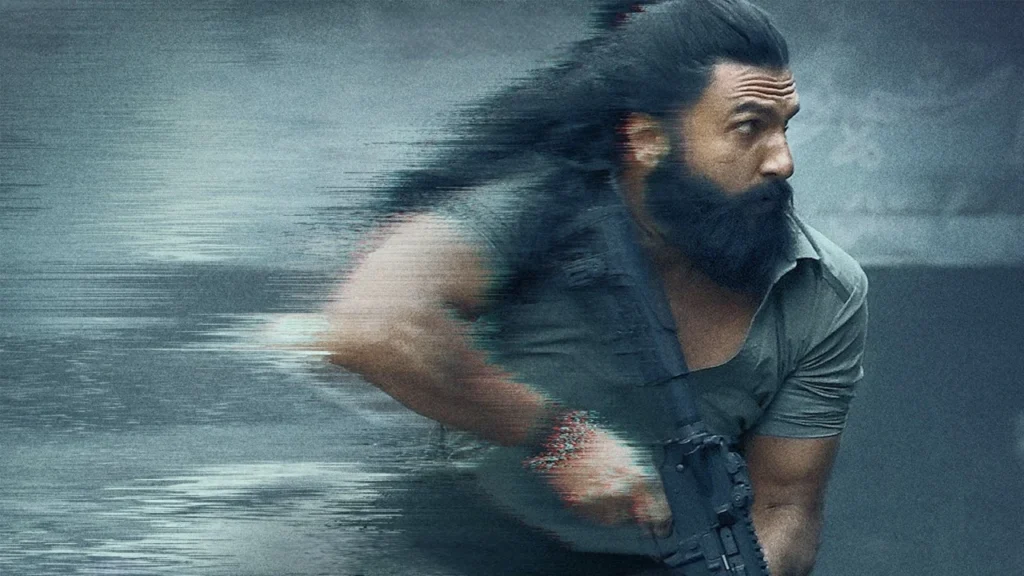
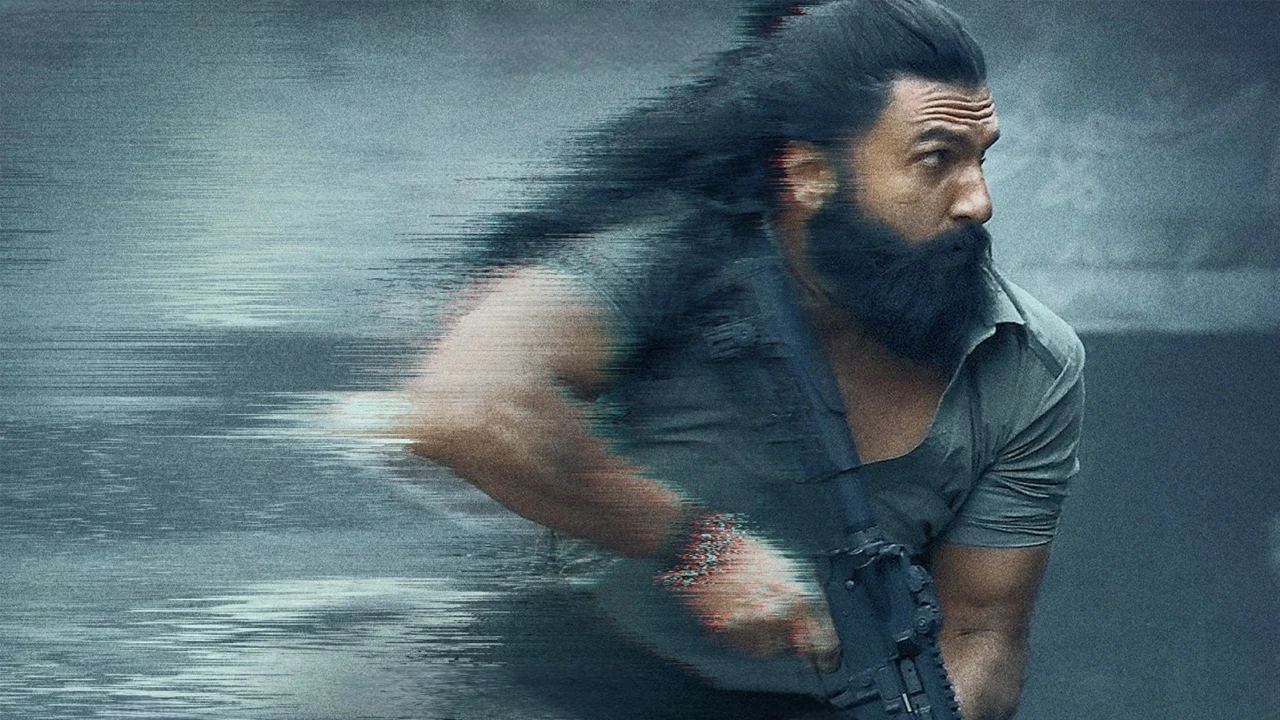
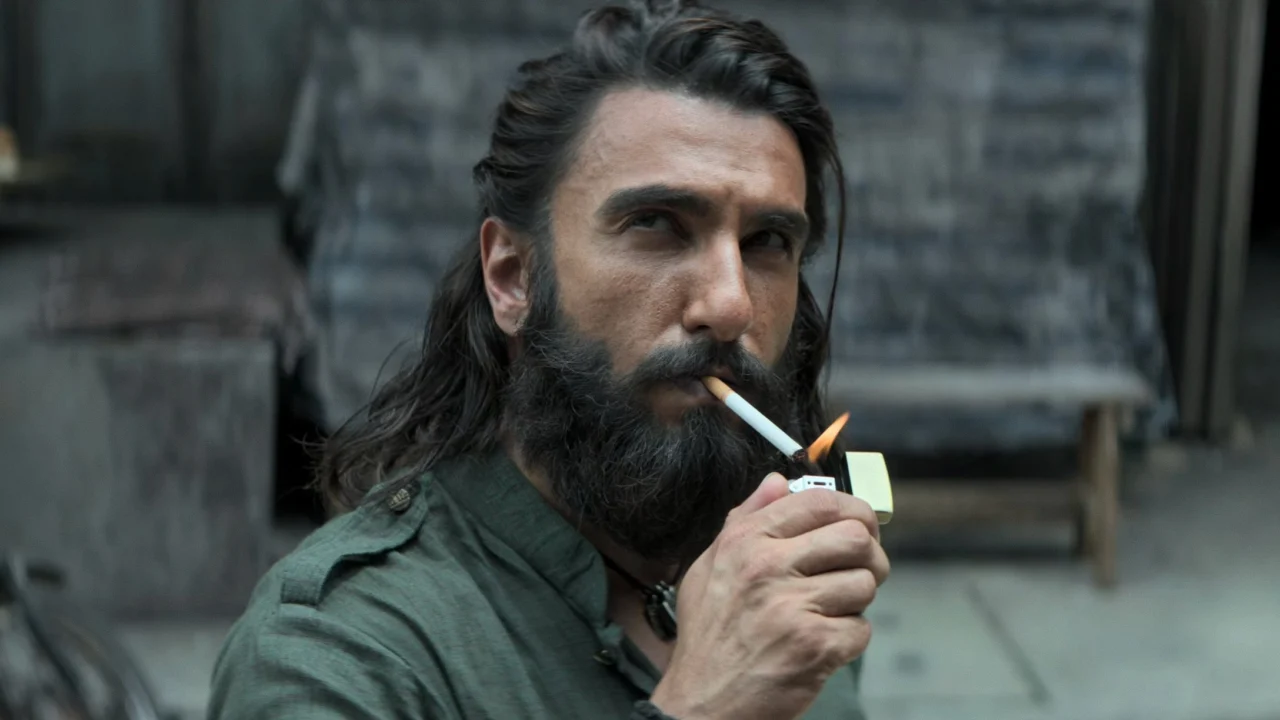
Ranveer Singh approaches Hamza differently than his usual loud characters. He’s quiet here, keeping emotions locked inside. The long hair, rough beard, and worn-out look suit the role perfectly. I noticed how Singh uses silence and small gestures to show Hamza’s constant tension. That said, we never really understand who Hamza was before this mission, which makes him feel incomplete as a character.
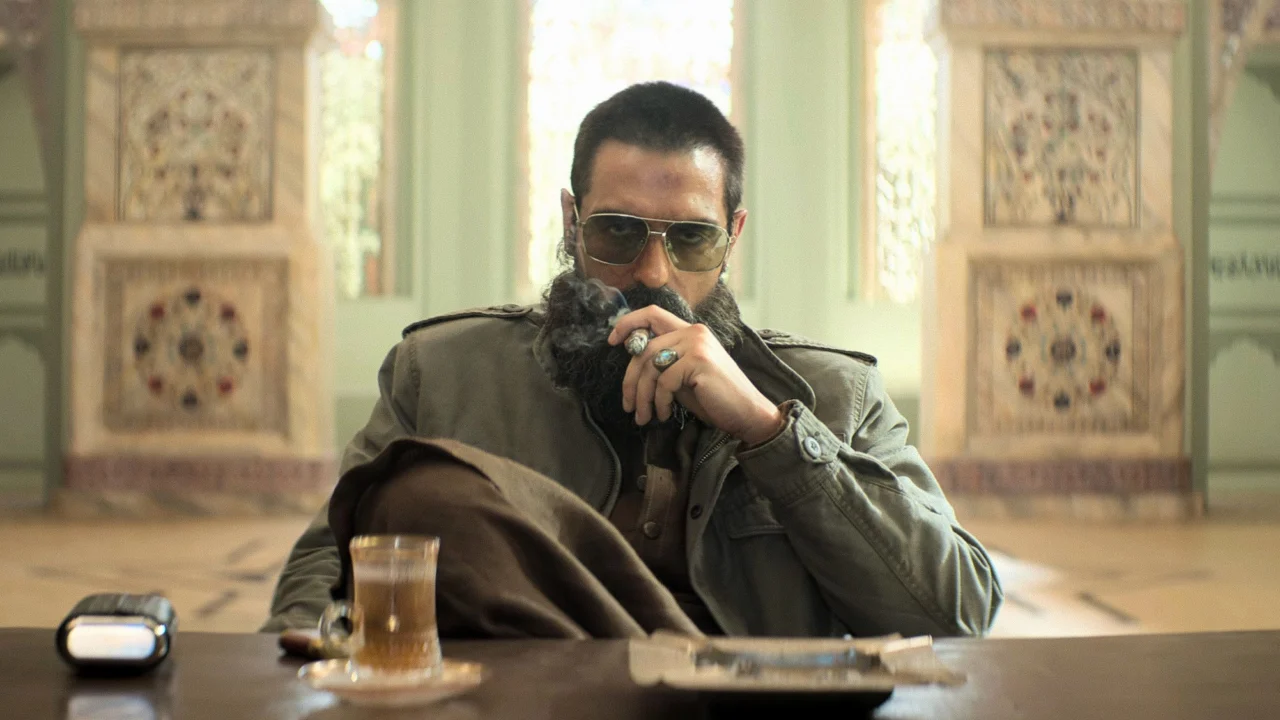
Akshaye Khanna, though—he owns this film. Playing Rehman Dakait, he creates someone terrifying yet strangely magnetic. Watch his eyes in any scene. They tell you this man is calculating every angle while enjoying the chaos around him. His way of speaking, his body language, everything about Khanna’s work here is exceptional. I’d argue he delivers the film’s standout performance.
Madhavan brings the right amount of seriousness to the intelligence chief role. He doesn’t appear often, but when he does, you pay attention. Sanjay Dutt plays a Pakistani police officer with his typical intensity. The real-life inspiration for his character adds extra weight to his scenes.
Arjun Rampal gets limited time as an ISI officer, but he makes it count. Sara Arjun handles the romantic angle, though this part of the film feels weak. The romance develops too quickly and doesn’t convince me at all. Supporting players like Rakesh Bedi and Gaurav Gera fill out the world nicely, giving even small roles some personality.
What I Liked About It
This film doesn’t make spy work look glamorous. There’s no tuxedos or fancy gadgets here. Instead, you see the dirt, the violence, the mental toll of lying every single day. I respected that approach. The violence is hard to watch sometimes, but it serves a purpose—showing you the real stakes.
The cast is uniformly strong. Beyond Khanna’s brilliant work, everyone commits fully to their roles. The film creates a detailed world with multiple layers. You understand how crime connects to politics, how gangs operate, why certain alliances form. This depth comes from careful research and writing.
Action scenes happen for a reason. They’re not just there to wake up the audience between slower moments. Each major fight or confrontation moves the plot forward or reveals something new about the characters. The camera work captures Karachi’s darkness effectively, making you feel the oppressive atmosphere.
Where It Stumbles
That 214-minute runtime is the elephant in the theater. I won’t sugarcoat this—the film needed tighter editing. The first half especially drags in places. Certain scenes make the same point repeatedly or could disappear without hurting the story.
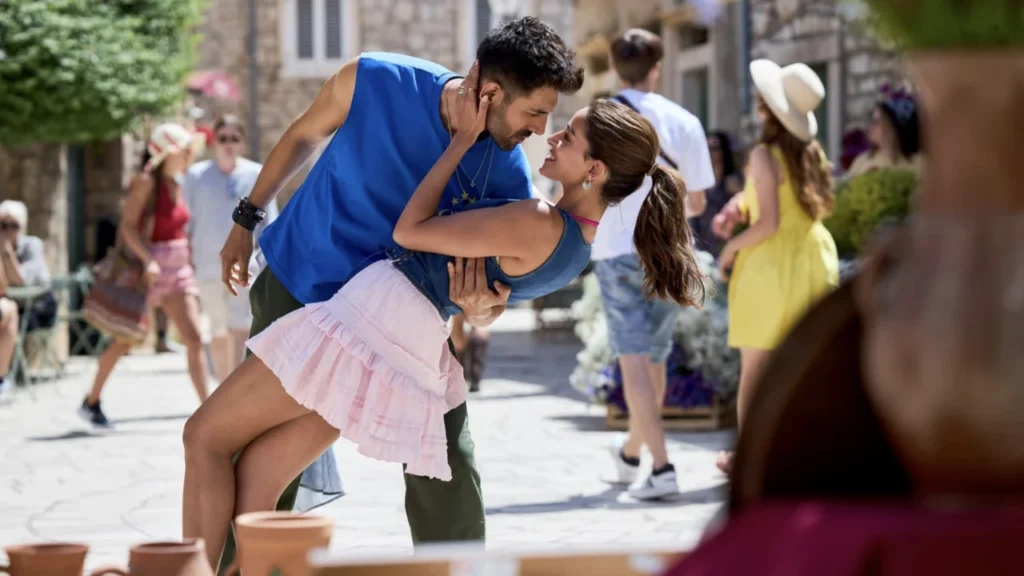
The romance between Hamza and Sara’s character falls flat. It arrives suddenly, develops quickly, then doesn’t really go anywhere meaningful. The way her father, a powerful politician, just accepts her running off strains belief. This subplot feels tacked on rather than organic to the main story.
Nearly every Pakistani character in the film is either violent, corrupt, or incompetent. This one-dimensional portrayal bothered me. Reality is more complex than this. Also, women in this film exist mostly as victims or background decoration. That feels dated in 2025.
Because this is only Part 1, you don’t get closure after sitting through those 214 minutes. Some people will accept that as how modern franchises work. Others will feel cheated. I found myself somewhere in between—interested enough to want Part 2, but frustrated that this first film couldn’t stand on its own better.
The film can’t decide if it wants to be a serious, realistic spy drama or a chest-thumping nationalist entertainer. These tones clash at times. One moment you’re watching careful espionage, the next moment someone’s making a bombastic patriotic speech. The shifts don’t always flow smoothly.
How It Was Received
Critics split on this one. Rotten Tomatoes shows 47% positive reviews from professional critics. India Today awarded three stars, noting that the film works mainly because of Khanna’s explosive brilliance. Times of India went slightly higher with 3.5 stars, praising Singh’s controlled yet intense work.
Not everyone was kind. One review called it overhyped and criticized the bloated runtime. Another felt the film lost its way, getting so caught up in gangster elements that it forgot to be a spy thriller. A critic pointed out that 214 minutes is too much when the film doesn’t have enough substance to justify that length.
Regular moviegoers responded more positively. IMDb ratings sit at 8.6, suggesting strong audience approval. Social media filled with praise for both Singh’s restrained performance and Khanna’s scene-stealing presence. Many viewers described it as “worth every rupee” and said they stayed engaged throughout despite the length.
The Wall Street Journal called it the first major Bollywood film to realistically show the terrorist threat facing India. Writer Shobhaa De said she’d gladly watch all three and a half hours again, which says something about the film’s rewatchability for its fans.
Box office numbers tell their own story. The film crossed the thousand-crore mark, becoming one of the highest-grossing Hindi films in history. Clearly, whatever critics said, Indian audiences connected with what Dhar was selling.
My Bottom Line
Dhurandhar aims high and mostly hits its targets. It’s too long, the romance doesn’t work, and the political messaging sometimes lacks subtlety. But the core strengths outweigh these weaknesses. Akshaye Khanna gives a career-best performance. Ranveer Singh proves his range extends beyond high-energy roles.
The technical aspects—how it’s shot, how the action is choreographed, how the sets look—all meet professional standards. Aditya Dhar demonstrates real skill in building tension and crafting exciting sequences.
If you can commit to a long, violent, intense viewing experience, Dhurandhar delivers. Just understand what you’re getting into: this is Part 1 of a bigger story, it demands your full attention, and it doesn’t pull punches with its violence or politics.
Rating: 3.5/5