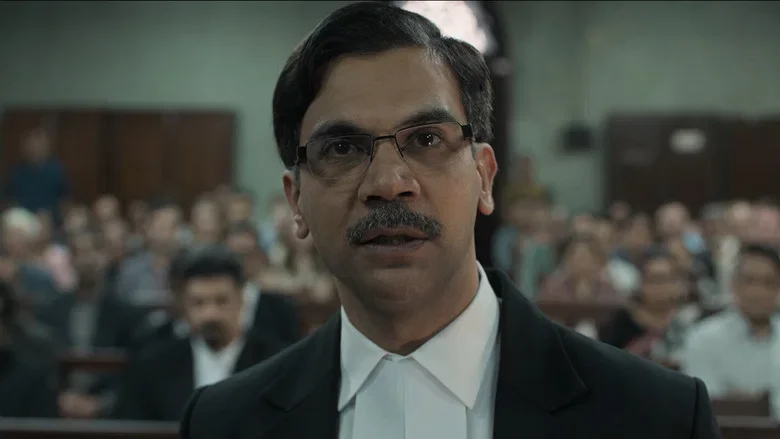
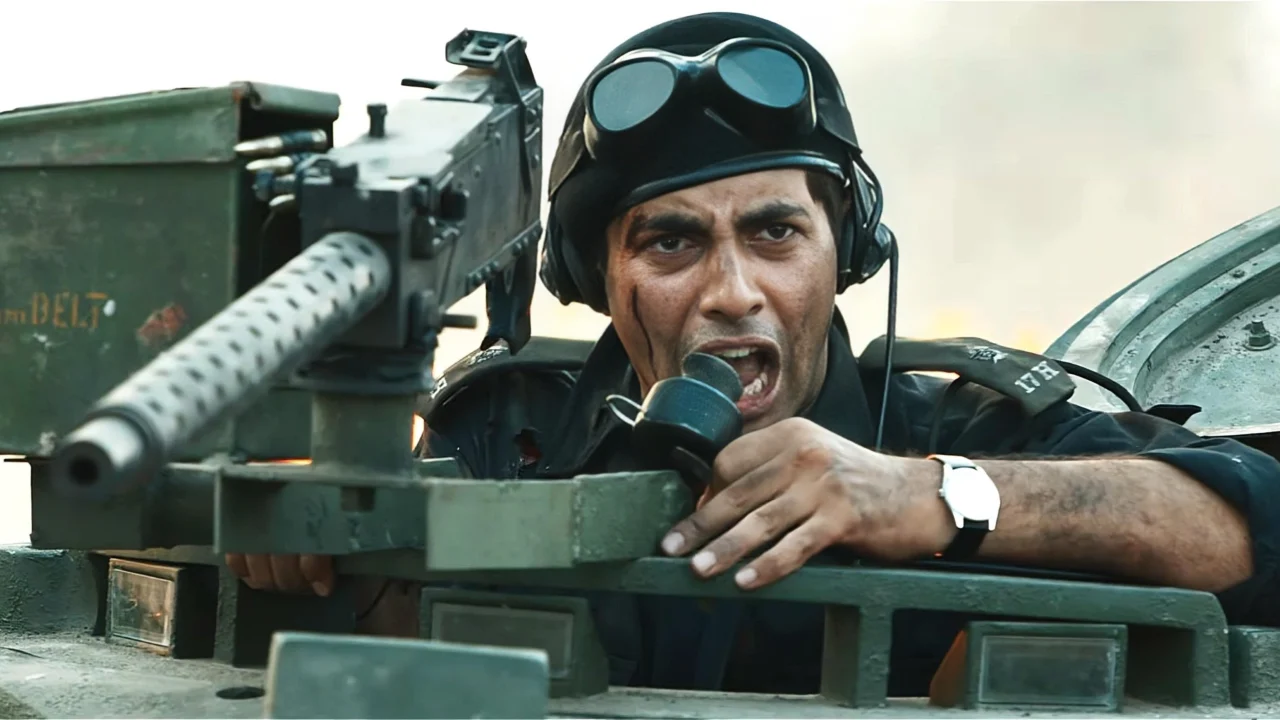
Ikkis (2026): Dharmendra’s Last Film Chooses Peace Over War


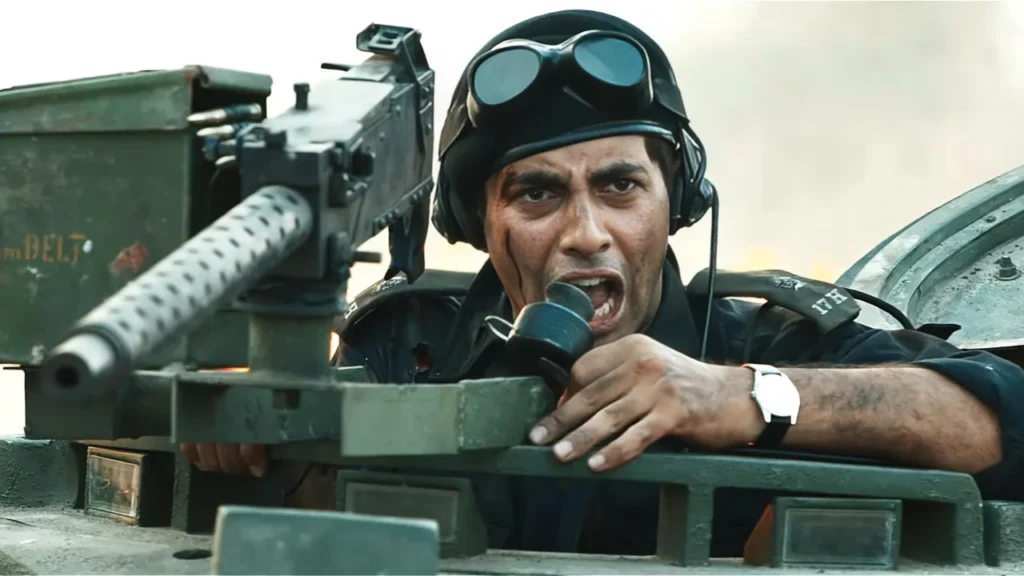
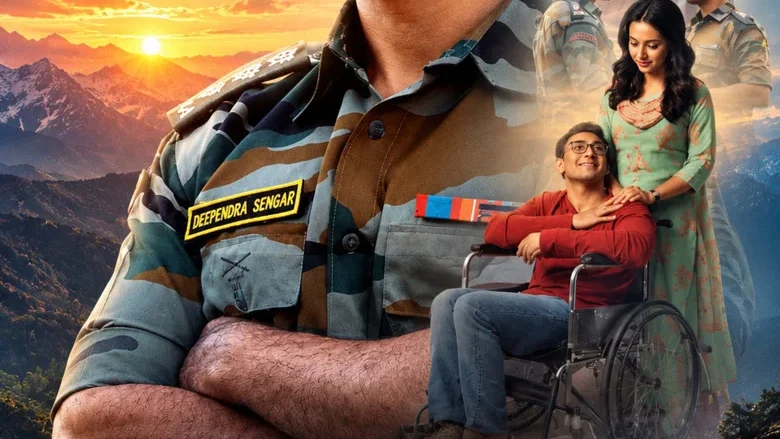
The story of Second Lieutenant Arun Khetarpal arrives on screen through director Sriram Raghavan’s vision. This young officer earned India’s highest military honor before turning 22. The 1971 war claimed his life during intense tank combat near the Pakistan border.
Dharmendra plays his grieving father in what became the actor’s last performance before passing away. Newcomer Agastya Nanda takes on the challenging lead role. Jaideep Ahlawat appears as a Pakistani military commander. The film released on January 1, 2026, bringing audiences a different kind of war story.
How the Story Unfolds
The film moves across two different time periods to build its narrative. We begin in 2001 when an elderly Indian general crosses into Pakistan. He wants to see the house where he grew up before Partition forced his family away. A Pakistani general welcomes him with unexpected warmth and hospitality.
This host speaks admiringly about the visitor’s son who died decades earlier. Their conversations gradually reveal a hidden connection. The Pakistani officer commanded the tank that struck down Arun during battle. Now, thirty years later, these two men sit together sharing meals and memories.
The 1971 sequences take us back to Arun’s military training days. We watch him learn tank warfare and develop relationships with fellow soldiers. His romance with a young woman named Kiran adds personal stakes. Then war breaks out and he faces real combat sooner than expected.
The Cast Brings Depth
Dharmendra creates moments of genuine emotion in his final screen appearance. His weathered face carries the weight of decades spent missing his son. When he interacts with Jaideep Ahlawat, something special happens. These scenes between former enemies who’ve aged into understanding create the film’s beating heart.
Agastya Nanda approaches the role with visible sincerity. I noticed he avoids the usual heroic posturing that mars many war films. His Arun seems like an actual young person thrust into extraordinary circumstances. The performance has rough edges that betray his inexperience. Yet certain moments land with surprising effectiveness. His final scene in the burning tank feels authentic rather than staged.
Jaideep Ahlawat once again demonstrates his range. He gives the Pakistani commander layers of guilt and honor. We understand this man both as a professional soldier and as someone haunted by the young life he took. Simar Bhatia debuts alongside Nanda and shows initial promise despite limited screen time.
Strengths Worth Noting
This film refuses to glorify violence the way most war movies do. Battle scenes focus on chaos and confusion rather than heroic triumph. The Battle of Basantar sequence was apparently shot using real tanks instead of pure computer effects. This creates a grounded, almost documentary-like feel.
The technical team deserves recognition for their work. Cinematography captures both vast desert landscapes and intimate emotional exchanges. Sound design drops you inside those metal machines where every shell impact rings through your bones. The music remains subtle, never overwhelming the human drama at the center.
I appreciated the film’s willingness to show Pakistani soldiers as human beings rather than faceless villains. War creates tragedy across all borders. Young men die following orders they didn’t write. This perspective feels mature and necessary, though I understand why it proves controversial.
The relationship between the two older generals provides the film’s strongest material. Their conversations about lost homes and lost sons create genuine pathos. These scenes suggest what the entire film could have been with tighter focus.
Problems That Surface
The pacing suffers throughout, particularly before the action begins. Early sequences establishing Arun’s background drag without building sufficient tension. Songs interrupt the narrative flow at awkward moments. The romance subplot needed either fuller development or complete removal.
The film can’t decide what it wants to say about war. It honors individual sacrifice while questioning whether that sacrifice served any lasting purpose. It shows military bravery while suggesting the entire conflict was pointless. These contradictory impulses create confusion rather than complexity.
Some viewers will object to how much empathy the film extends toward Pakistani characters. Others will find this approach balanced and thoughtful. I fall somewhere in the middle. The film raises important questions about nationalism and conflict. However, its execution sometimes feels calculated to avoid offending anyone, which paradoxically offends everyone partially.
The runtime extends past what the story justifies. Scenes repeat emotional beats already established. The climax takes too long reaching its inevitable conclusion. Tighter editing could have strengthened the overall impact significantly.
Critical Reception Varies Widely
Film critics responded with cautious praise mixed with significant reservations. Bollywood Hungama called it deeply human storytelling and awarded high marks. Hollywood Reporter India praised its dual nature as both patriotic and anti-war. Several reviewers highlighted the performances, especially the veterans.
However, harsher takes also emerged. Some critics felt the film contradicted itself constantly in trying to please multiple audiences. Others found the pacing unbearable and the lead performance inadequate. The IMDb rating currently sits around 6.9, reflecting divided opinion among regular viewers.
Public reaction shows even sharper divisions. Certain viewers praise the film’s maturity and refusal to engage in simple patriotism. They appreciate seeing war’s complexity rather than cartoon villainy. Others condemn what they perceive as excessive sympathy for the opposing side. They wanted straightforward celebration of Indian military heroism.
Many discussions focus on Agastya Nanda’s casting. Critics of nepotism point to his family connections and question whether he earned this opportunity. Supporters counter that he delivers adequate work for a newcomer handling difficult material. The debate often overshadows discussion of the actual film.
Final Assessment
Sriram Raghavan aimed for something ambitious here. He wanted to honor a war hero while questioning war itself. He wanted to show bravery while exposing the futility that makes such bravery necessary. These goals prove extremely difficult to balance within one film.
The movie succeeds most when focusing on the two generals and their complicated relationship. Dharmendra and Jaideep Ahlawat create genuinely moving moments together. The battle scenes achieve visceral realism that many bigger-budget films lack. The film asks important questions about nationalism, sacrifice, and memory.
Yet I can’t ignore the uneven pacing and muddled messaging. The film wants to challenge its audience but also reassure them. It wants to provoke but not offend. These competing instincts prevent it from achieving greatness despite clear potential.
As Dharmendra’s farewell, the film carries historical significance beyond its artistic merits. Agastya Nanda shows enough capability that future projects might prove his worth. The film takes genuine risks even when those risks don’t fully pay off. For viewers willing to engage with something more complex than typical war movies, it offers food for thought.
Those seeking clear-cut heroics should look elsewhere. Those open to questioning and nuance might find value here despite obvious flaws. The film represents admirable ambition that exceeds its grasp.
Rating: 3.5/5