Kantara: Chapter 1 (2025) Movie: Does Rishab Shetty’s Prequel Match the Original’s Magic?


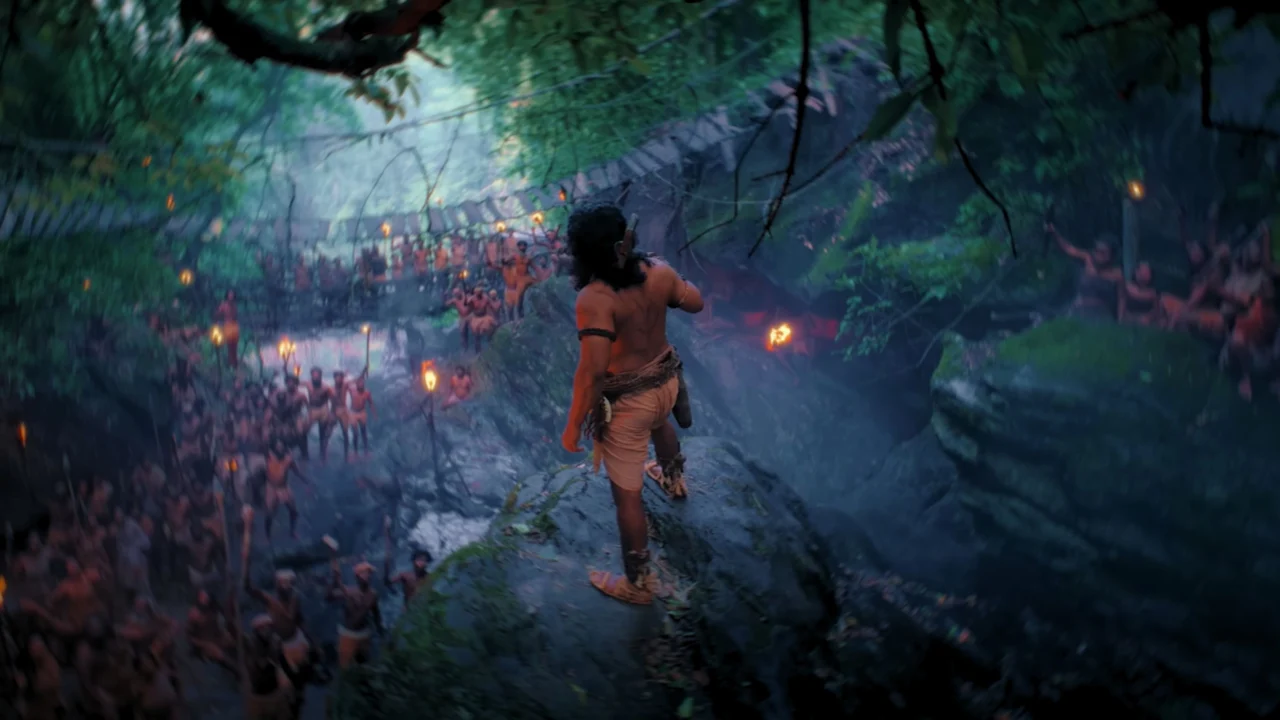
Rishab Shetty returns with a prequel that digs into the roots of the story we saw three years ago. Set in the forests of pre-colonial Karnataka, this film travels back nearly ten centuries. The cast includes Jayaram, Rukmini Vasanth, and Gulshan Devaiah, each bringing something valuable to this mythological drama.
The film explores how the divine presence of Panjurli Daiva became central to the lives of forest communities. Hombale Films clearly invested heavily in bringing this ancient world to life. I walked into the theater curious whether lightning could strike twice, and found myself engaged with what unfolded on screen.
Going Back to the Beginning
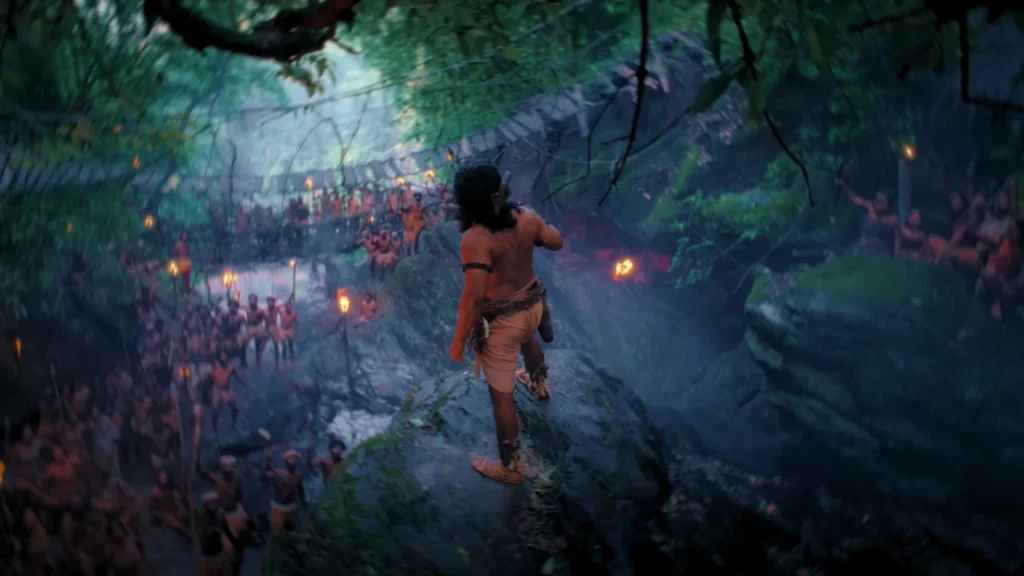
The story centers on people who view their forest as sacred ground where gods walk among them. Their beliefs shape every decision, every conflict, every relationship shown on screen. What struck me was how the film never mocks these traditions or treats them as backward superstitions.
The conflict emerges when outside forces threaten this way of life that’s existed for generations. I noticed the screenplay takes its time building this world before throwing us into the drama. Some might find this slow, but I felt it was necessary to understand what’s at stake when tensions rise.
Acting That Connects
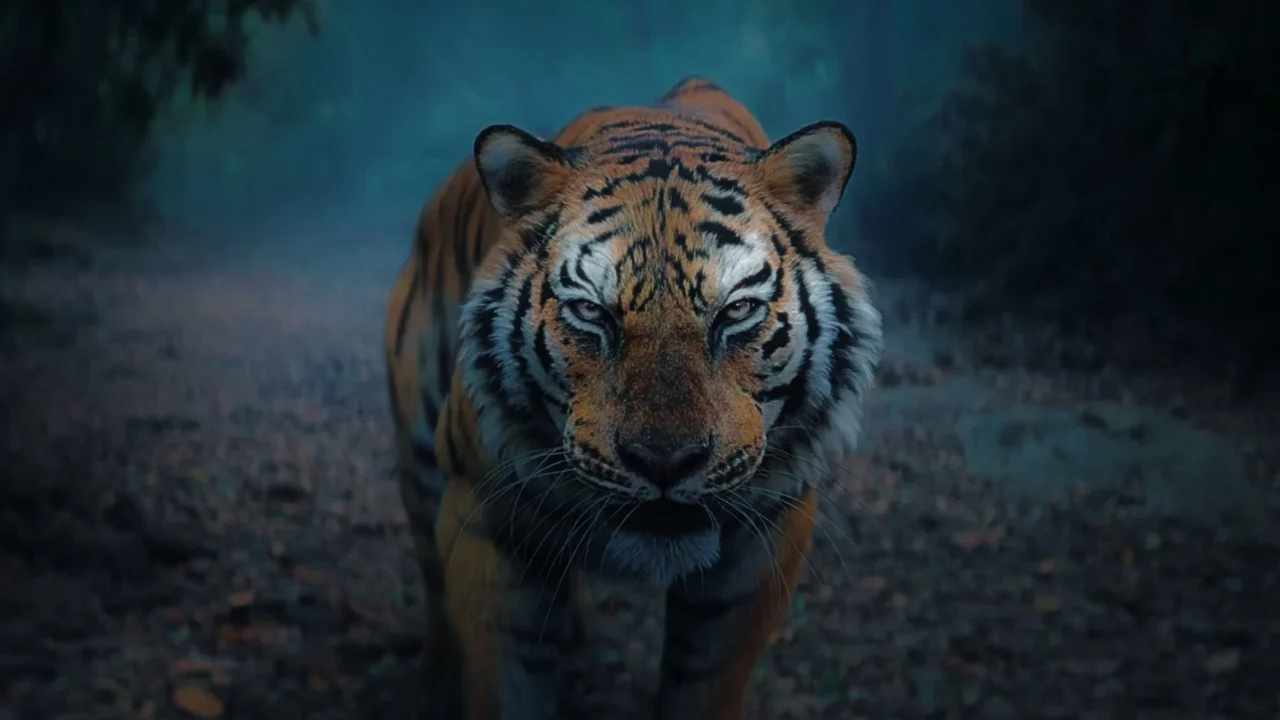
Rishab Shetty throws himself completely into the role of Berme, particularly when the character channels divine energy. Watching him perform the ritual sequences, I understood why this man won a National Award. There’s a raw quality to his work here that can’t be faked or taught.
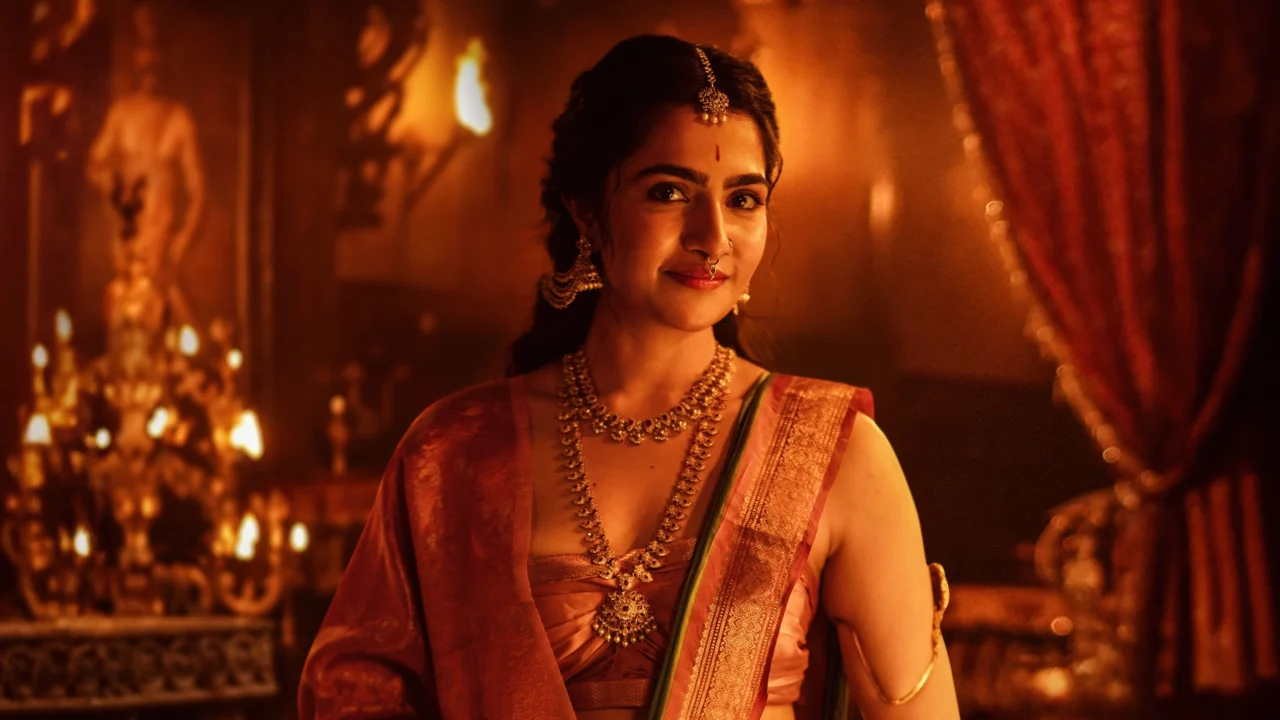
Rukmini Vasanth surprised me with how naturally she inhabited the world of royalty as Princess Kanakavathi. Jayaram brings years of experience to his portrayal of the king, making his presence felt without scenery-chewing. Gulshan Devaiah creates genuine menace as the antagonist, giving the story a human face to its conflicts.
The Technical Side Shines
The camera work captures these ancient forests with a richness that makes you want to visit Karnataka immediately. From sweeping landscape shots to close-ups during intense moments, the cinematography serves the story well. I particularly noticed how the visual team used natural light to create mood without artificial manipulation.
The visual effects impressed me because they enhanced rather than overwhelmed the narrative. Too many Indian films let VFX become the story itself, but here it supports what’s happening dramatically. The production design deserves credit for creating believable period details without making everything look overly polished.
Moments That Work
The second half picks up momentum considerably, delivering sequences that had the entire theater reacting audibly. I won’t spoil specifics, but the interval block justified my decision to watch this in a cinema rather than wait for streaming. Shetty clearly learned from feedback on the first film and addressed several concerns.
What I appreciated most was the respect shown toward tribal culture and religious practices. These aren’t treated as exotic curiosities but as lived reality for the characters. The background score by Ajaneesh Loknath elevates emotional moments without becoming manipulative. Several scenes stayed with me days after watching.
Where It Stumbles
The first half drags in places where tighter editing would have helped maintain interest. While establishing the world matters, I checked my watch a few times before things got moving. The film also sacrifices some emotional intimacy for visual scale, which made certain relationships feel underdeveloped to me.
Some plot threads don’t get the resolution they deserve, leaving me with questions that probably won’t be answered. The climax, though visually spectacular, didn’t hit me as hard emotionally as similar moments in the original film did. I wanted to feel more during that sequence than I actually felt.
Critical and Public Response
Review aggregator Rotten Tomatoes currently shows 82% approval from professional critics. India Today awarded it 4 out of 5 stars in their review. Audience scores on IMDb hover around 8.7, suggesting general viewers responded more enthusiastically than some critics did.
Social media reactions have been largely positive, with many praising the cultural representation and Shetty’s performance specifically. A few critics dismissed it as overrated, arguing the mythology angle doesn’t translate universally. The divide seems to fall along how much value you place on spectacle versus character-driven storytelling.
Rating: 4/5